Part 7 - Primatology & Fossils
PRIMATOLOGY
Syllabus of Primatology
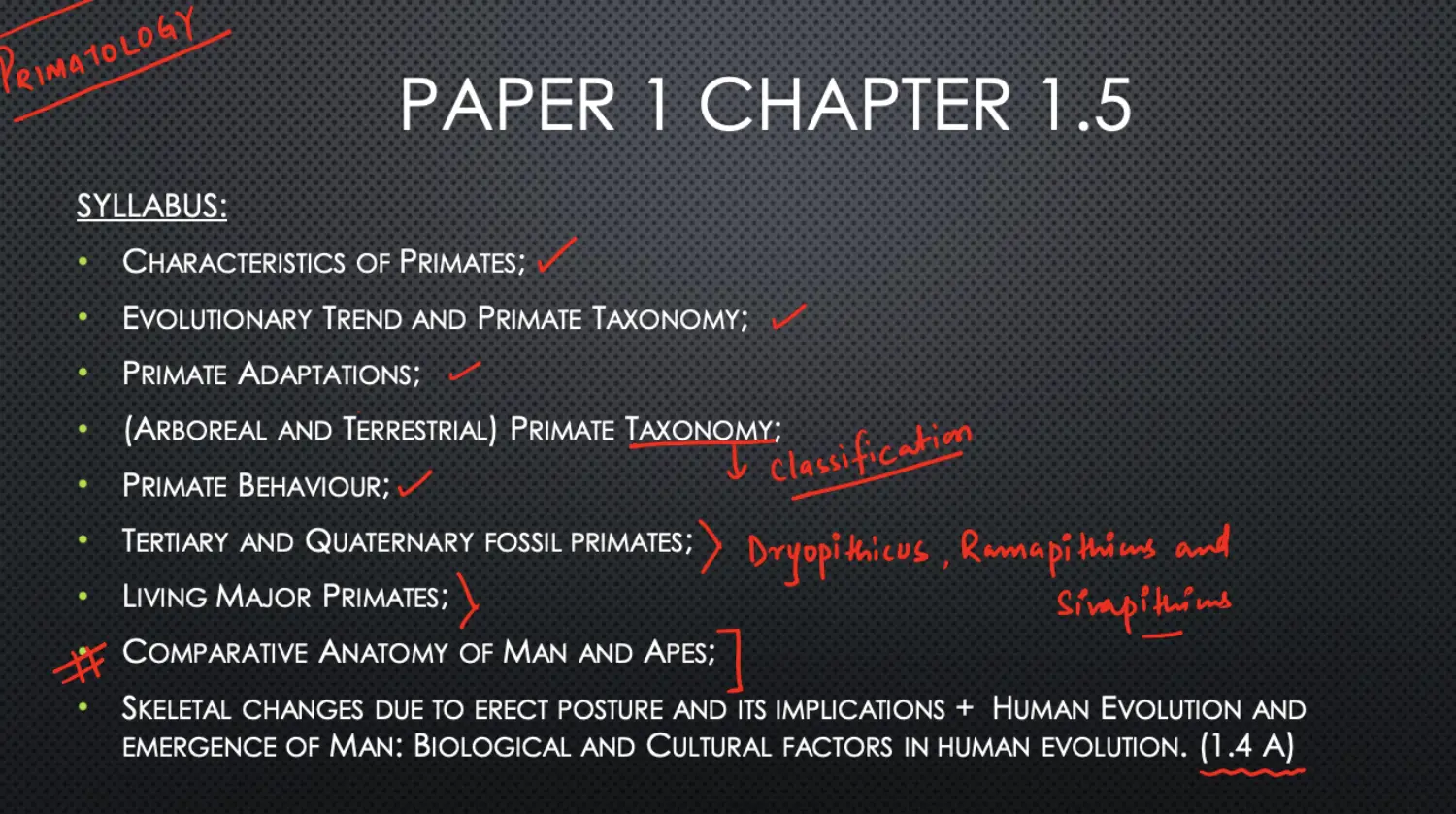
Important : Comparative Anatomy
Scope of Study
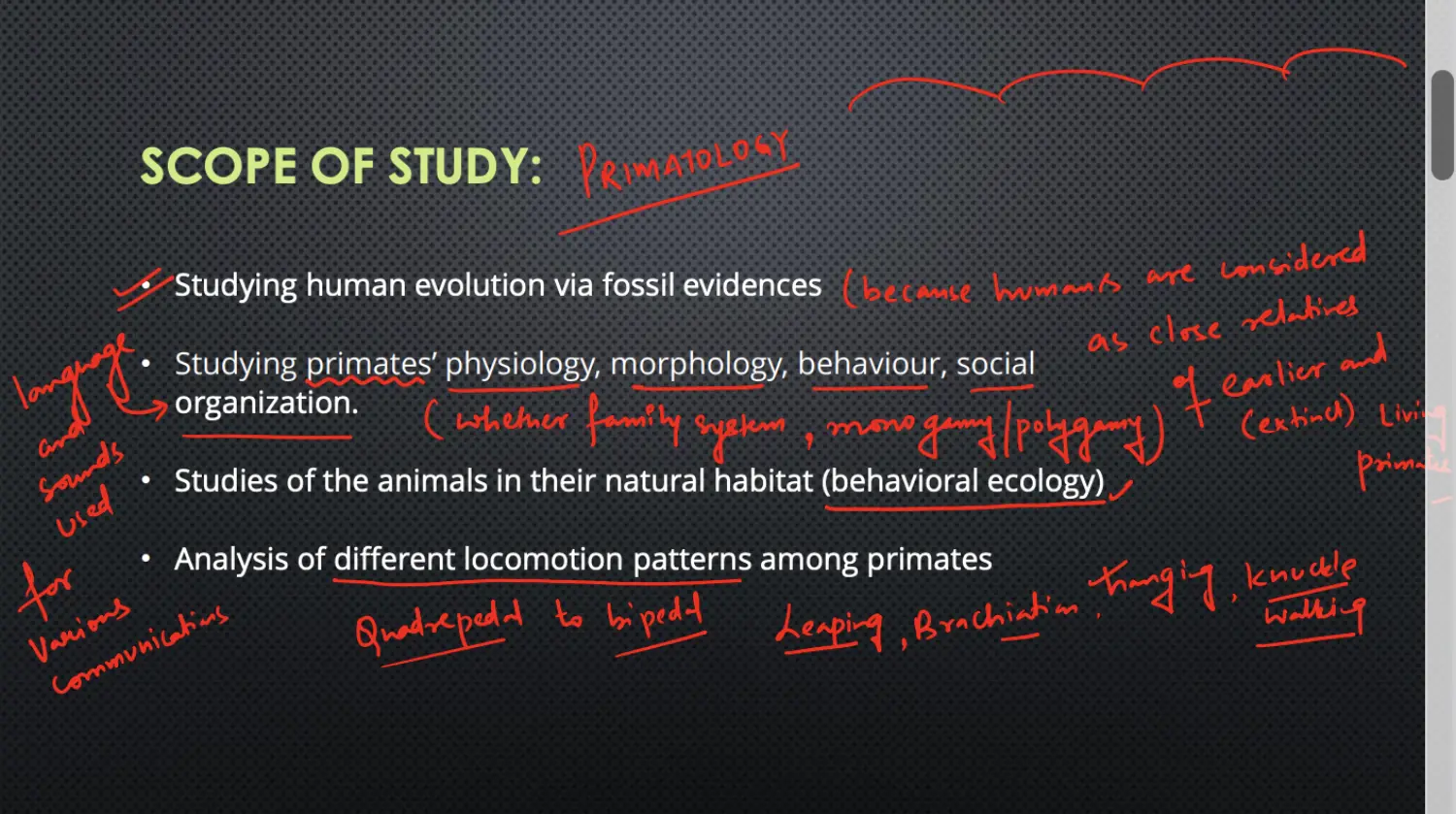
Primates & Scholars
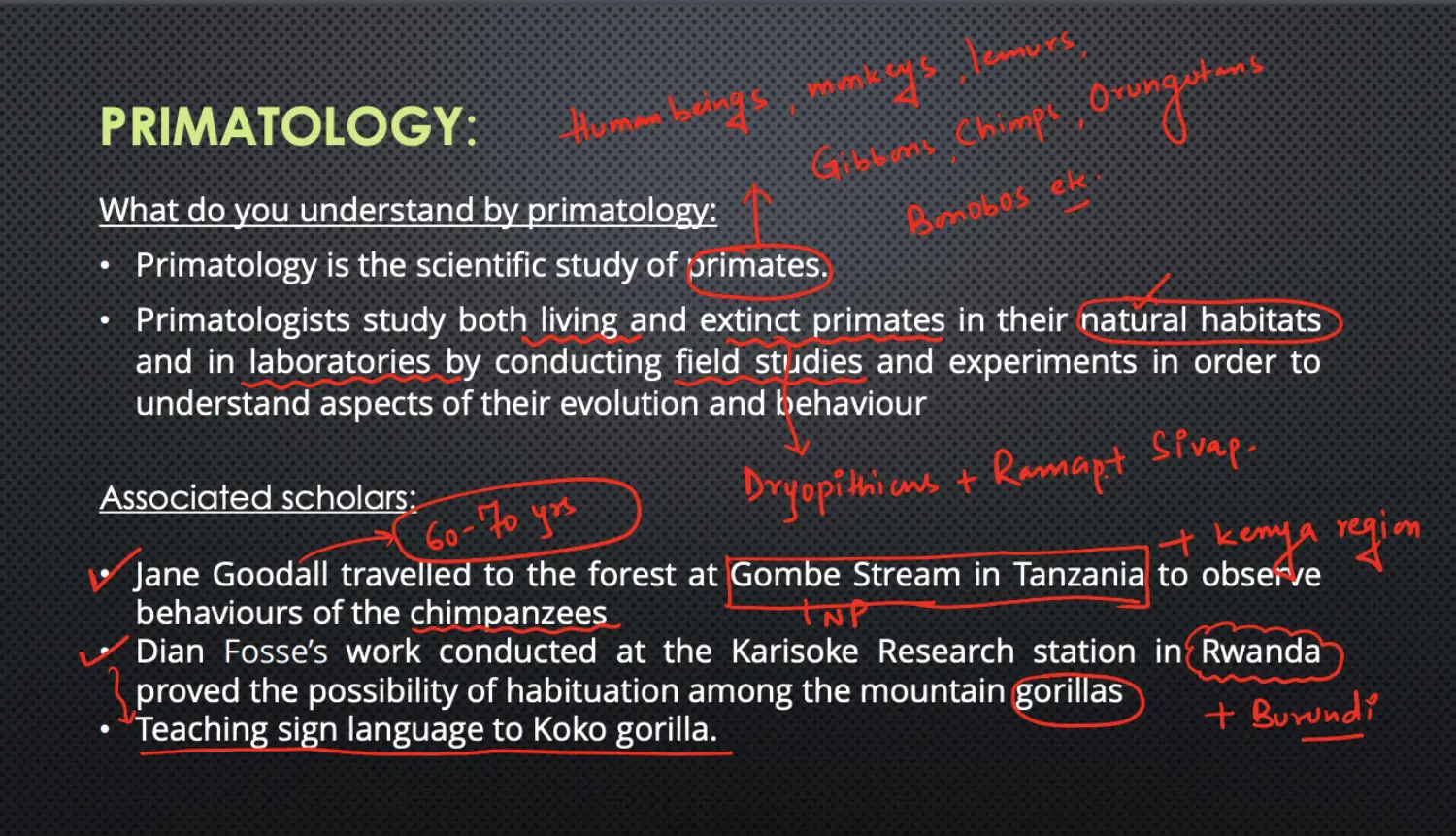
- Primatology → Living & Extinct && Field Work & Lab Work
- Jane Goodall → Chimpanzee in Tanzania & Kenya
- Dian Fossey’s → Gorillas in Rwanda & Burundi + Sign Language to Koko Gorilla
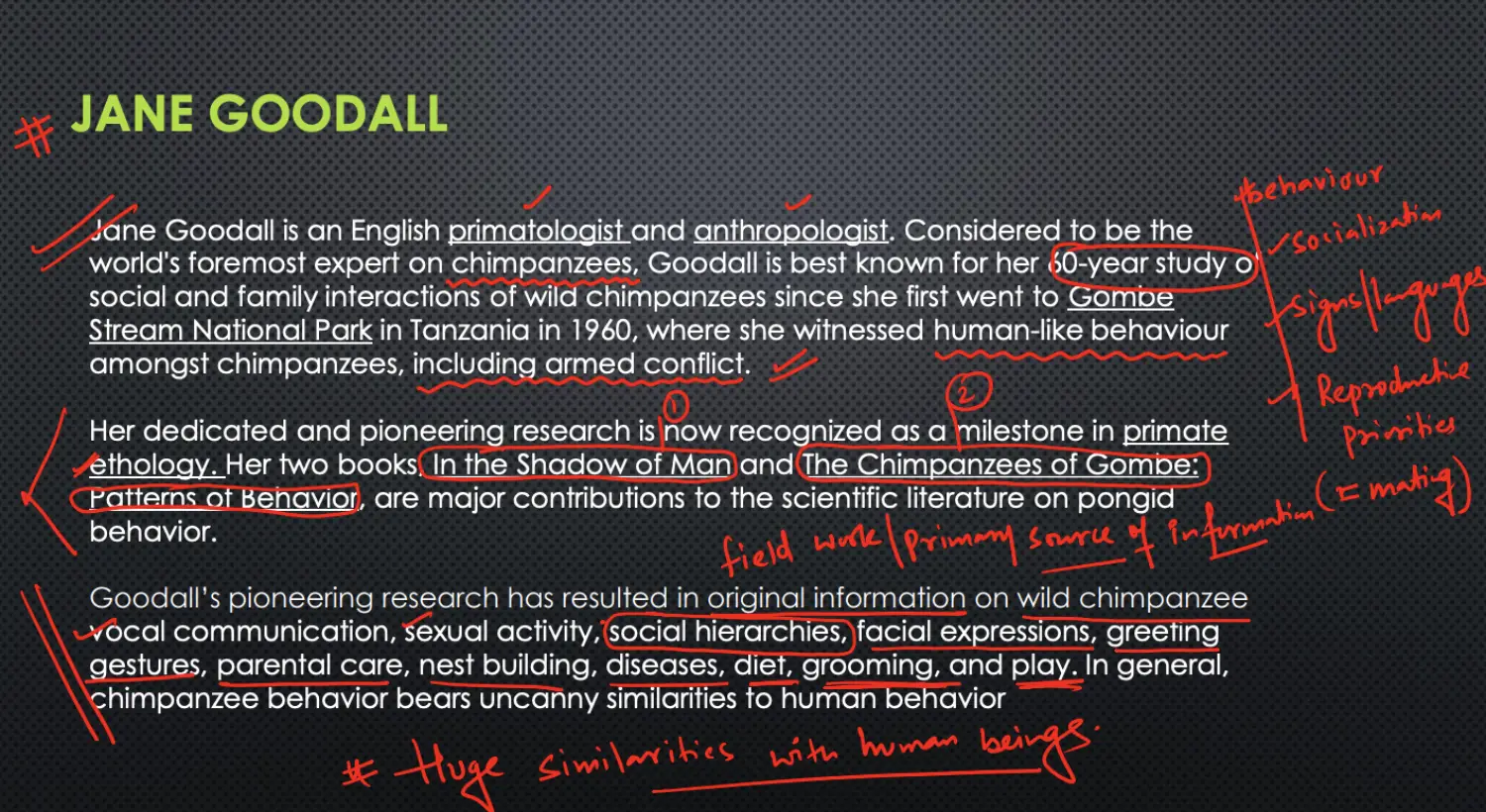
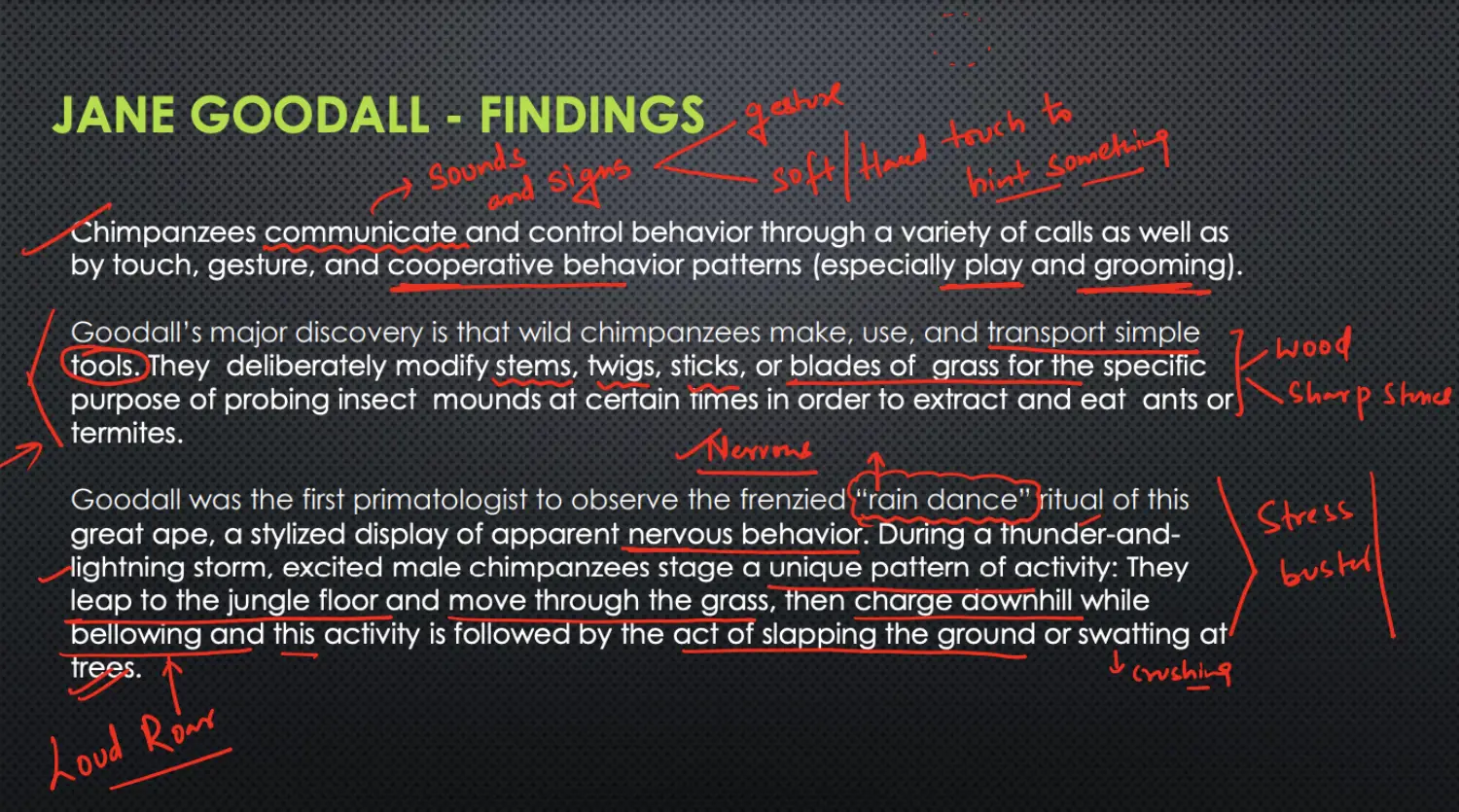
Jane Goodall
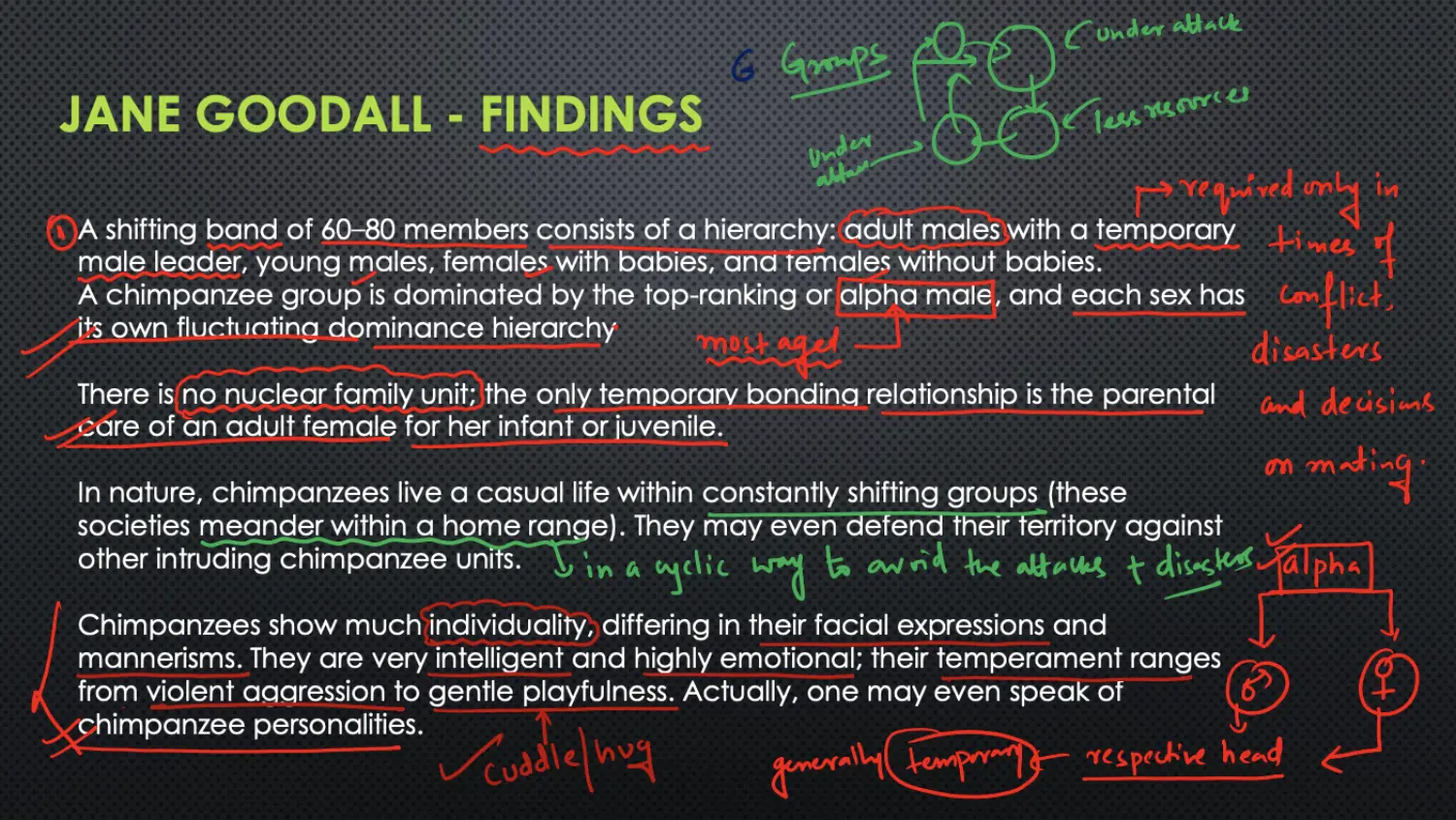
- Temp Leader - Required Only in times of Conflicts and Disasters
- Most Aged & Permanence is Referred as Alpha Male
- Constantly Shifting Groups in a Cyclic Way to Avoid Attacks and Mitigation of Disasters
Primates
Classification
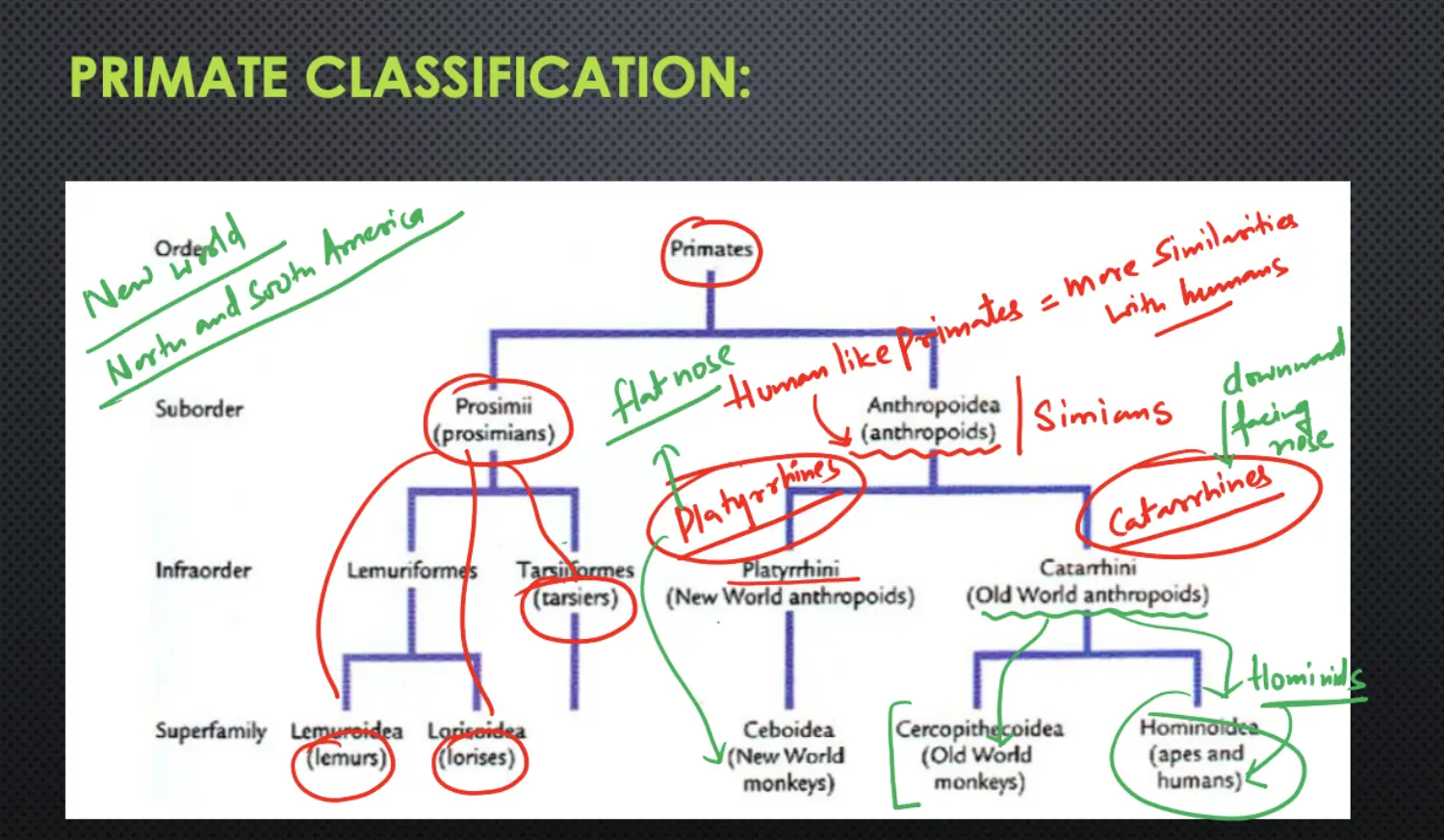
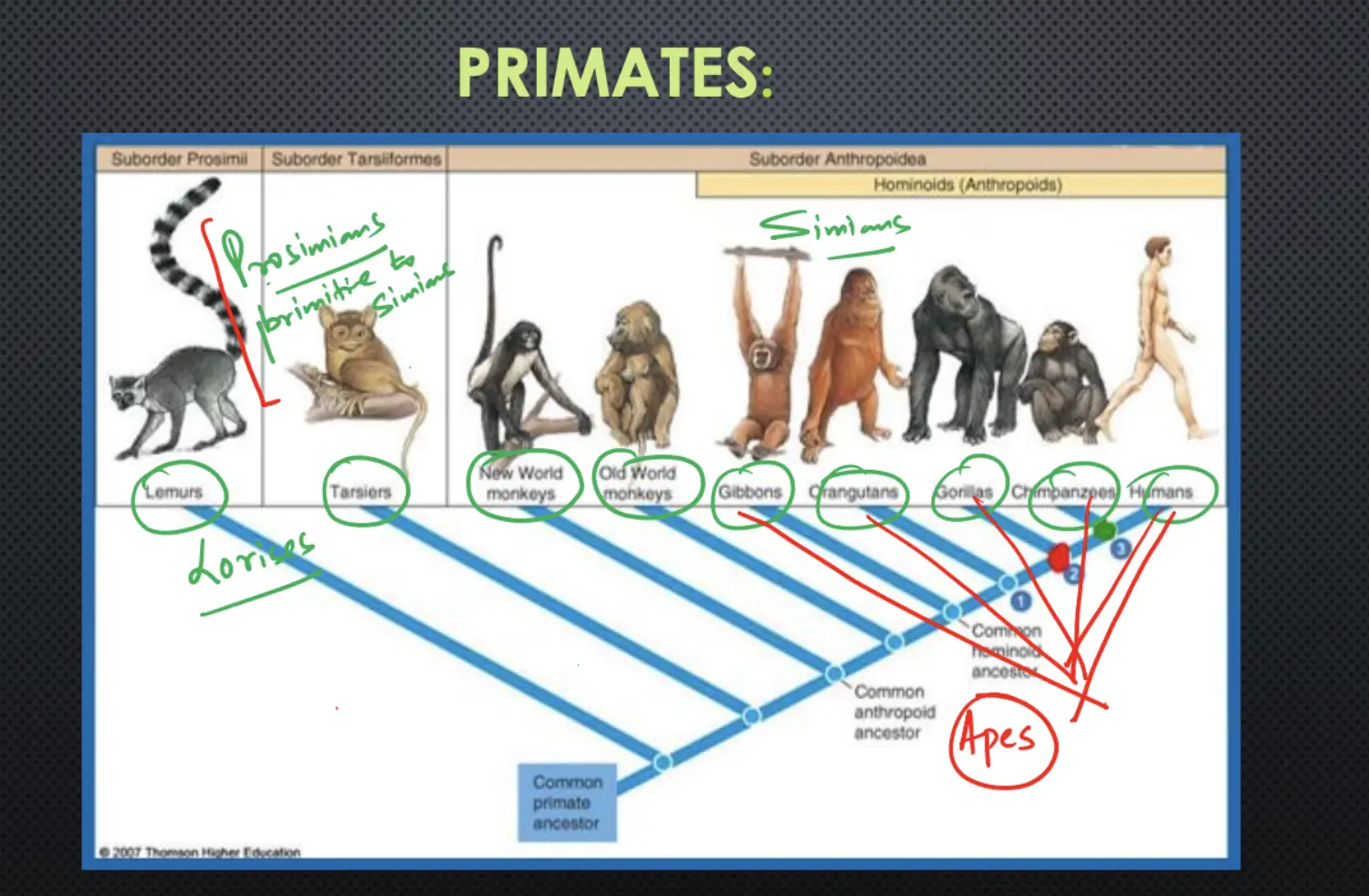
Prosimians - Primitive to Simians - Lemurs Lorises Tarsiers
Simians - NWM + OWM + Apes - Gibbons, Orangutans, Gorilla, Chimpanzee, Humans
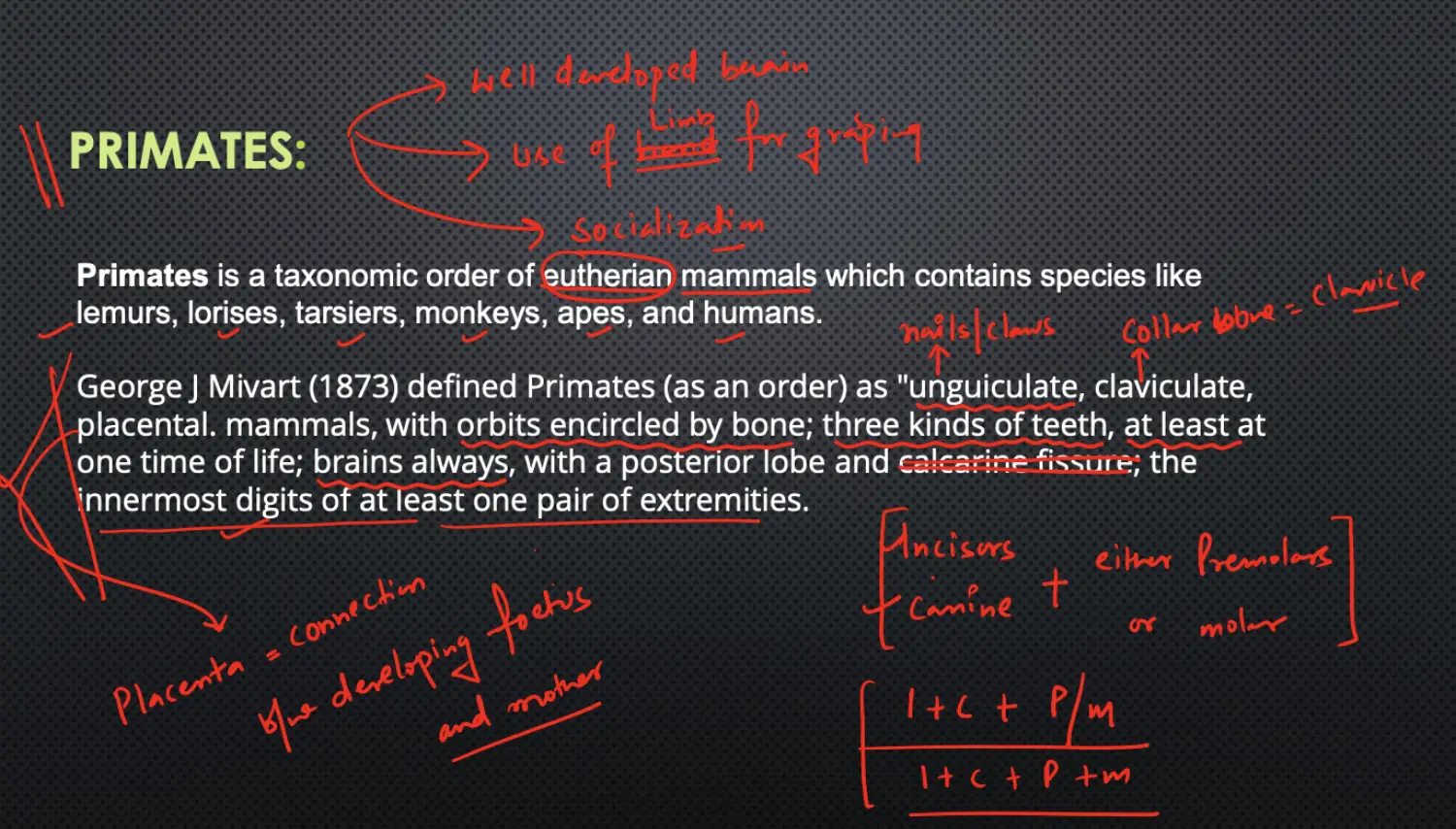
Definition
- Unguiculate - One of More Nails of Claws
- Clavicle - Collar Bone
- Calcarine Fissure - Rote Learn Don't Try to Understand
Characteristics
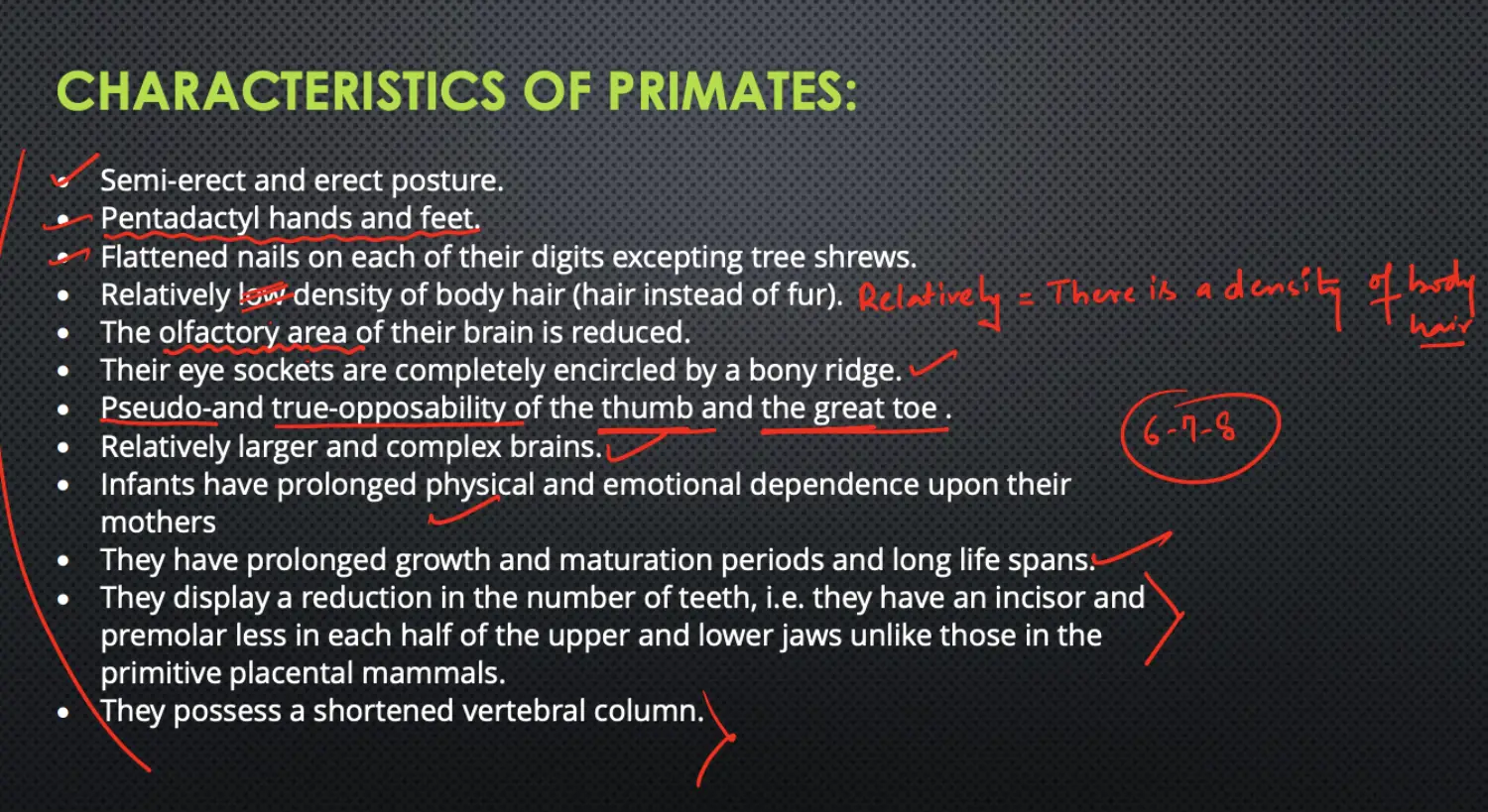
True Opposability of Thumb or Great Toe - Thumb and Baaki Finger Opposite Direction Main
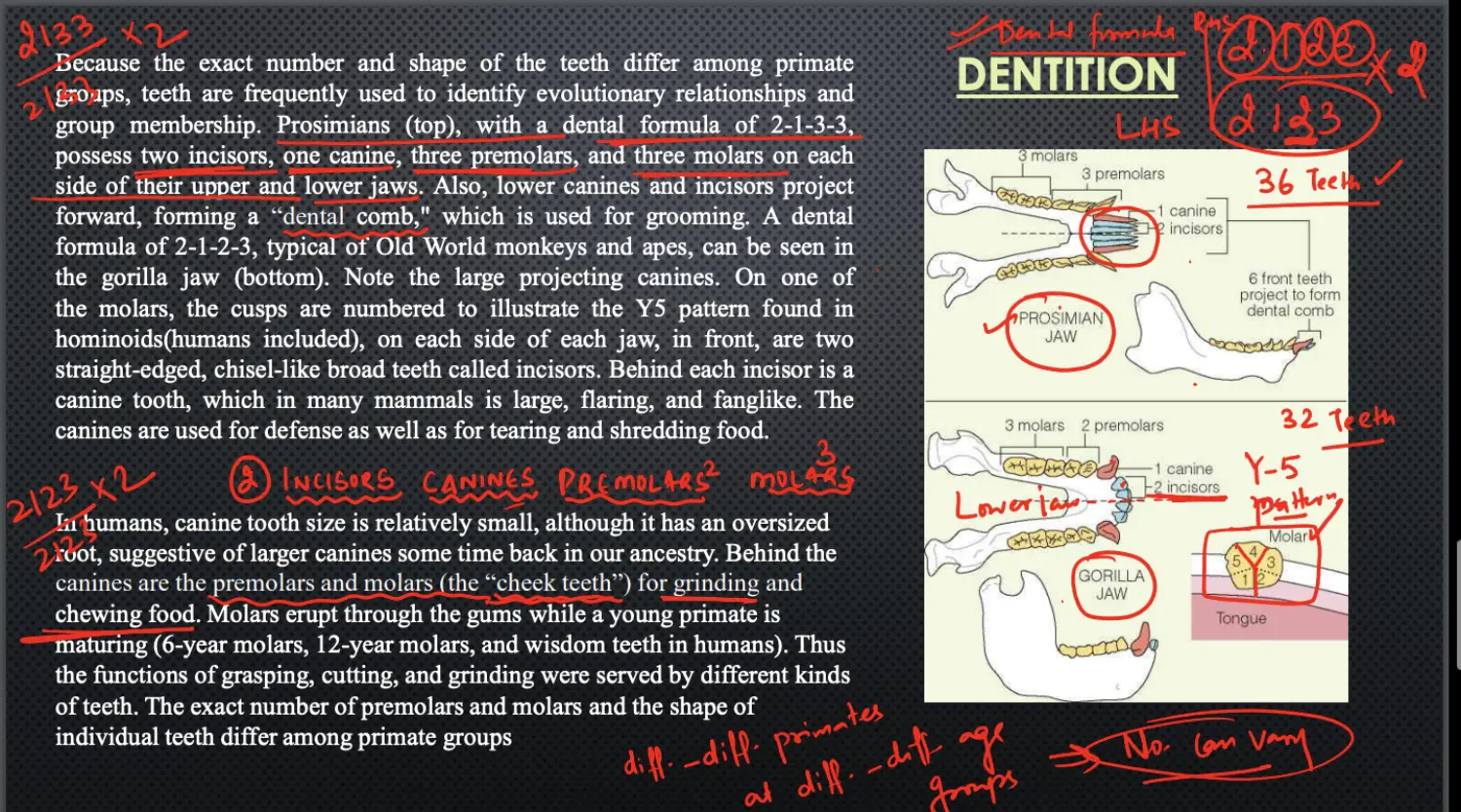
Dentition
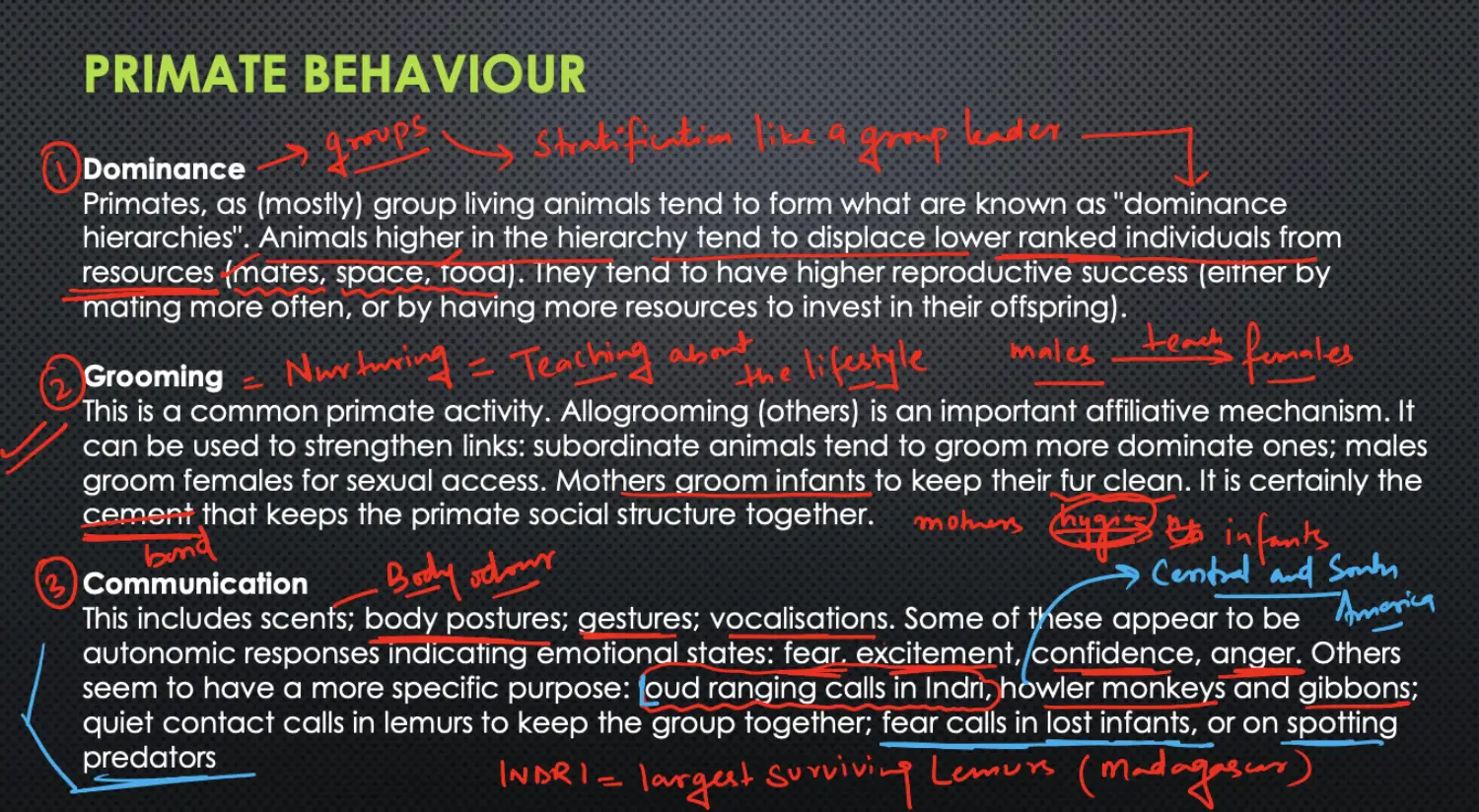
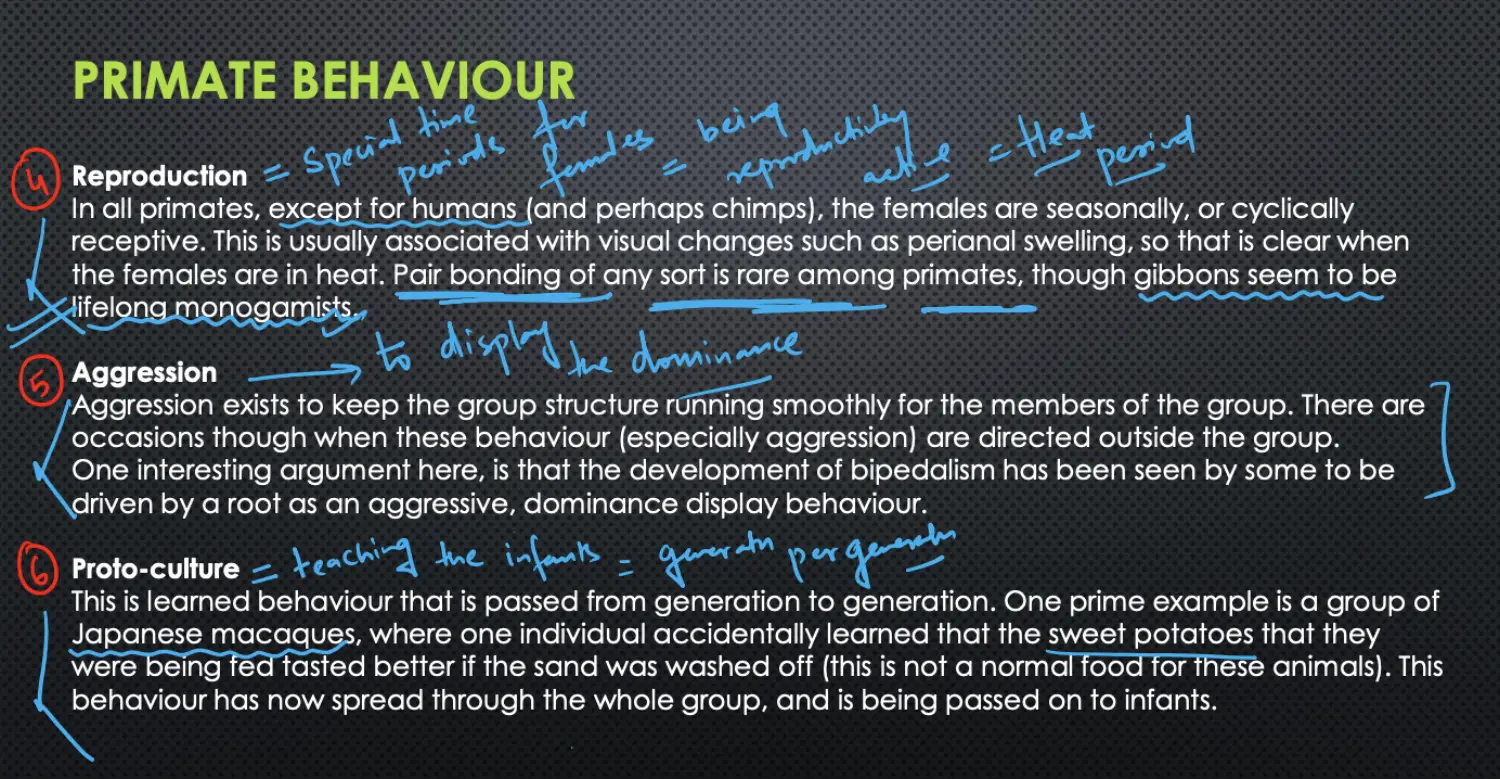
Behaviour(7)
- Dominance
- Grooming
- Communication
- Reproduction
- Aggression
- Protoculture
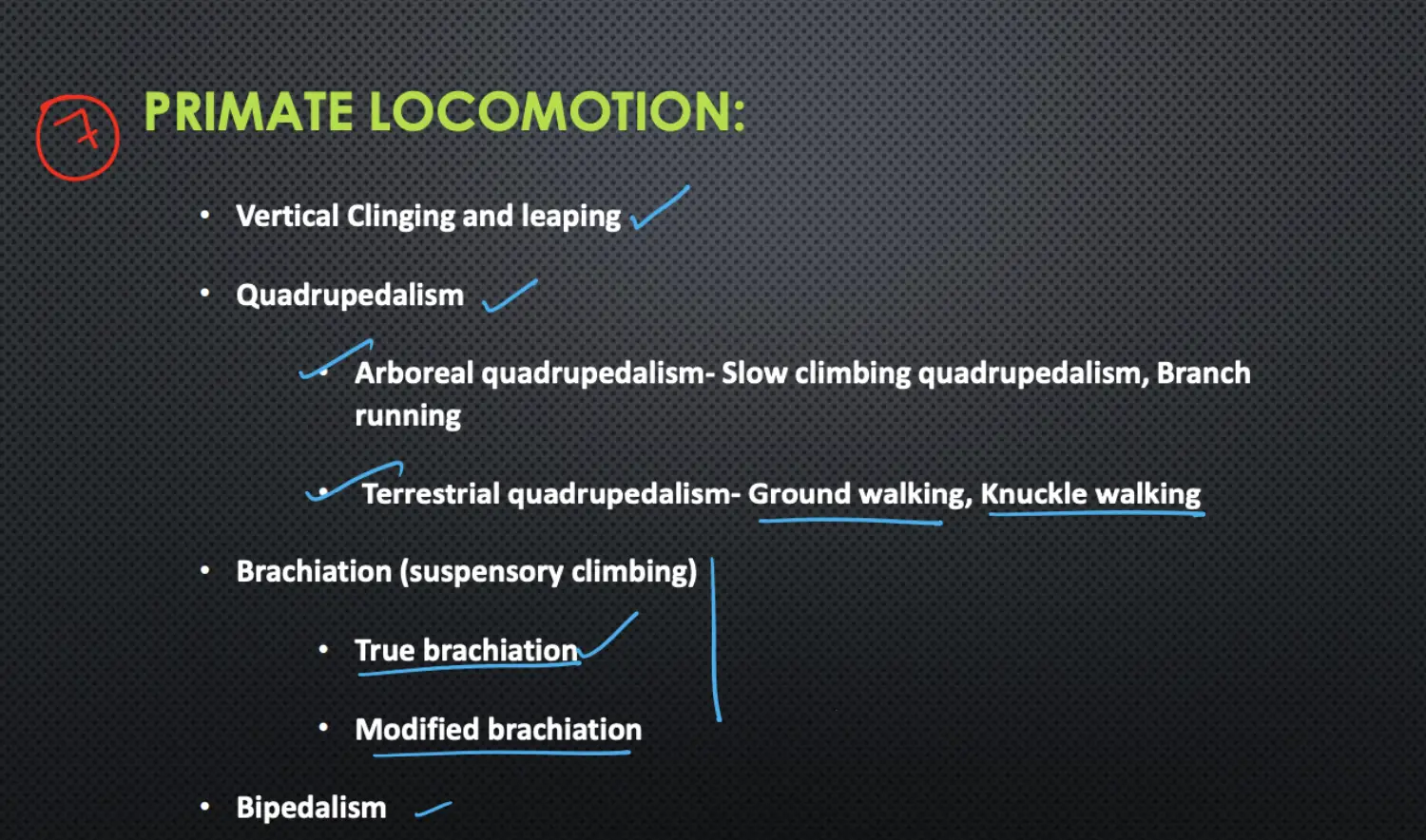
- Locomotion
Types of Primates
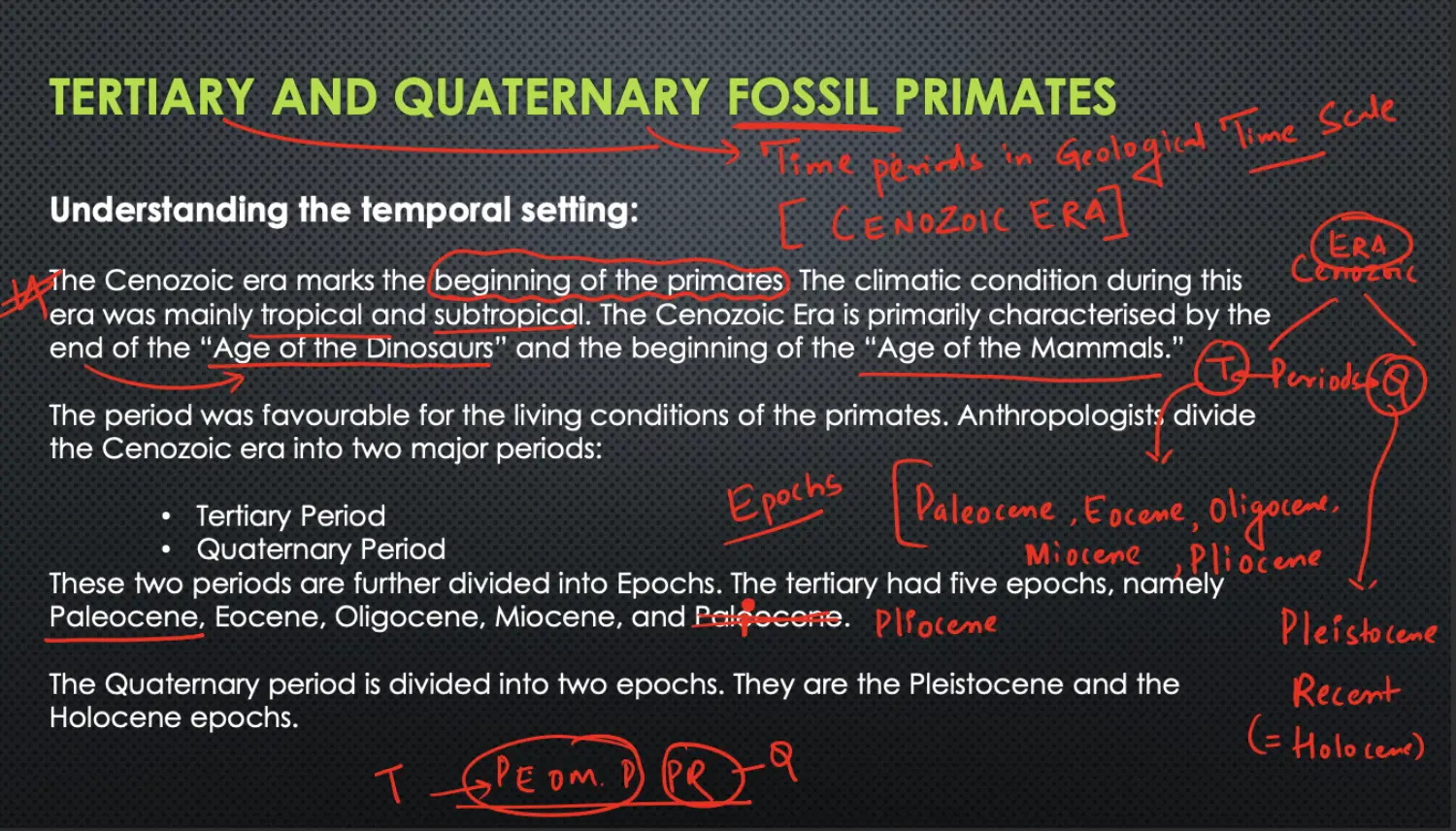
Tertiary & Quaternary Fossil Primate
Introduction
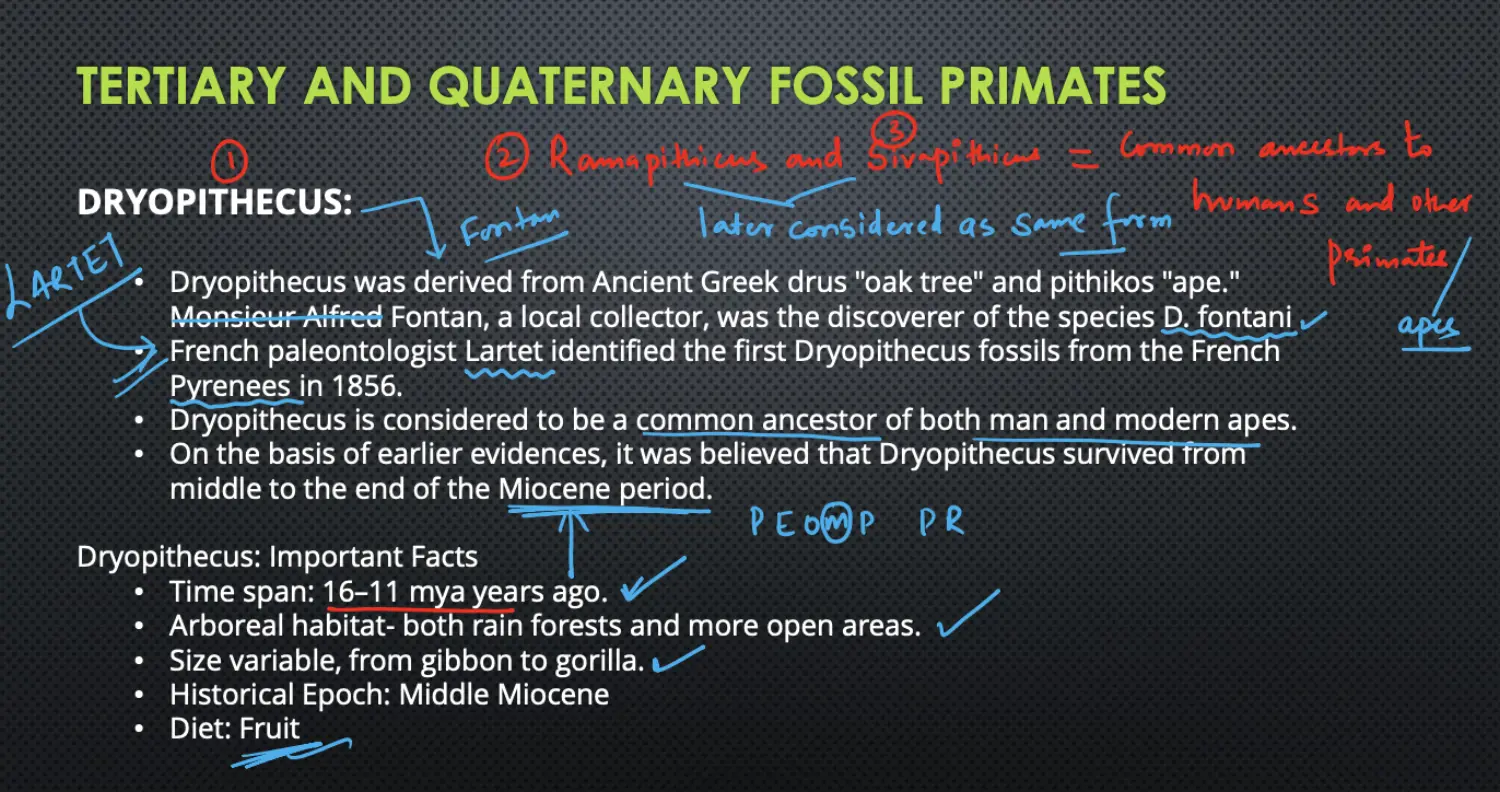
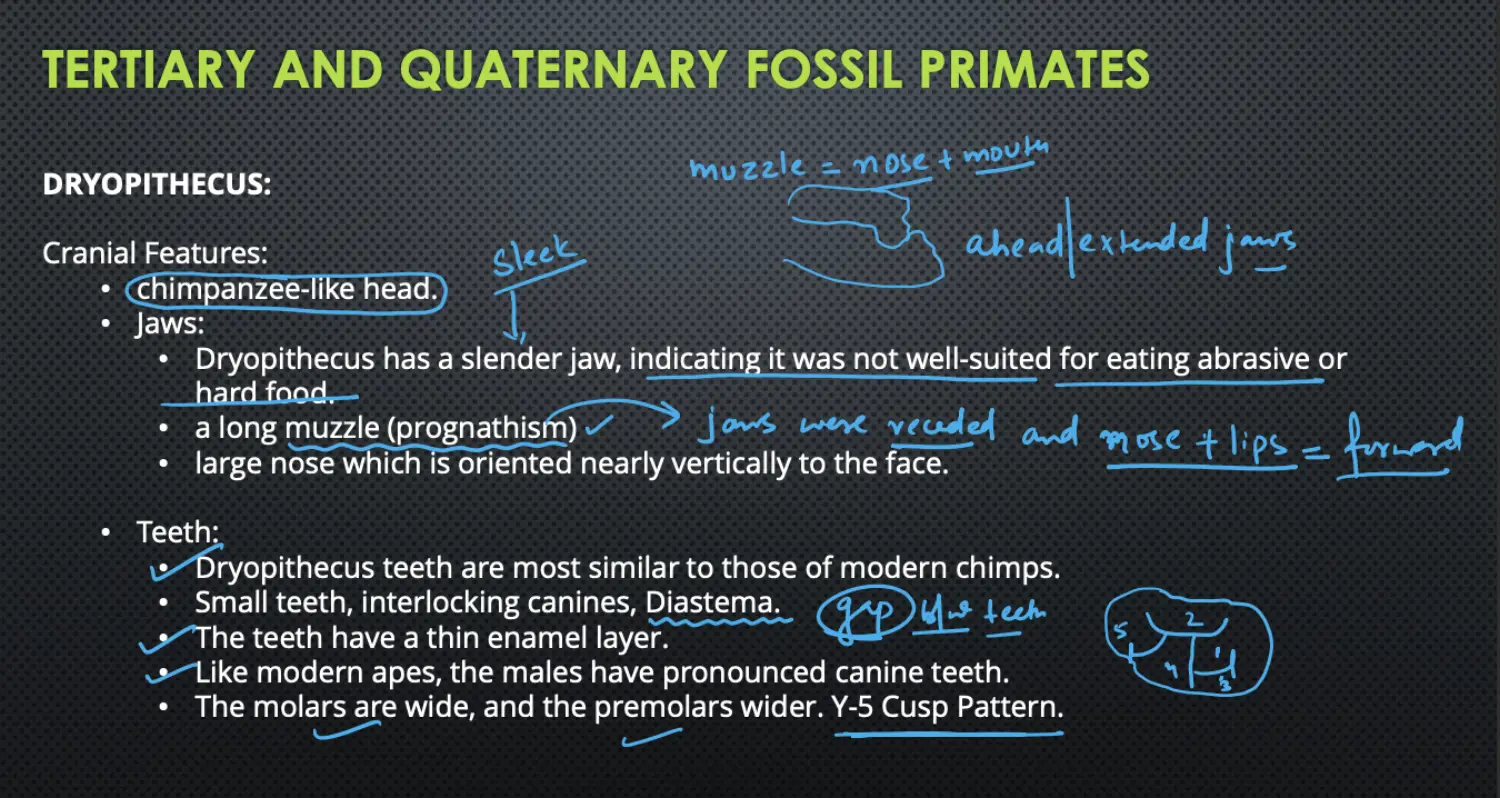
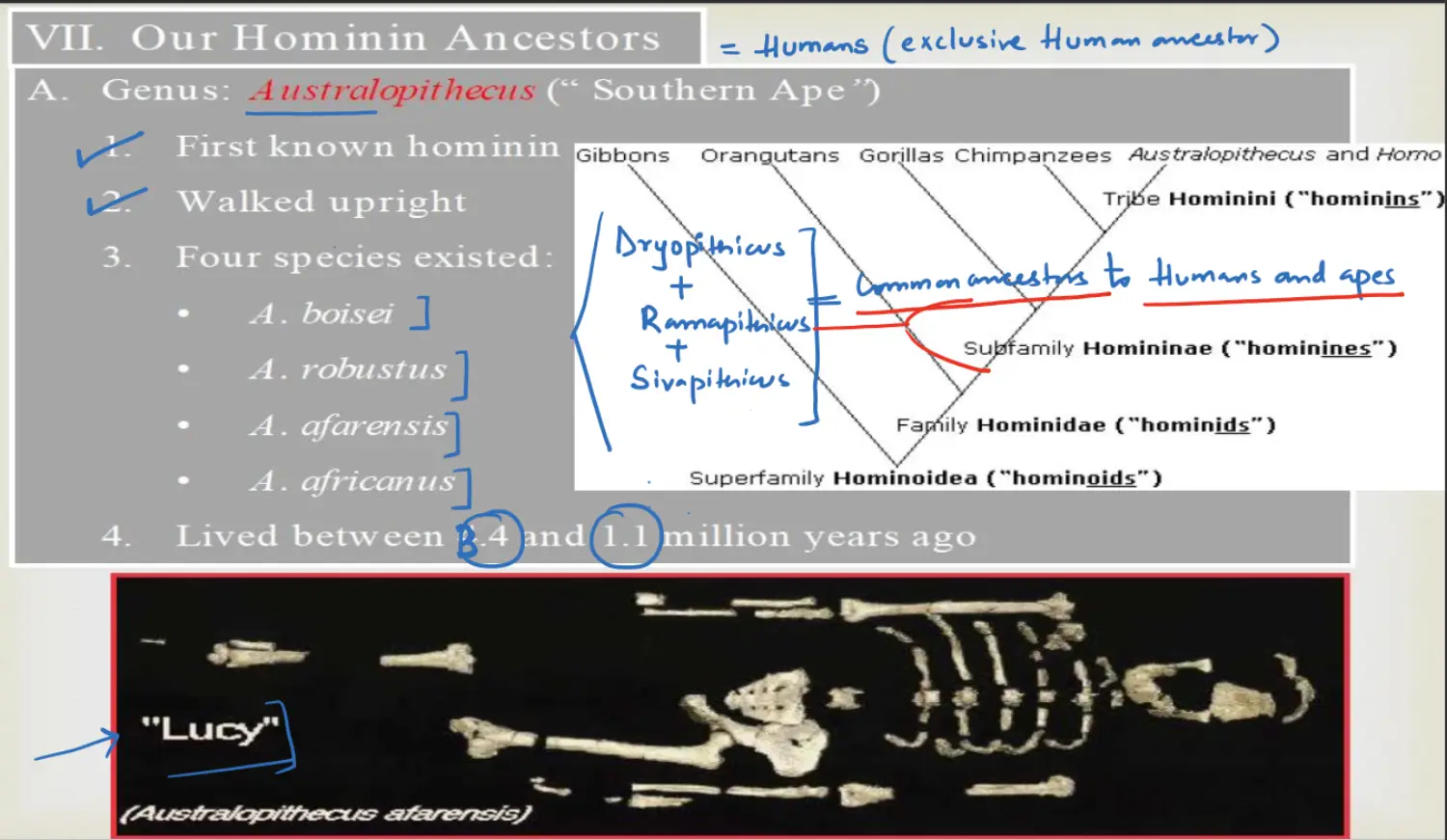
Dryopithecus
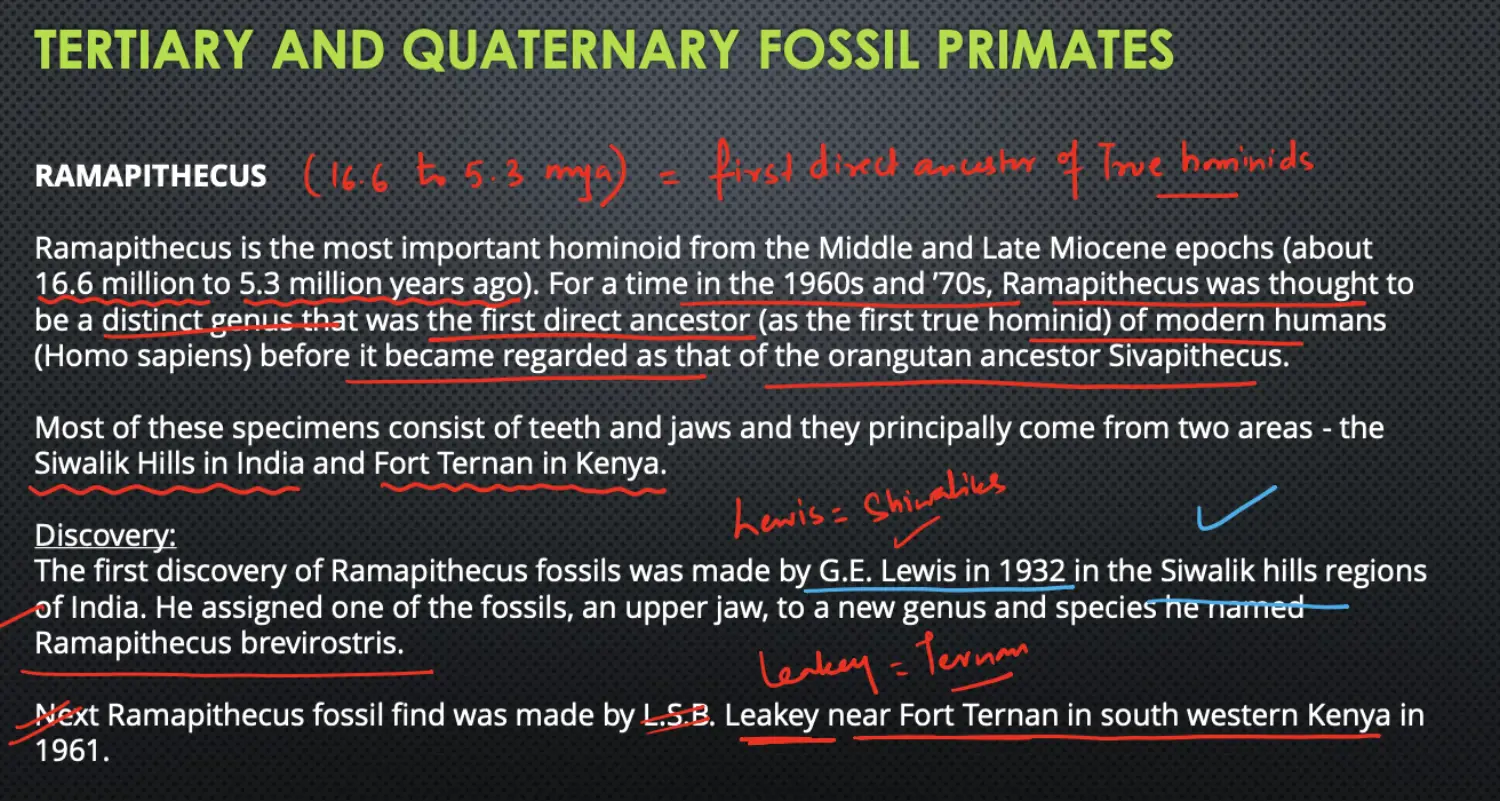
Ramapithecus
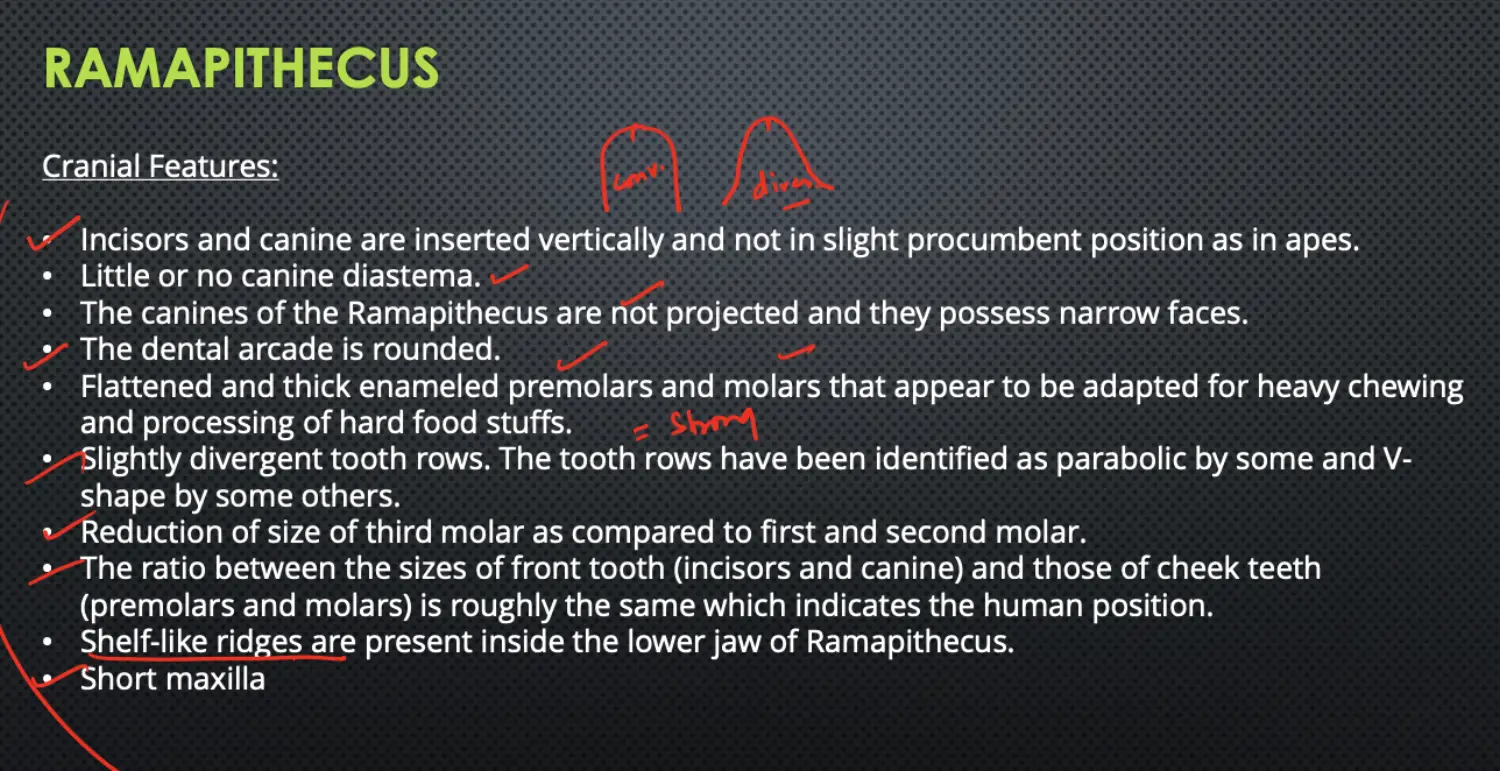
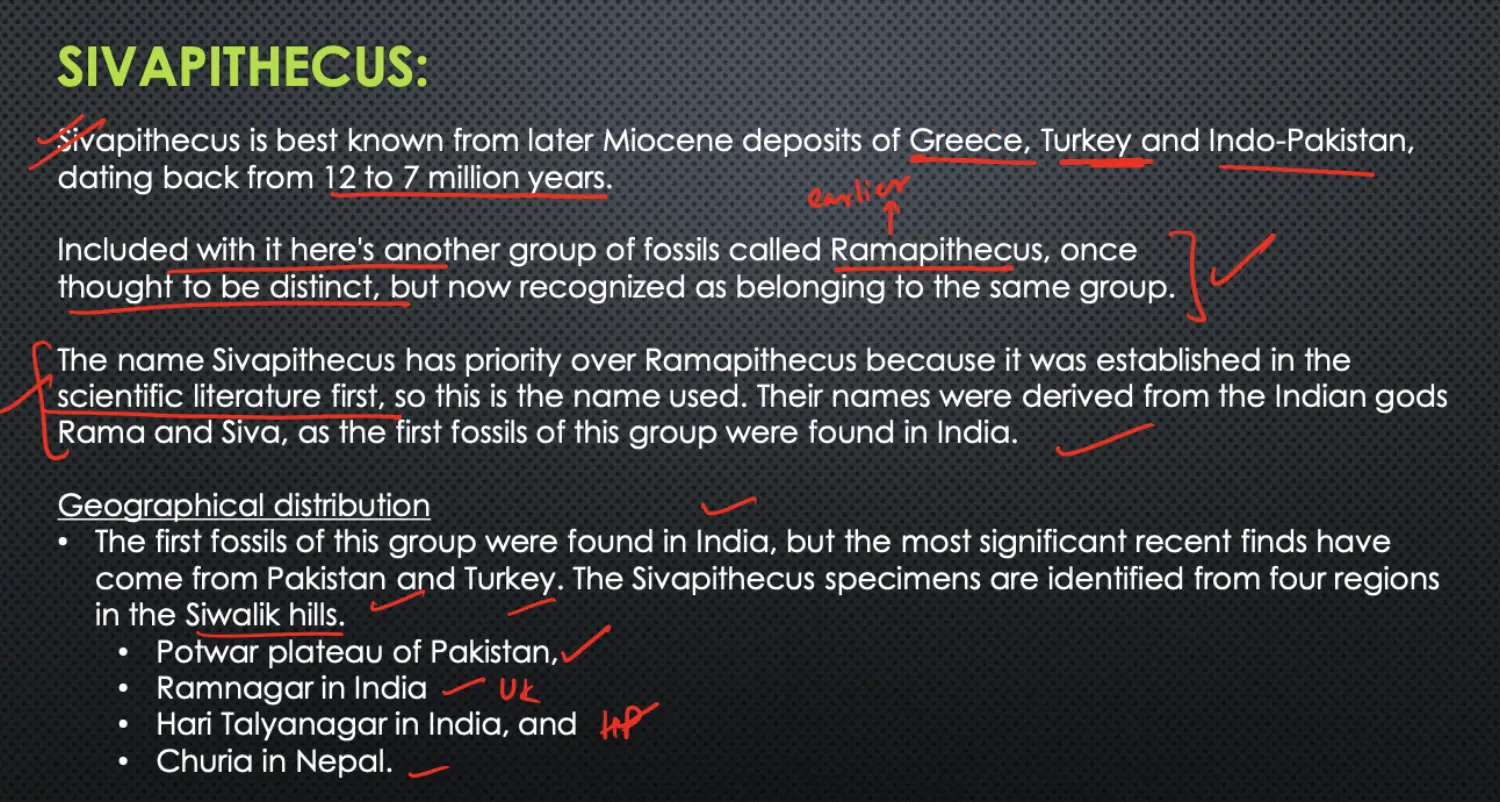
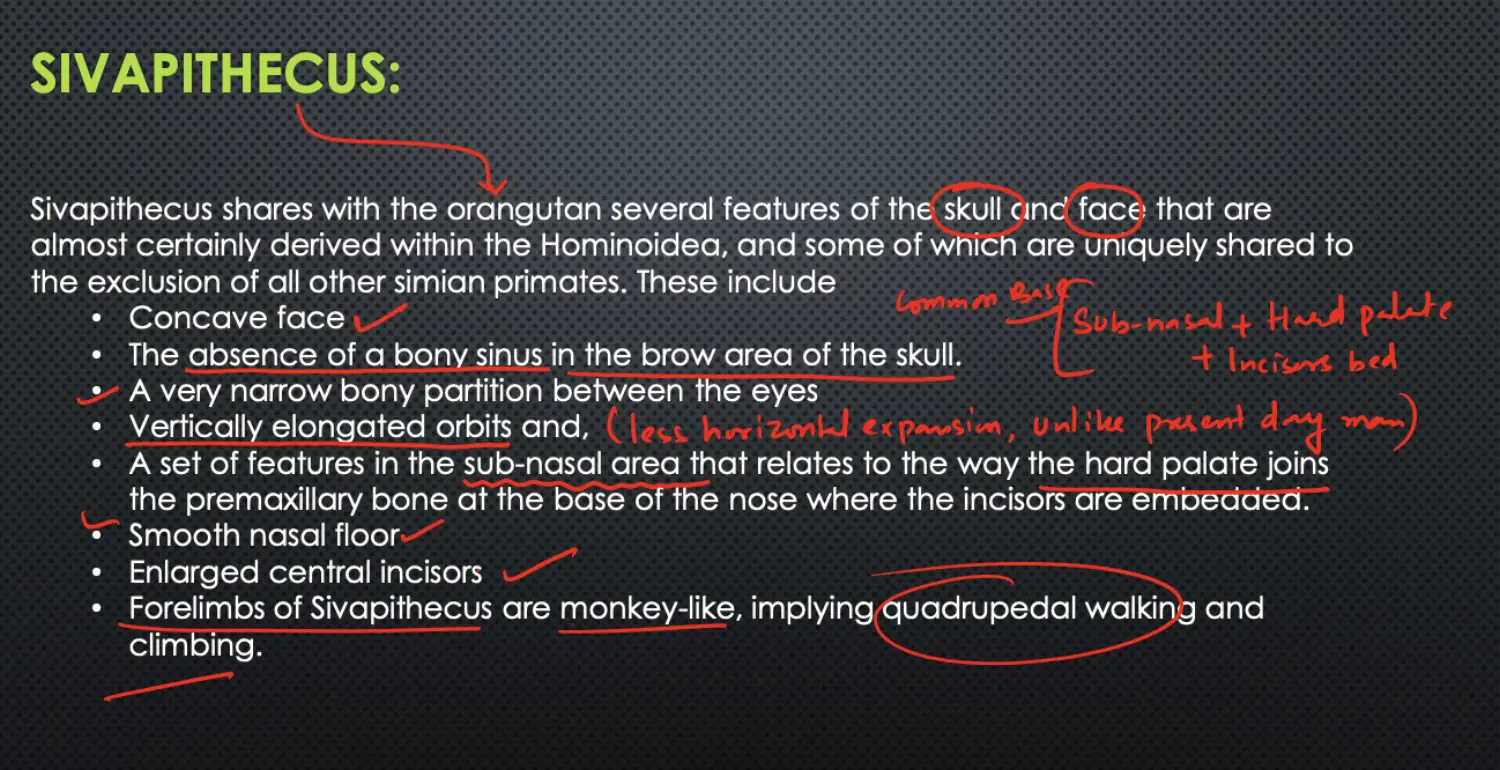
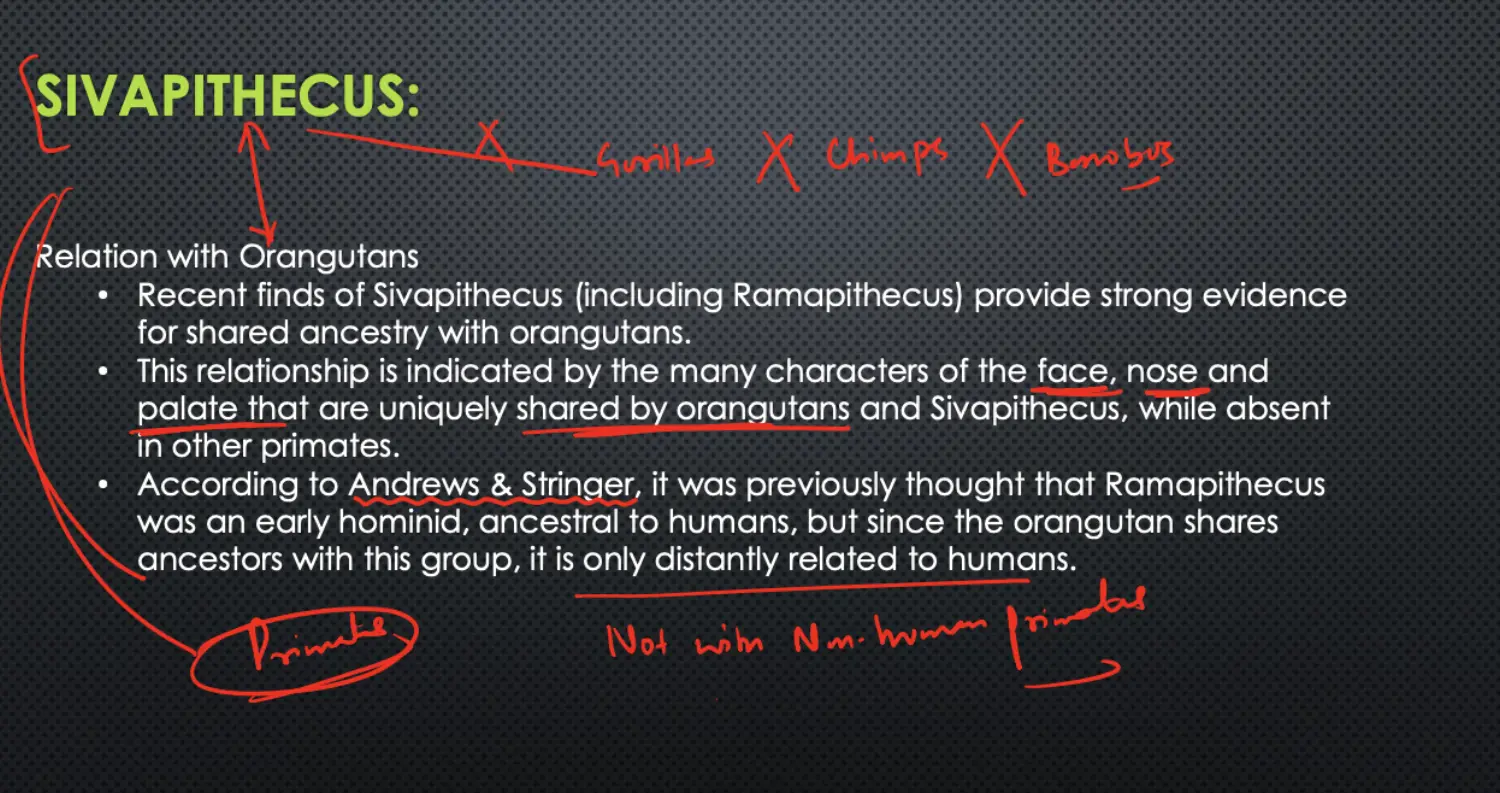
Sivapithecus
Living Major Primate
Gorilla
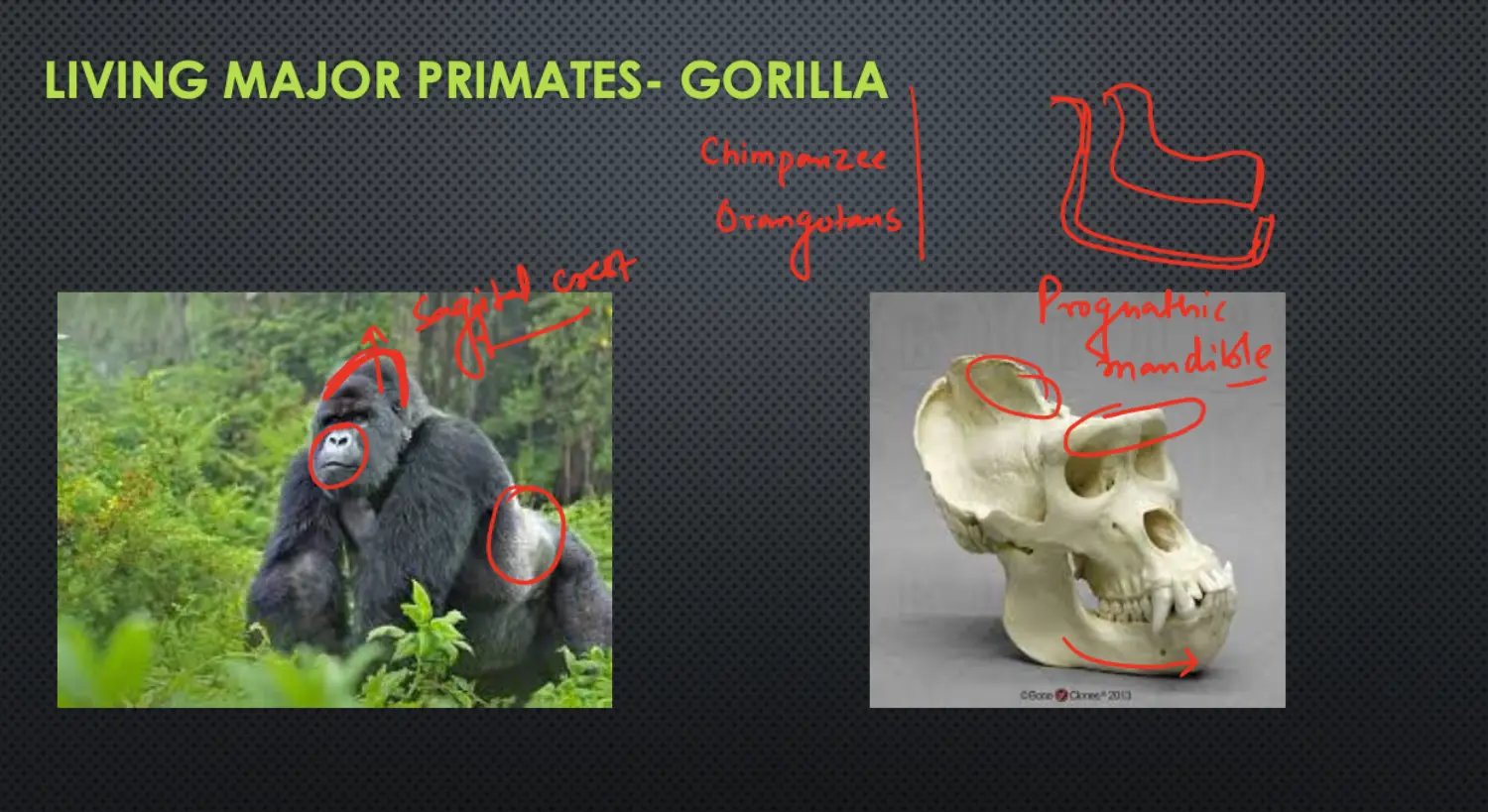
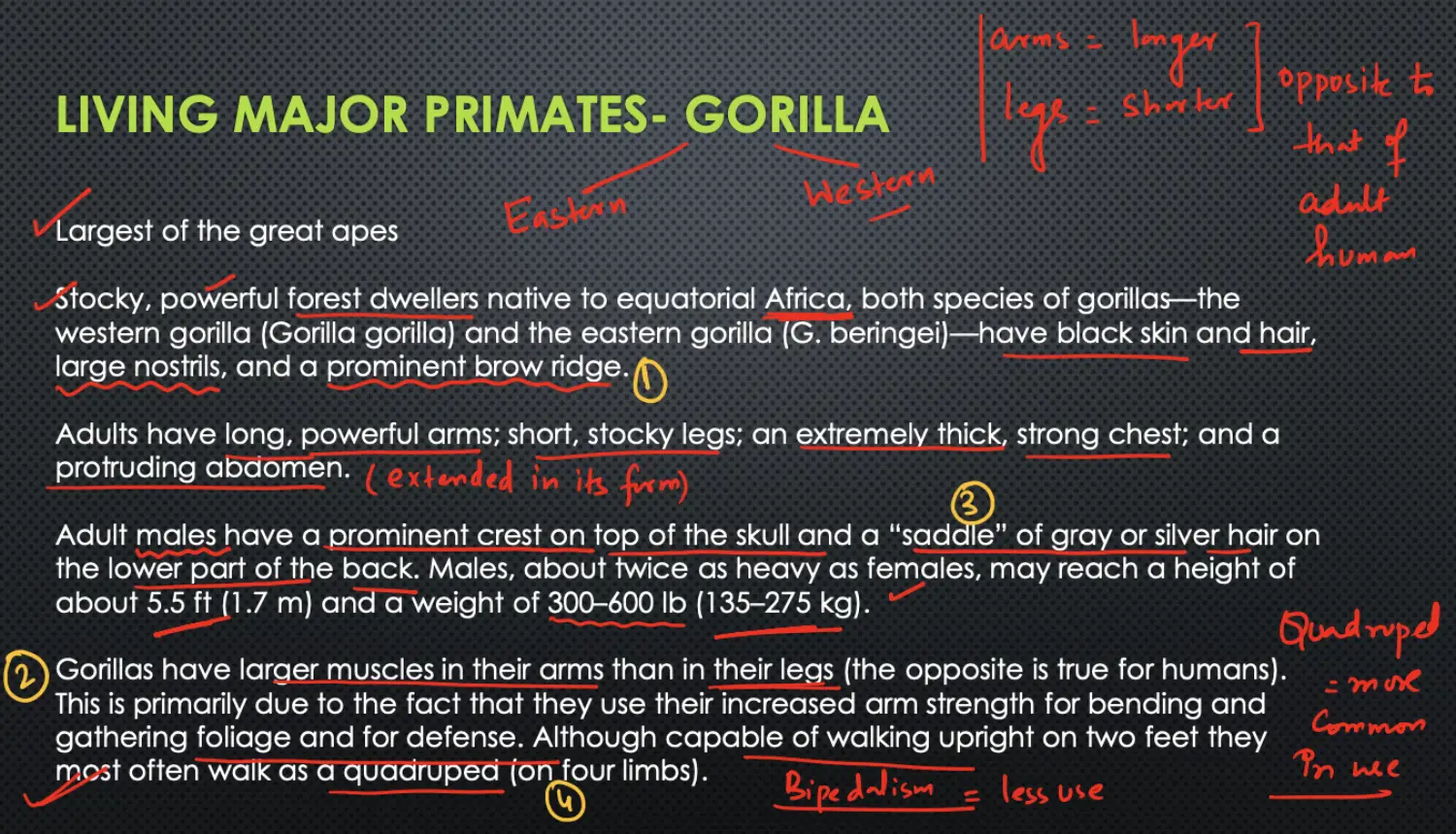
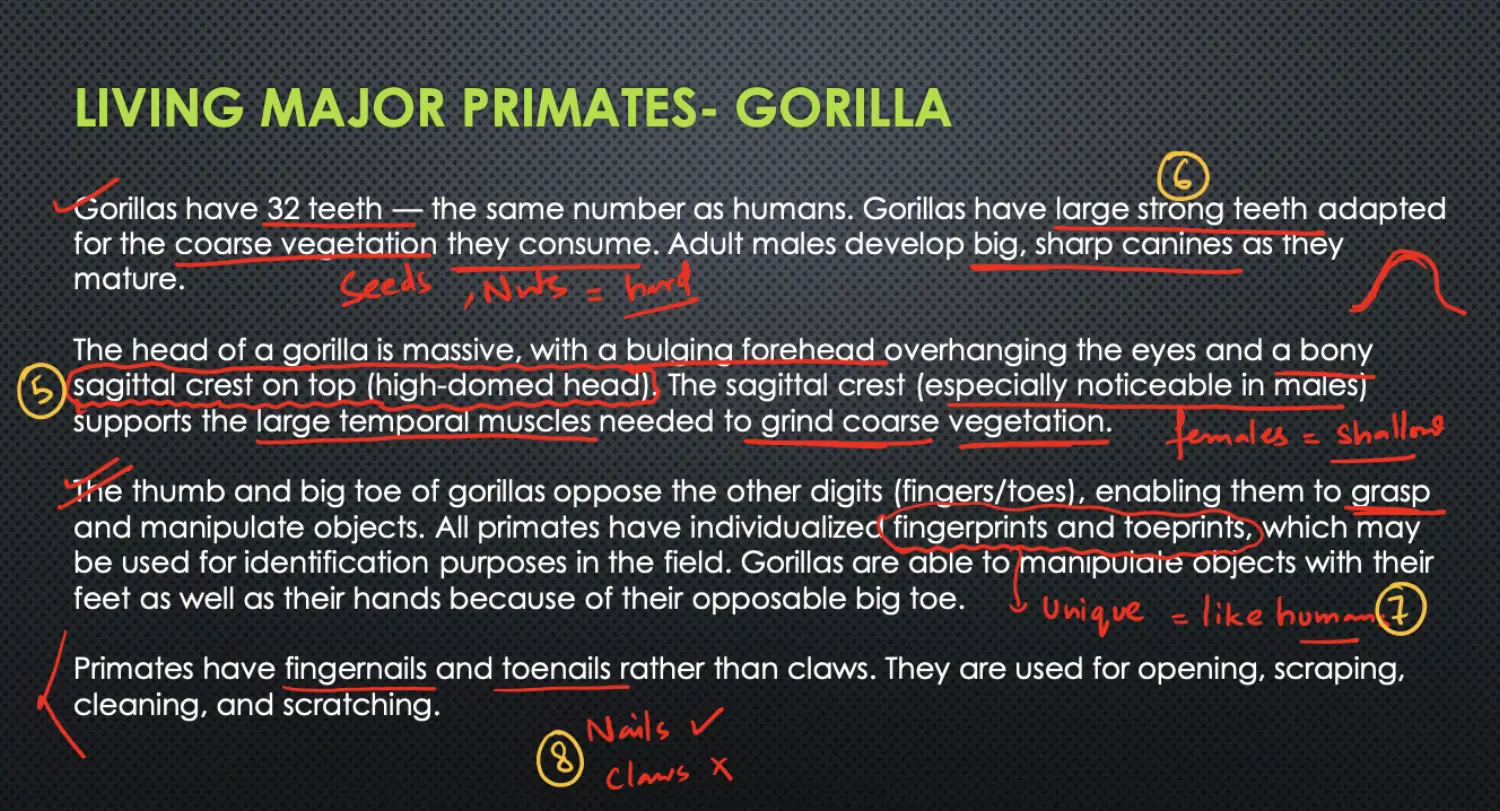
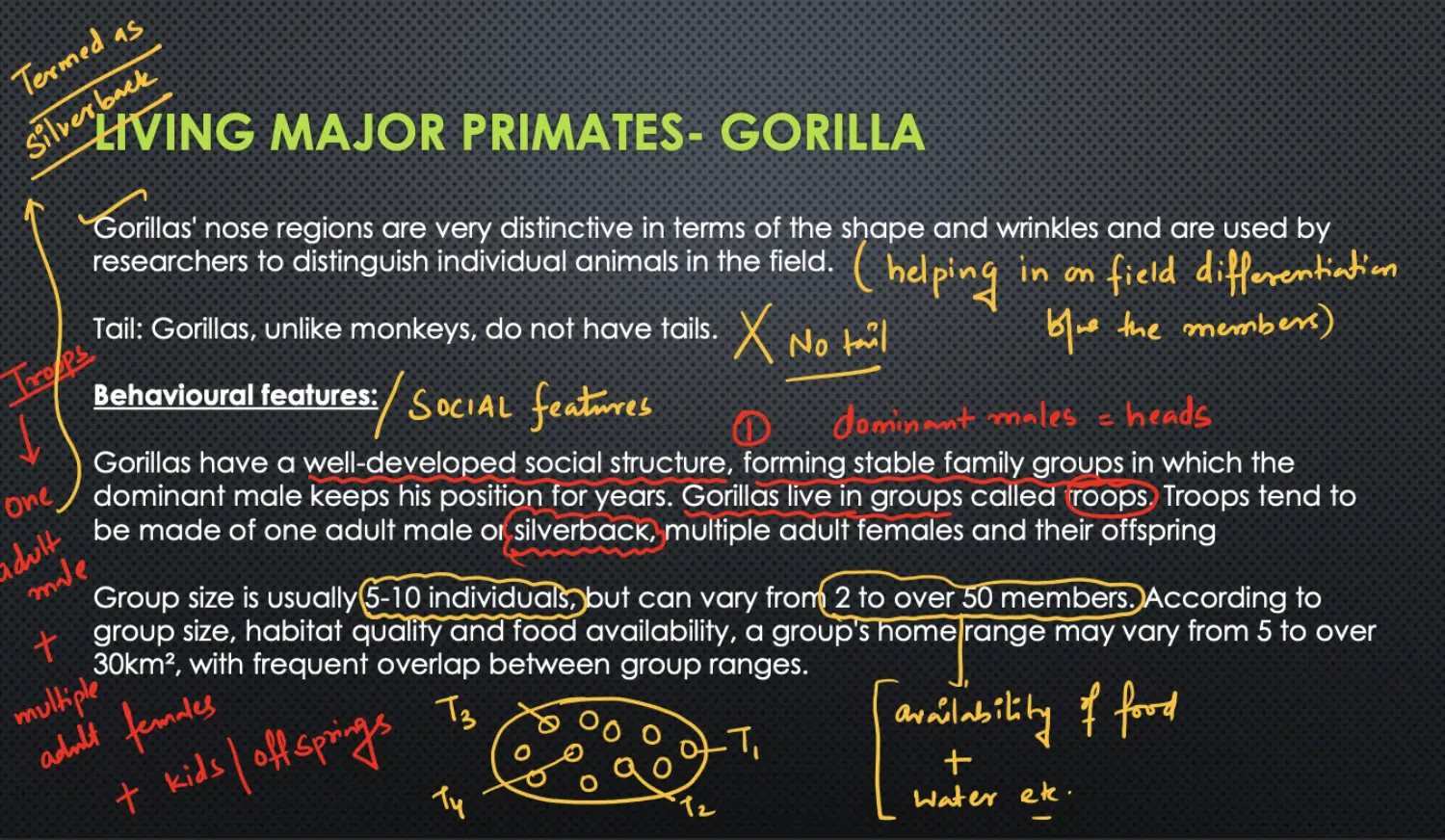
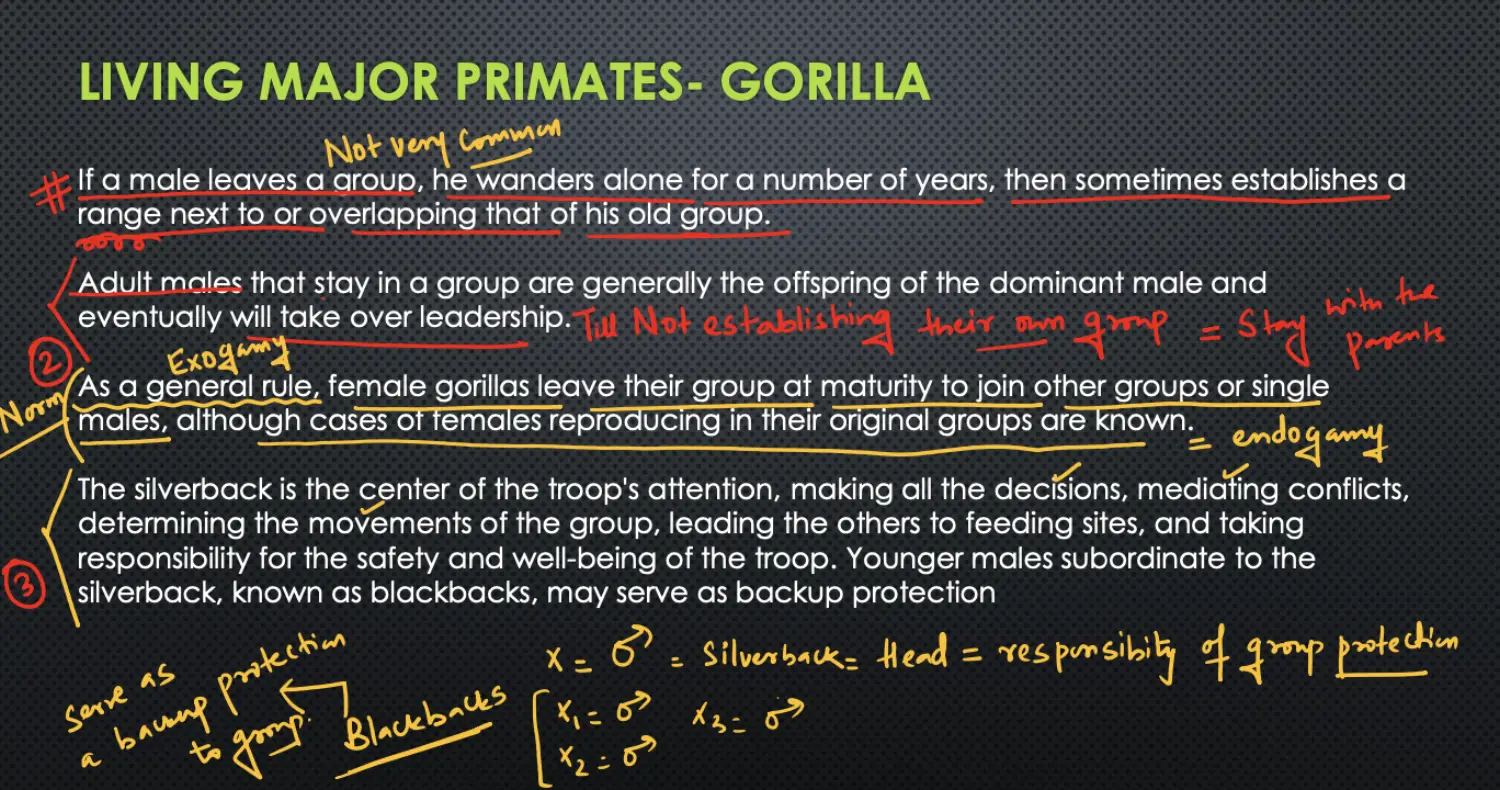
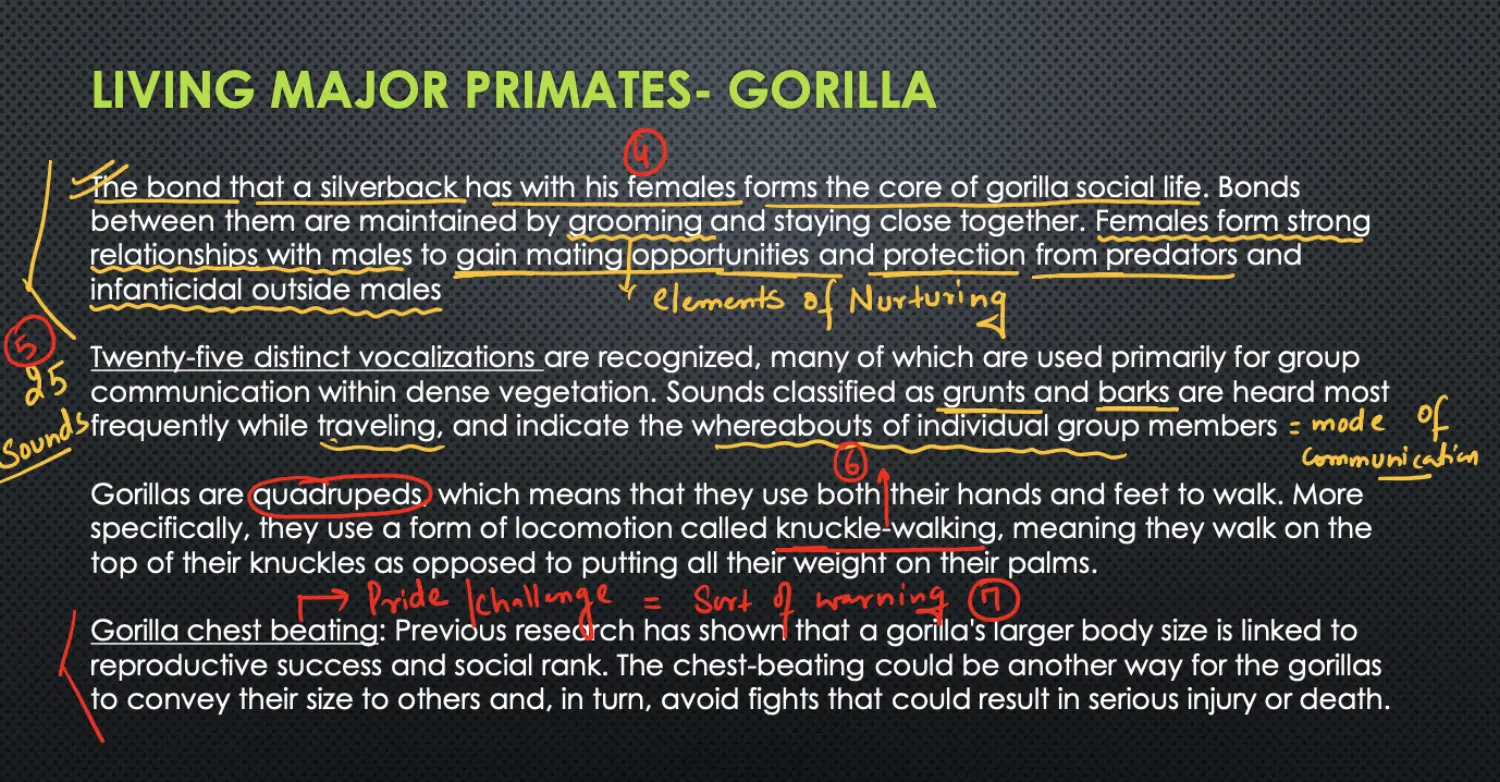
- Prognathic Mandible
- No Flatness of Skull
- Arms Longer and Legs Shorter - Opposite to that of adult humans
- Protruding / Extended Abdomen
- Prominent Crust
- Have Unique Fingerprints and Toe Prints like Humans
- Have Nails instead of Claw
Chimpanzee
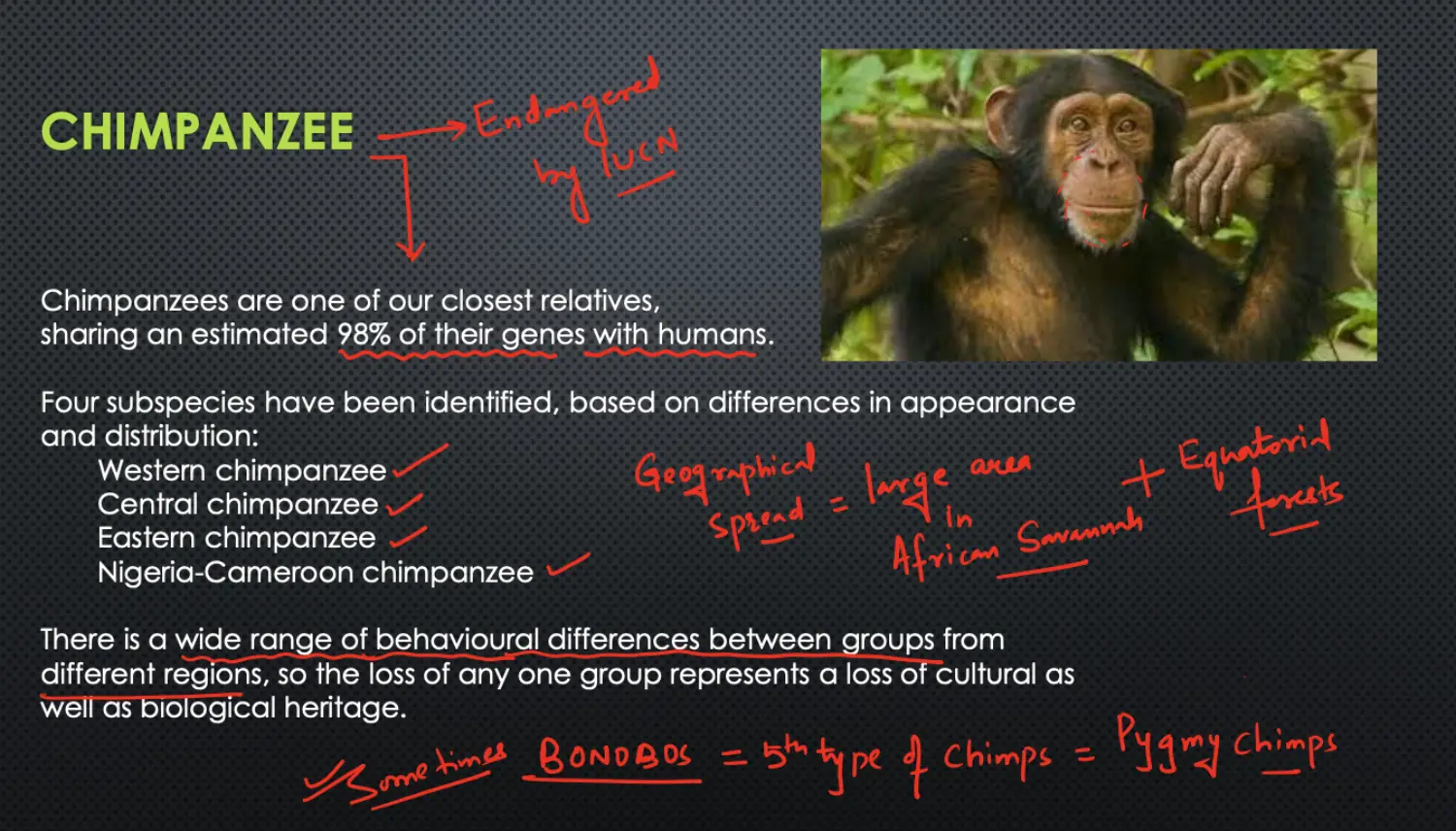
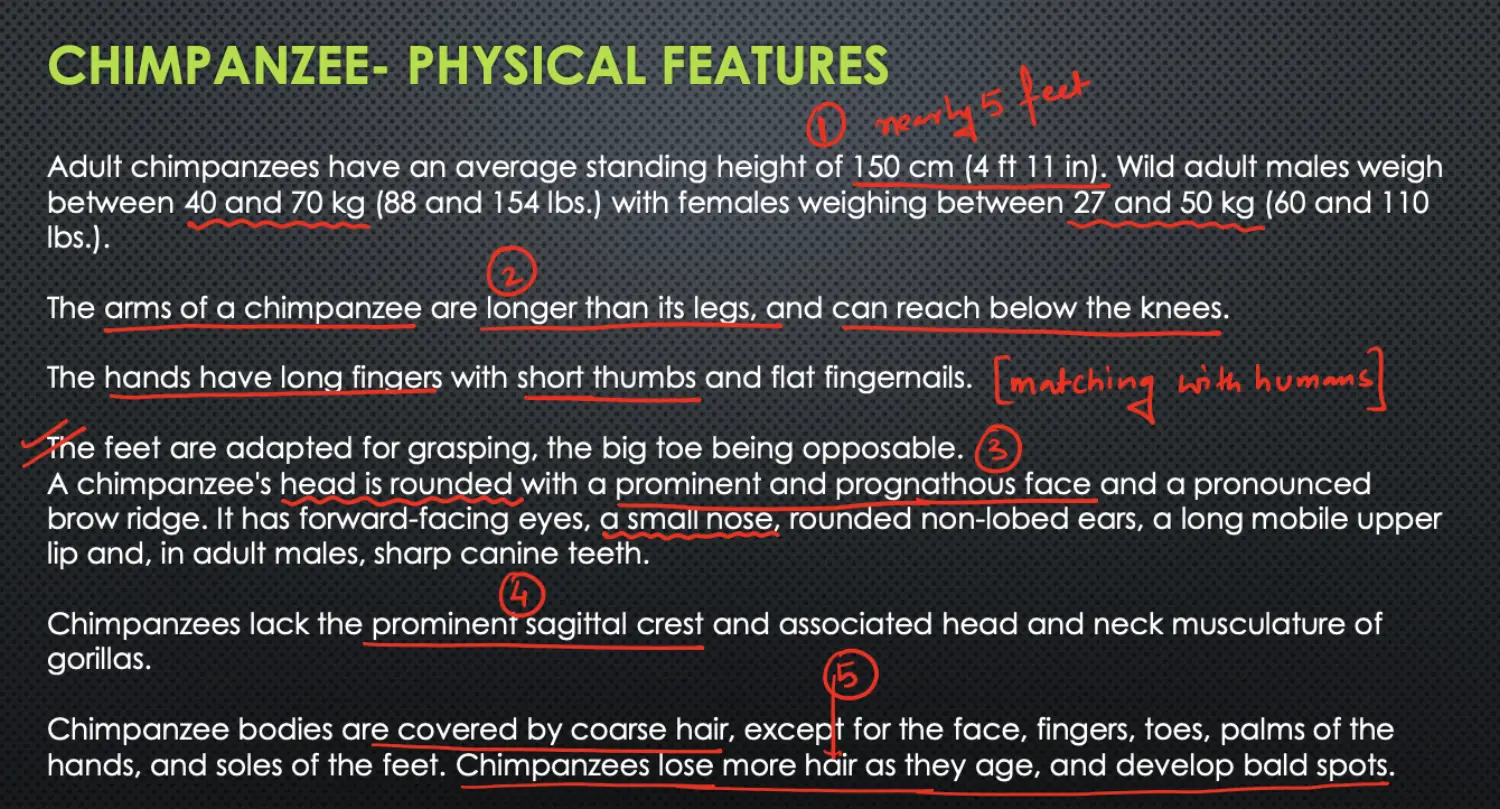
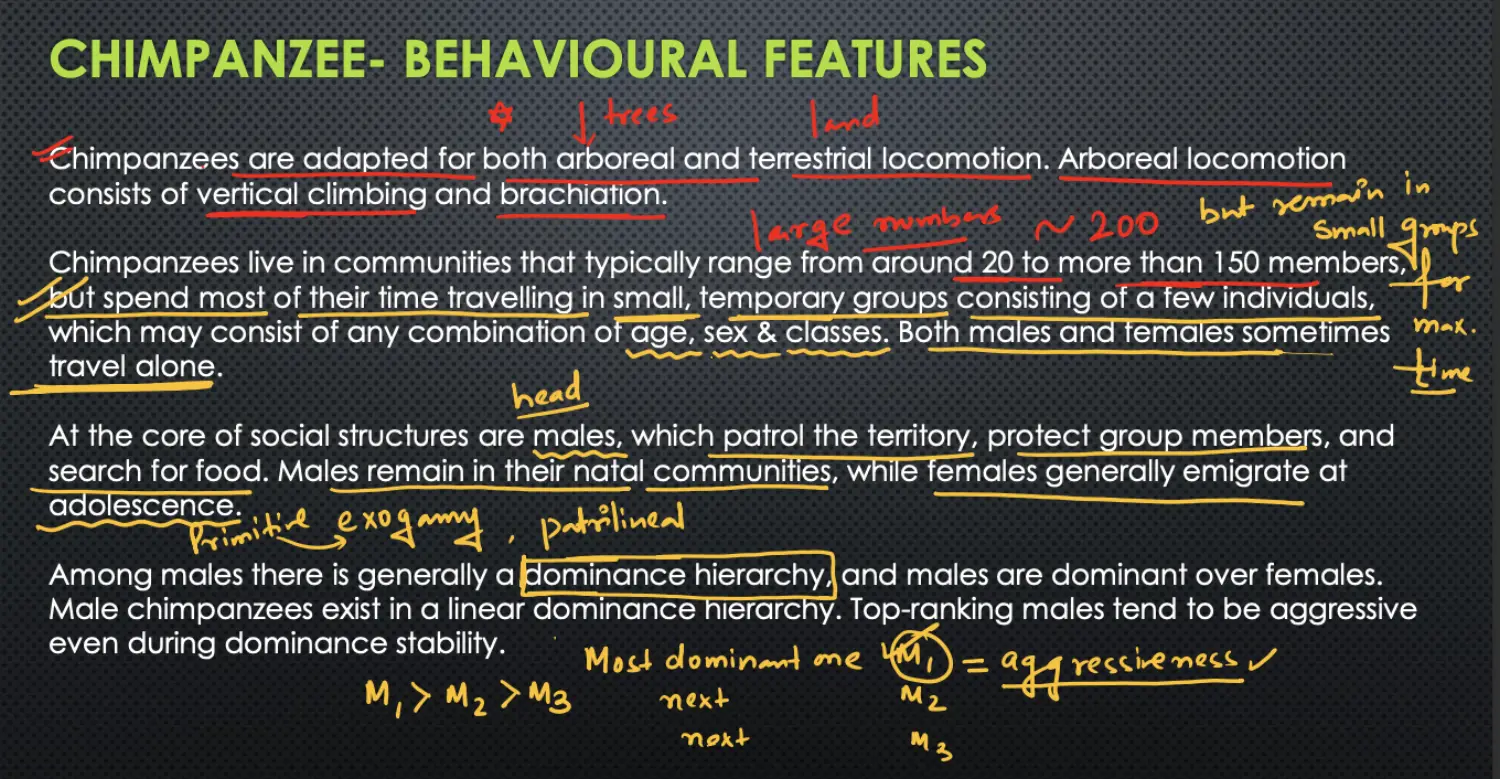
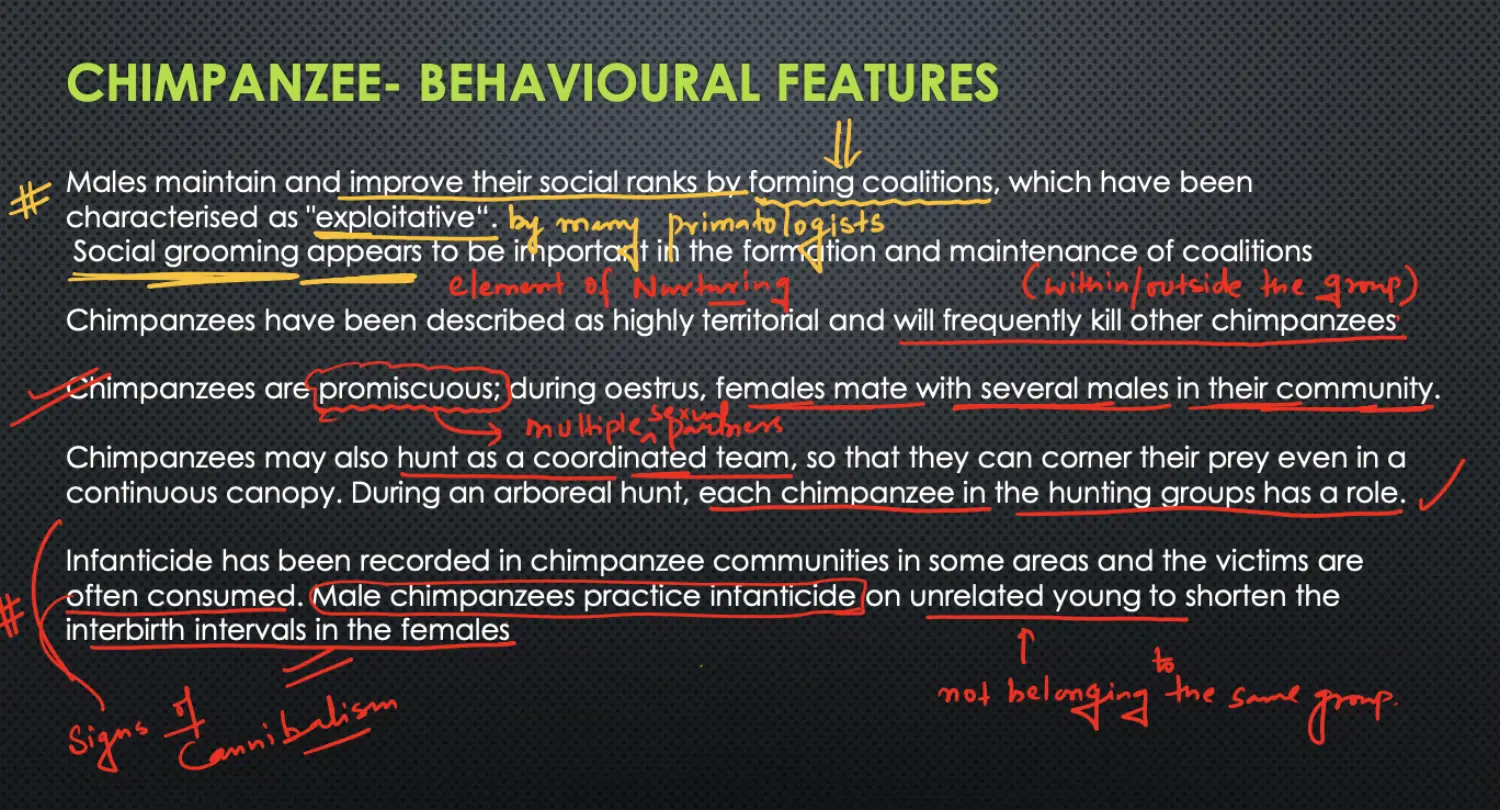
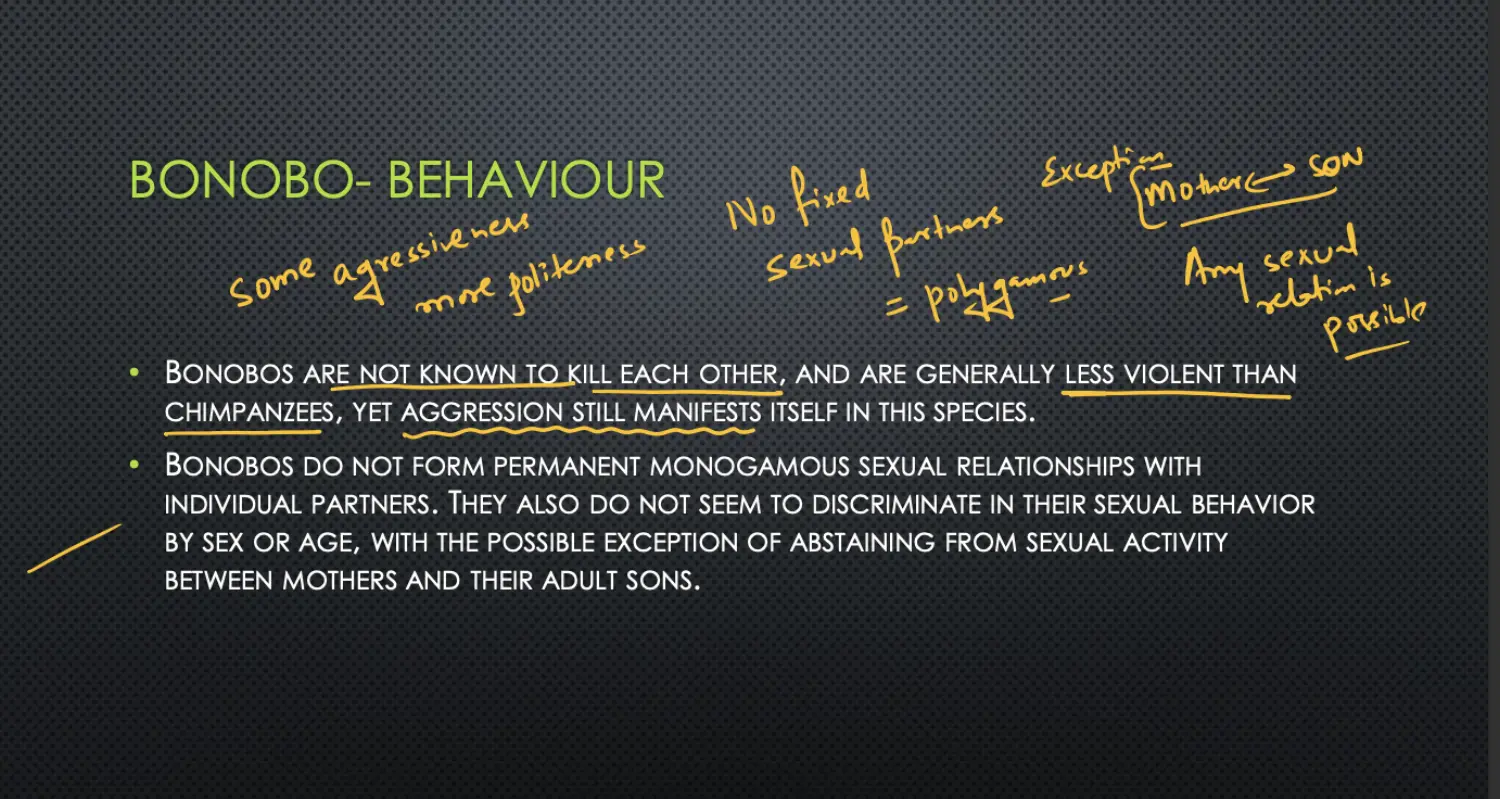
Promiscuos - Multiple Sexual Partners
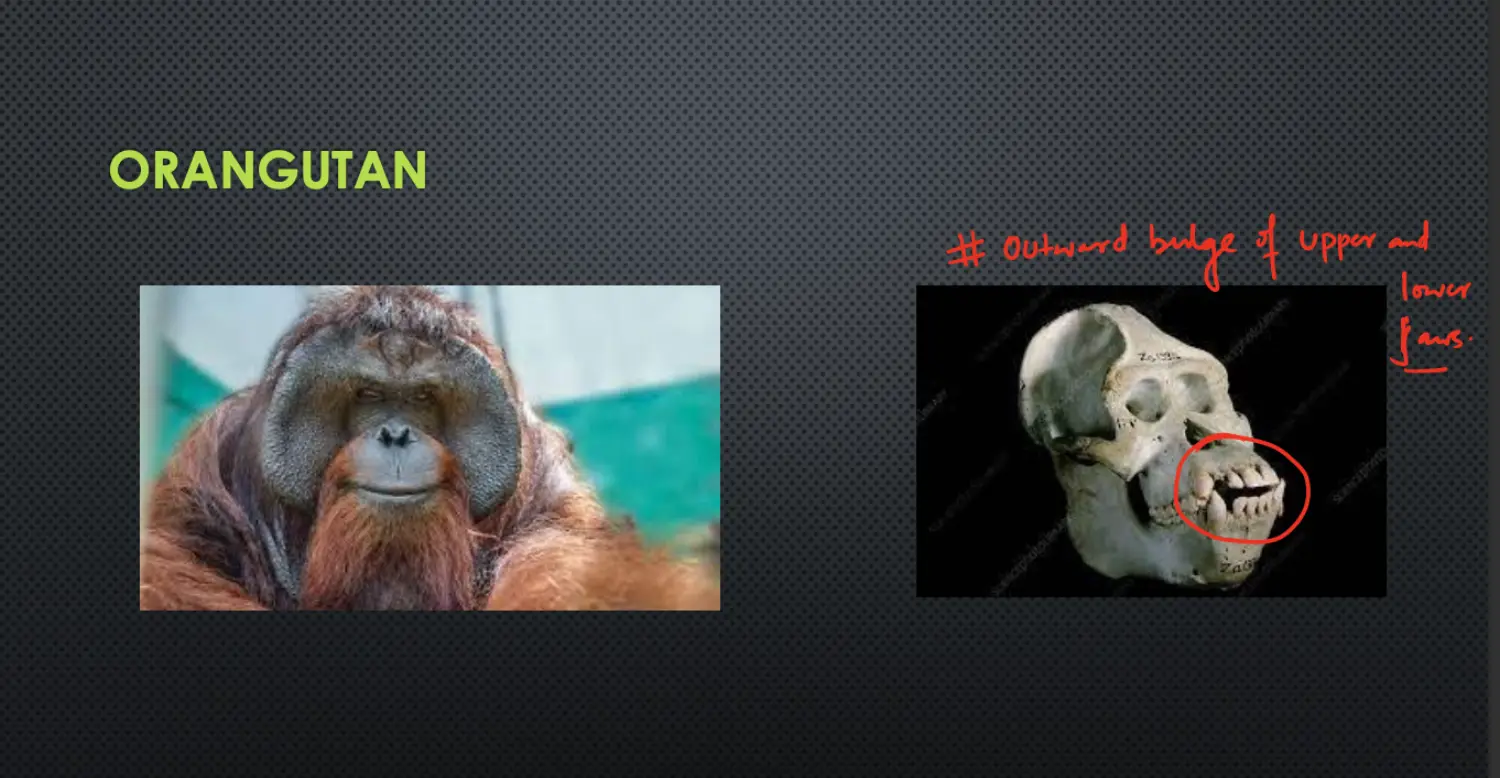
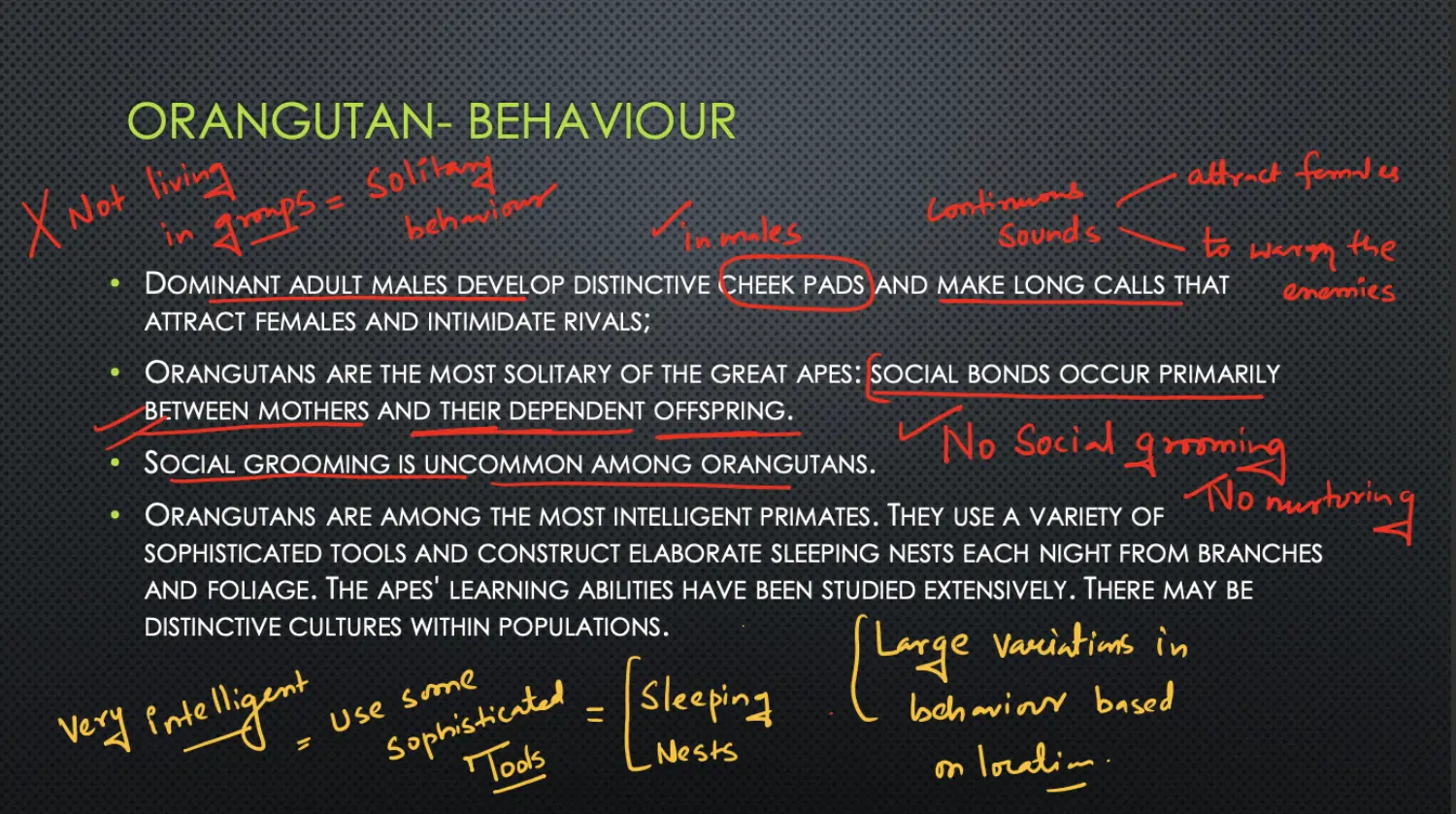
Orangutan
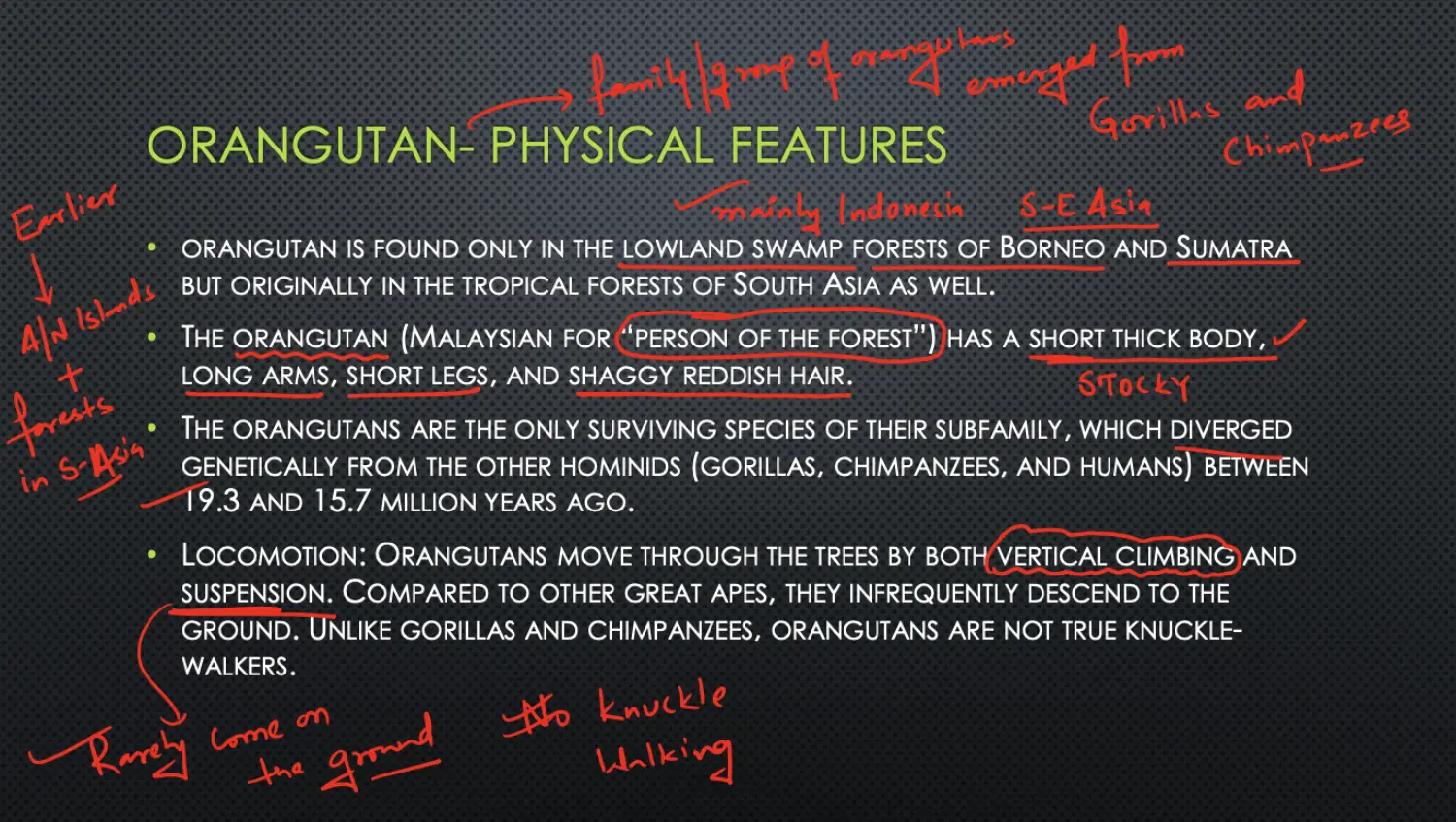
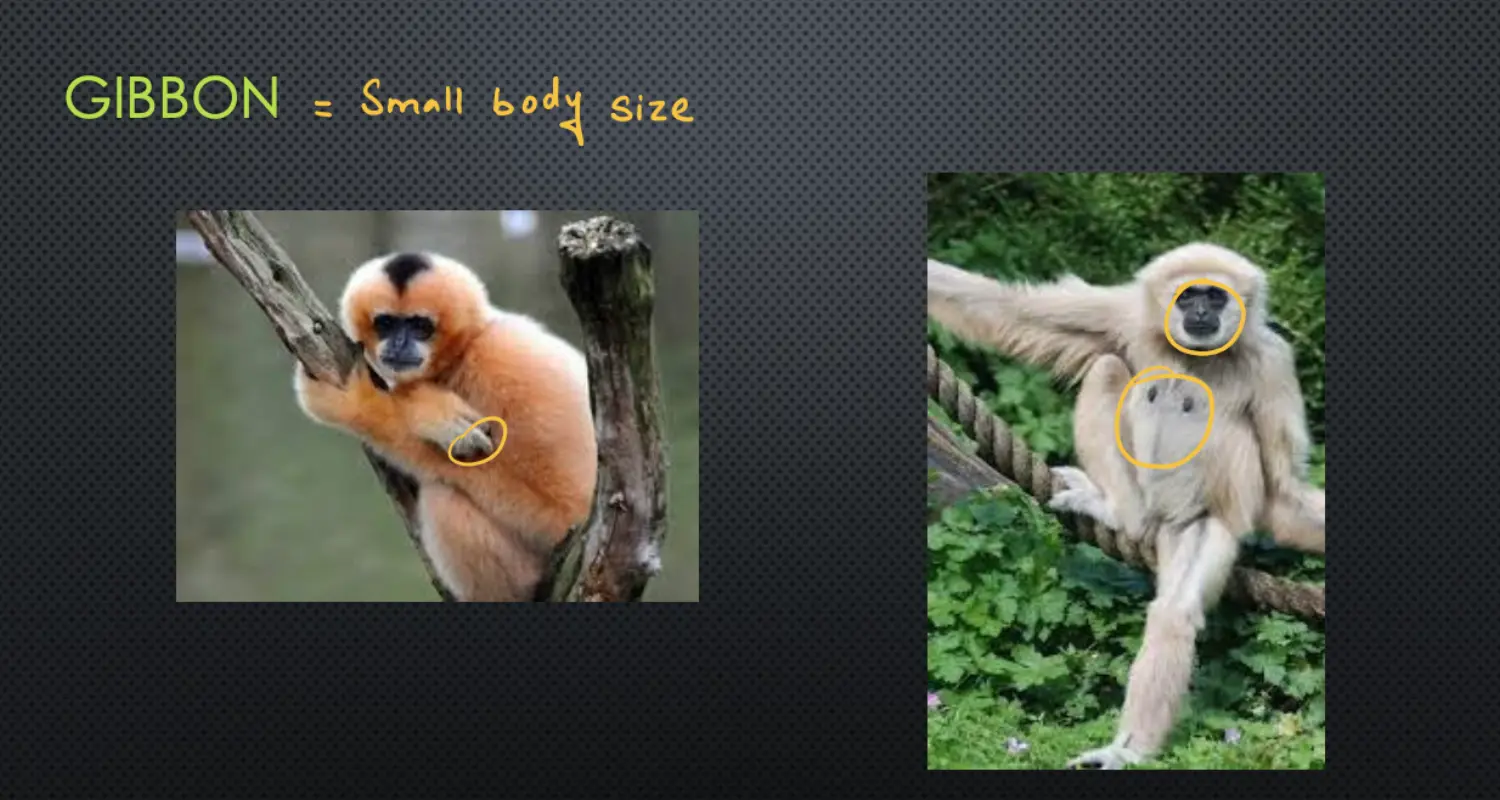
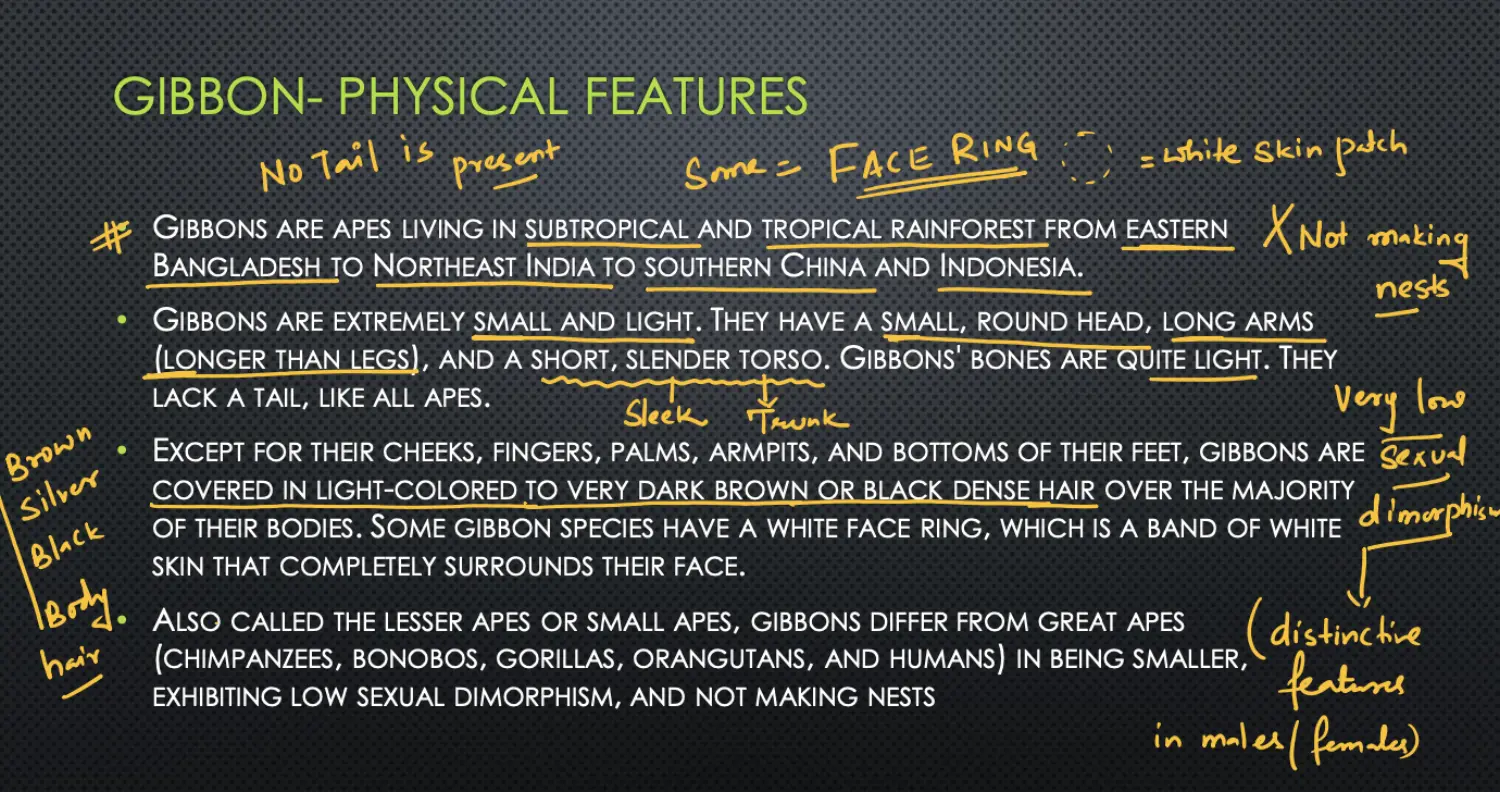
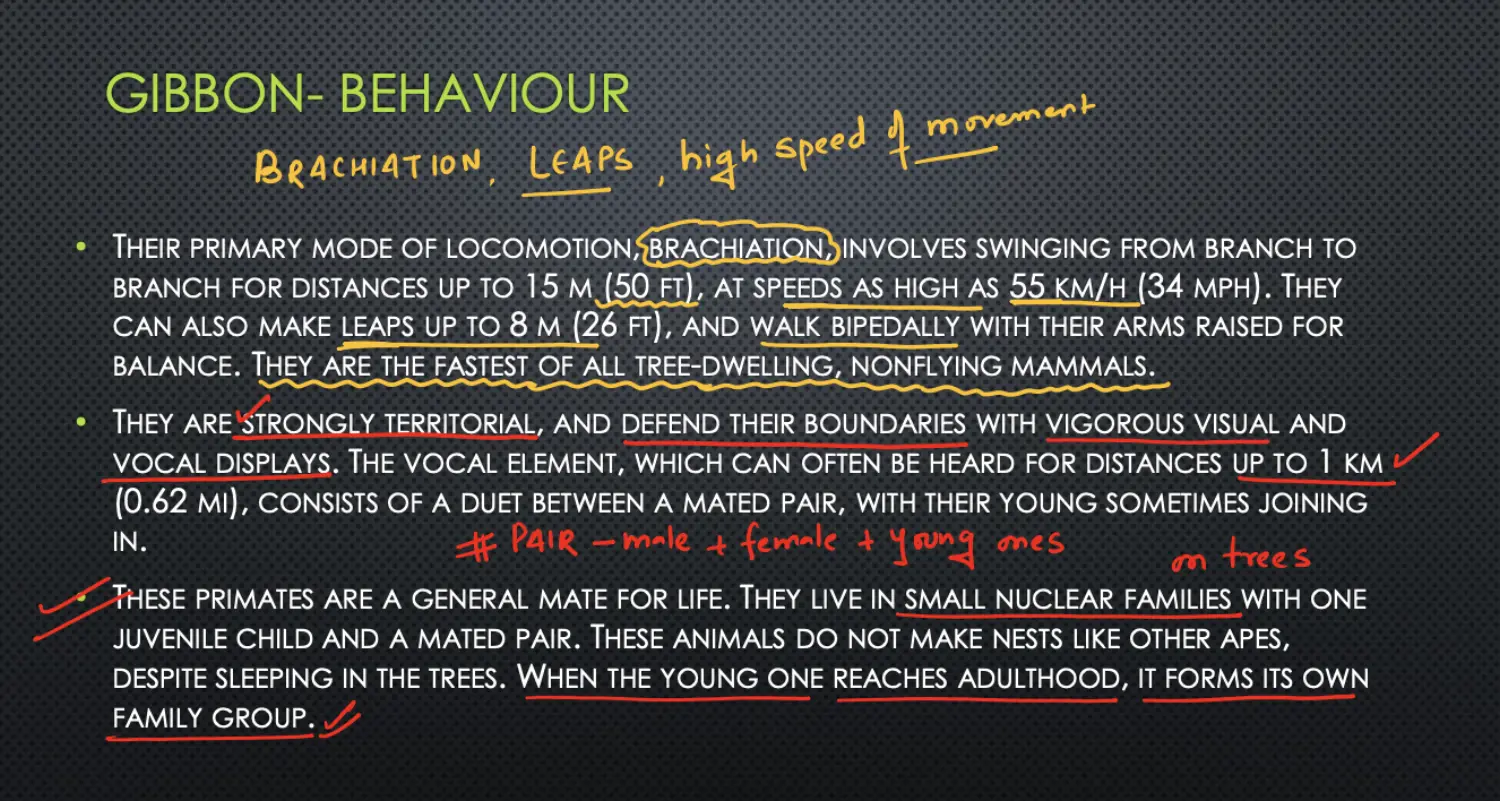
Gibbon
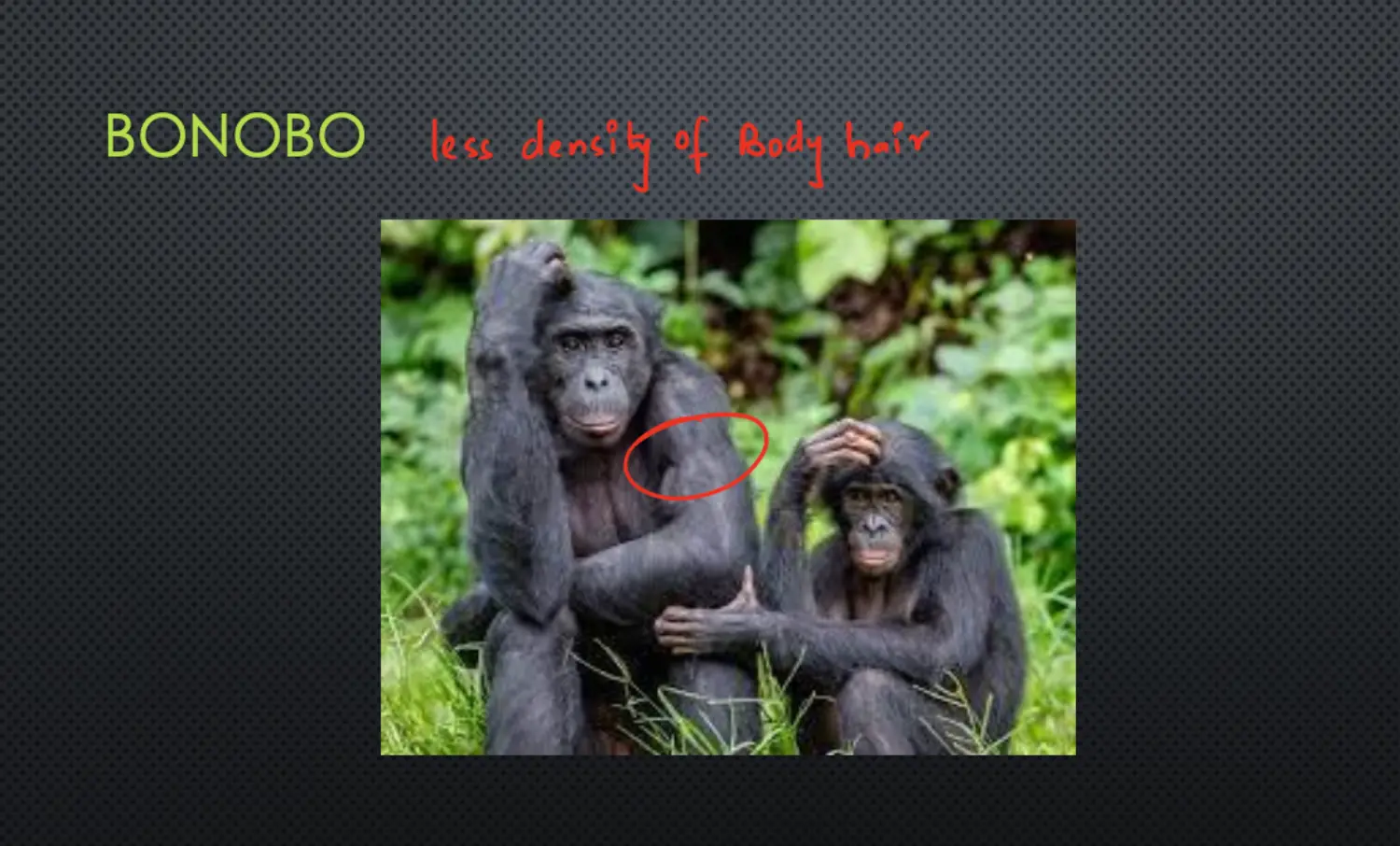
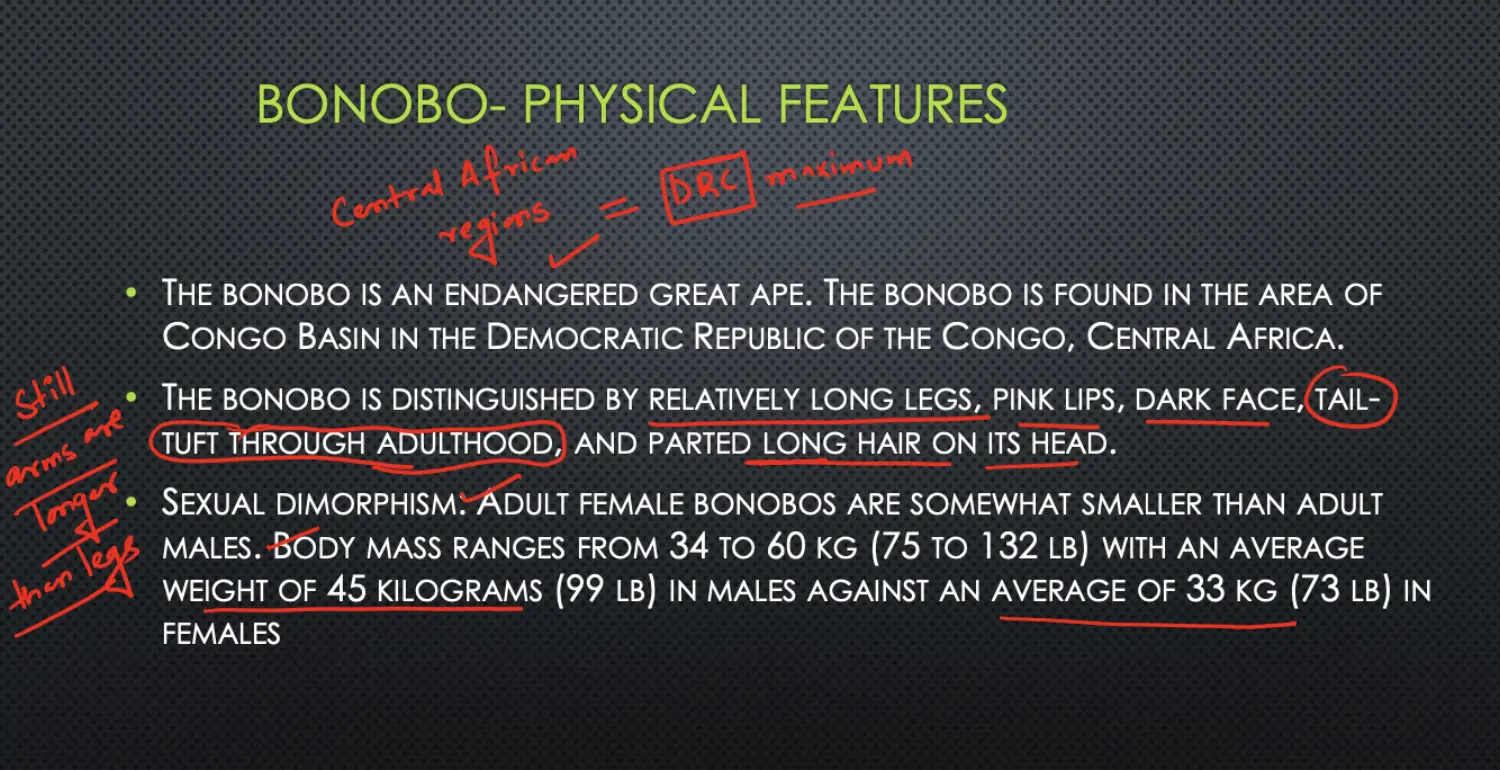
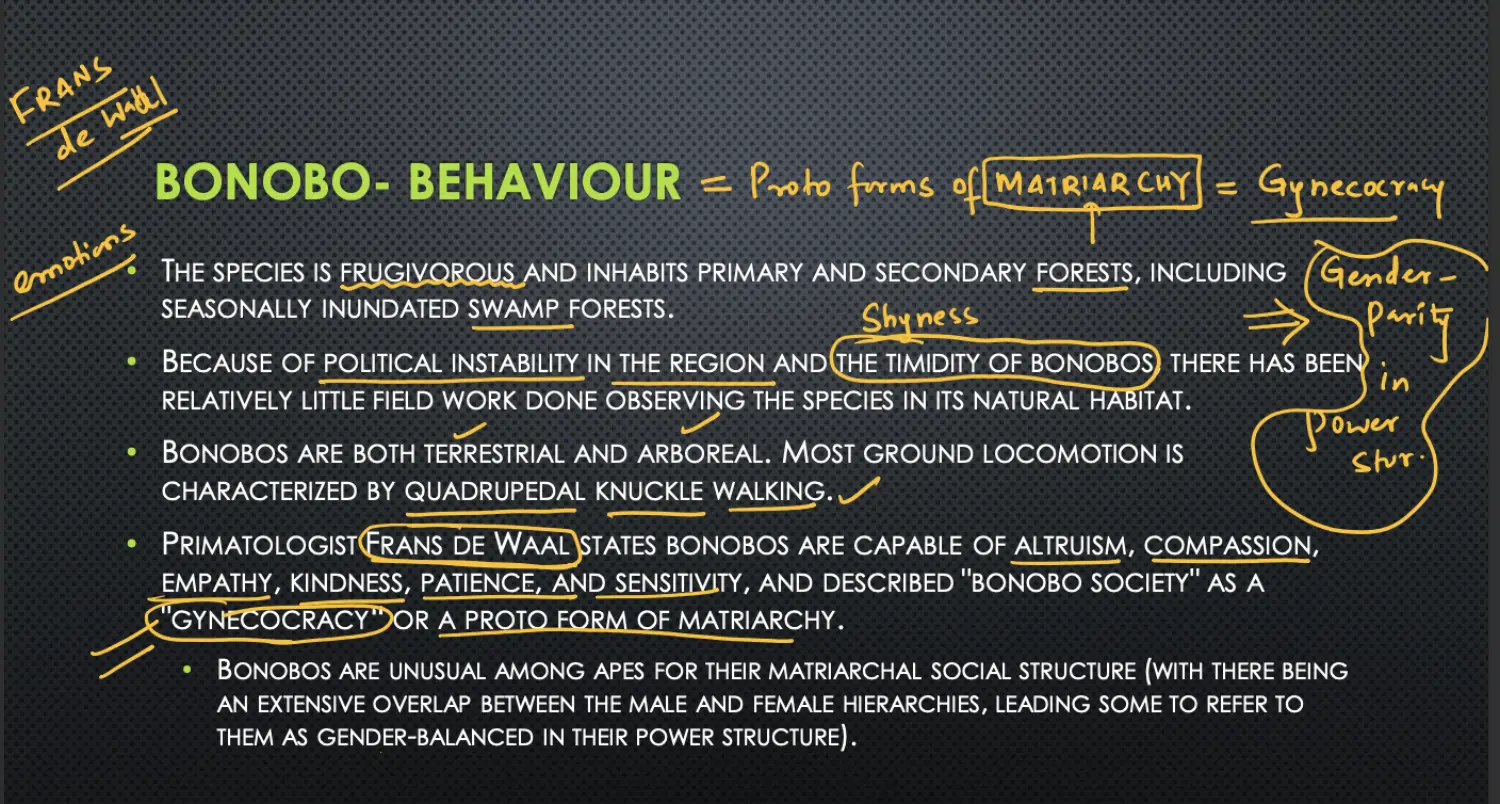
Bonobo
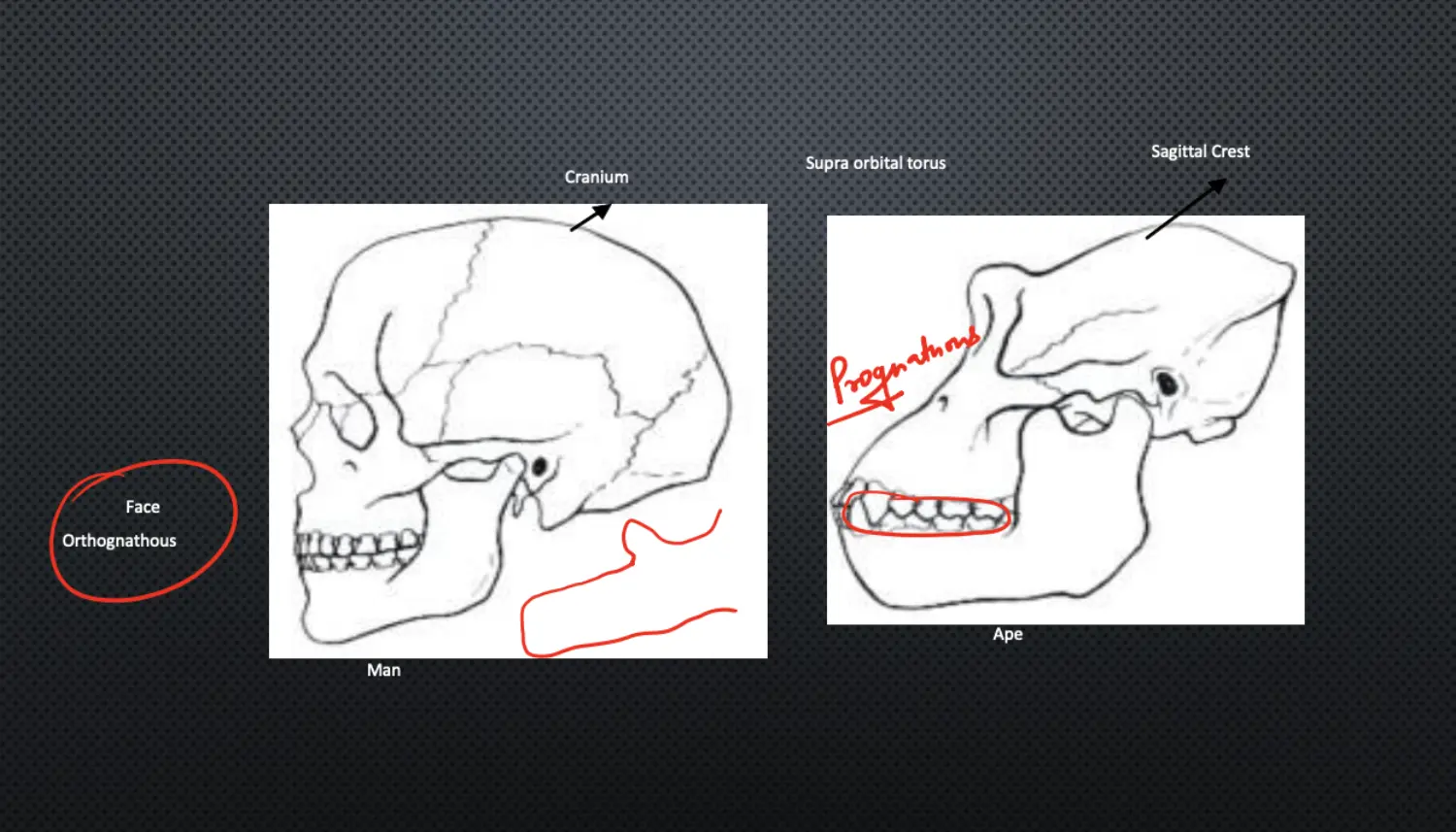
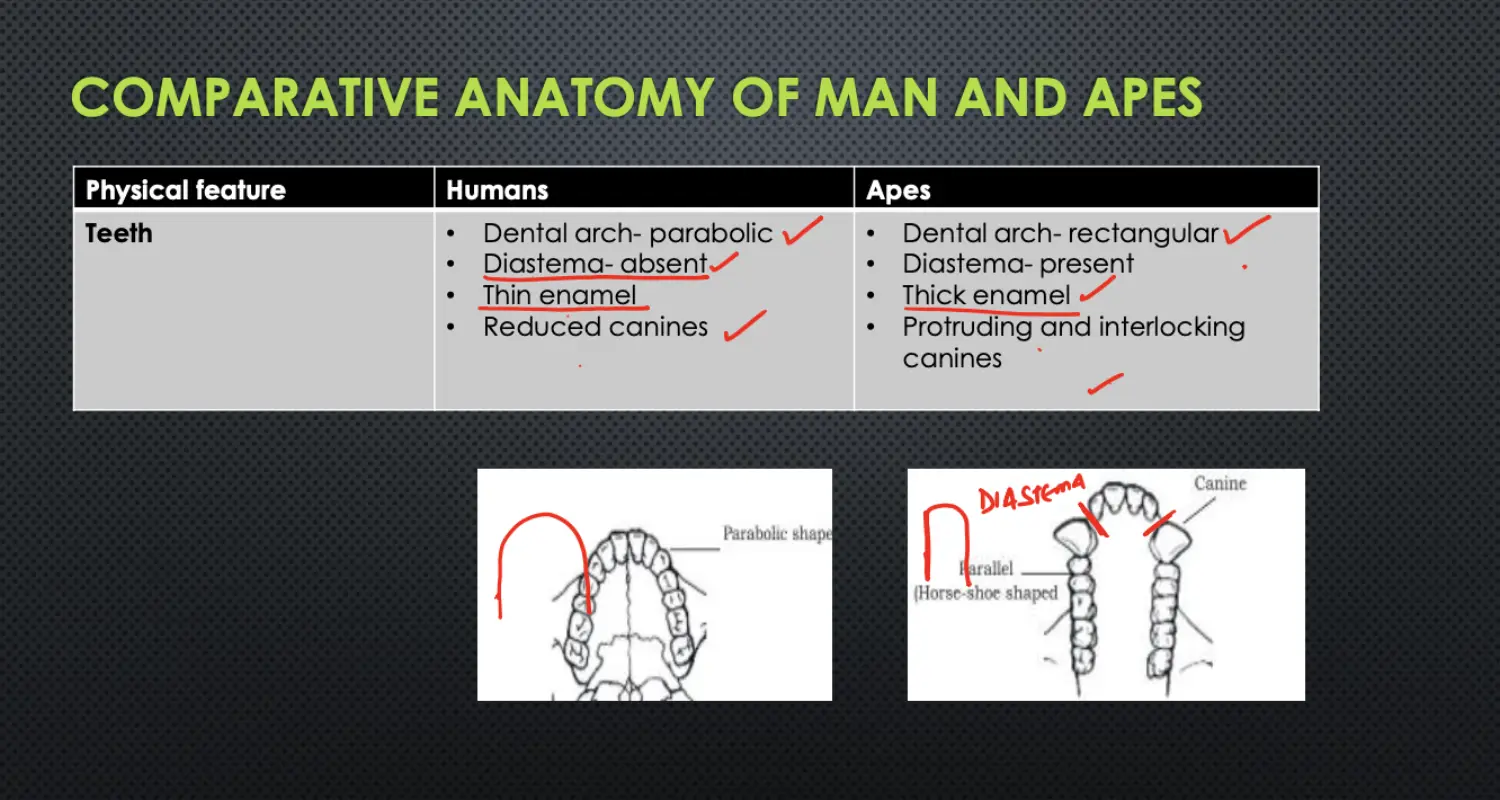
Comparative Anatomy of Man & Apes
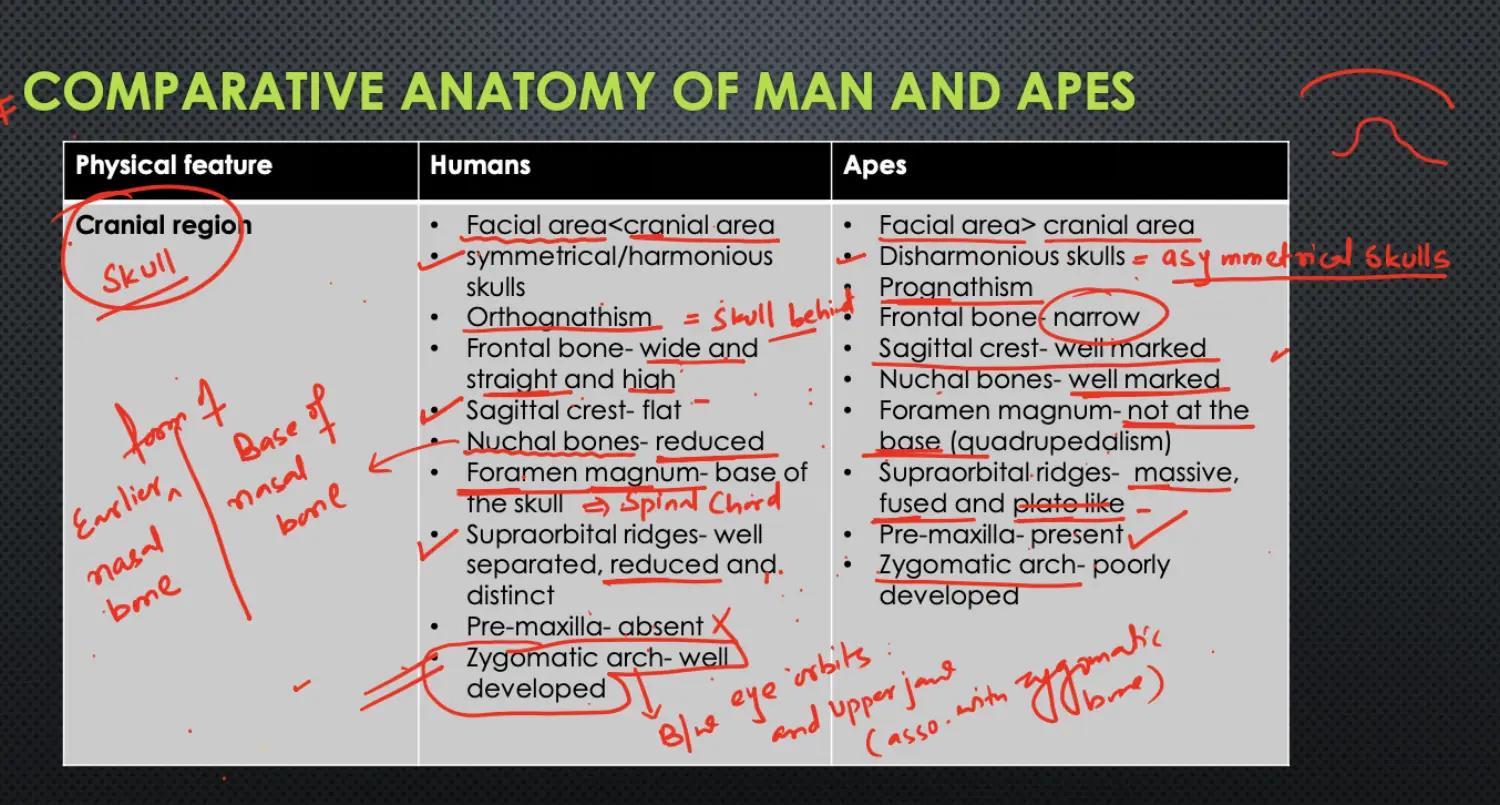
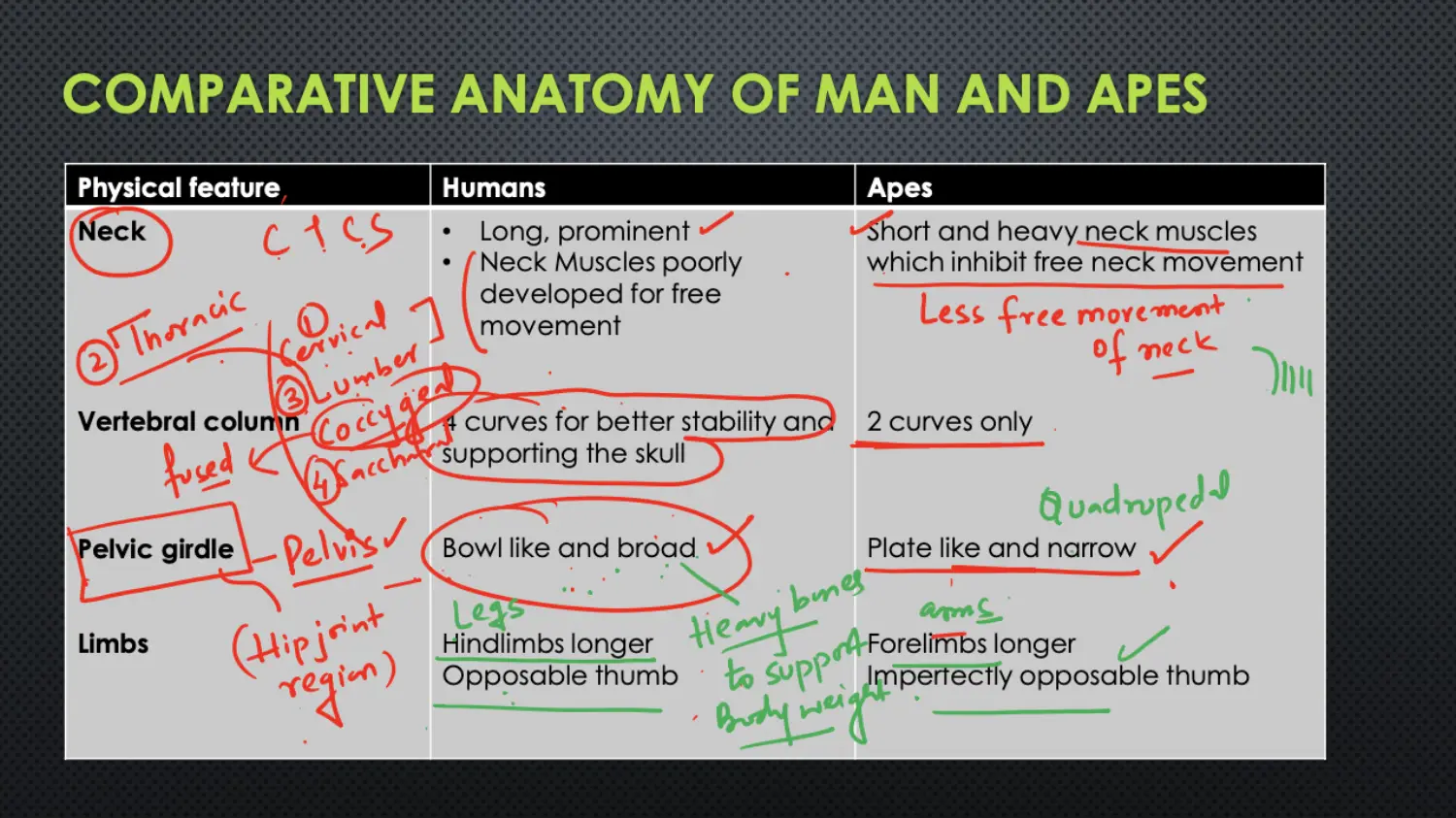
Coccygeal is Fused
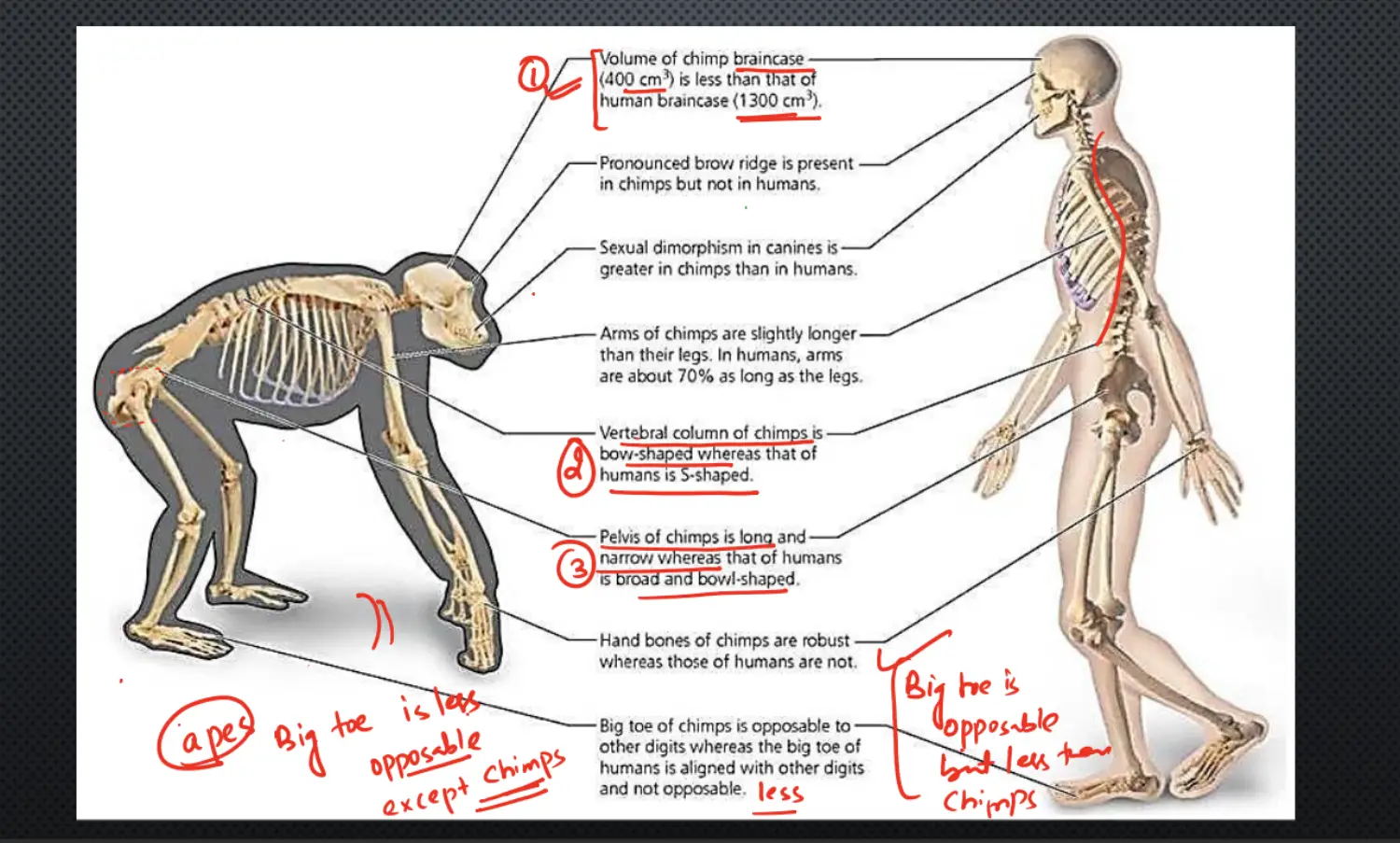
In Apes Big Toe in less opposable except Chimpanzee
In Humans the Big Toe is More Opposable than Apes but Less than Chimpanzee
Human v/s Other Apes - Human More Opposable
Human v/s Chimpanzee - Chimp More Opposable
Opposable Scale in Increasing Order
Apes < Humans < Chimpanzee
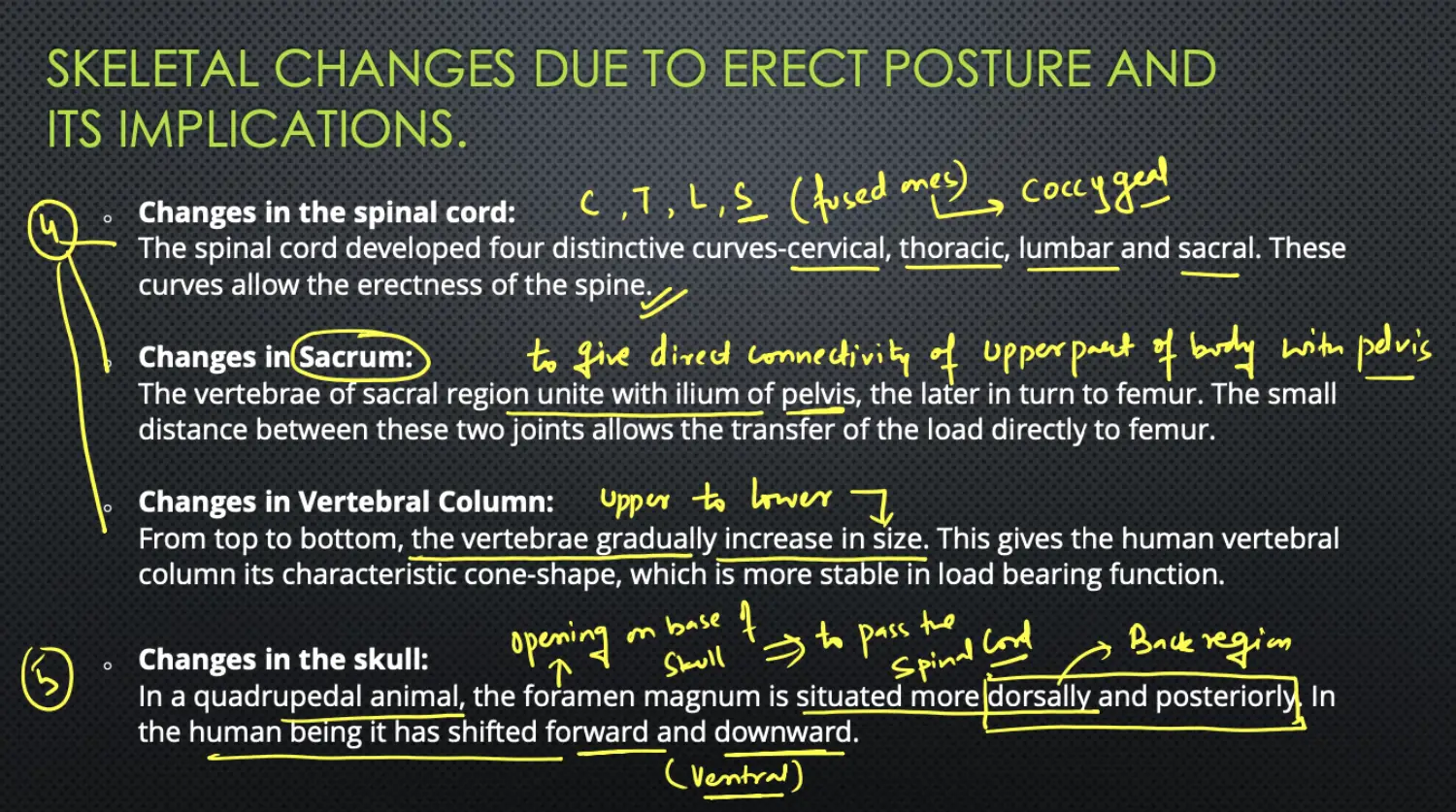
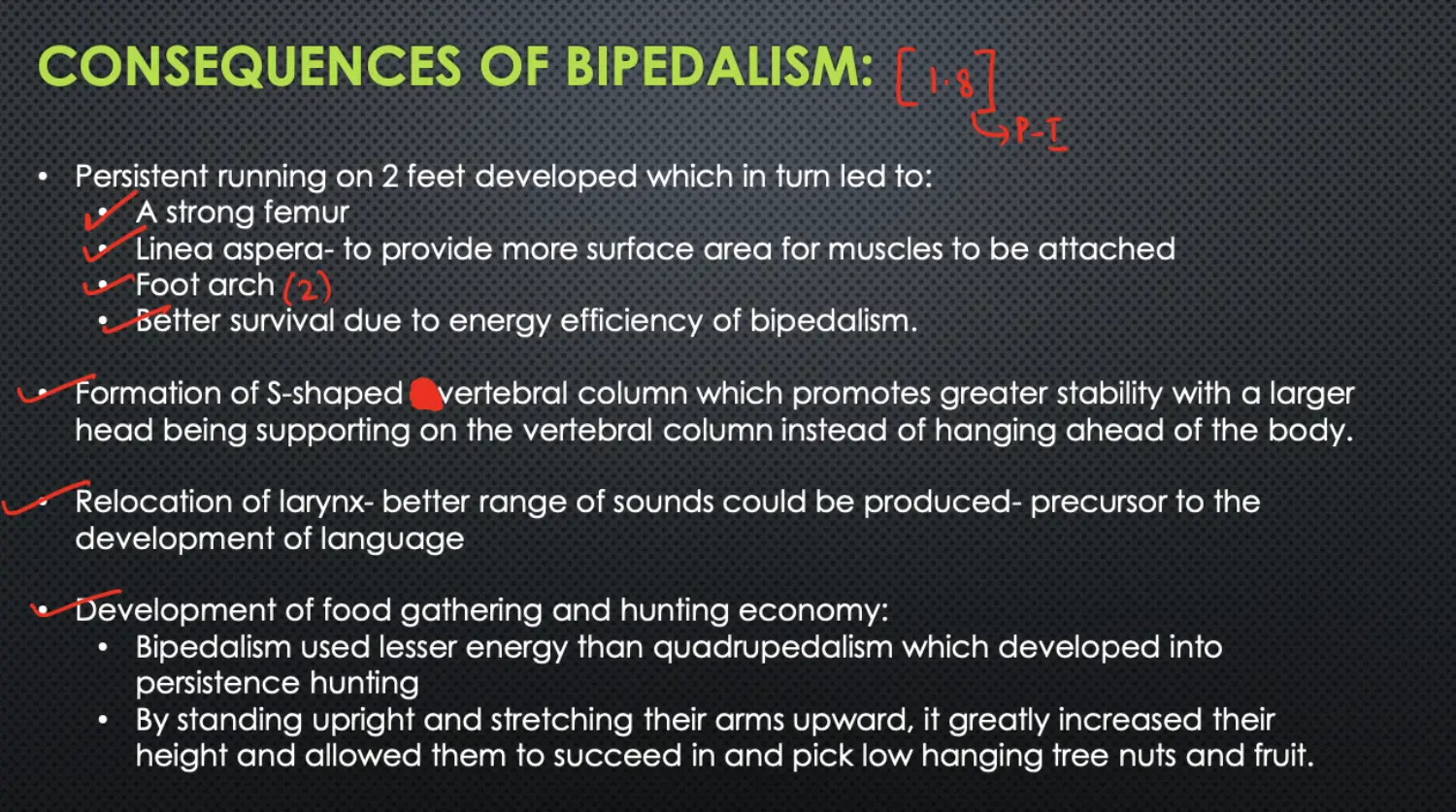
Skeletal Changes Due to Erect Posture and Its Implications
Physiological Changes
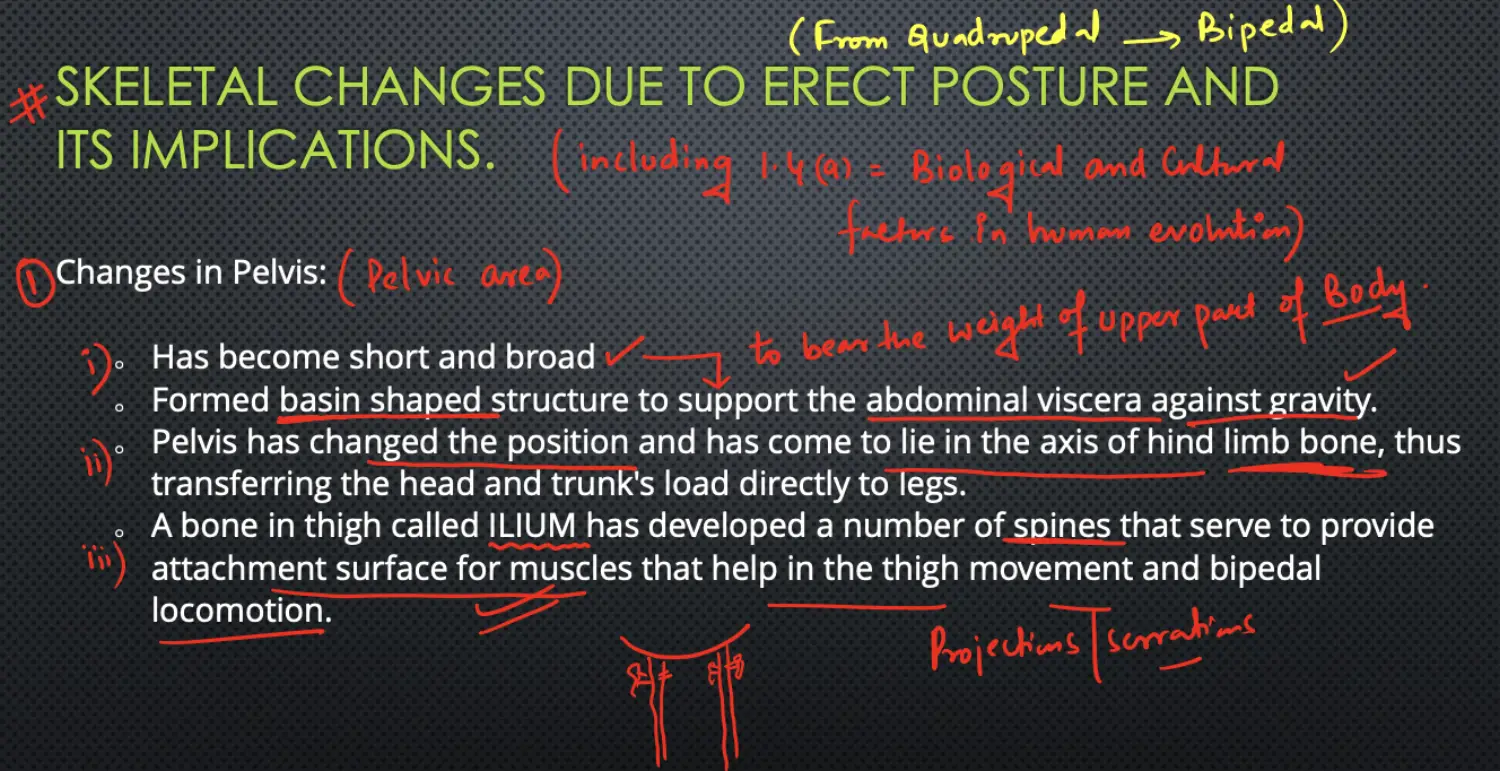
Changes in Pelvis
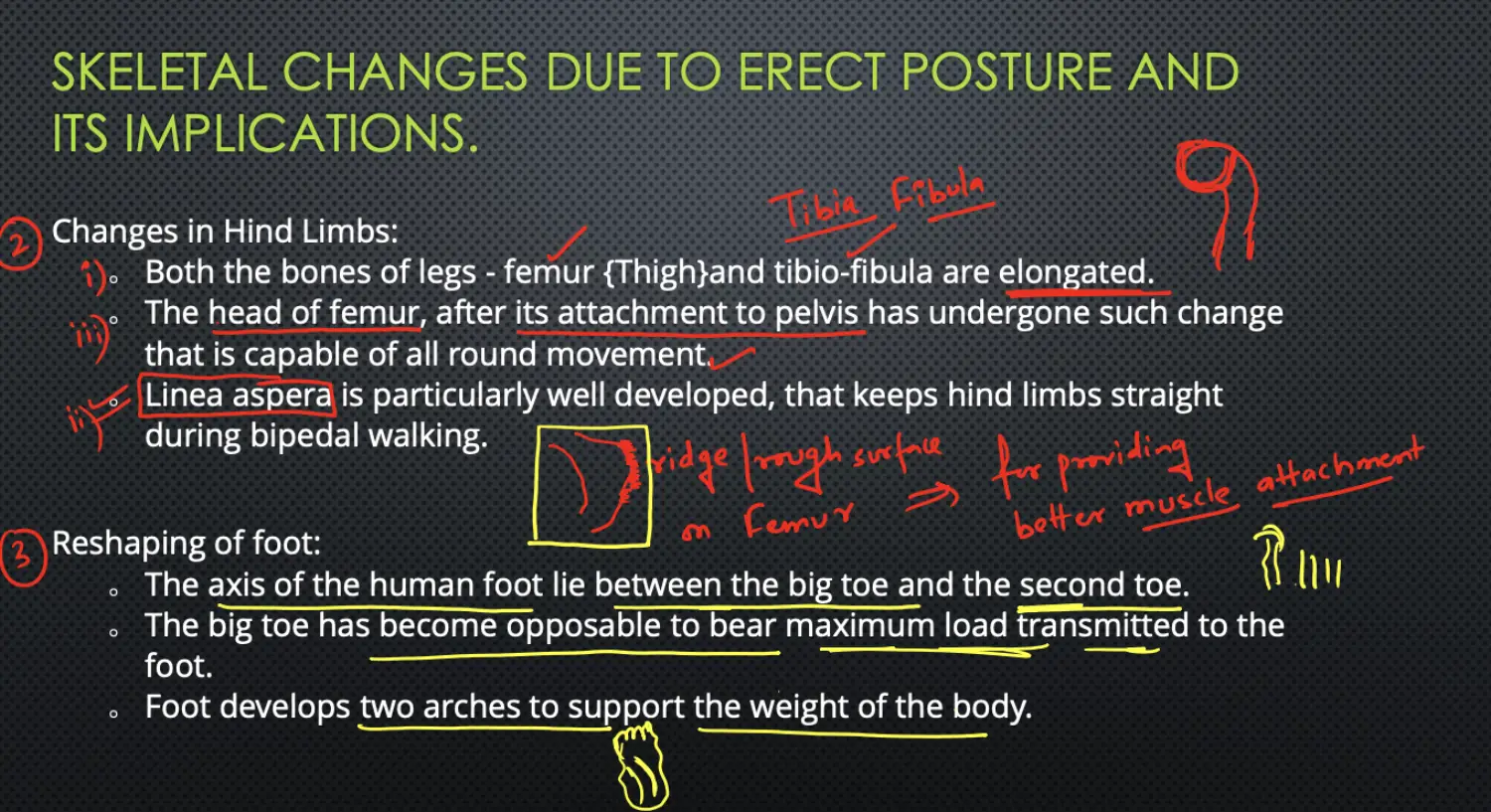
Changes in Hindlimbs & Re Shaping of Foot
Linea Aspera is a Rough Surface in the form of Ridge in Bones of Hind Limbs for Easy Attachment of Muscles
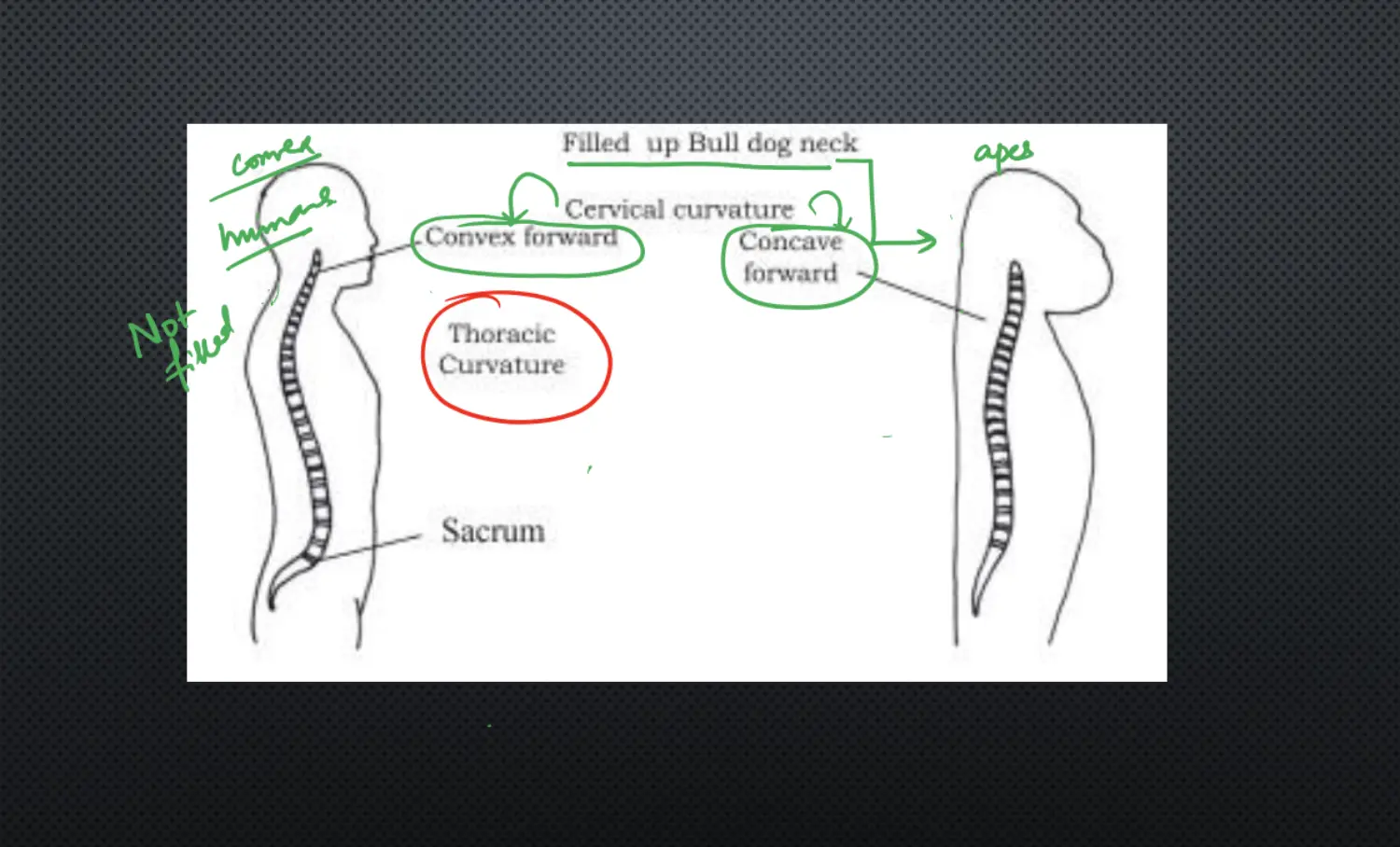
Changes in Spinal Cord, Sacrum & Vertebral Column
4 Different Cord Developed - C T L S
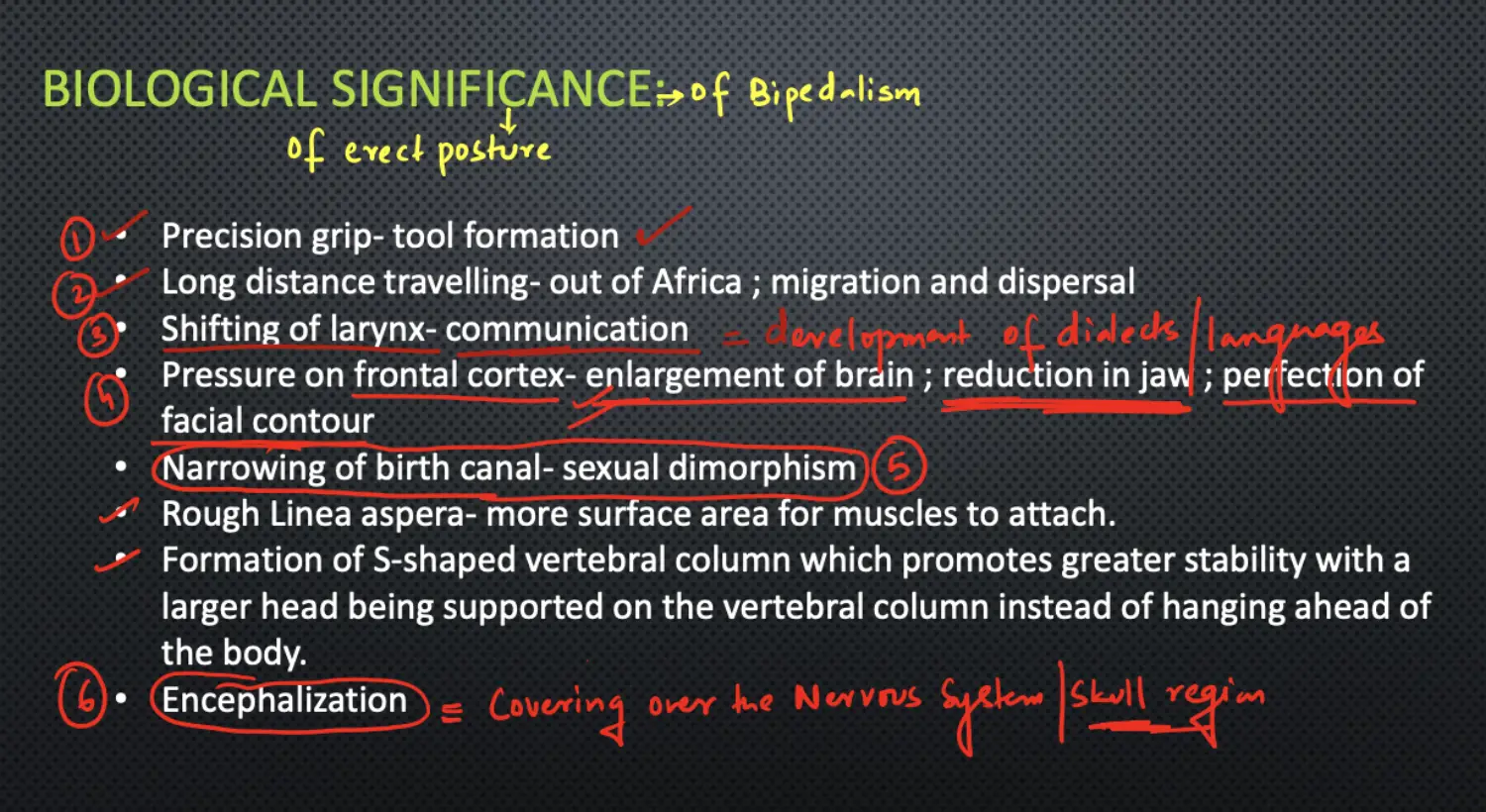
Biological Significance
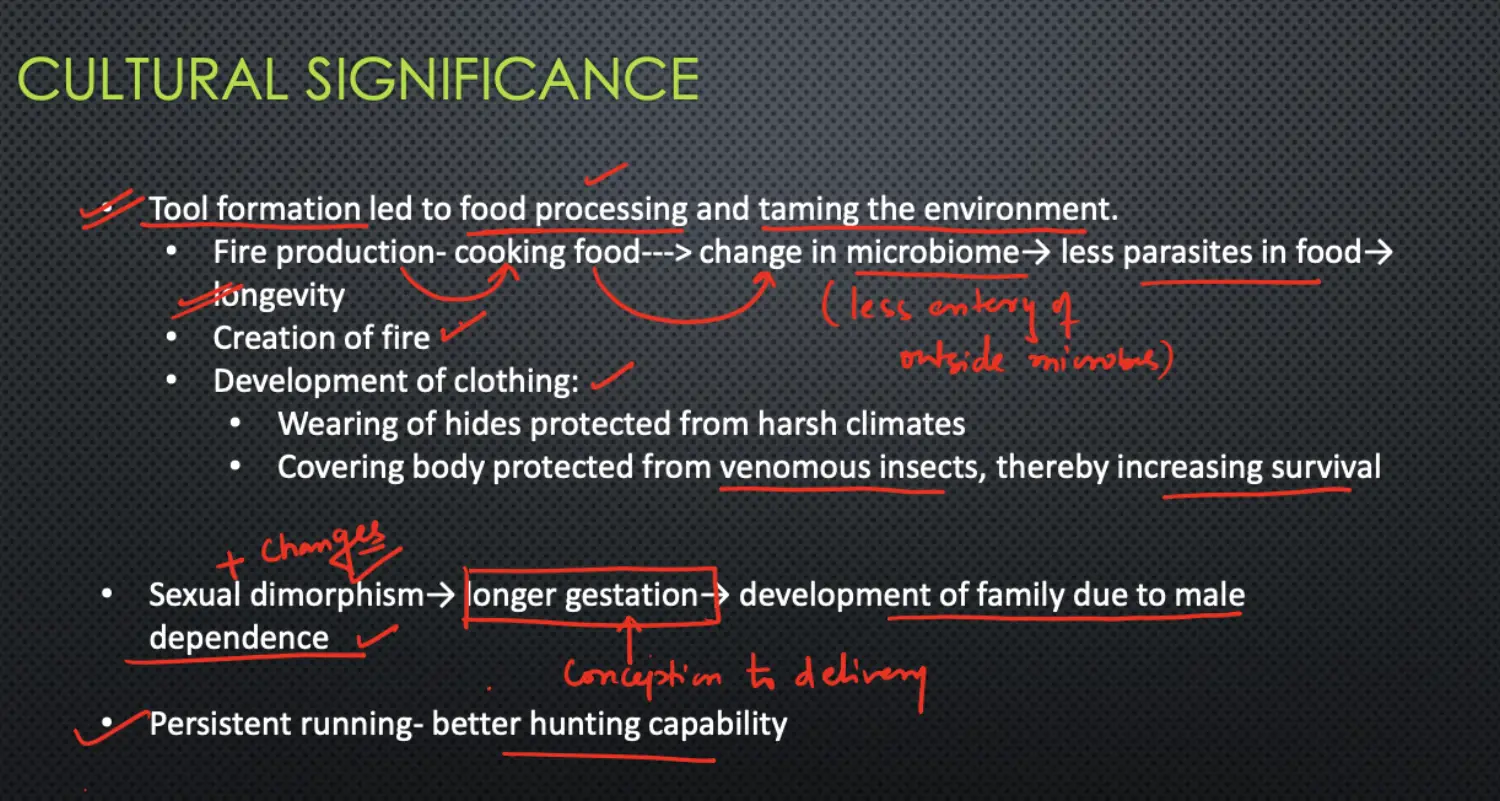
Cultural Significance & Development of Language
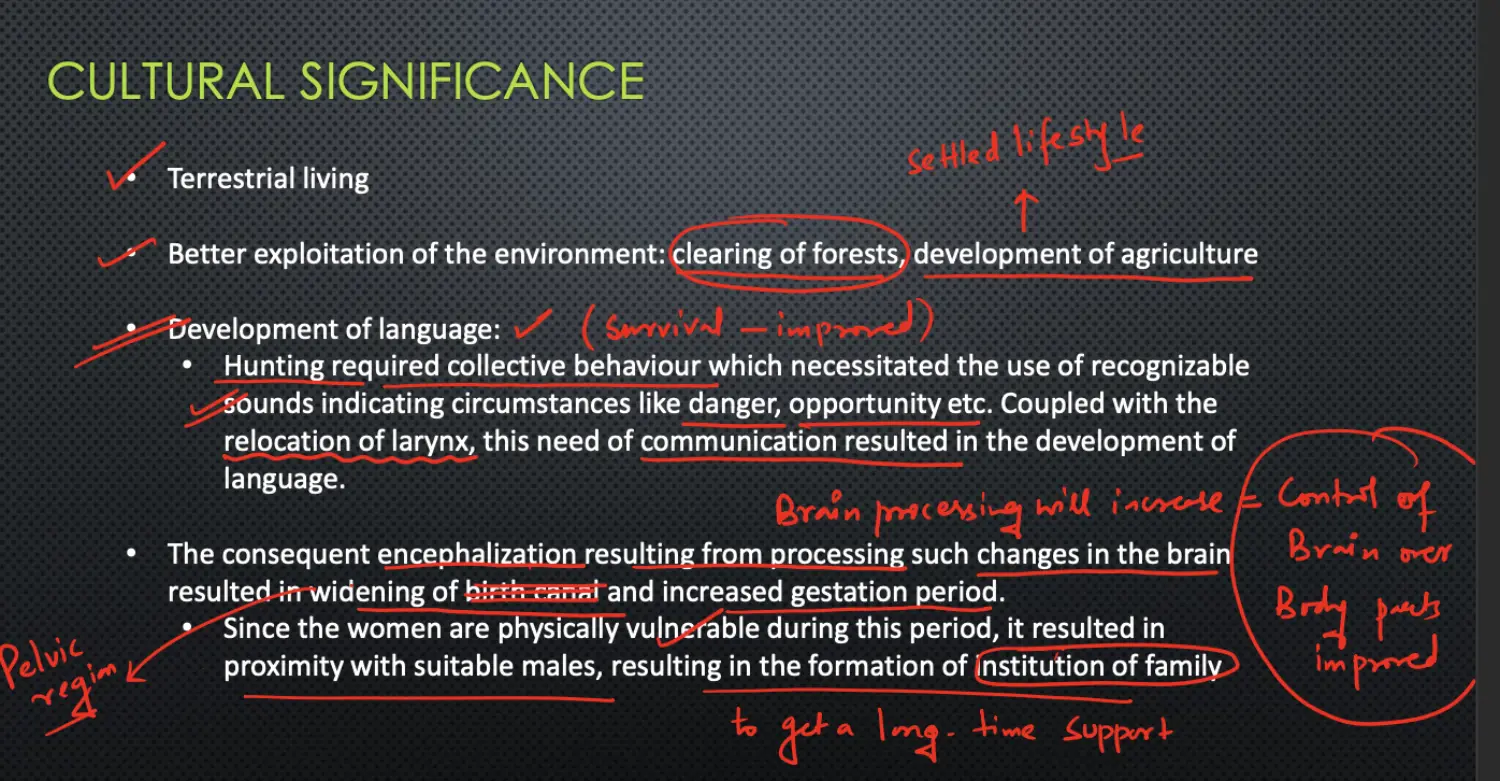
Consequences of Bipedalism
Factors Contributing to Human Evolution
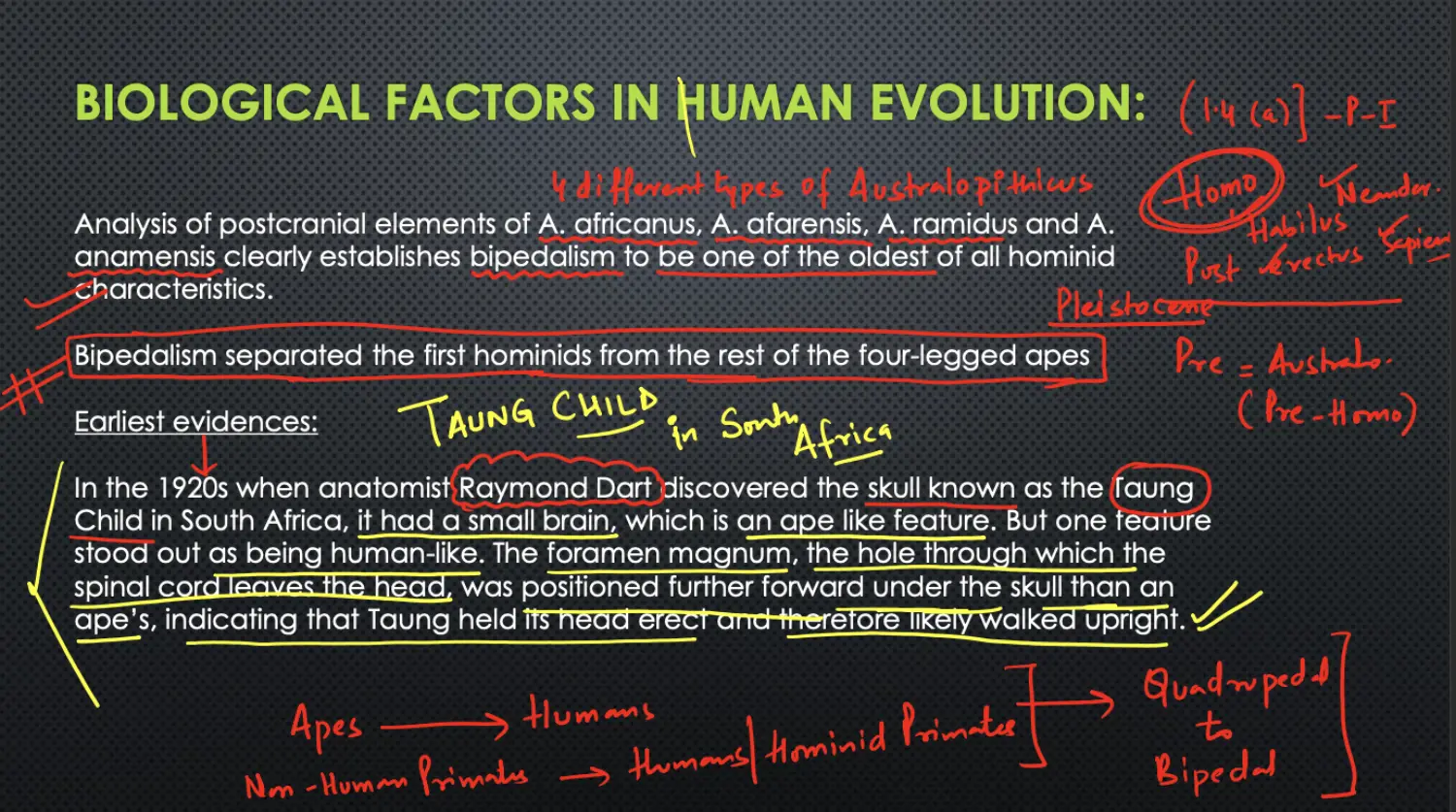
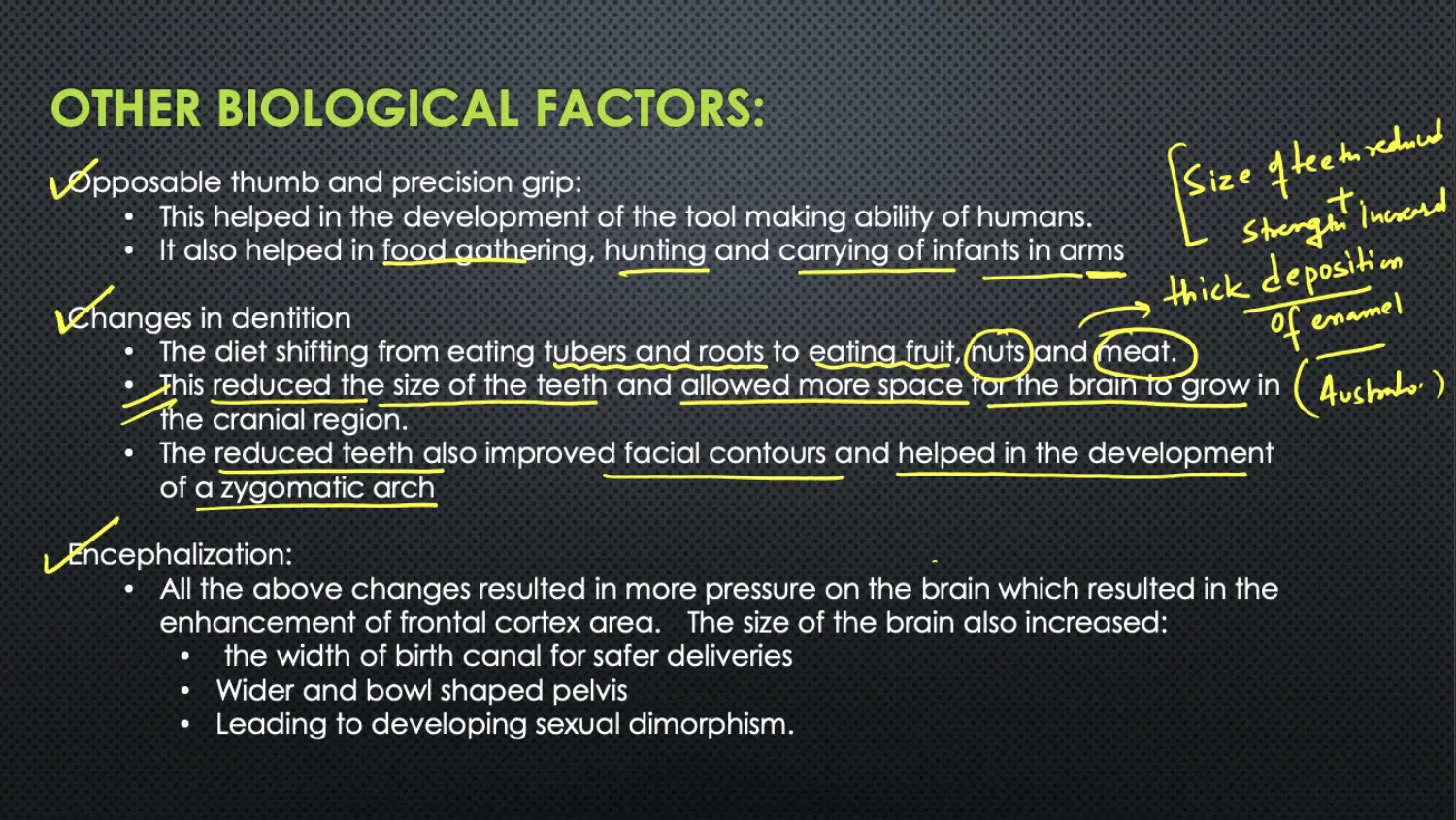
Biological Factors in Human Evolution
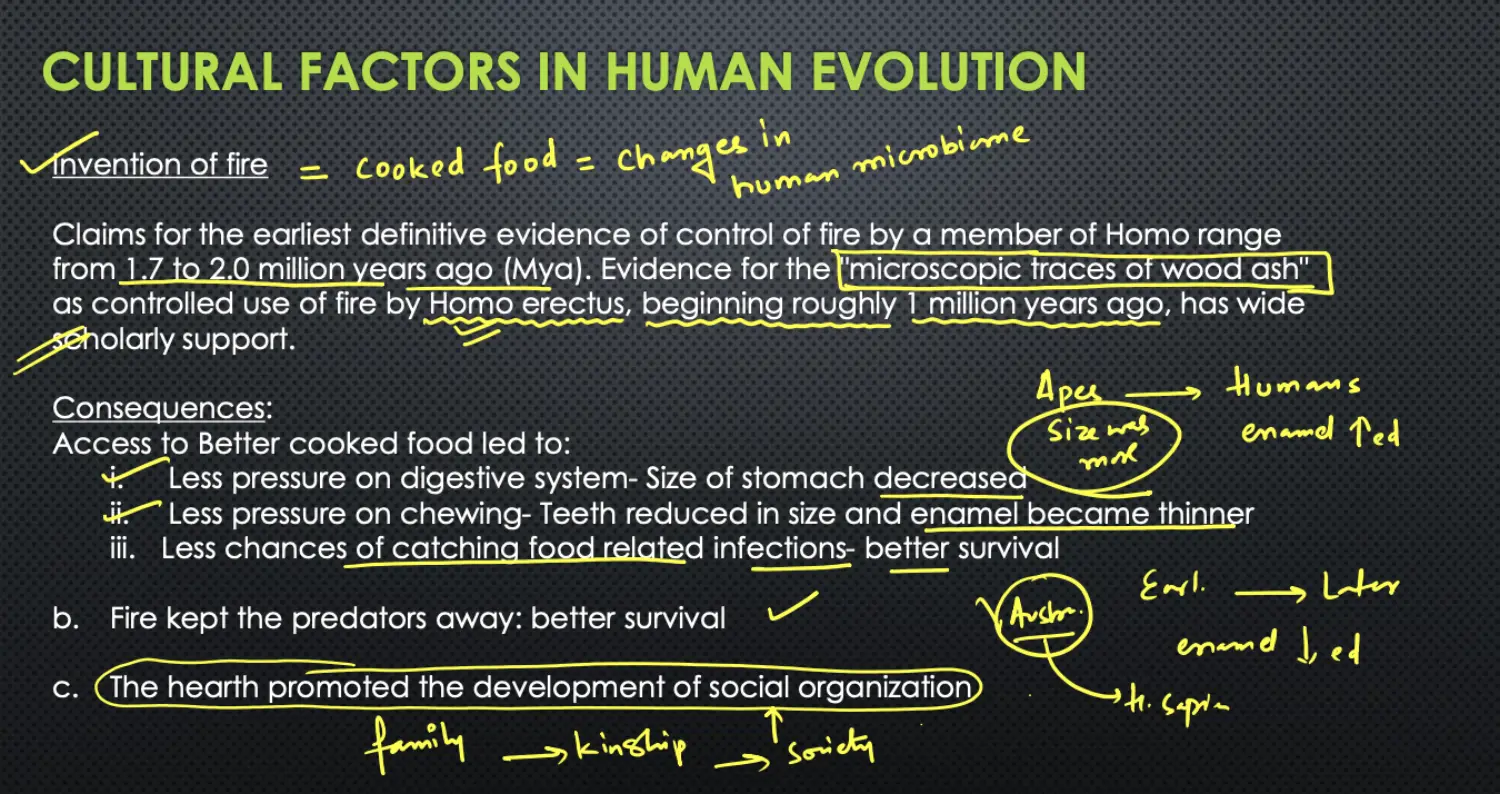
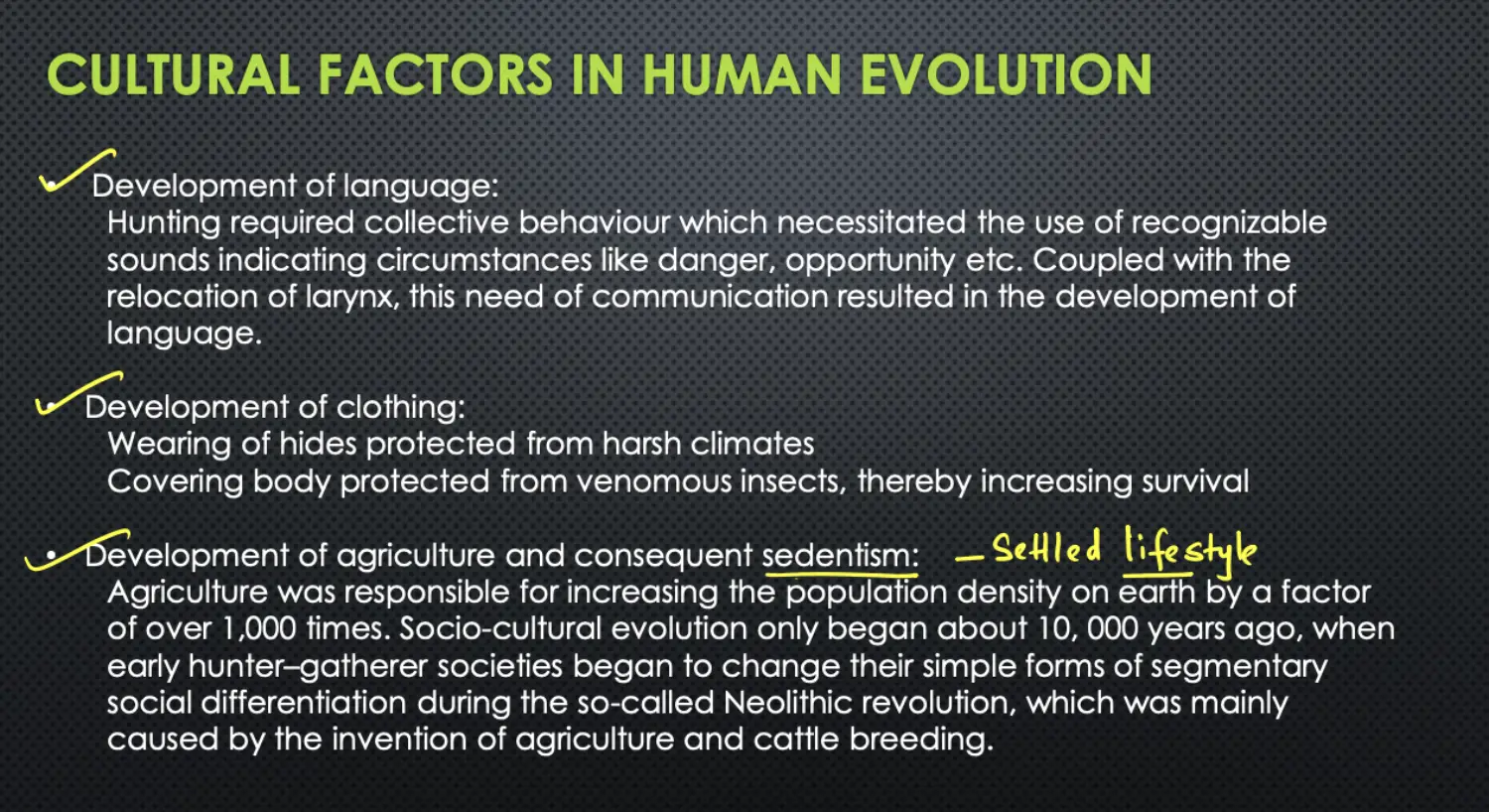
Cultural Factors in Human Evolution
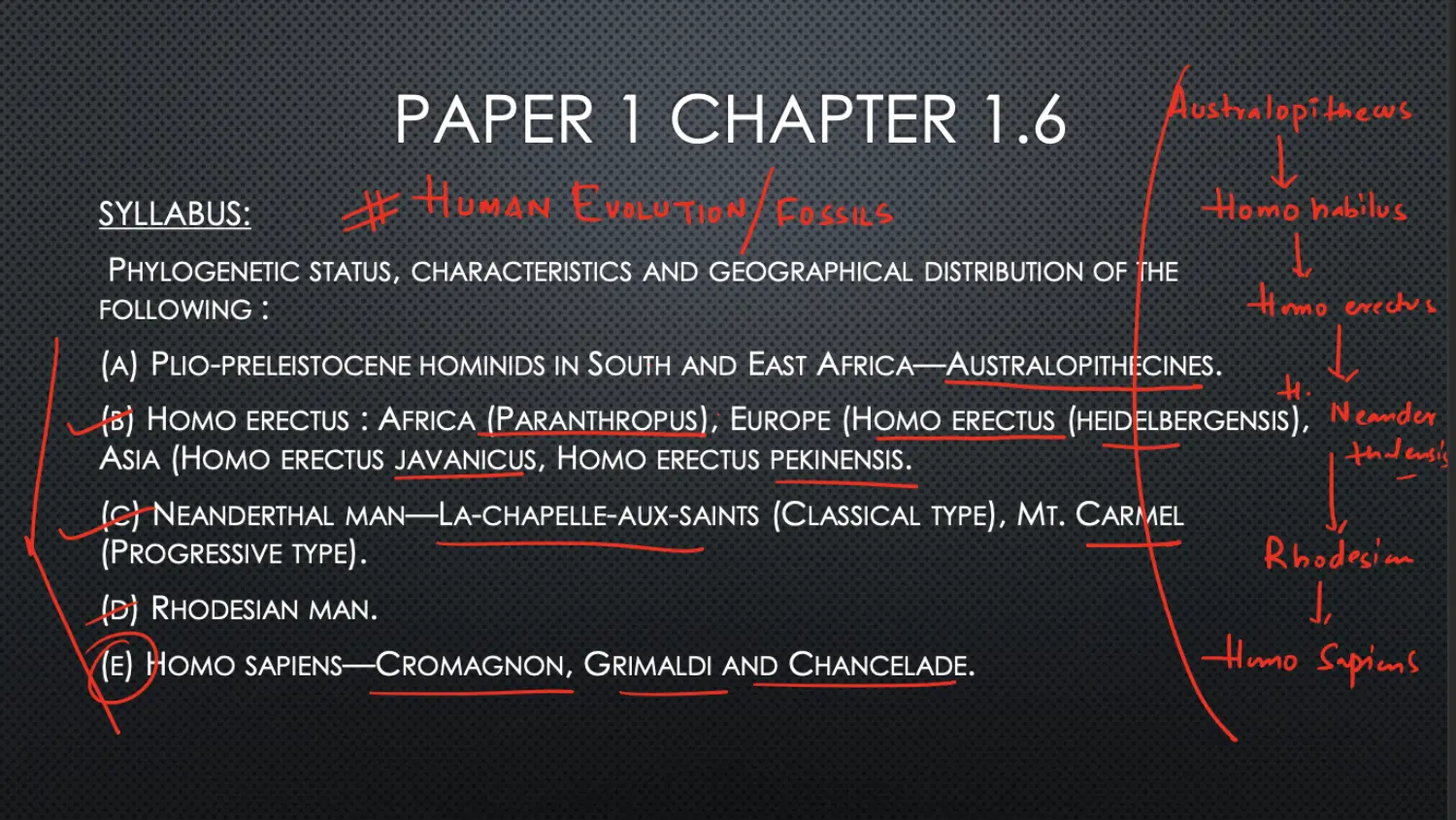
FOSSILS
Syllabus
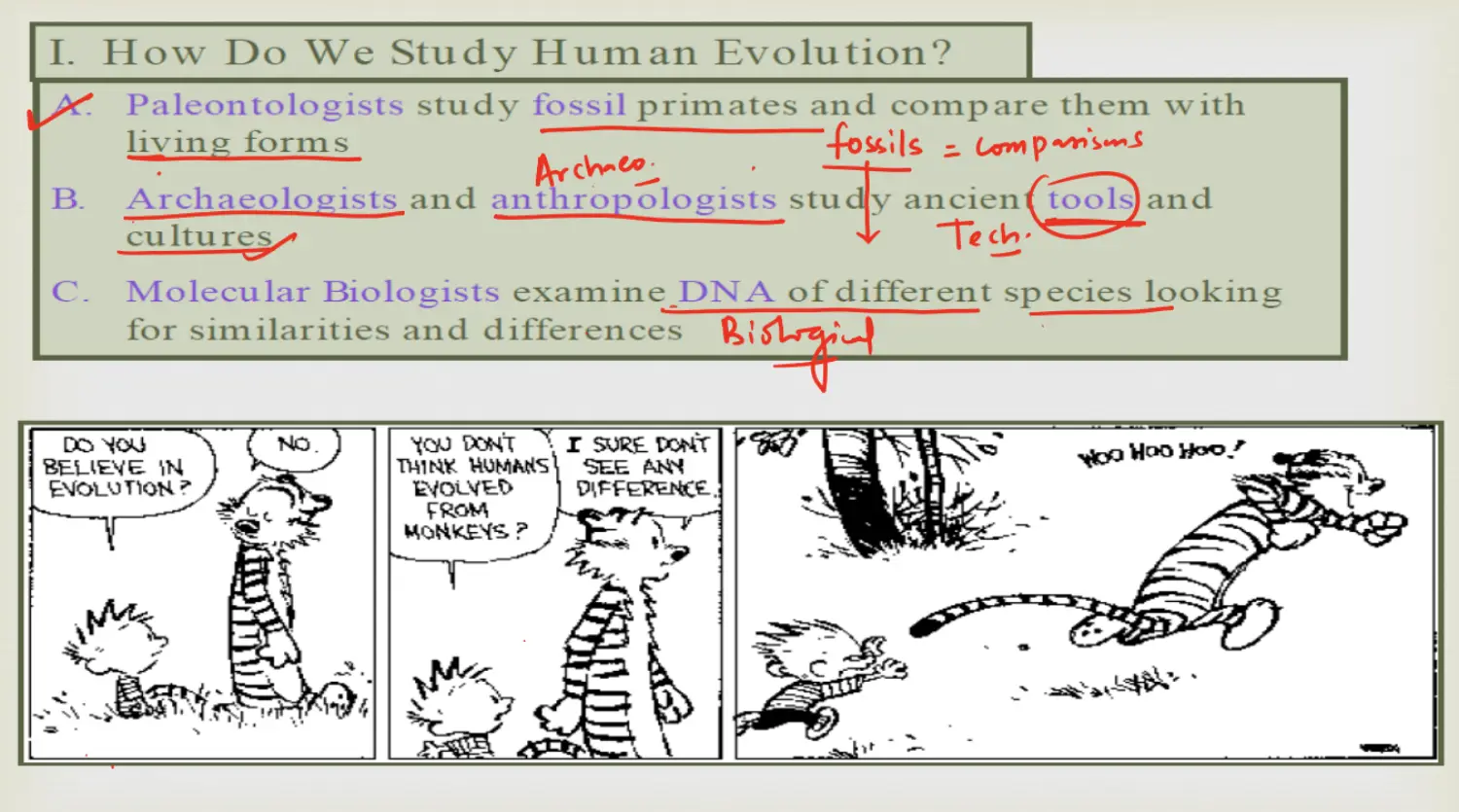
How do we Study Human Evolution (Three Step Process)
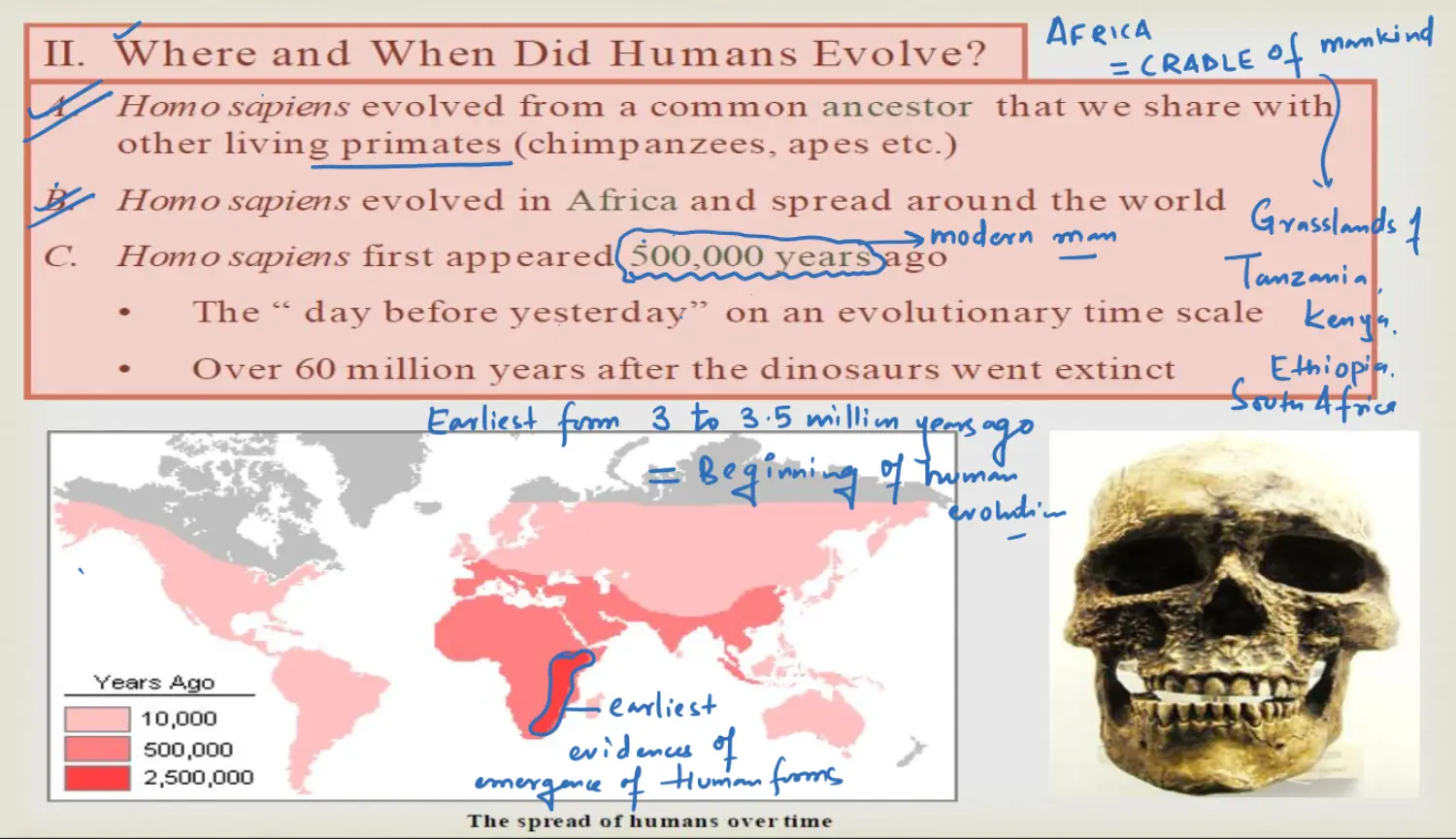
Where and When Did Human Evolve ?
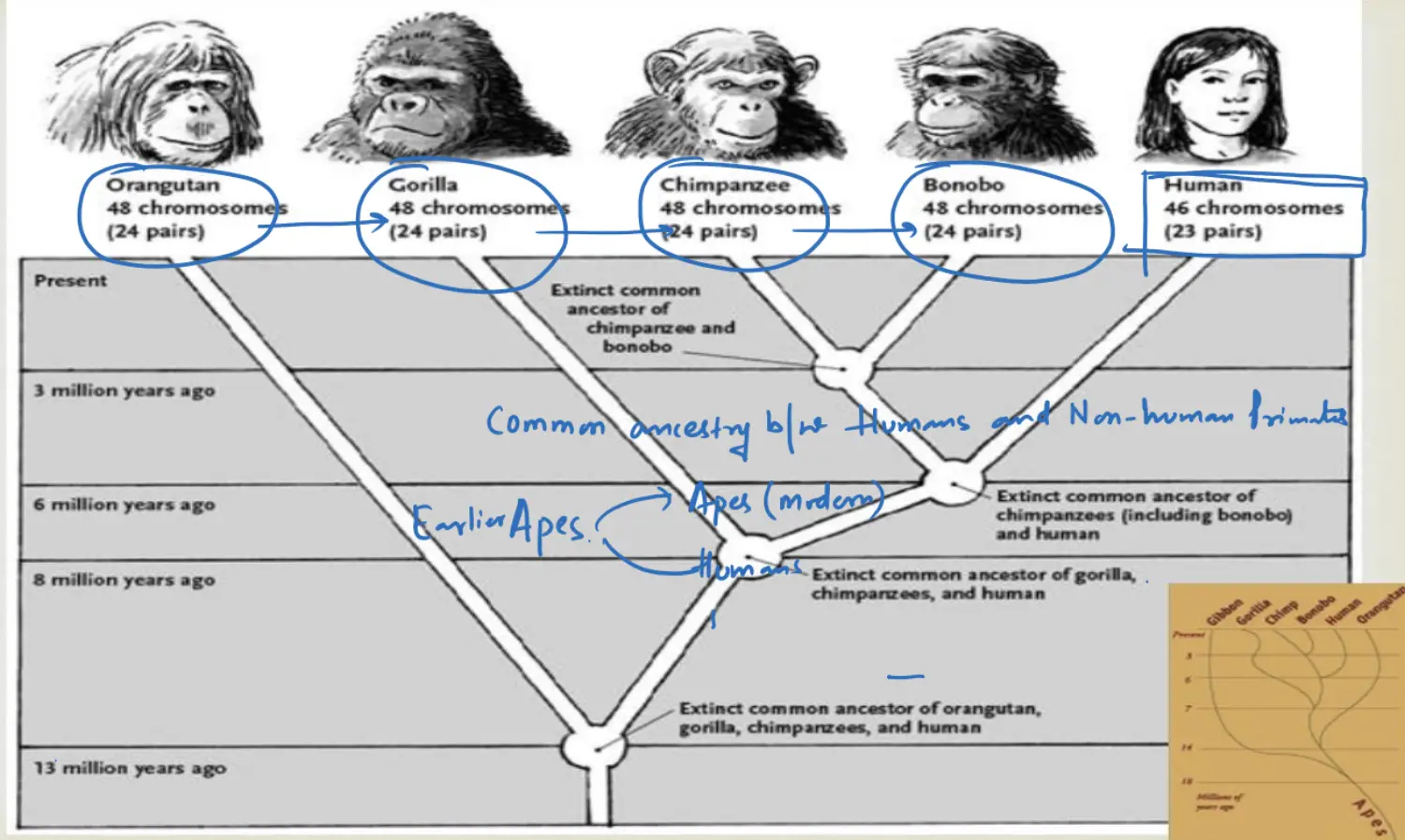
The Hominid / Human Evolution
Introduction
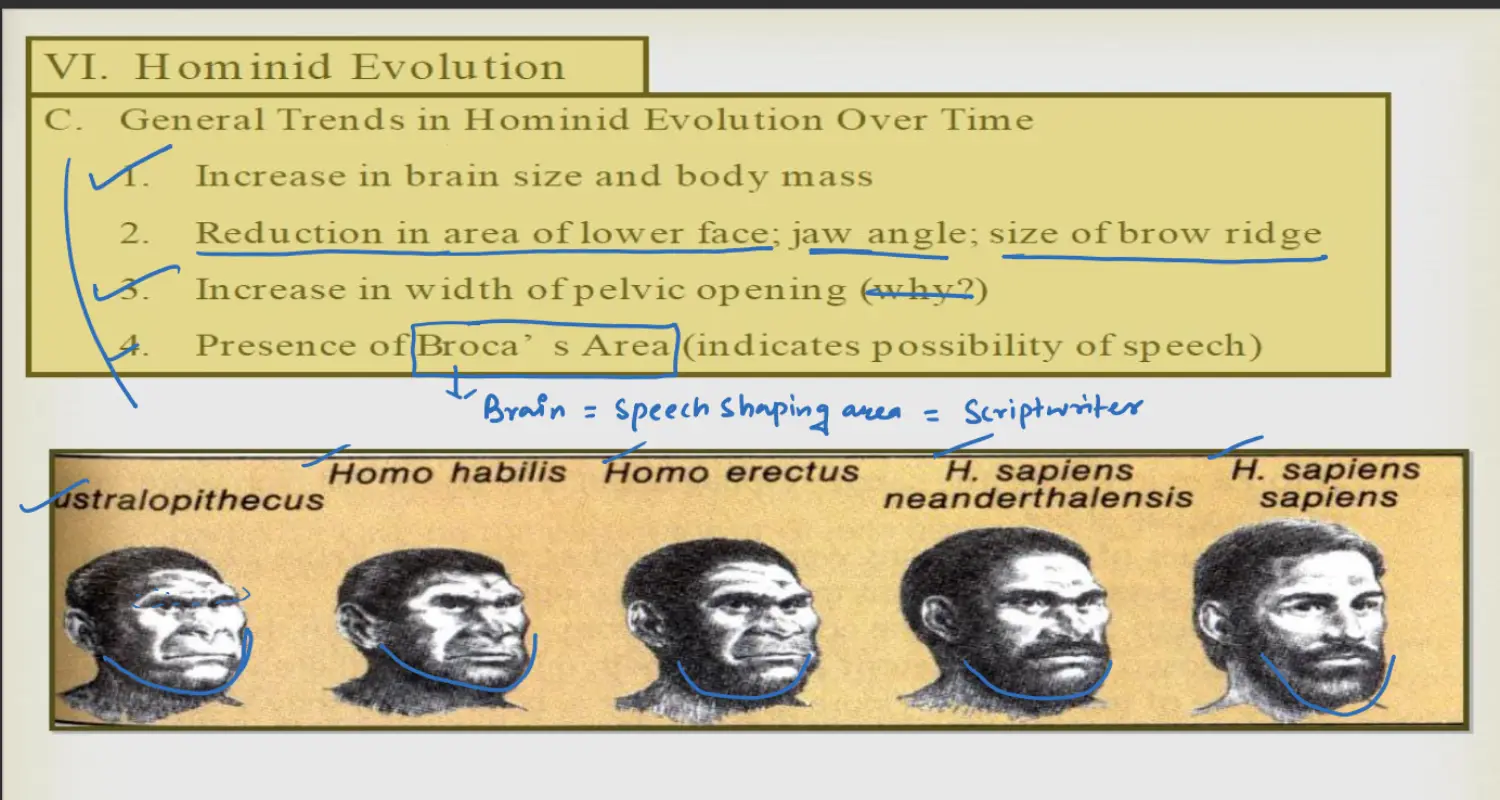
General Trend in Hominid Evolution
Common Ancestors to Apes & Humans
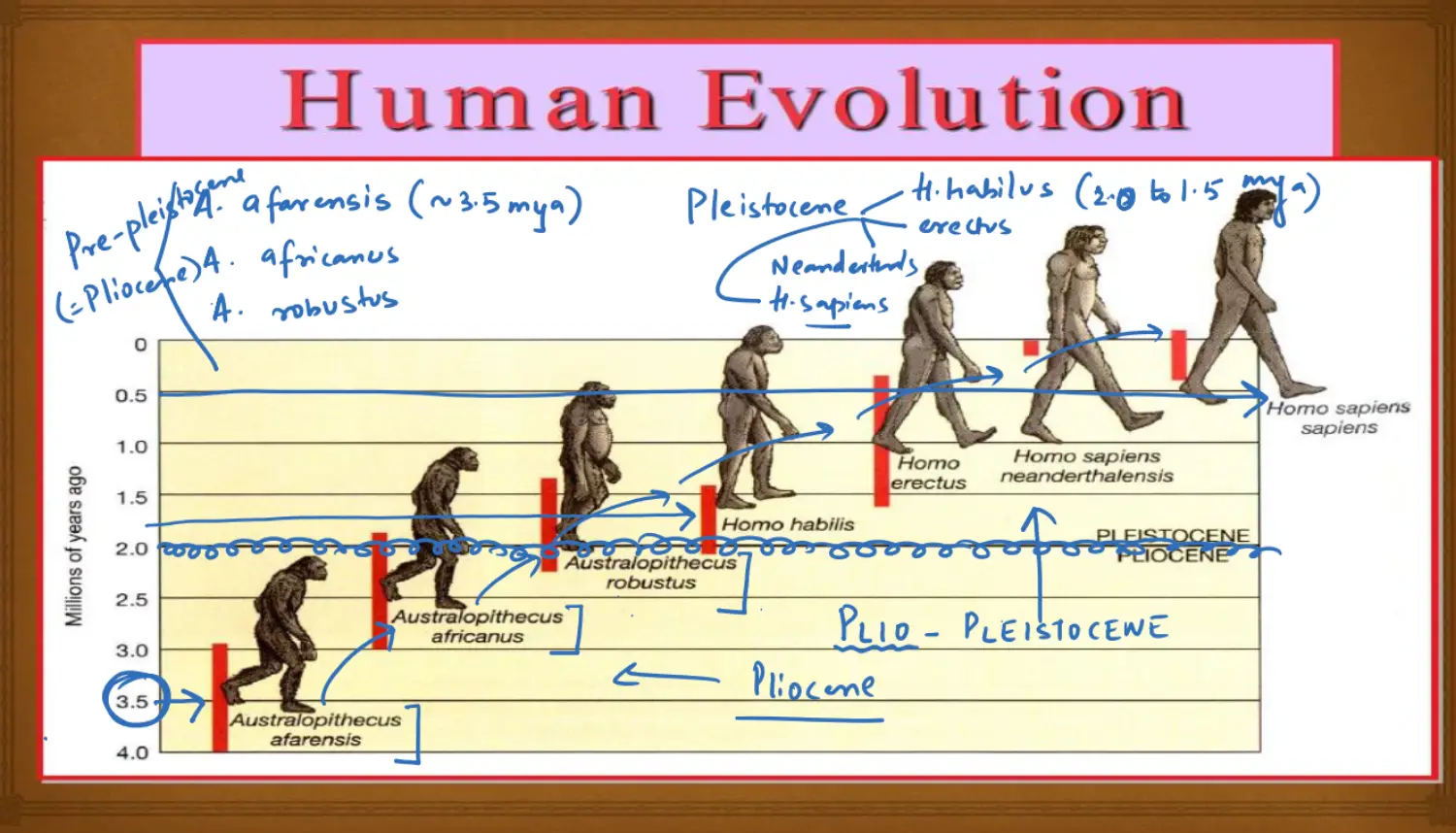
Pliocene / Pre Pleistocene / Pre Homo
Australopithecus
Initial Known Types of Australopithecus
Earliest Australopithecus
- Australopithecus Afarensis - 3.5 MYA
Parallel to Each Other
- Australopithecus Boisei
- Australopithecus Africanus
- Australopithecus Robustus
Sub Species of Australopithecus
Introduction
After the Initial Discoveries of 4 Types of Australopithecus, Other Types of Australopithecus were found
Australopithecus - Gracile (Thin/Slander)
- A Afarensis
- A Africanus
- A Anamensis
- A Ramidus
Paranthropus - Robust (Thick/Stocky)
- A Boisei
- A Robustus
- A Aethiopicus
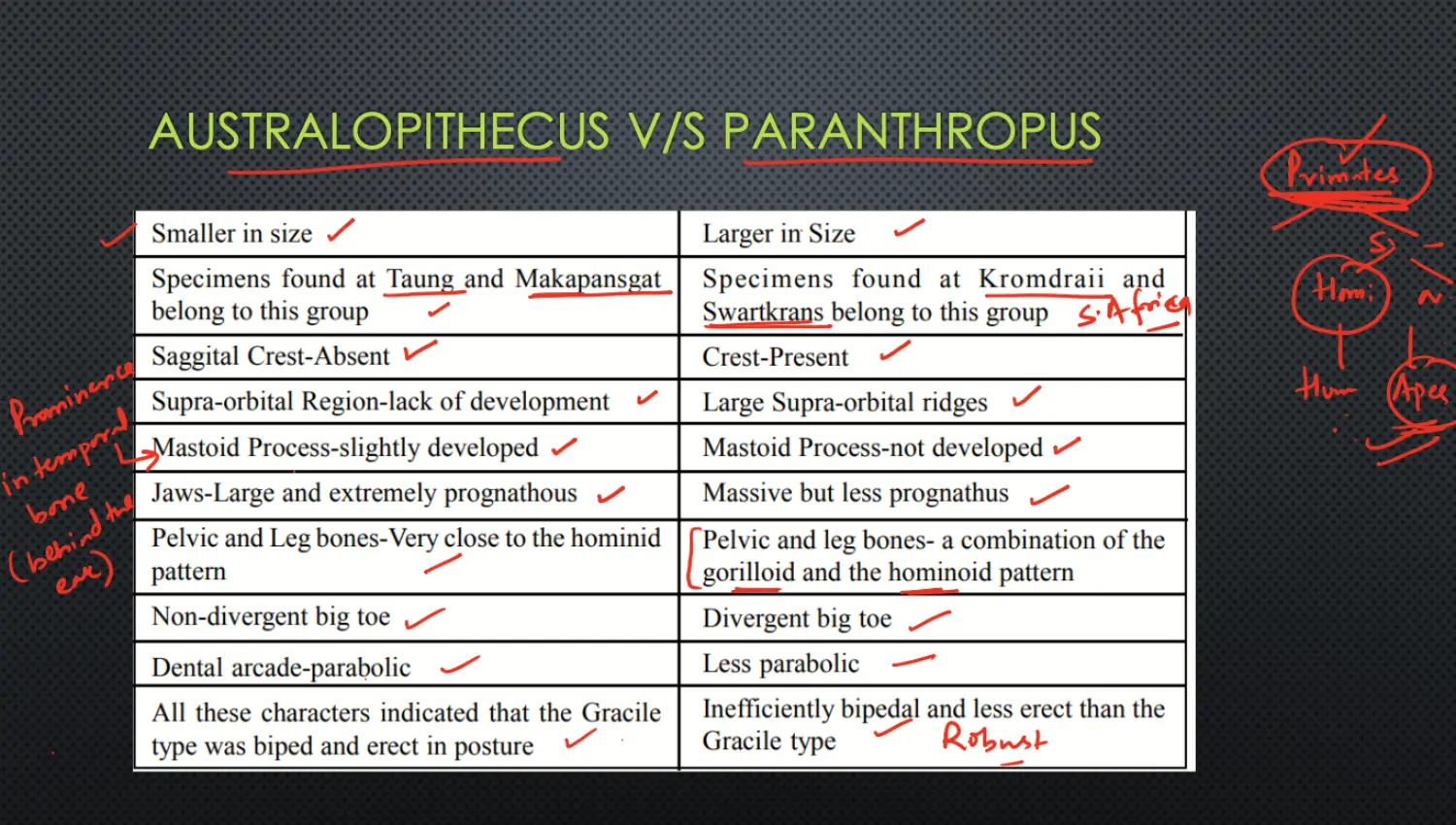
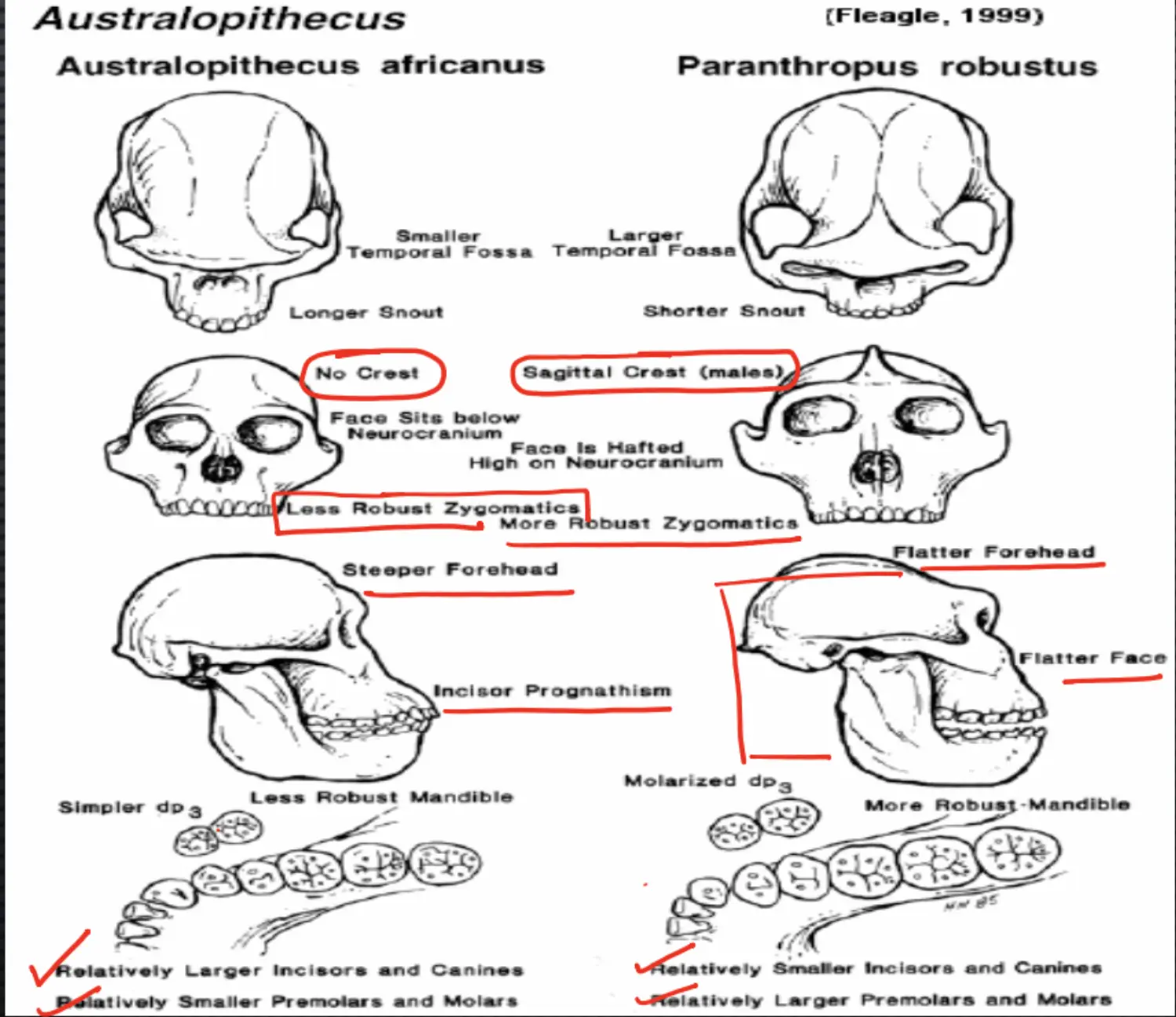
Difference Between Australopithecus and Paranthropus
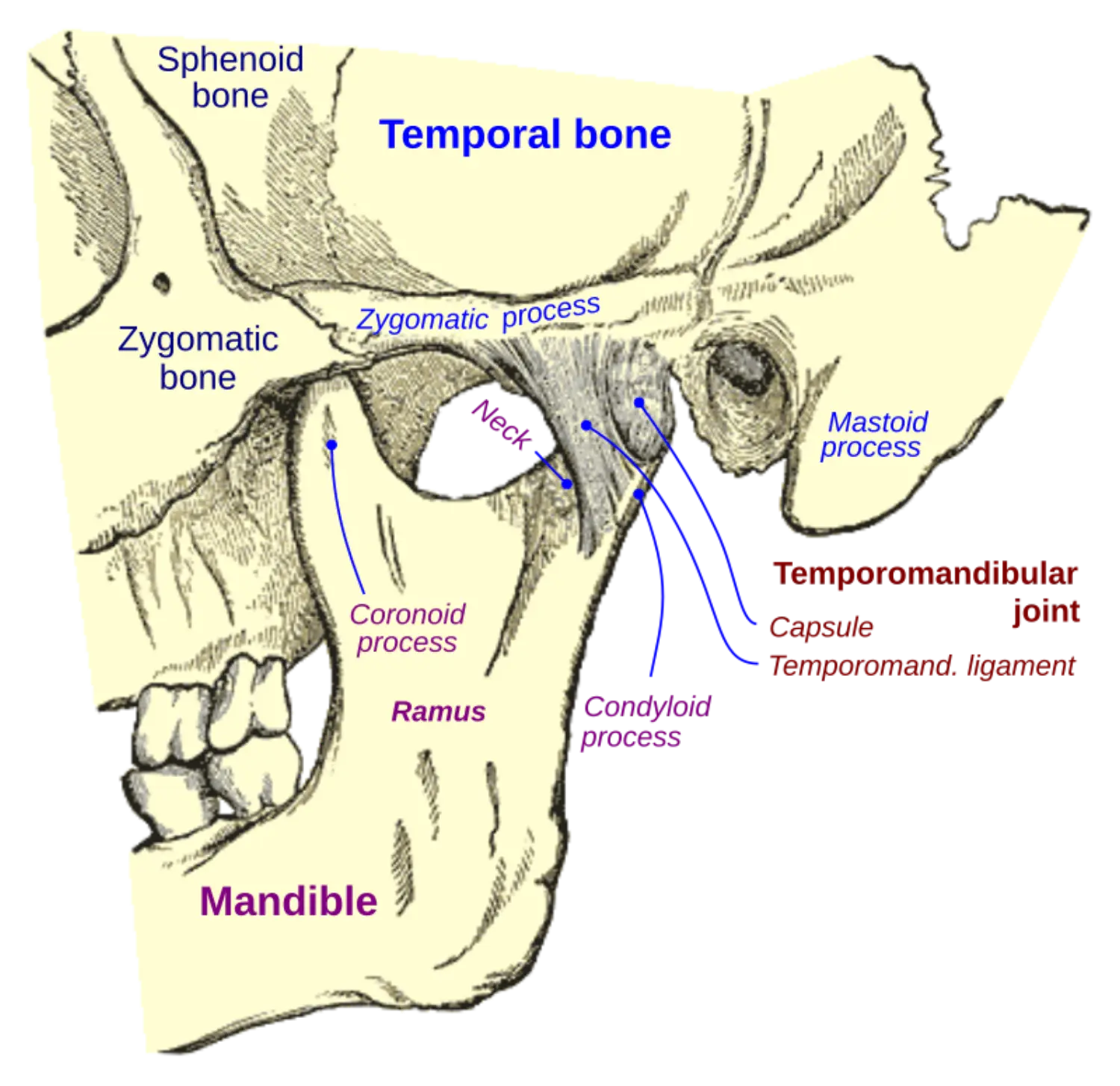
Mastoid Process
It is a Prominence in a Temporal Bone situated behind the Ear, where neck muscles are attached
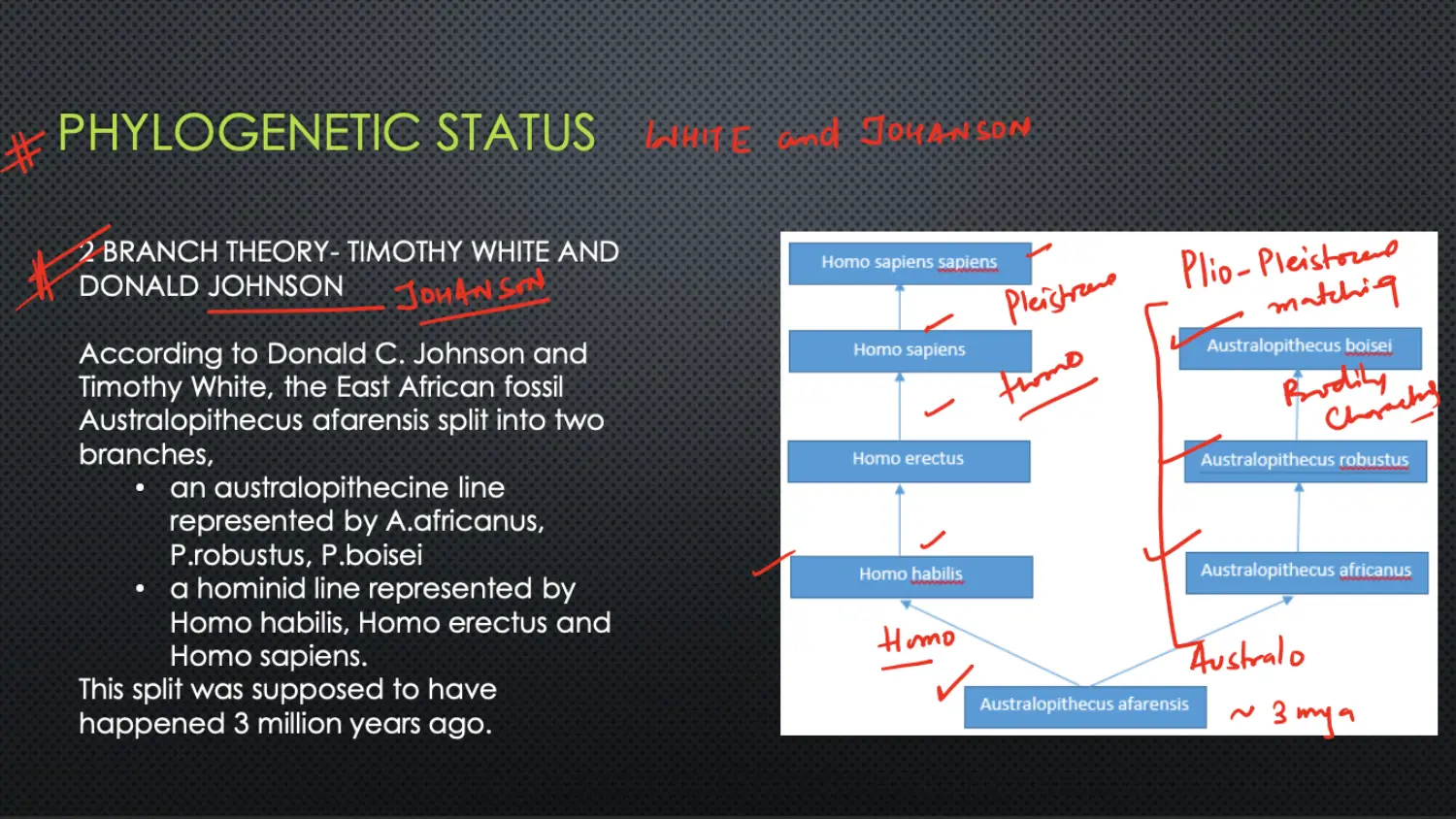
Debate on Phylogenetic Status of Australopithecus
2 Branch Theory by Timothy White & Donald Johanson
3 Branch Theory by Alan Walker
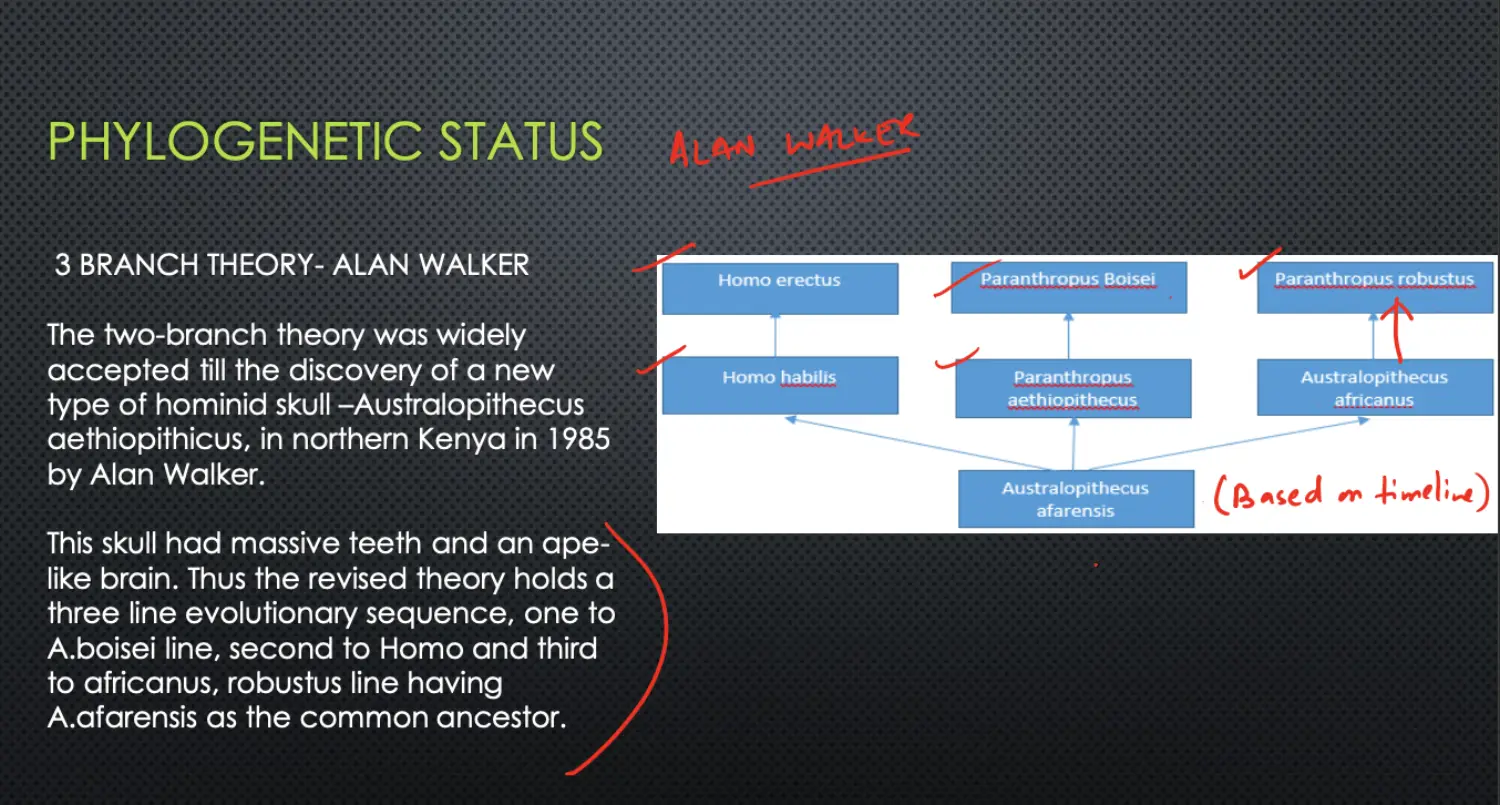
Introduction
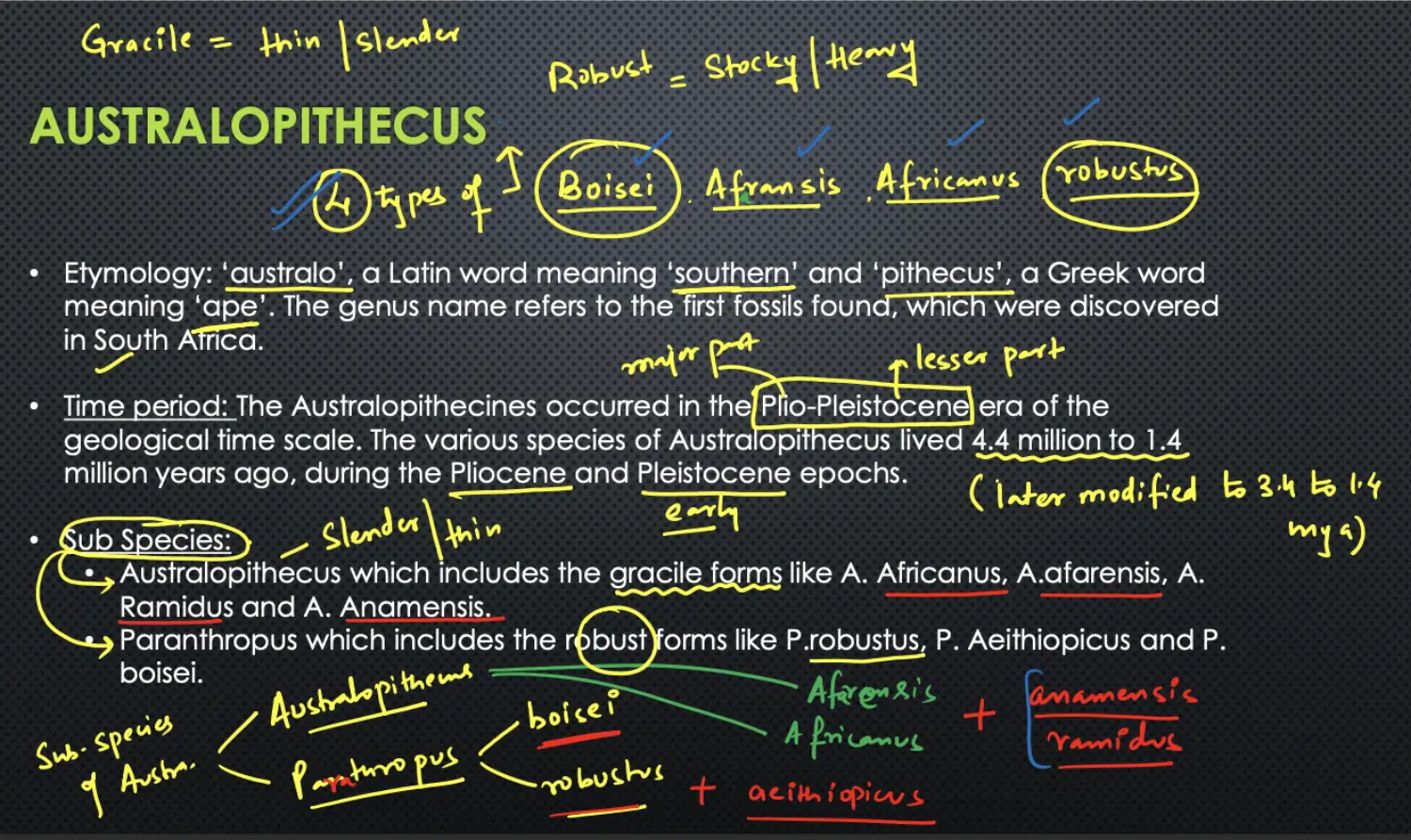
Discovery & Tim Period
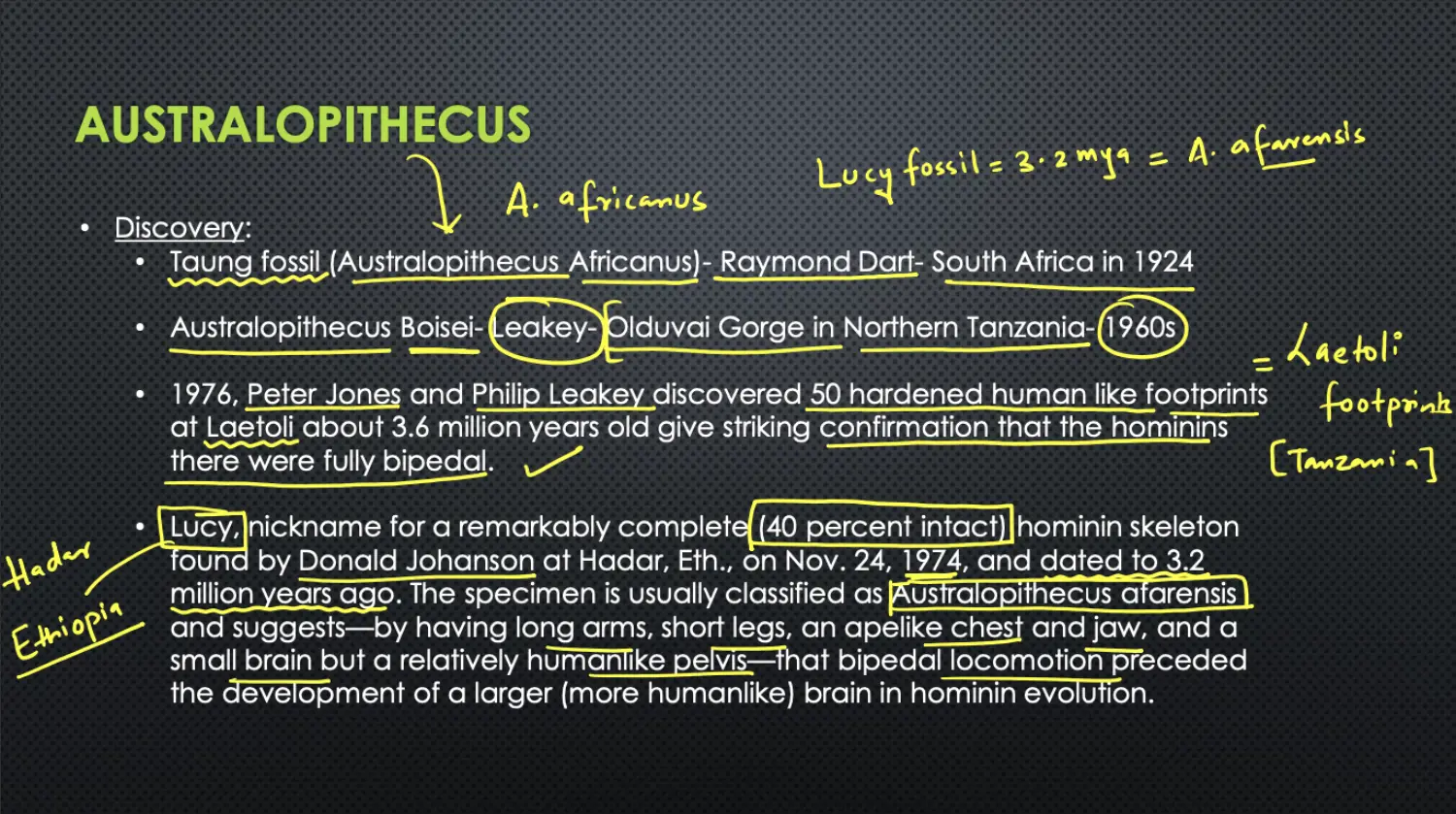
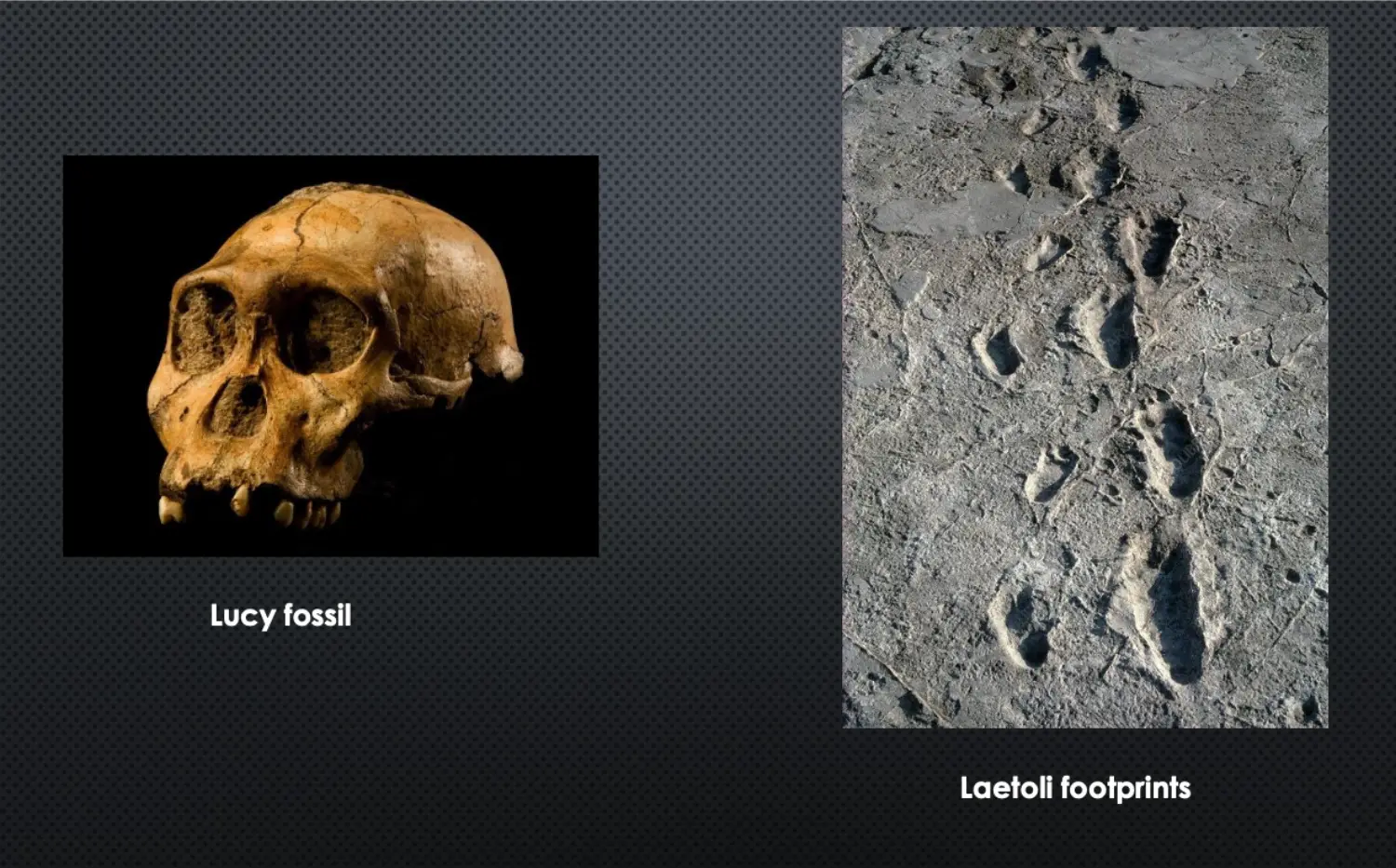
Important Discovery
Location for Spread of Australopithecus
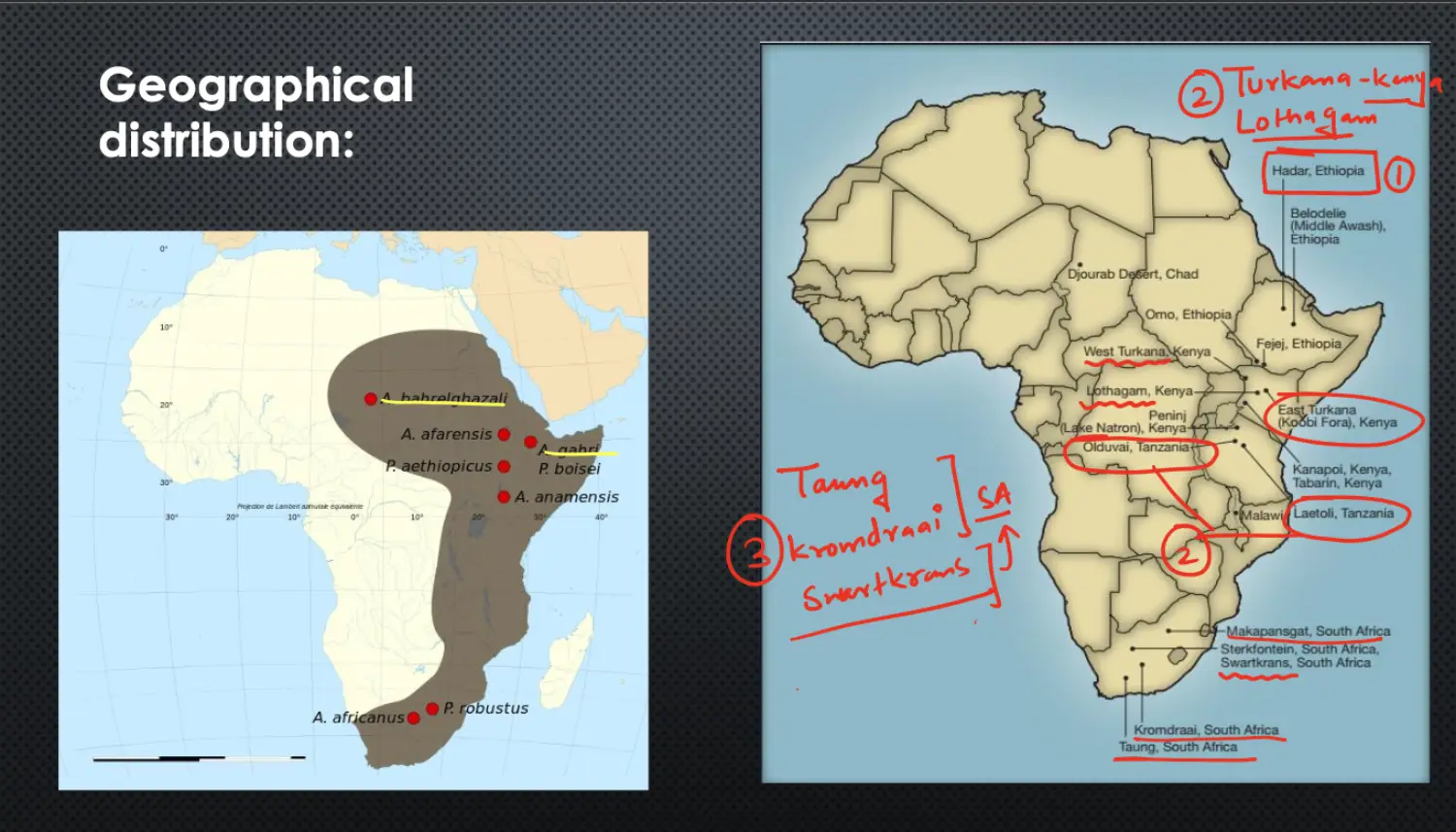
- Tong in South Africa
- Kromdraai in South Africa
- Swartkrans in South Africa
- Makapansgat in South Africa
- Turkana in Kenya
- Lothagam in Kenya
- Olduvai Gorge in Tanzania
- Laetoli in Tanzania
- Hadar in Ethiopia
Features of Australopithecus
Biological Features
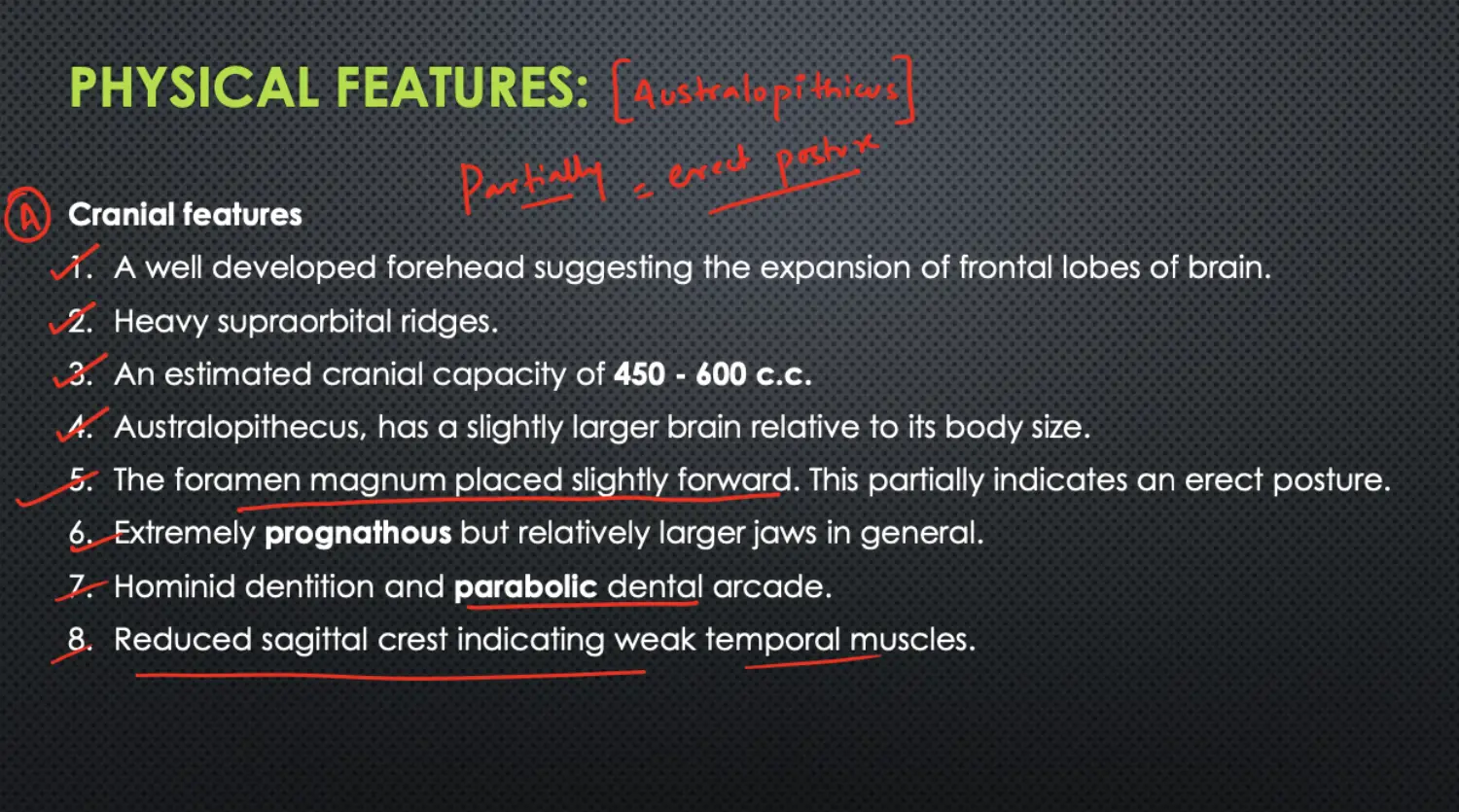
Cranial Features
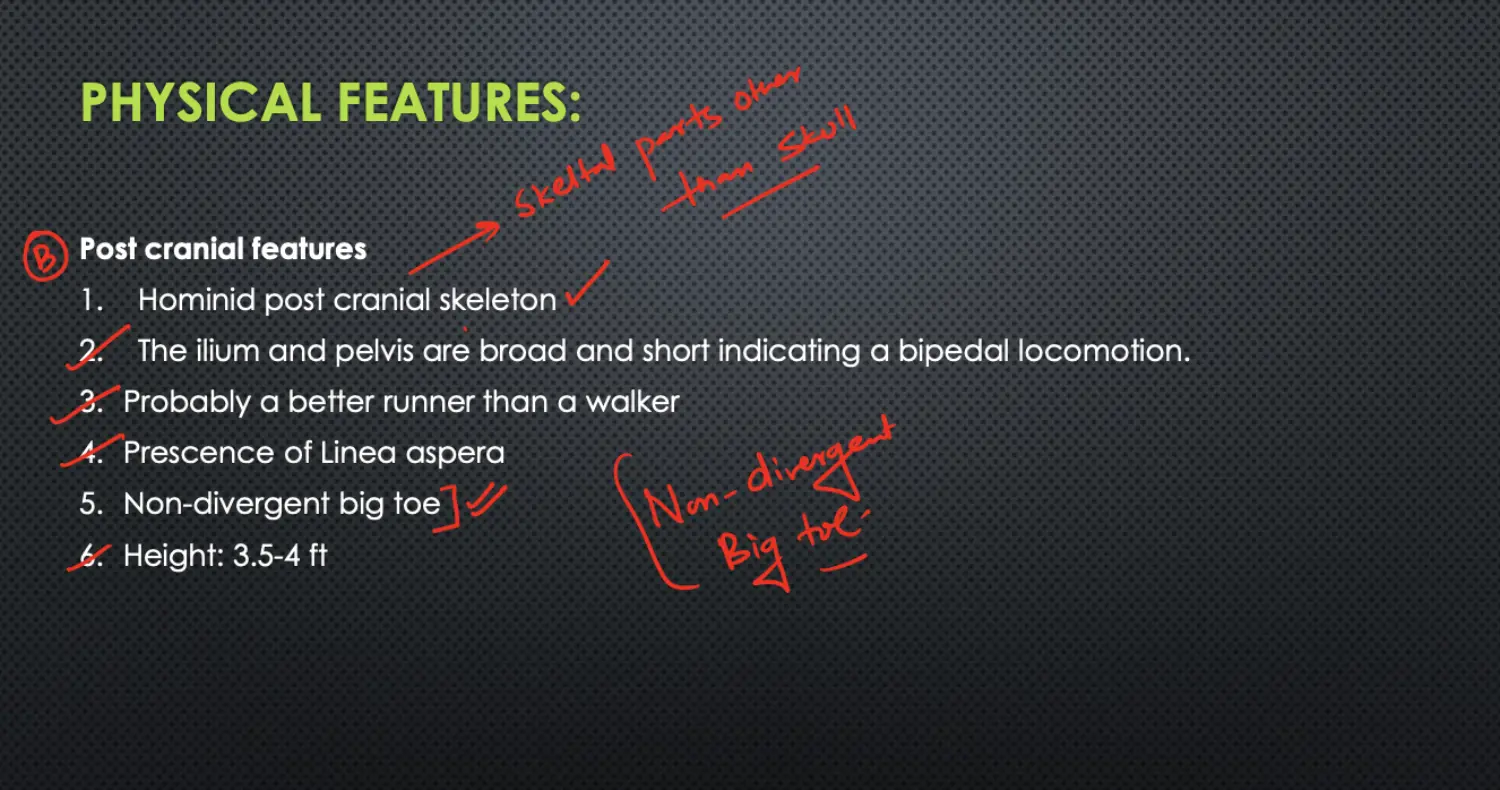
Post Cranial Features
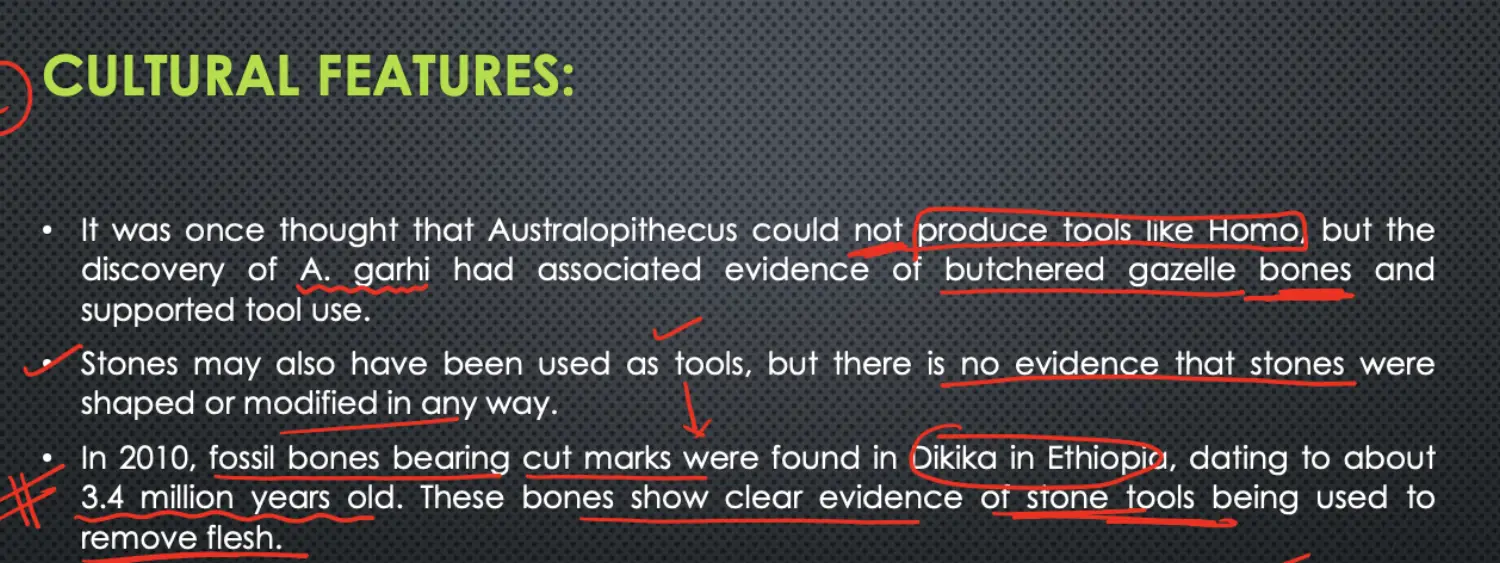
Cultural Features
Tools
Earlier it was considered that Australopithecus didn't use any tools but later studies found some Butchered Gazelle Tools associated with A Garhi
Society

Pleistocene / Homo
Types of Homo
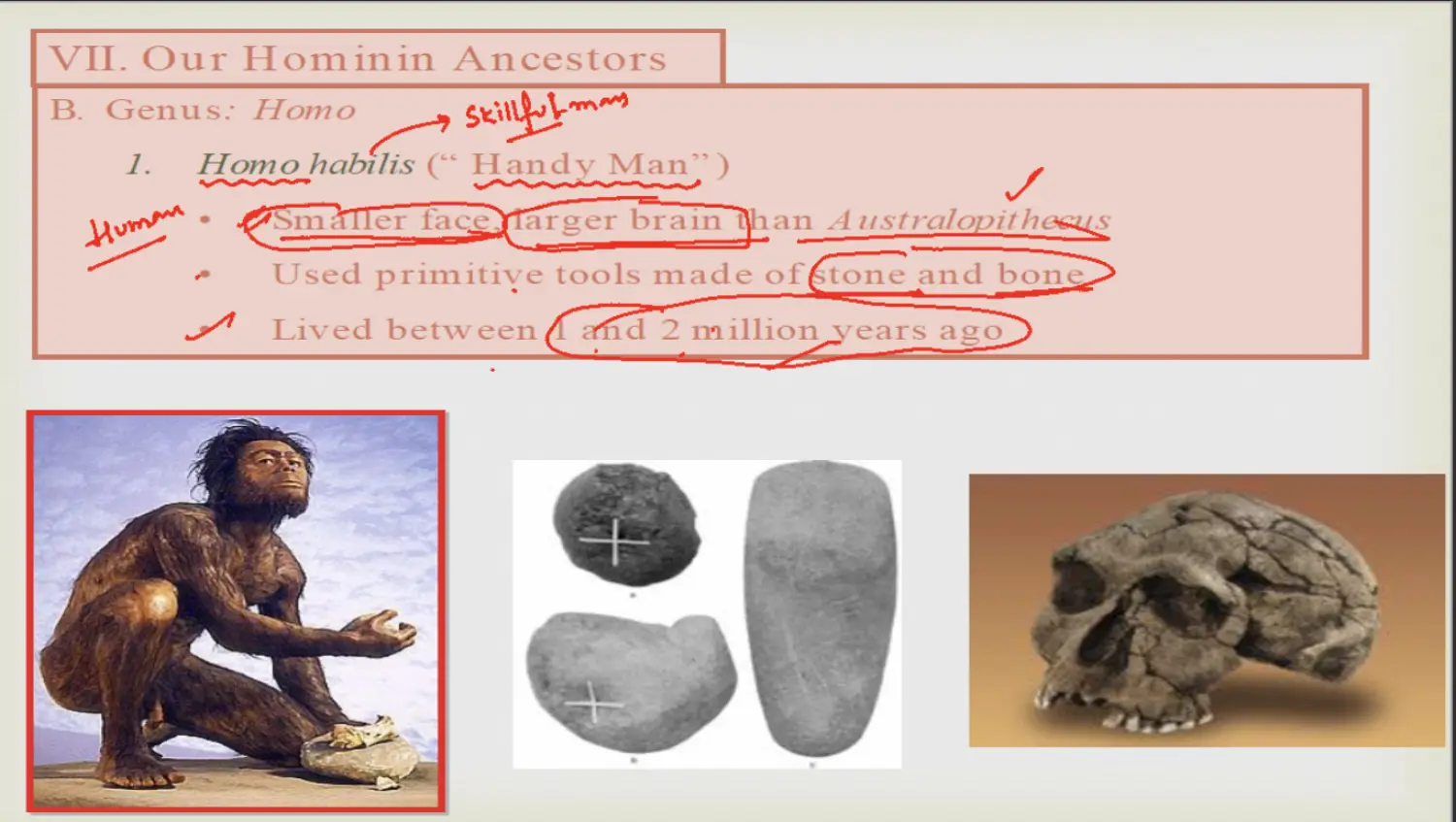
Homo Habilis - 1.0 MYA
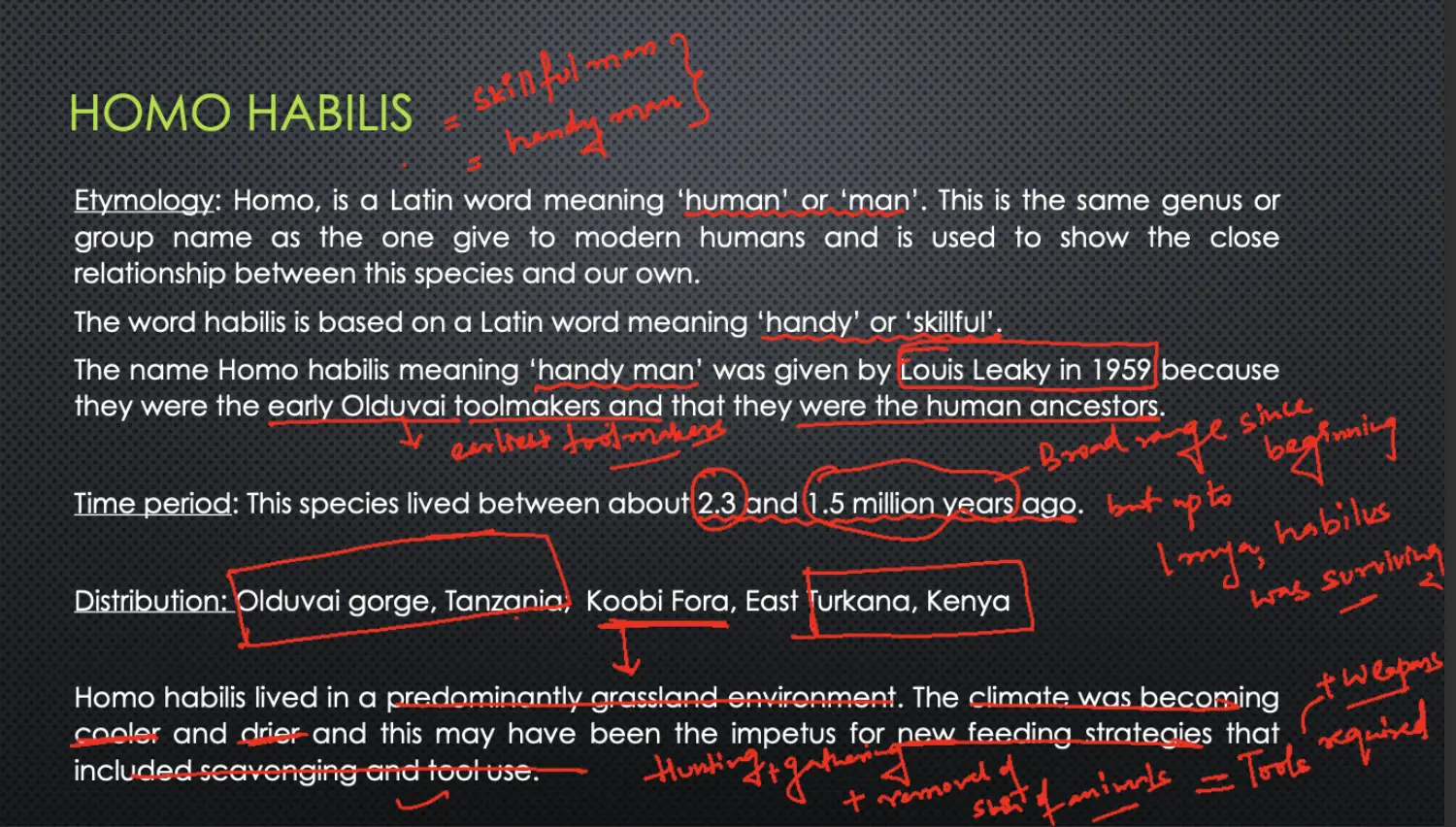
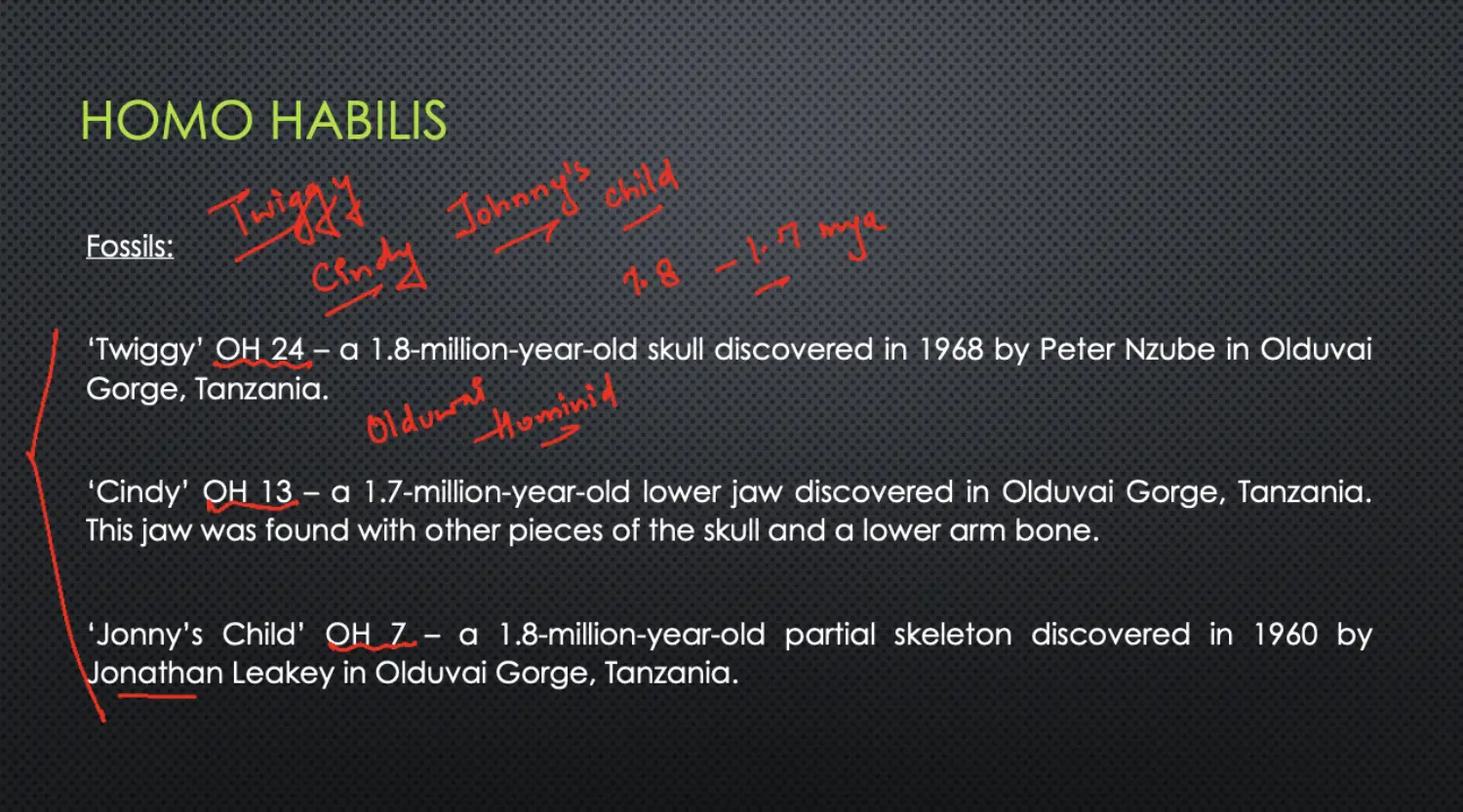
Introduction to Homo Habilis
Homo - Human Habilis - Skill Full Man
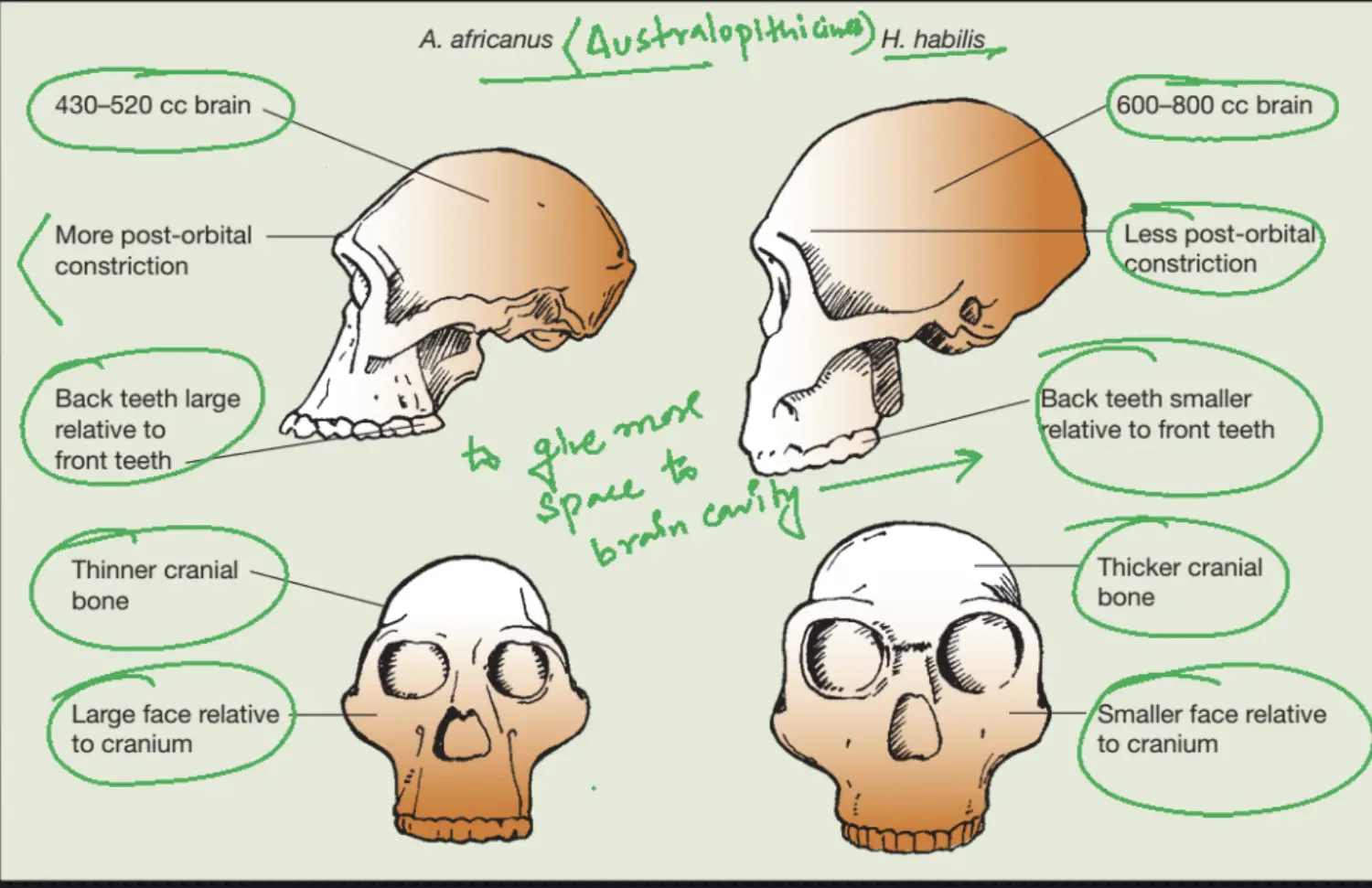
Difference Between A Africanus & H Habilis
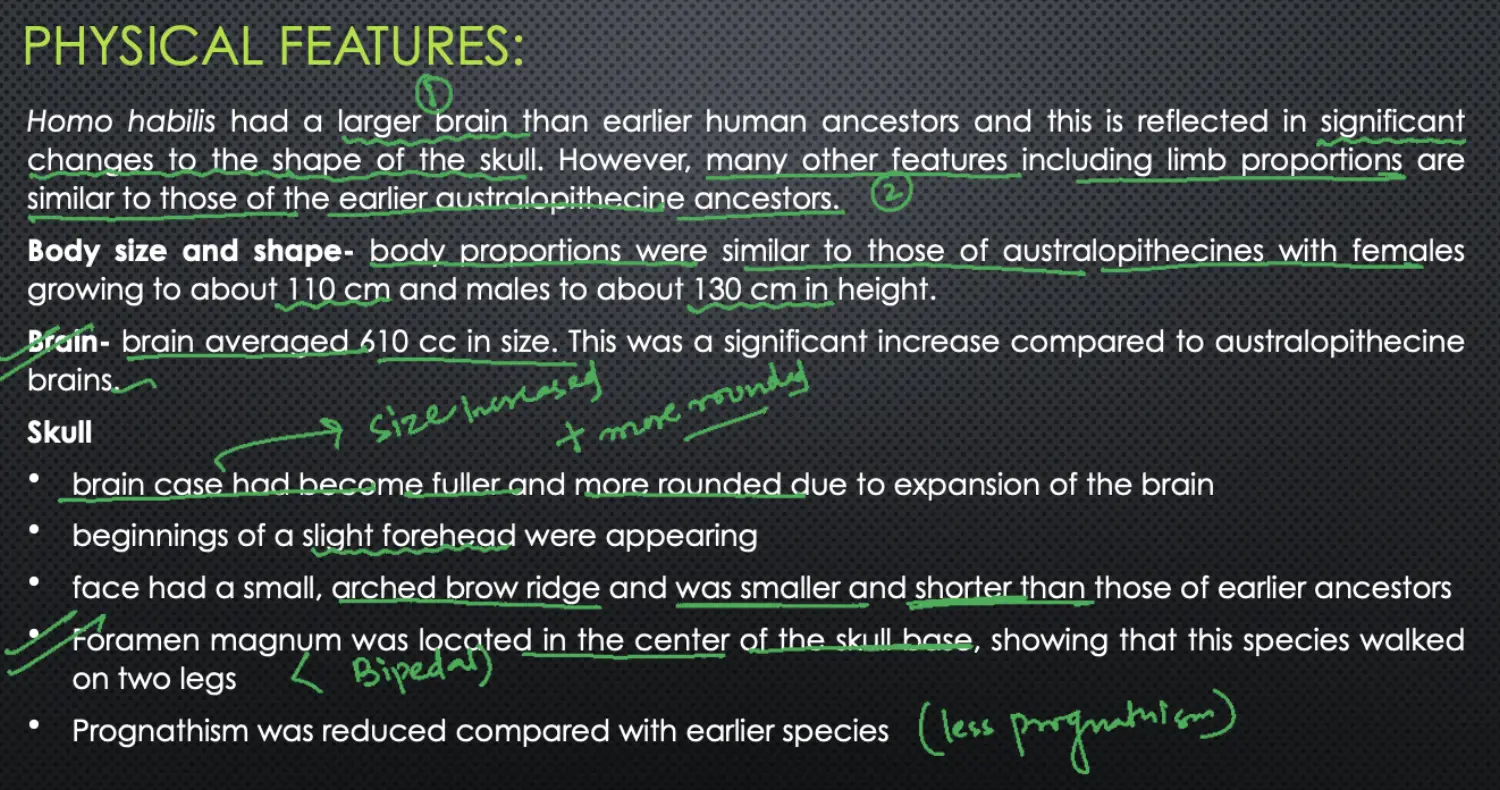
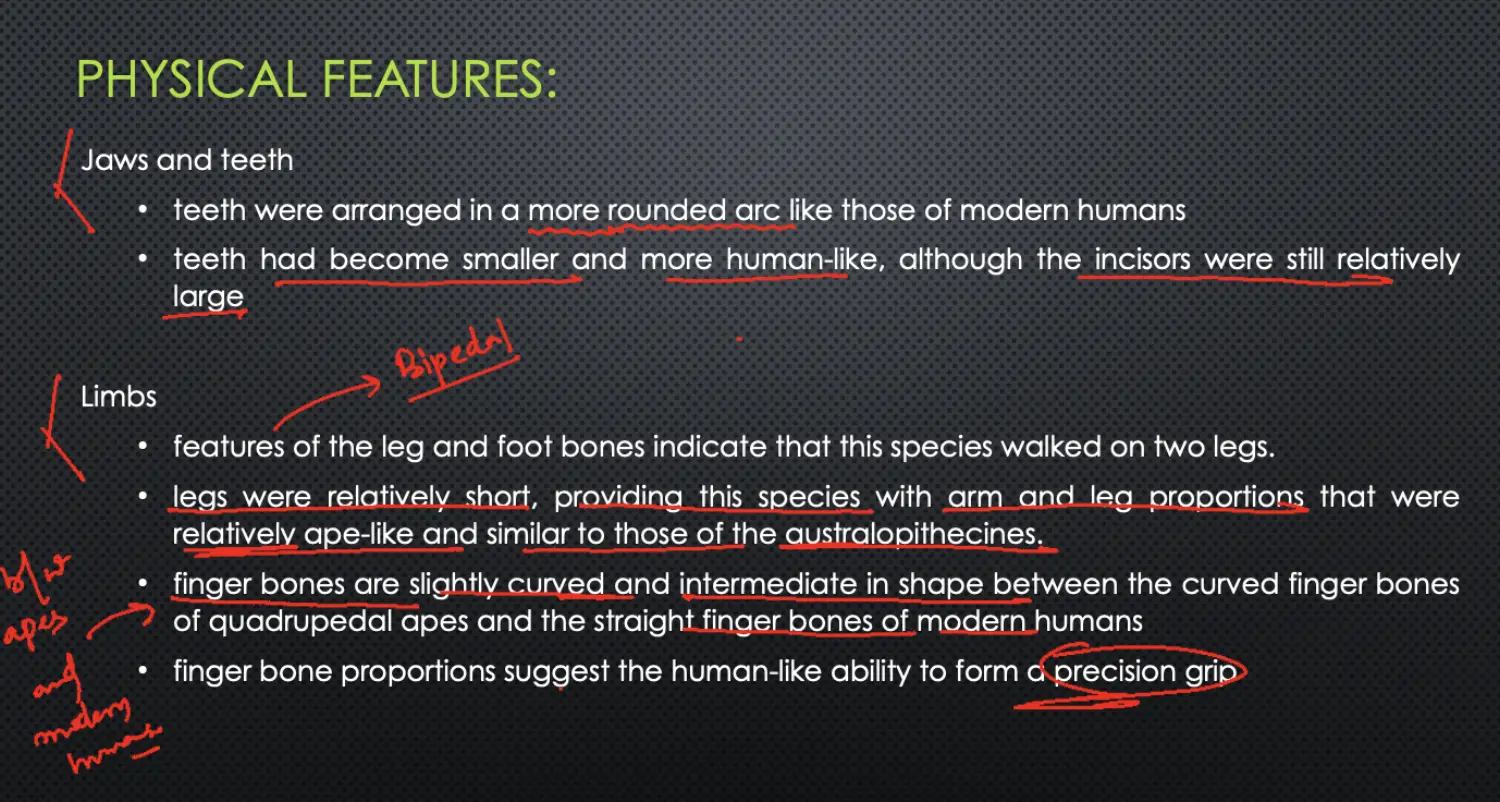
Physical Features of Homo Habilis
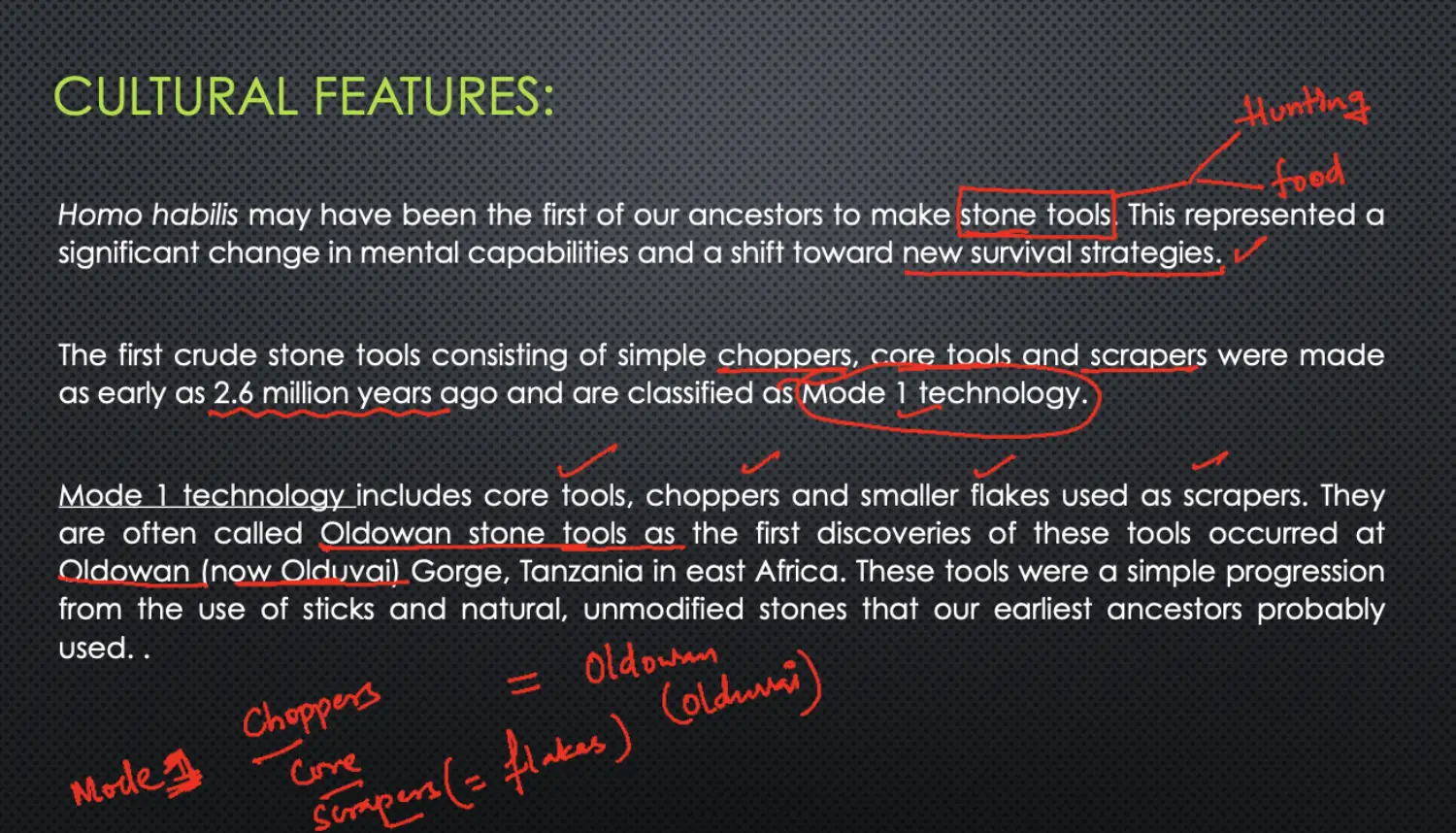
Cultural Features
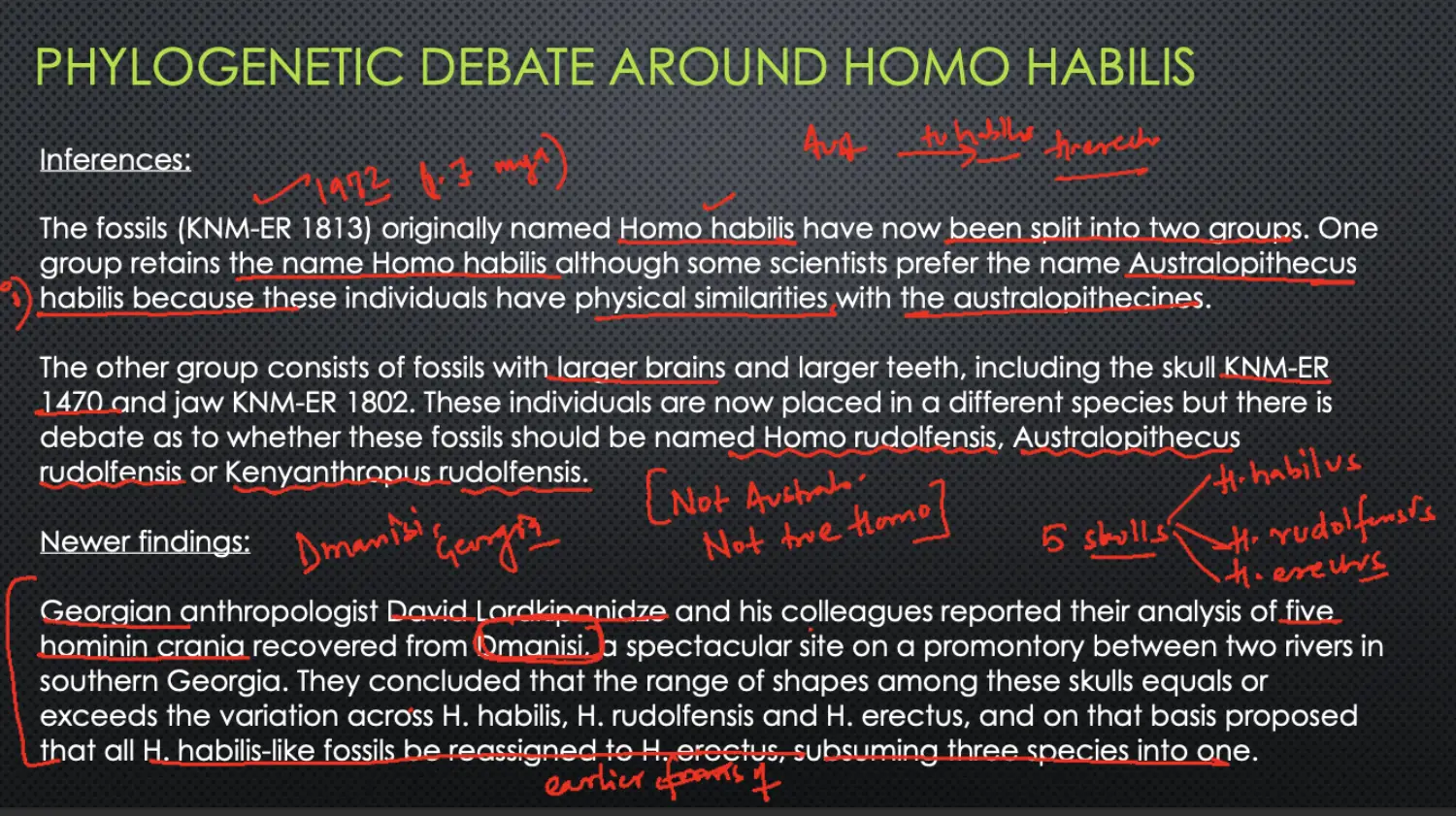
Phylogenetic Debate around Homo Habilis
Phylogenetic Means - Evolutionary History
Similarities with Australopithecus
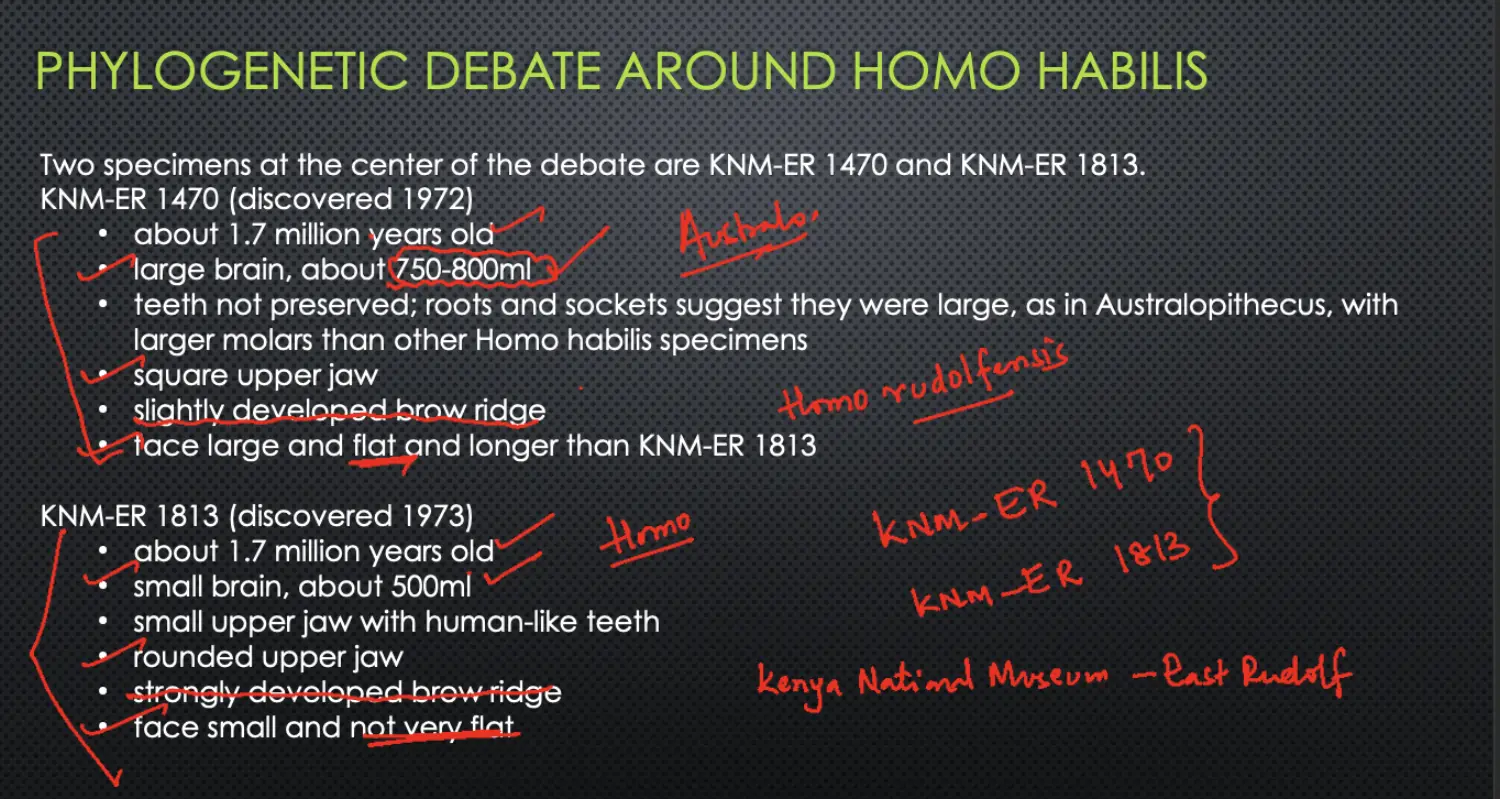
Emergence of Rudolfensis
Second Slide Here
💡 John Robinson considered Homo Habilis as a Mixture of Australopithecus & Homo Erectus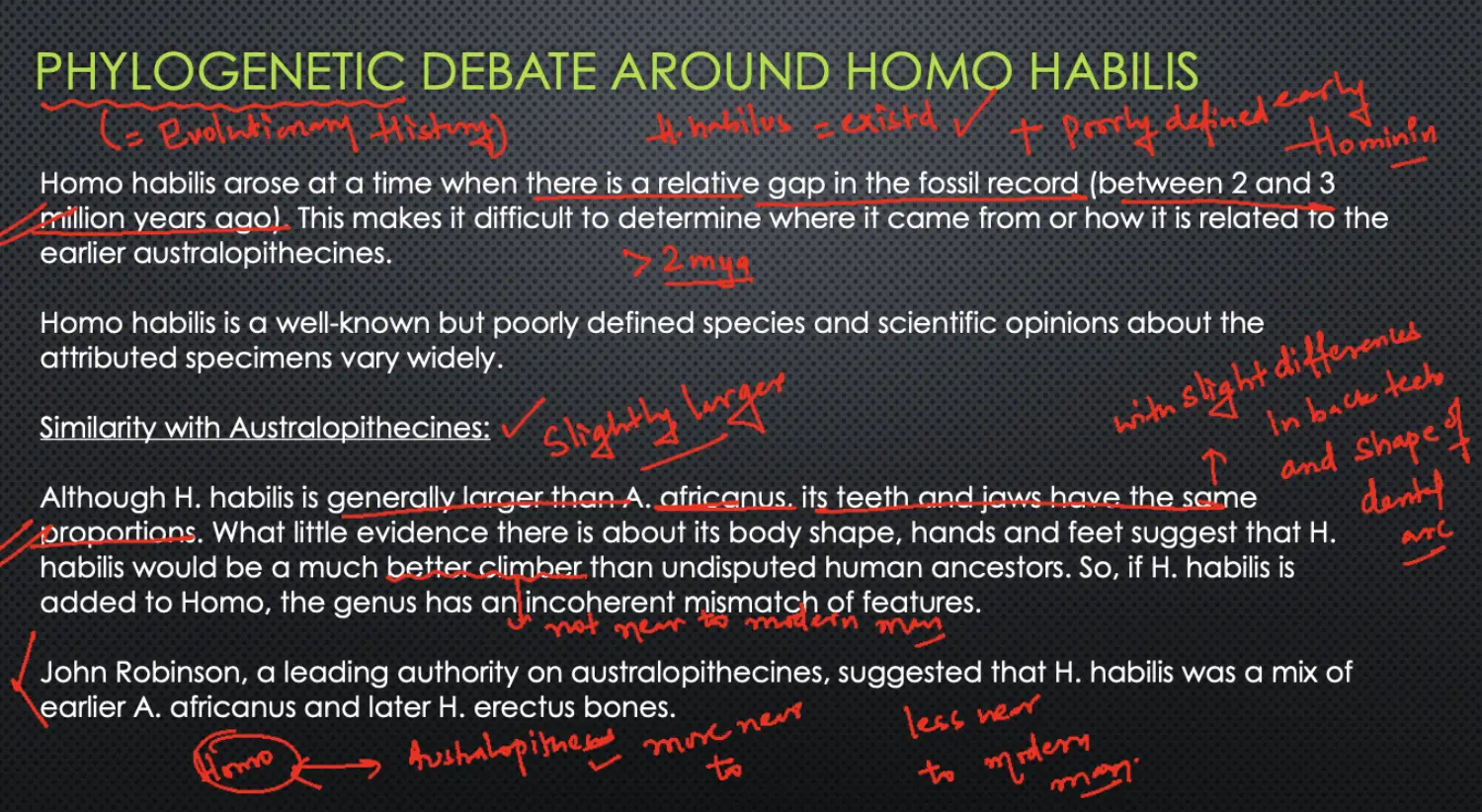
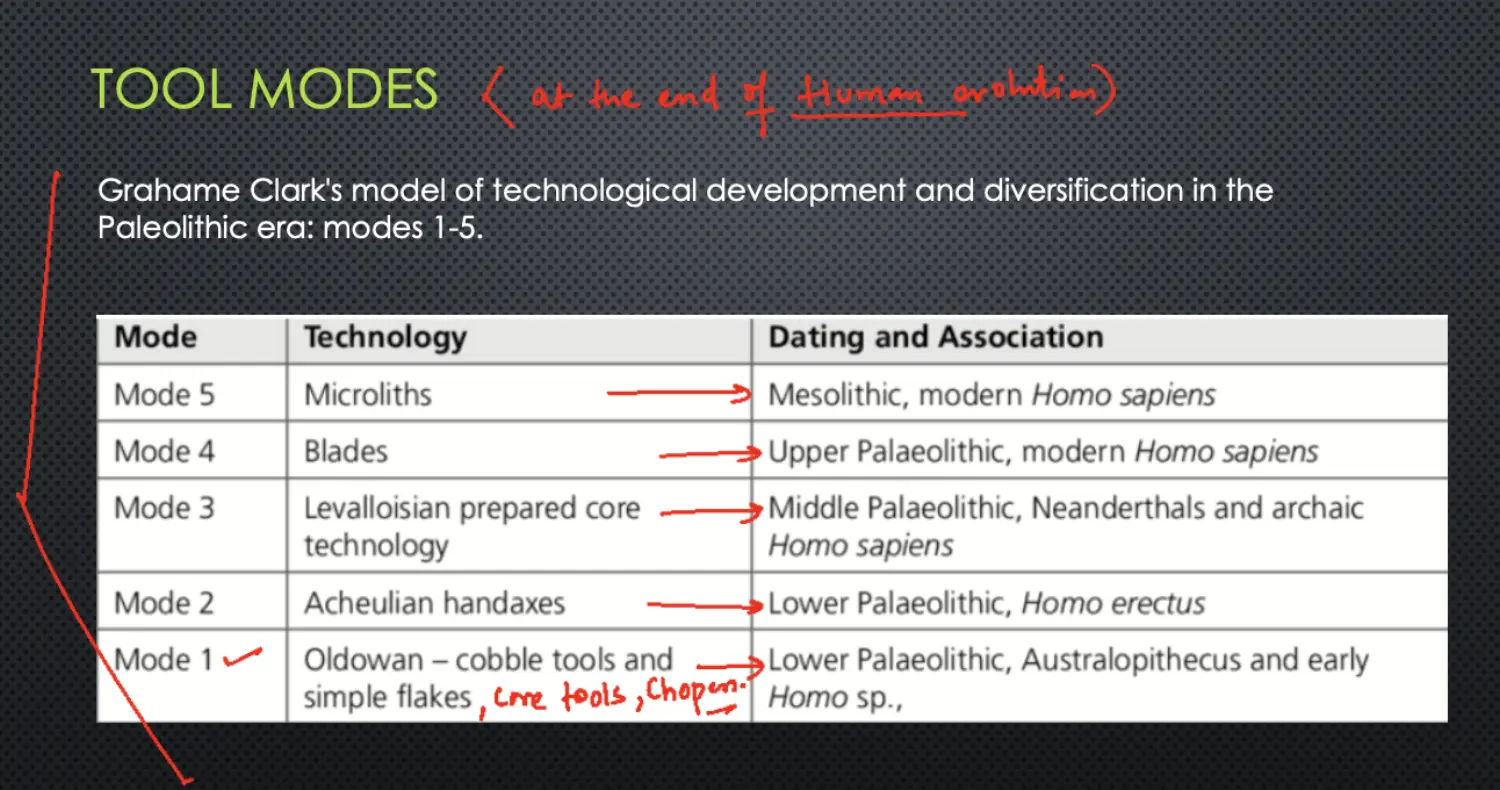
Tool Modes → Mode 1 to Mode 5 (useful in archaeological too)
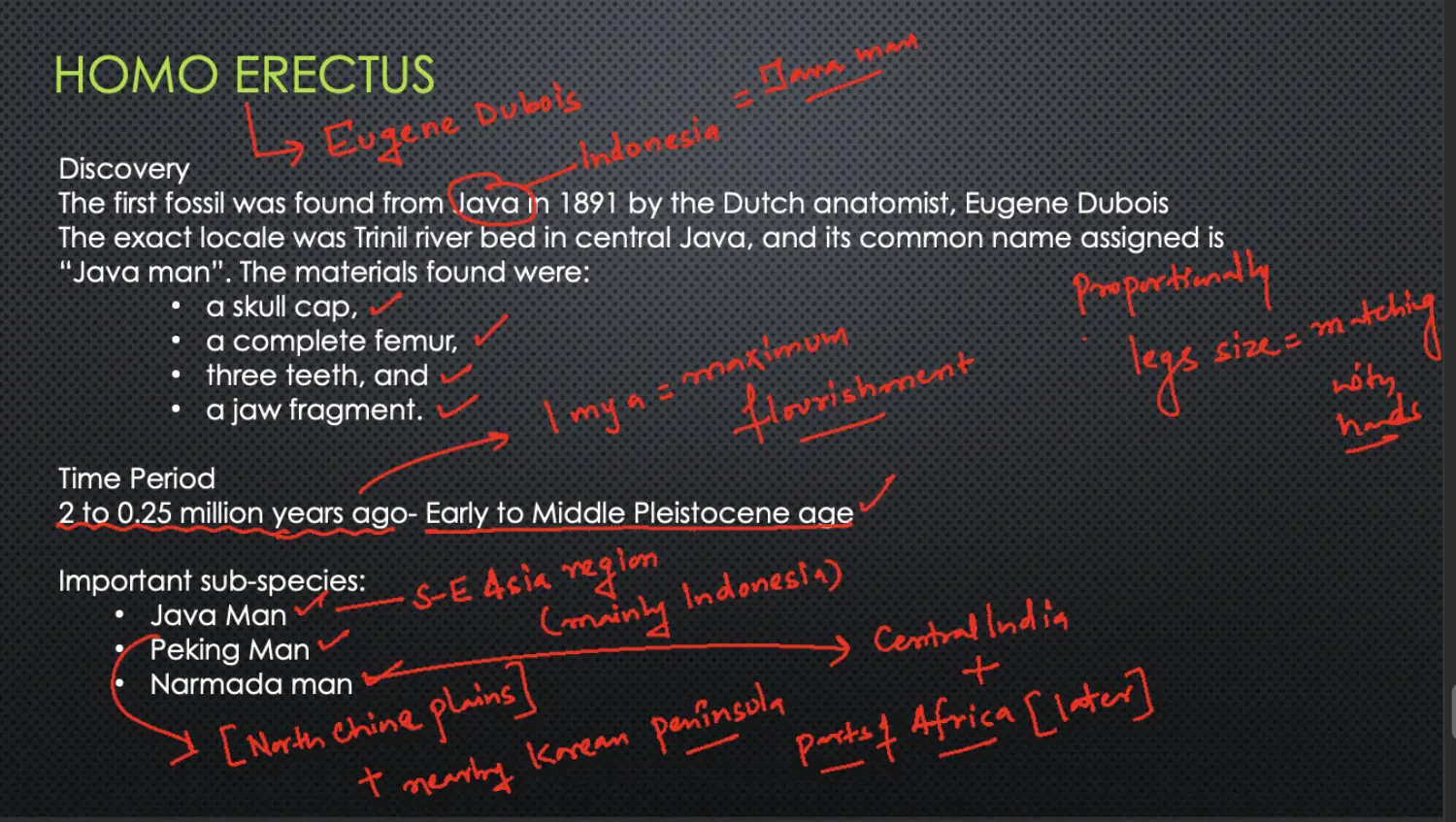
Homo Erectus - 2 to 0.25 MYA
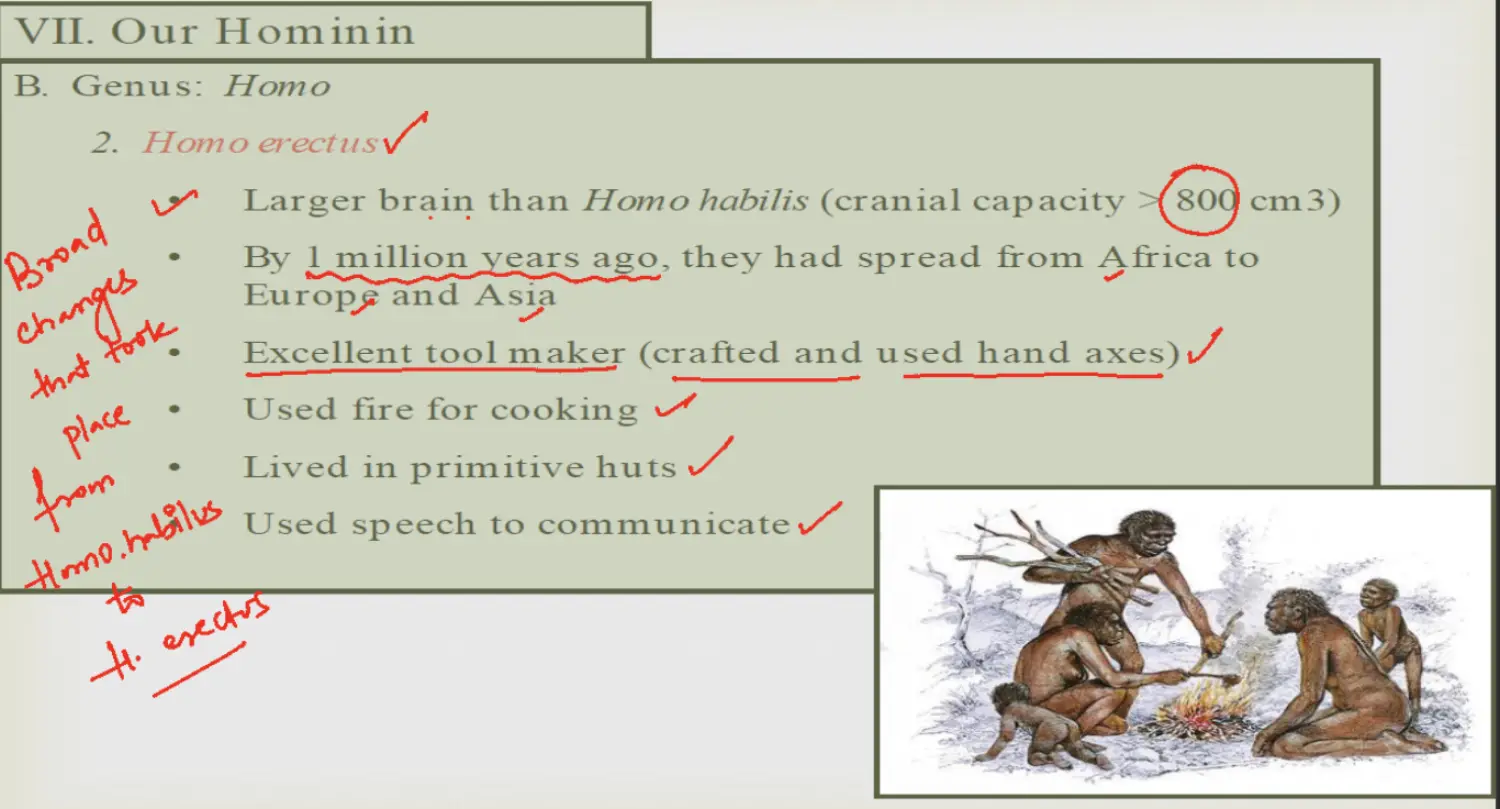
Introduction & Broad Changes
Discovery & Time Period
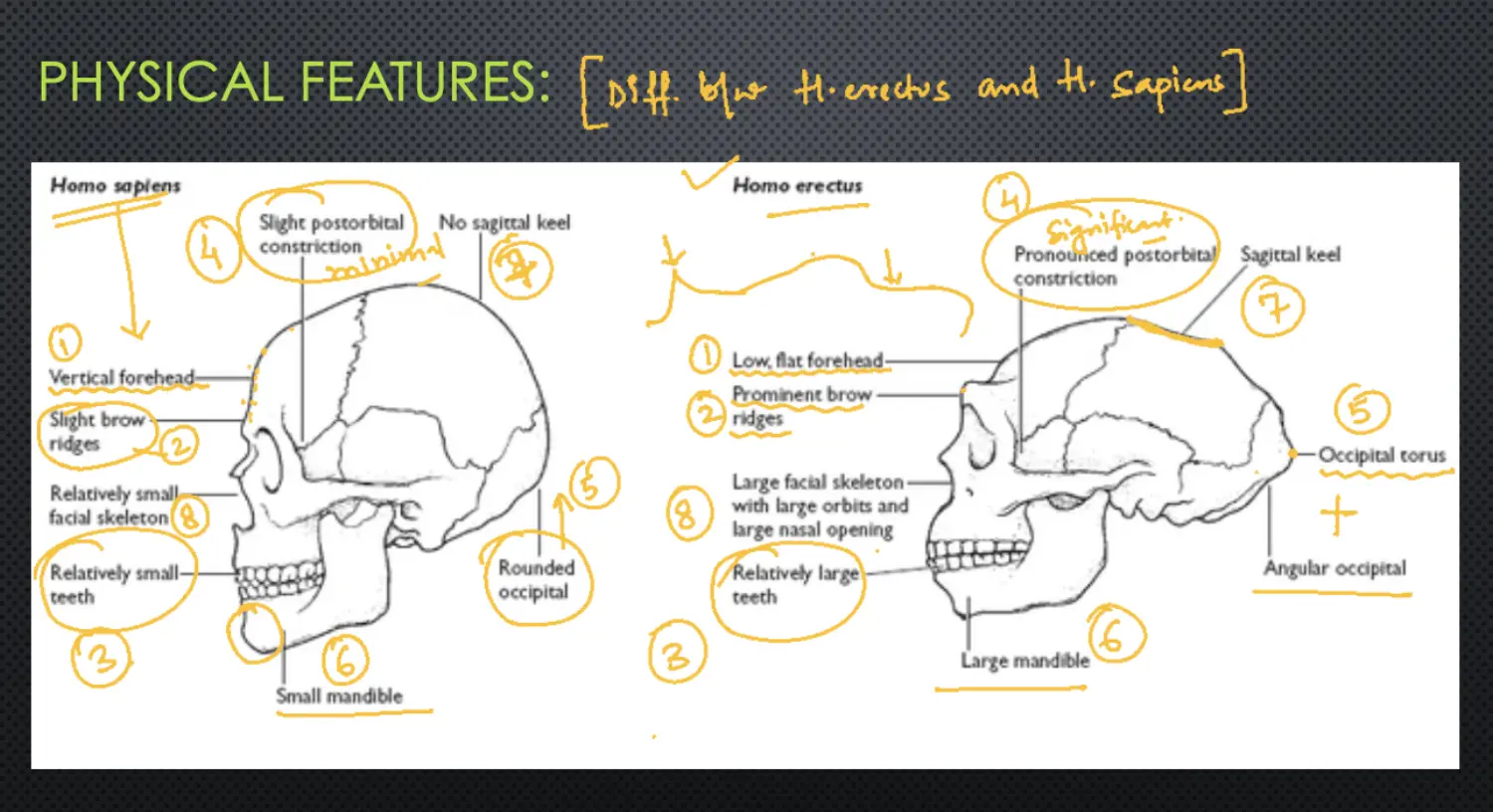
Difference Between Homo Erectus & Homo Sapiens
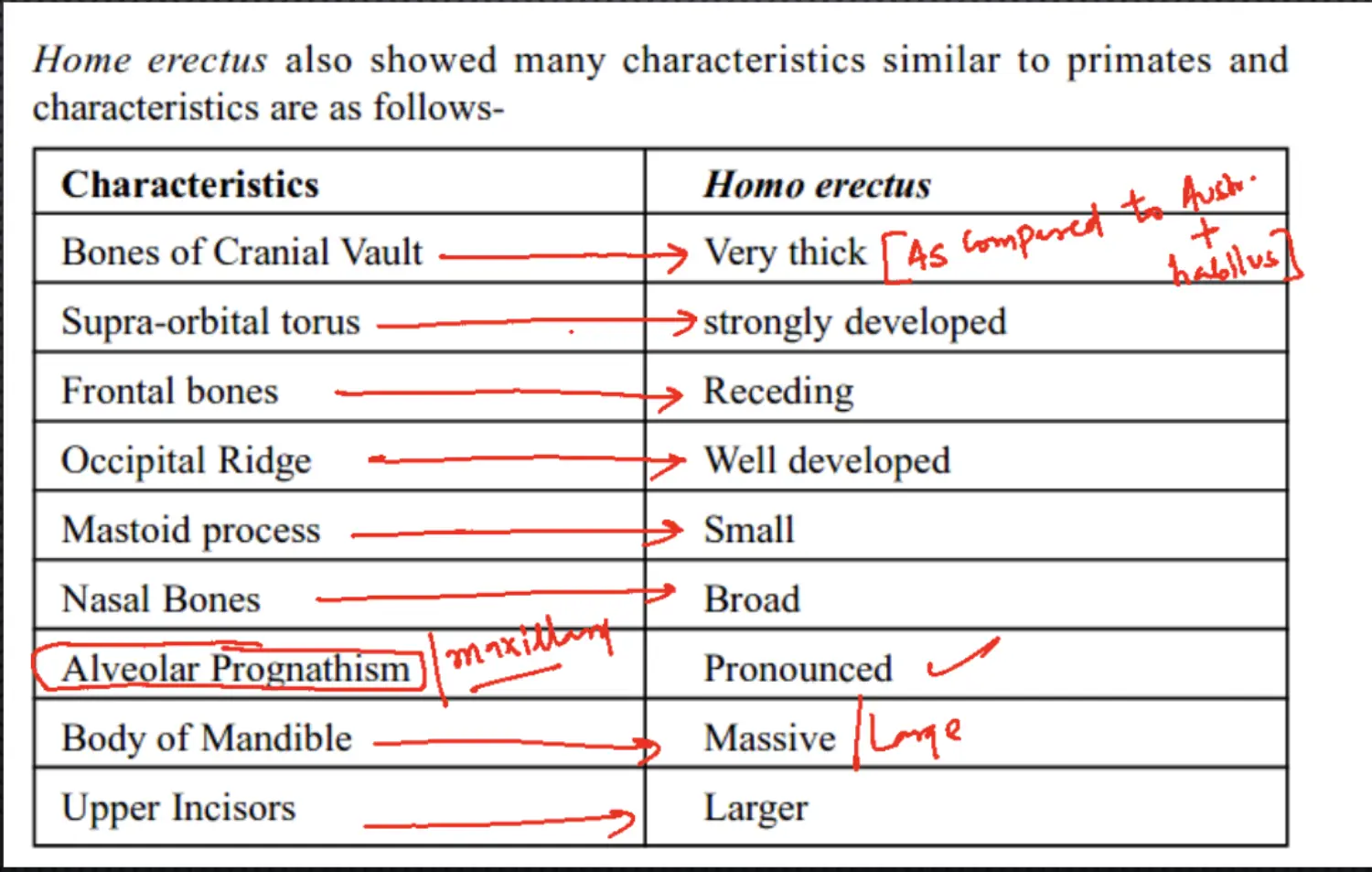
Physical Features of Homo Erectus
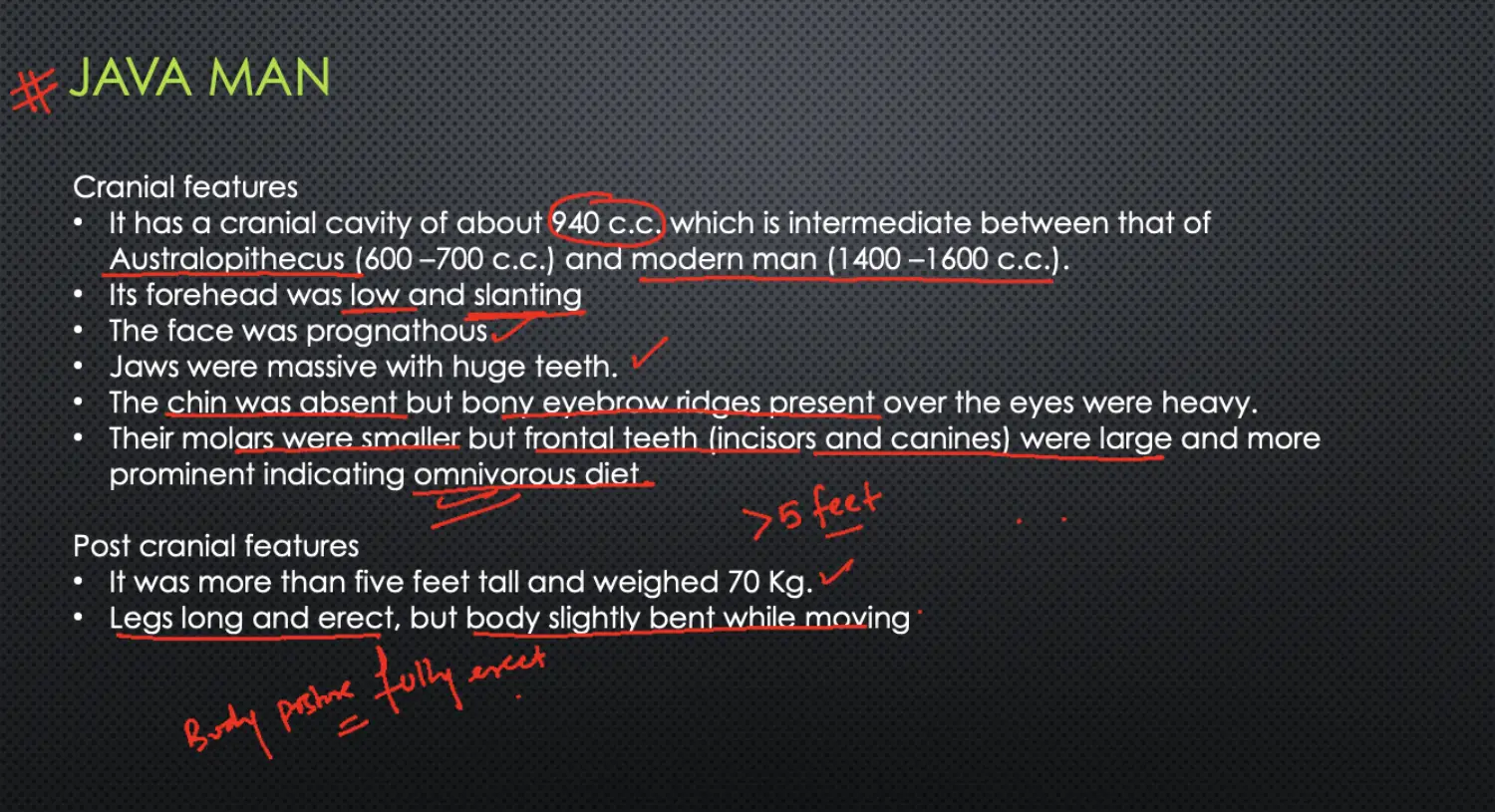
Feature of Sub Species 1 - Java Man
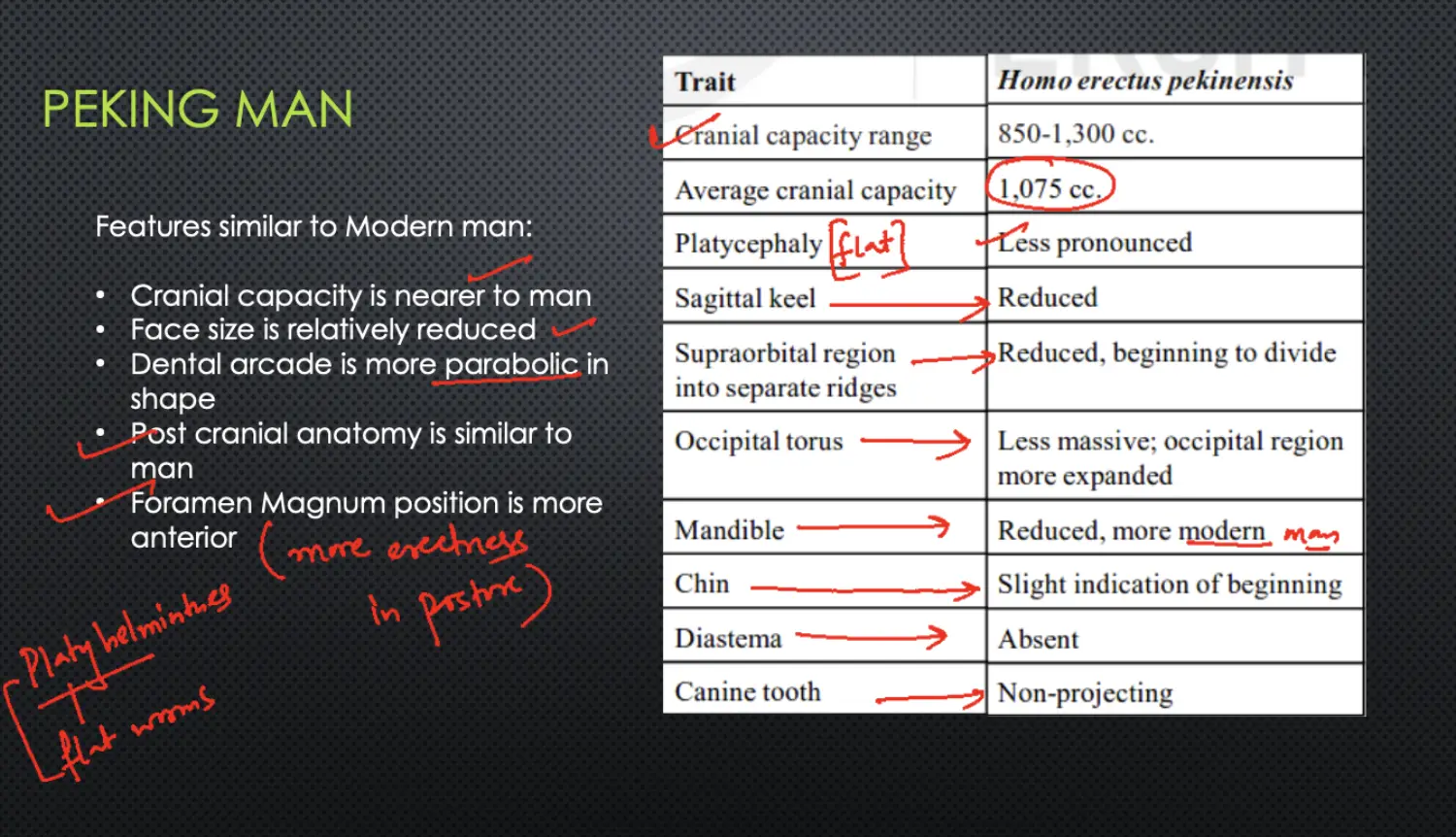
Feature of Sub Species 2 - Peking Man
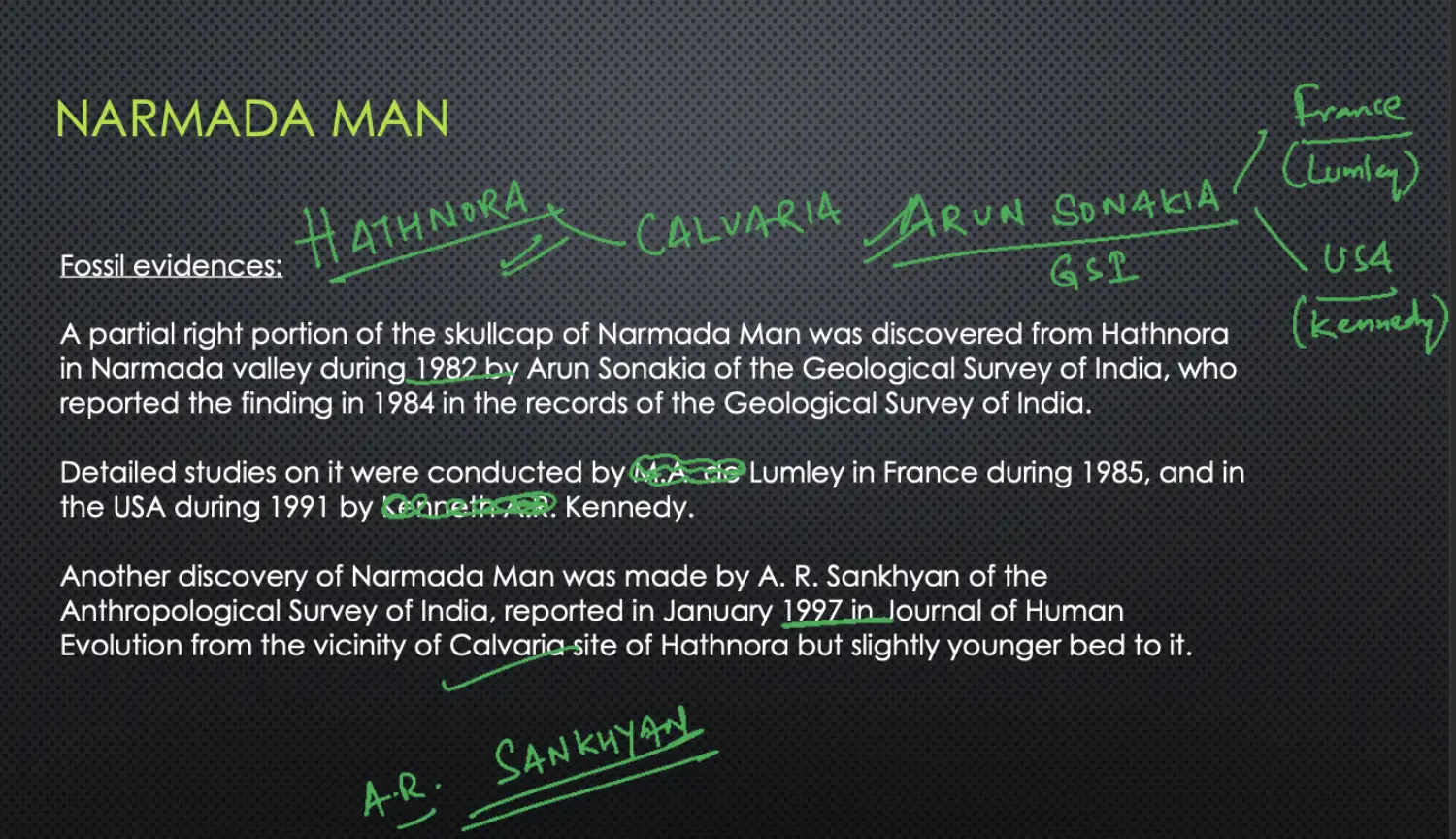
Feature of Sub Species 3 - Narmada Man
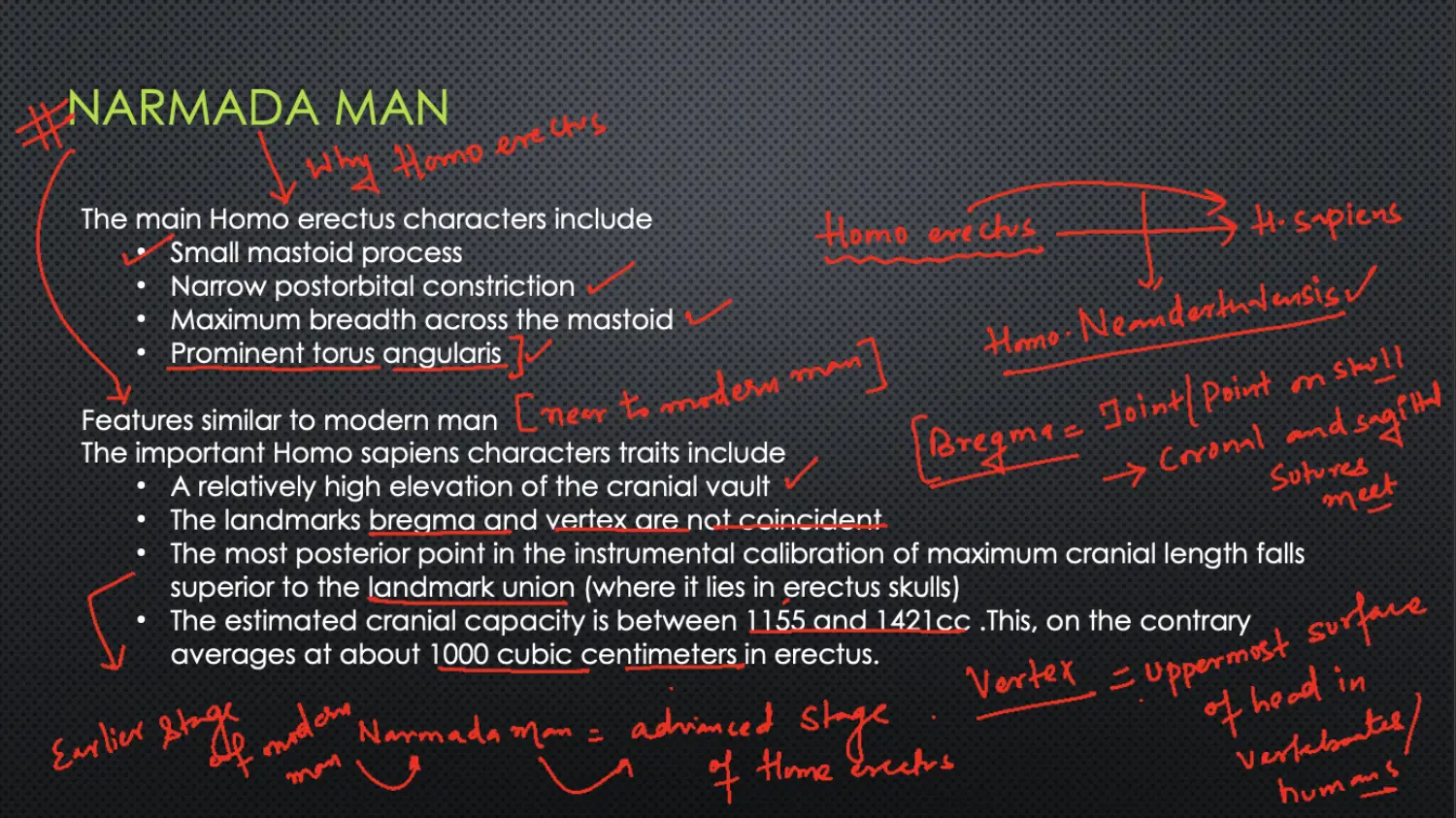
The most posterior point in the skull of narmada man, is not matching with typical homo erectus and it is close to modern man i.e Maximum Cranial Length is More
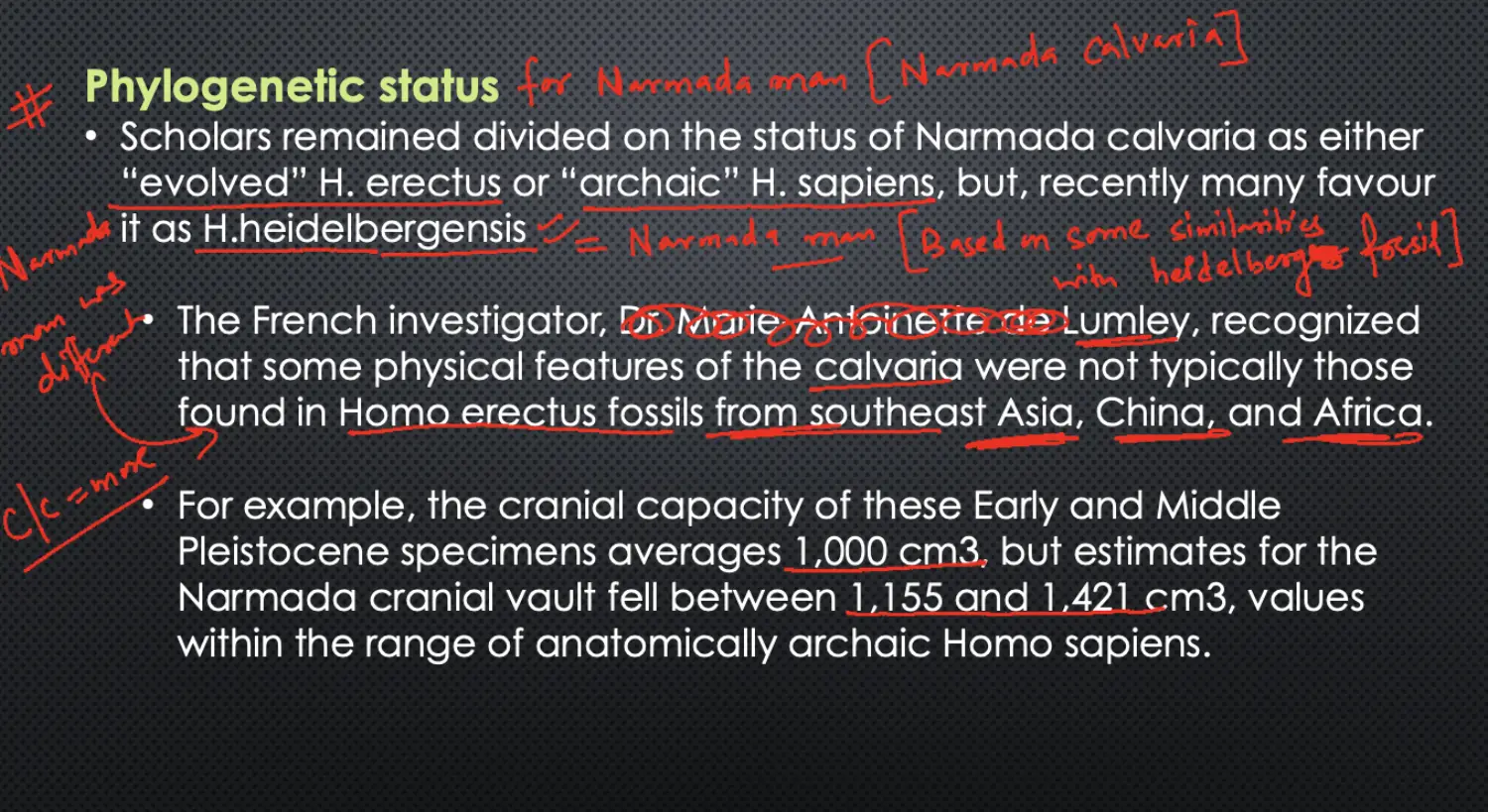
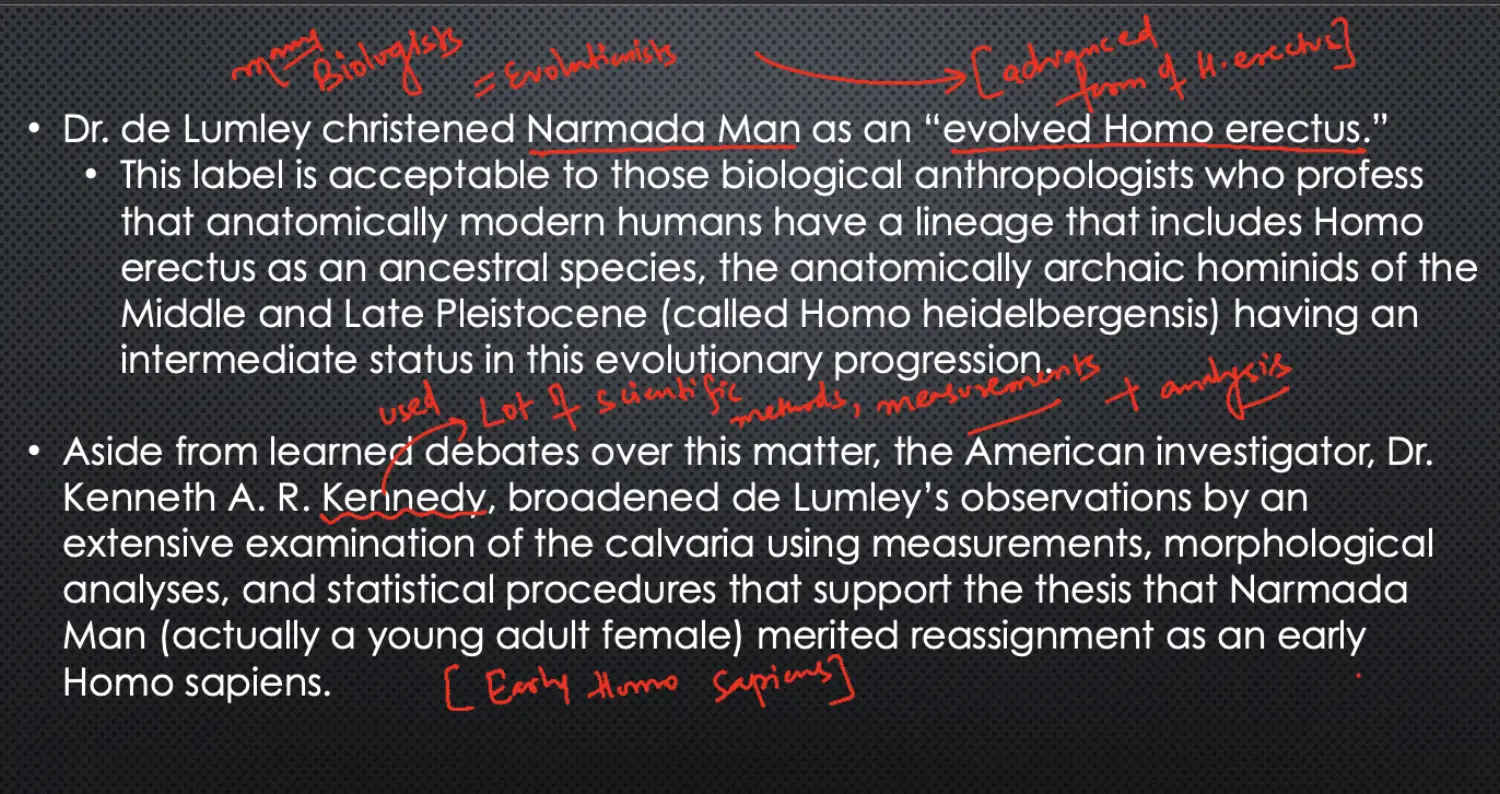
Phylogenetic Debate / Status
Home Sapiens Neanderthleaensis - 1.3 L to 30 K YA
Called by Different Names but is Same
- Homo Sapiens Neanderthalensis
- Homo Neanderthalensis
- Neanderthals
- Neanderthal Man
Introduction
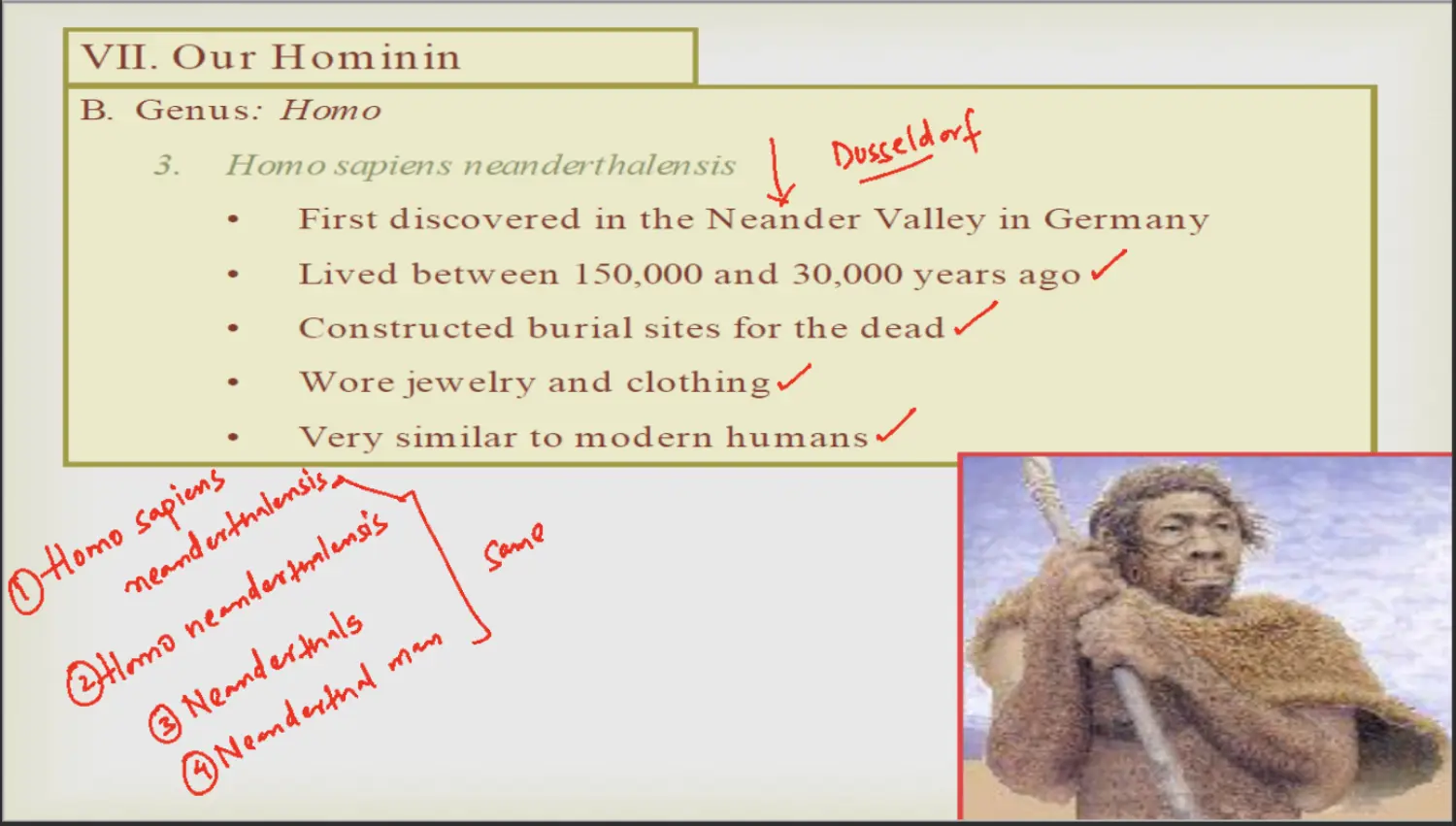
Time Period
- 1 Lac to 30 K Years Ago → Progressive Neanderthals
- 2 Lac to 1 Lac Years Ago → Classic Neanderthals → here they emerged, Not Ended
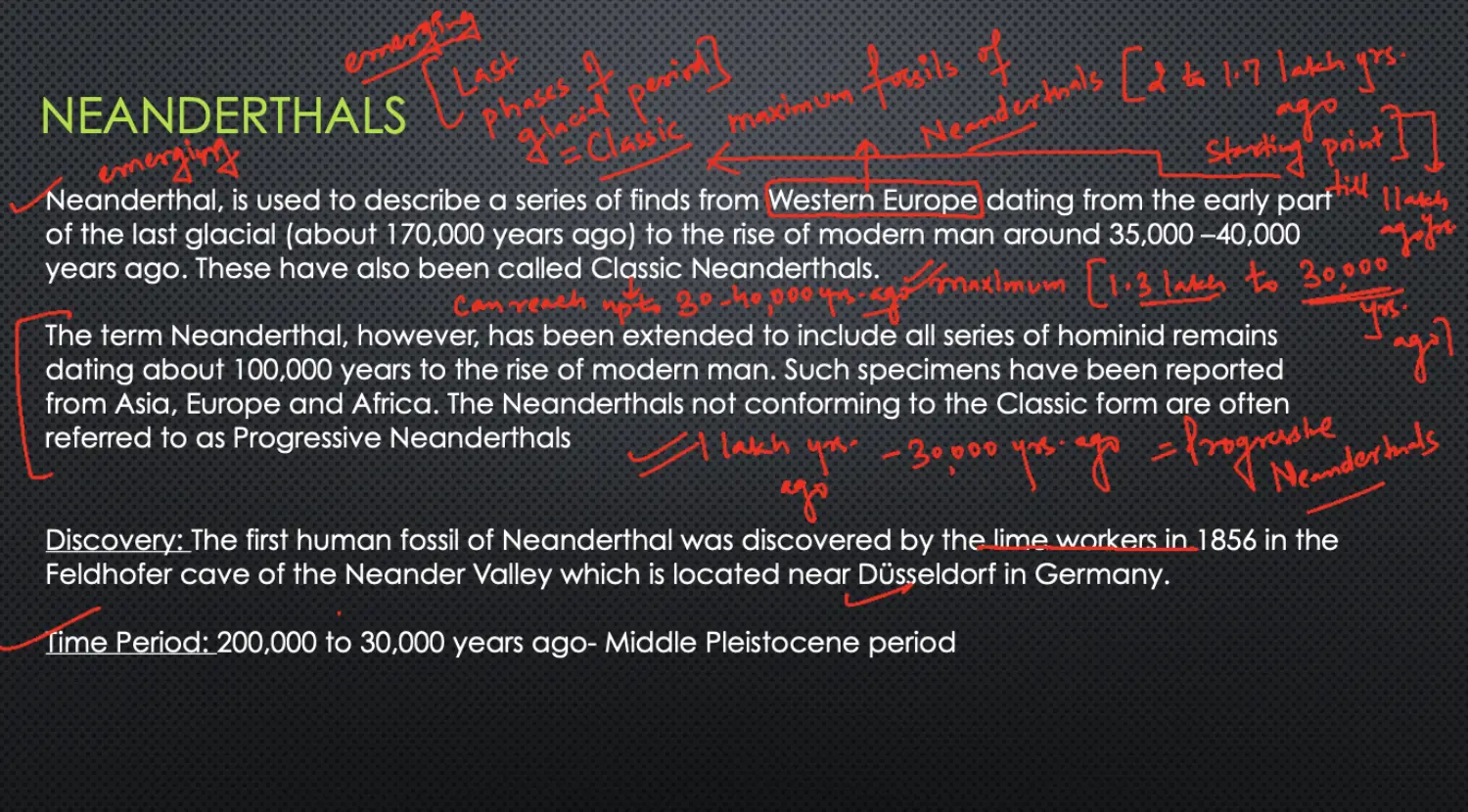
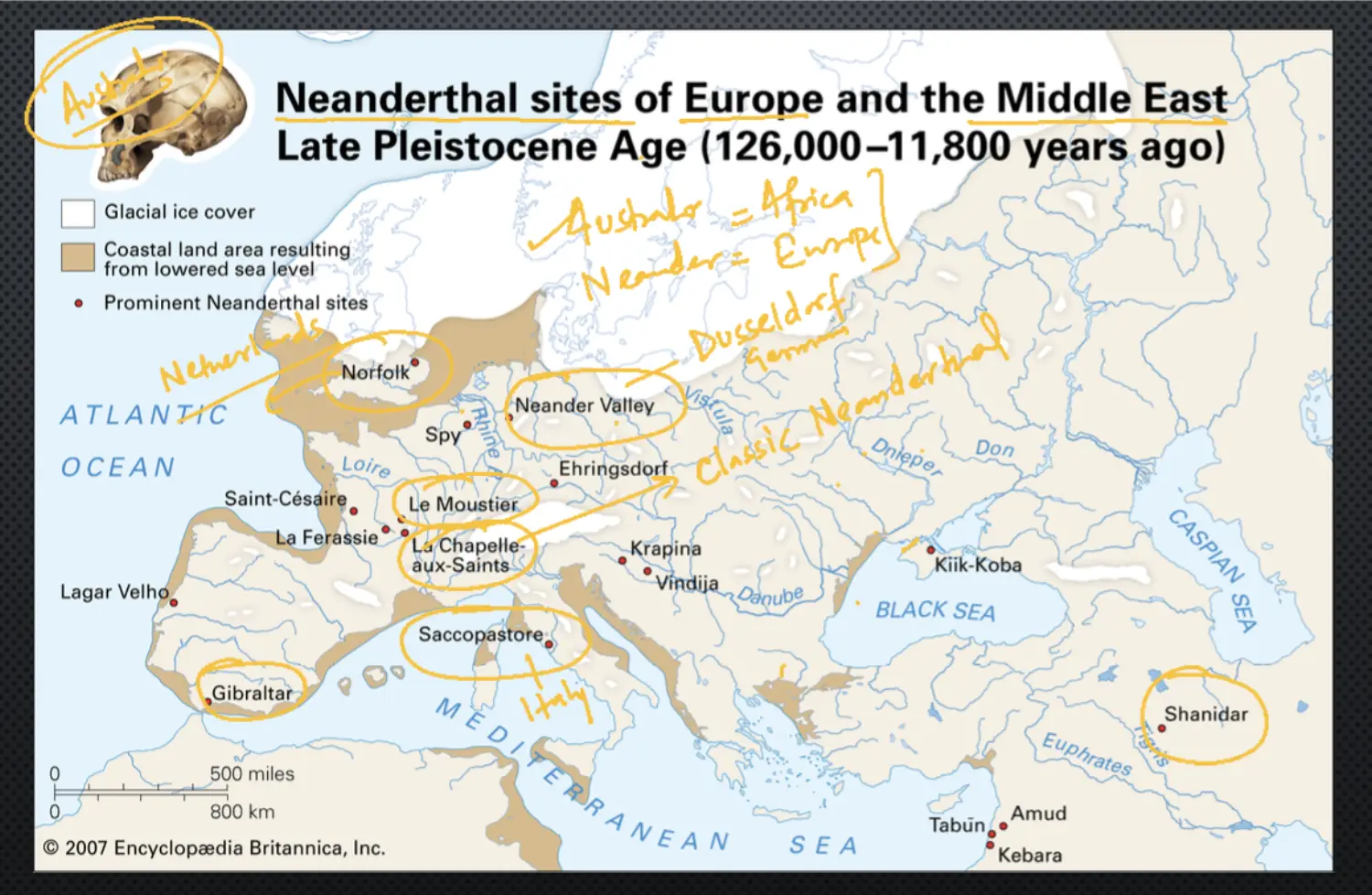
Location
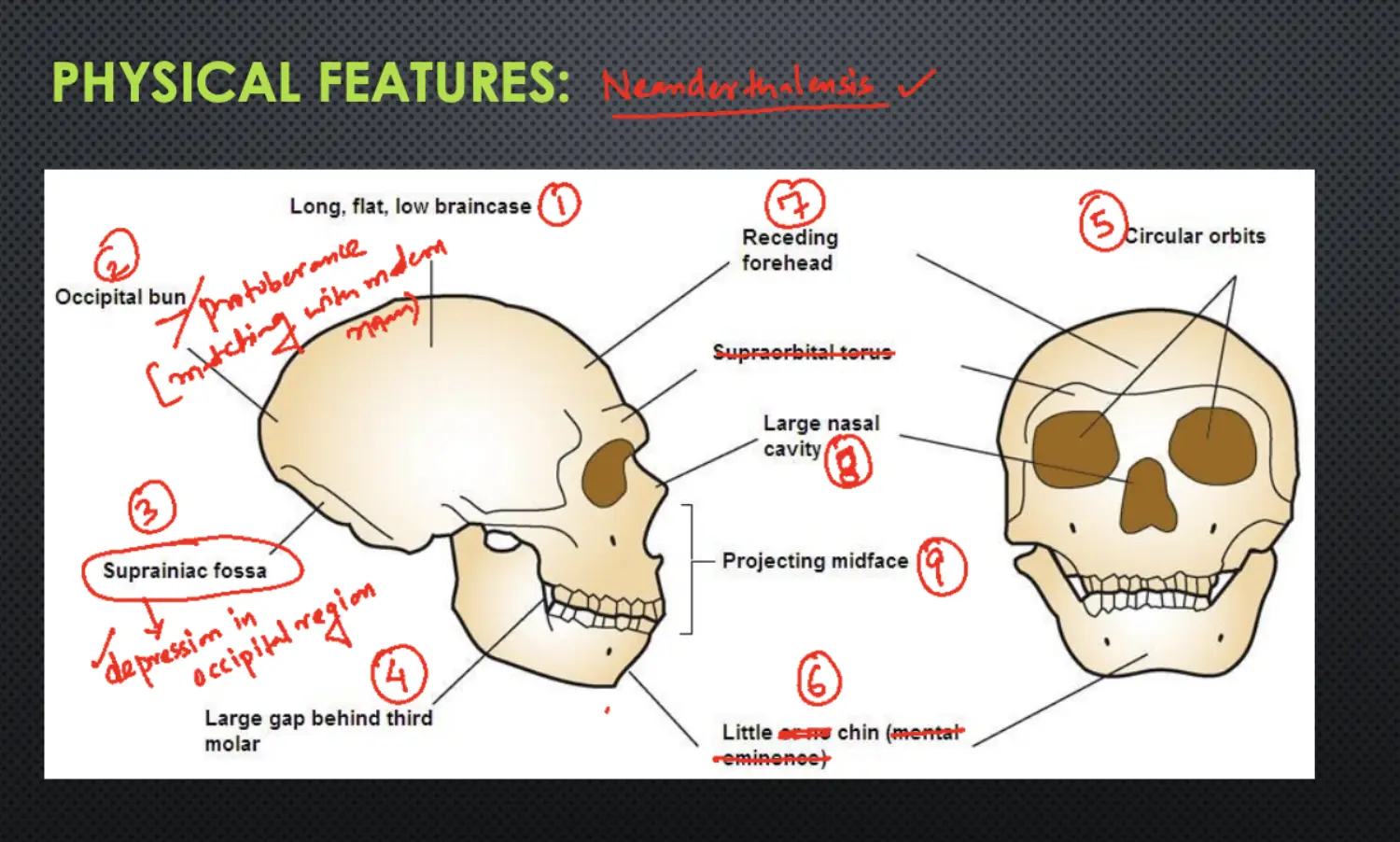
Physical Features of Neanderthalensis
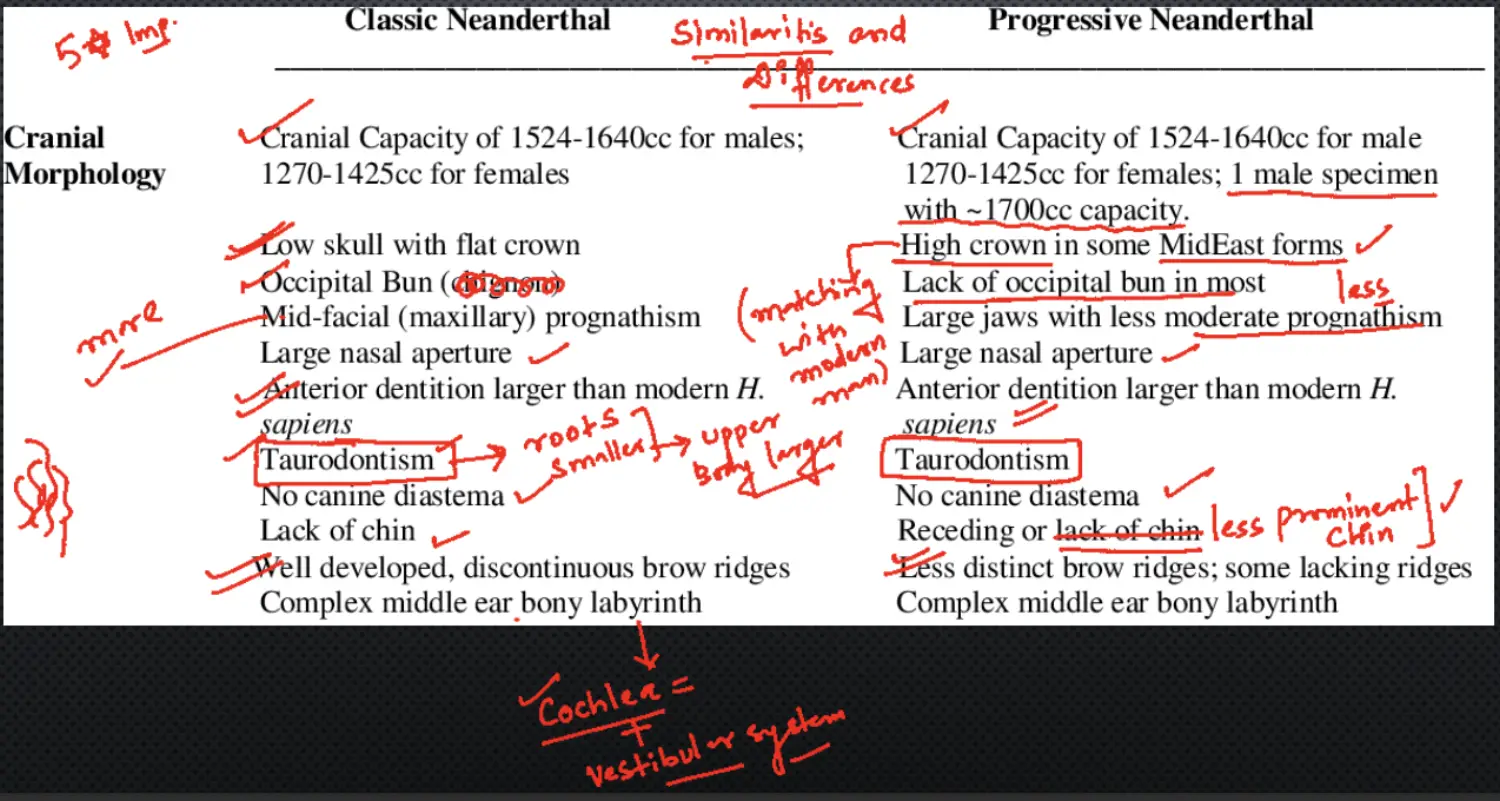
Classic & Progressive Neanderthals
Similarities & Differences Between Classic and Progressive Neanderthals ( 5 * Imp )
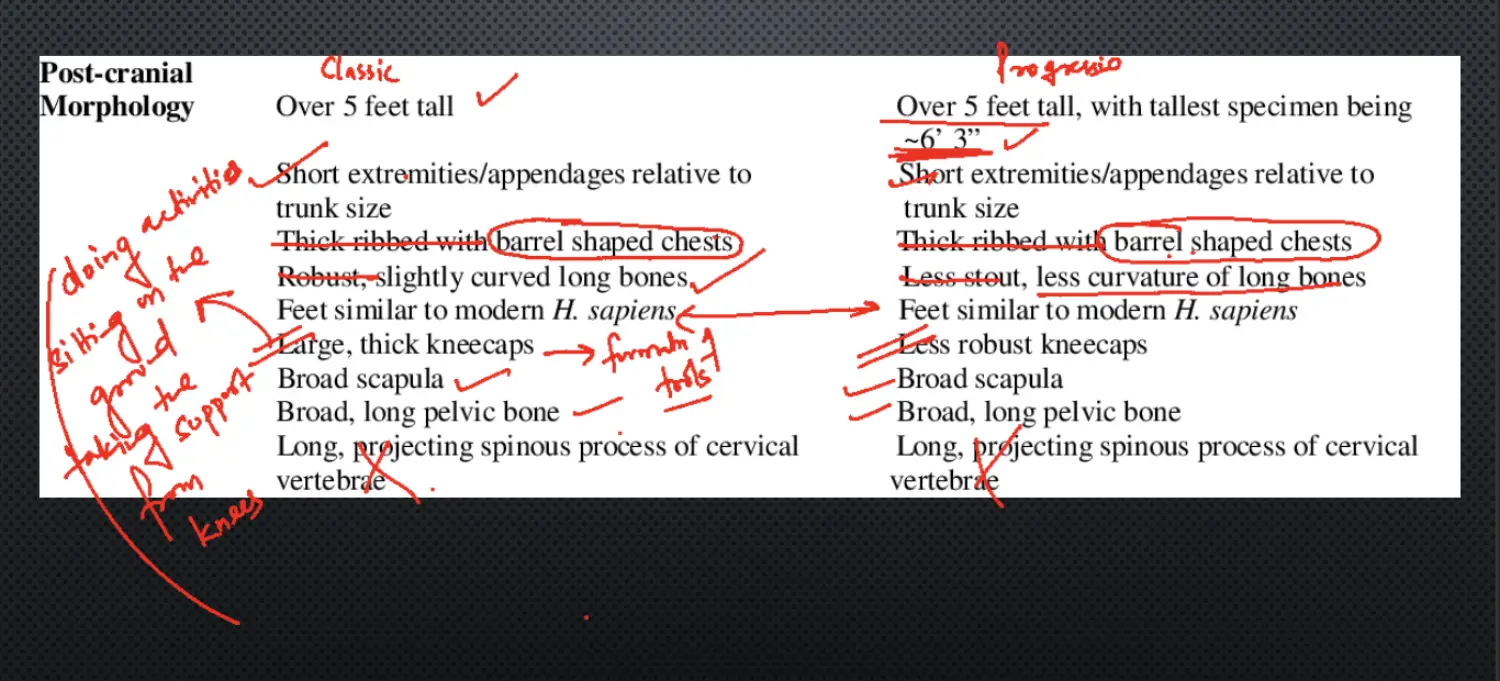
Post Cranial Morphology of Classic and Progressive Neanderthals
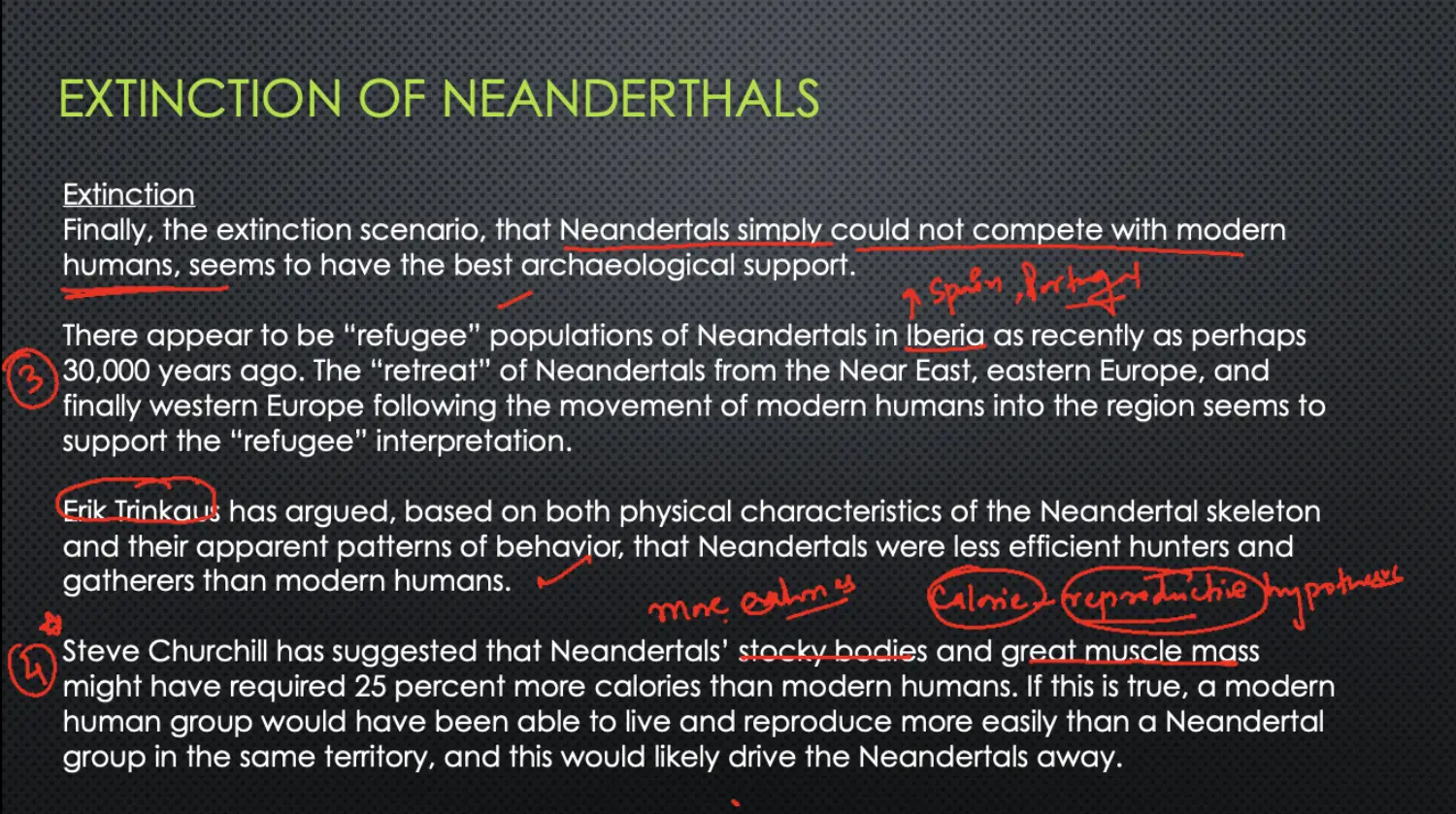
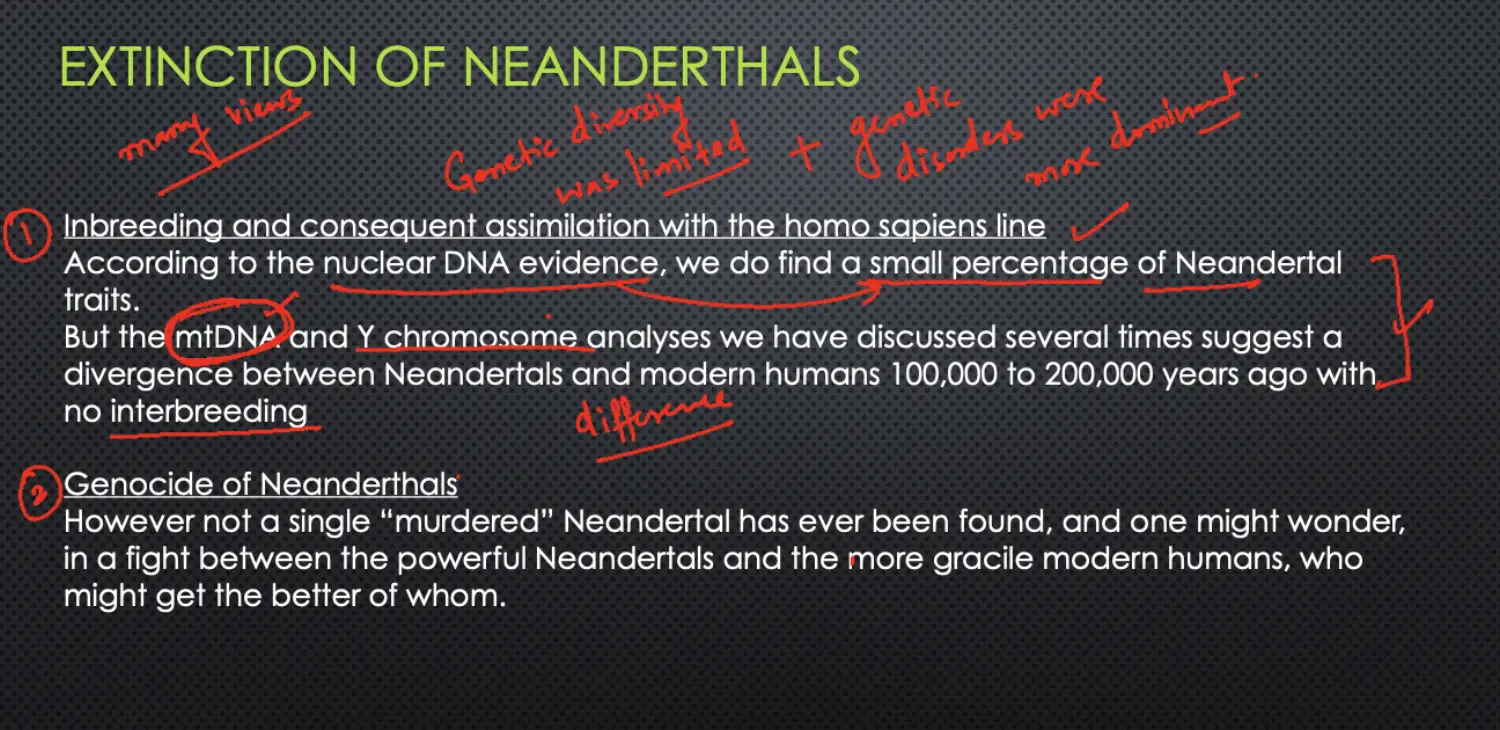
Extinction of Neanderthals - Theories
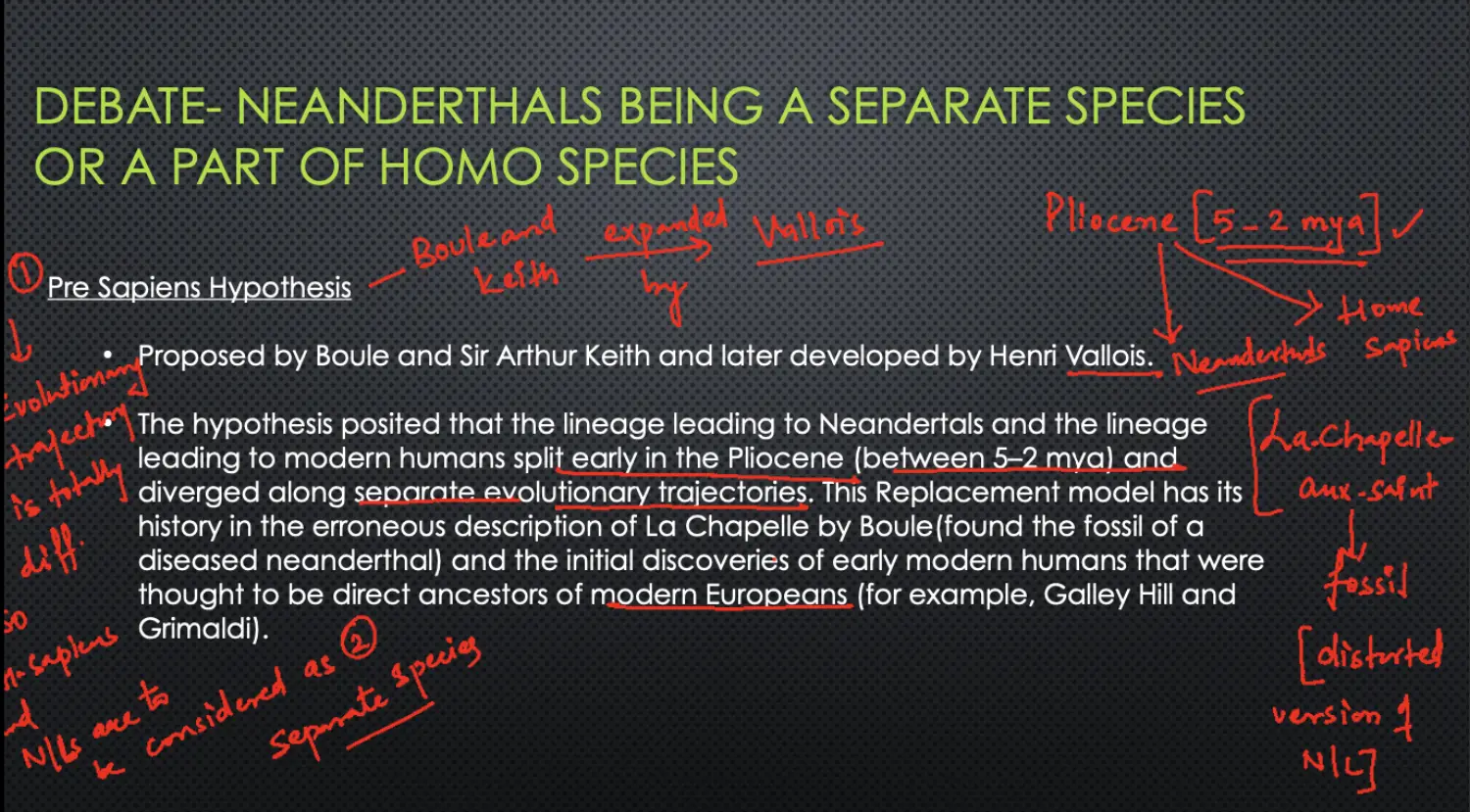
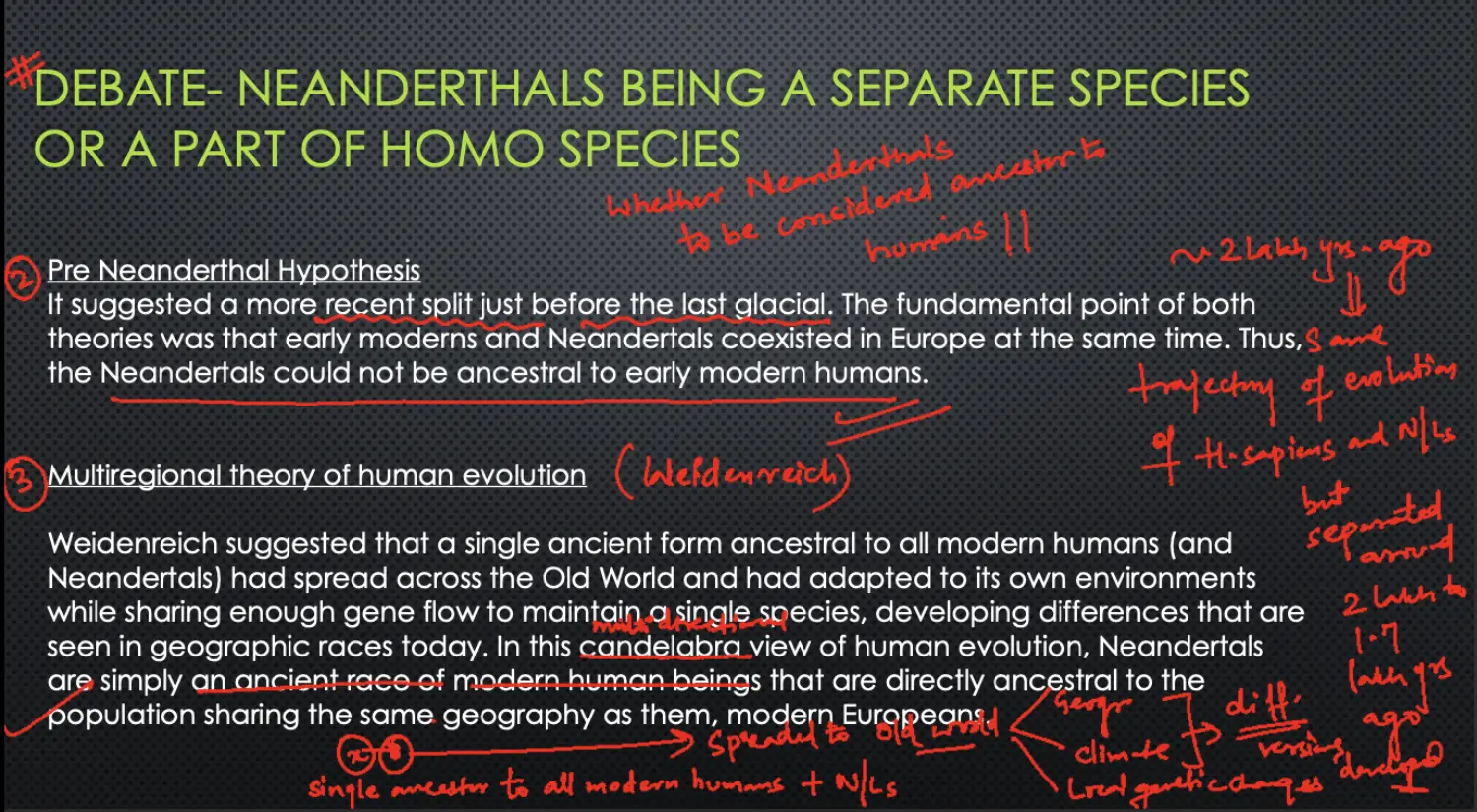
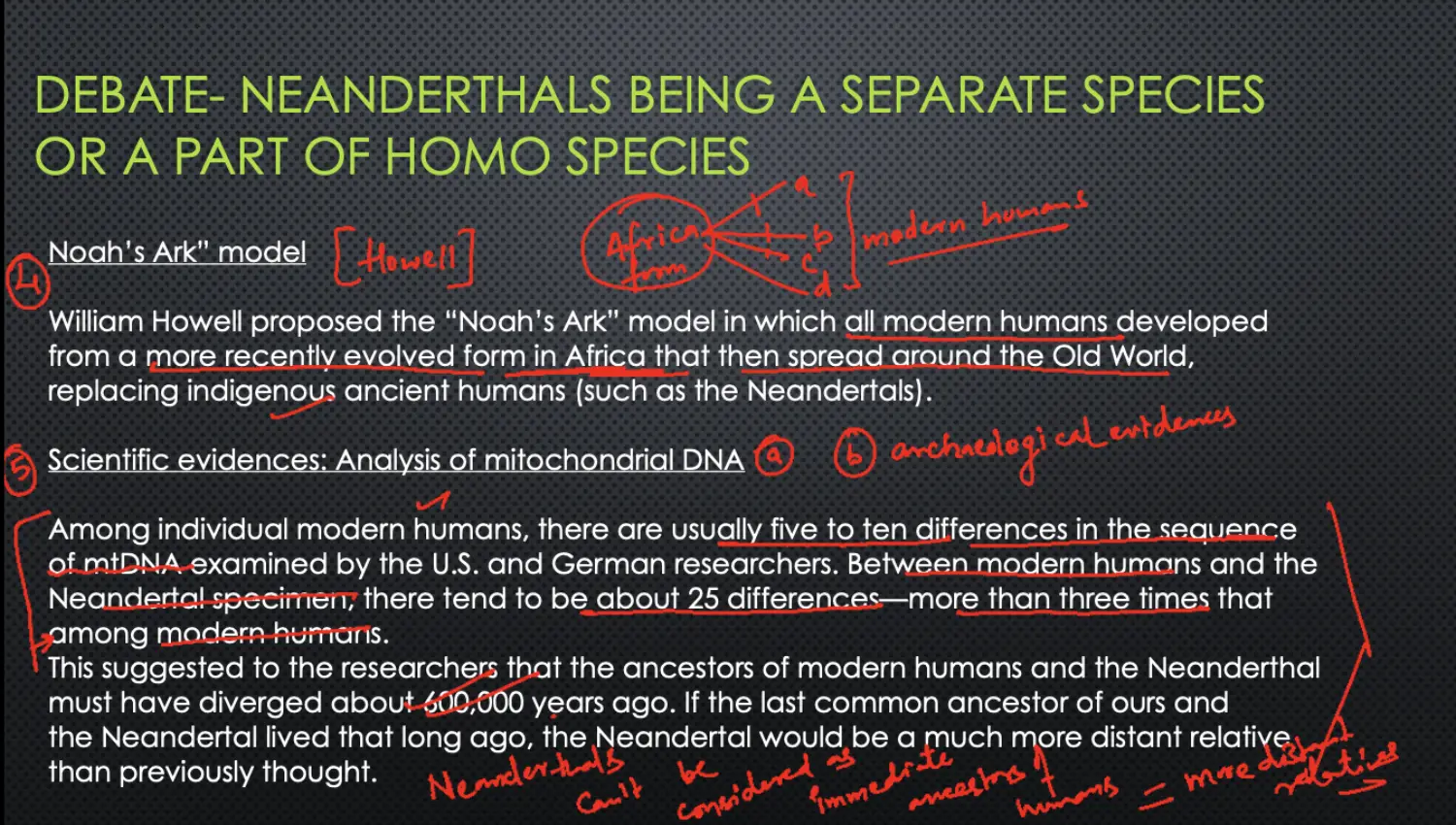
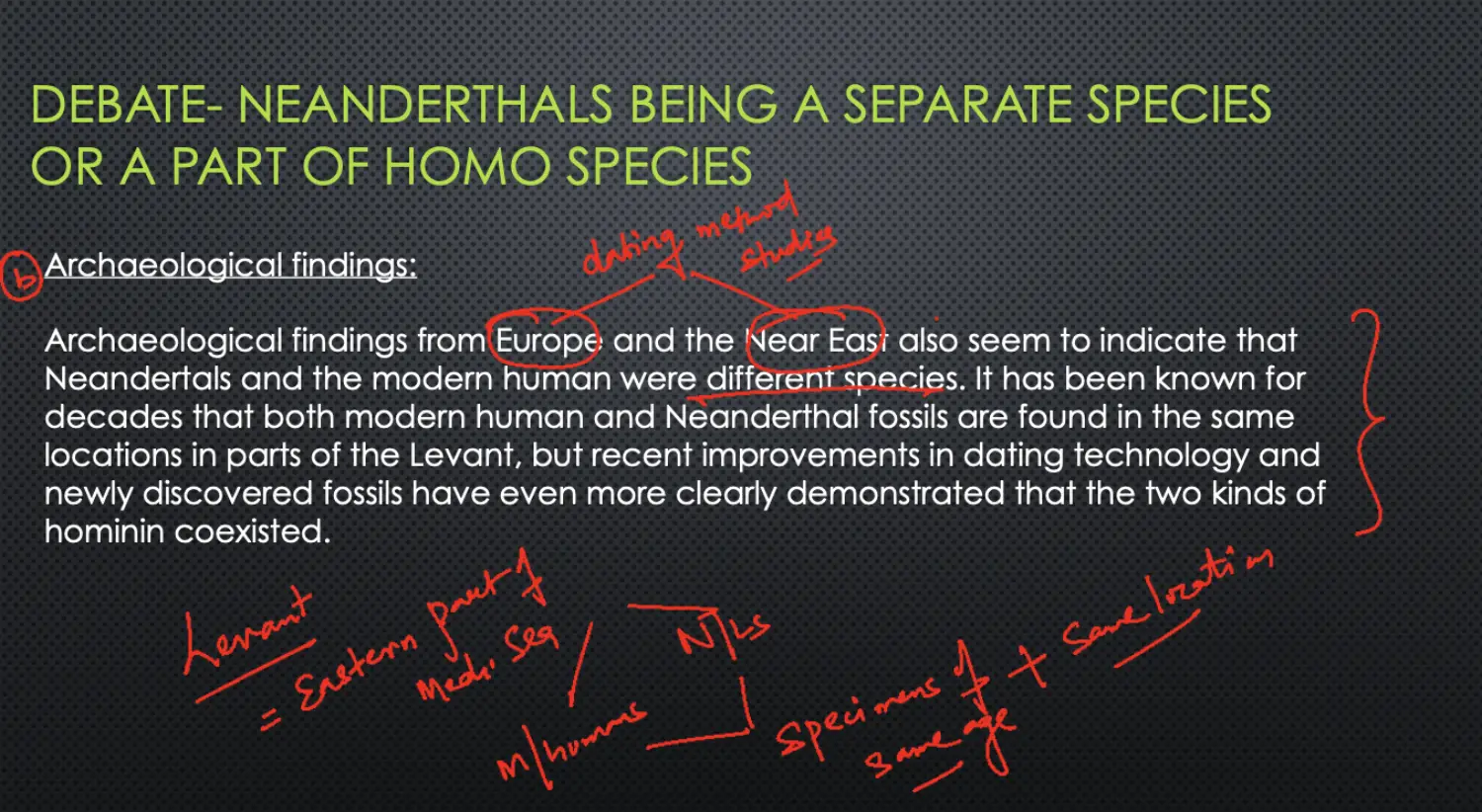
SUMMARY → Debate - Neanderthals Being a Separate Species or a Part of Homo Sapiens
- Summary
- Pre Neanderthal Hypothesis
- Pre Sapiens Hypothesis by Boul & Keith
- Multi Regional Theory
- Ark Model
- Scientific Evidences Based on
- Mitochondrial DNA
- Archaeological Findings
Conclusion of Debate
The Continuos Debate Related to Position of Neanderthals vis a vis modern humans is more of diverging nature of these two hominin’s
Later Arguments & Acceptance, by Various Evolutionary Anthropologists considered these two as close relatives which existed at some matching time period as well as in a sequential timeline
So even if Neanderthals are NOT the closest relative of Modern Man, this hominin is definitely contributed to evolutionary studies of Homo Sapien Sapiens
- Summary
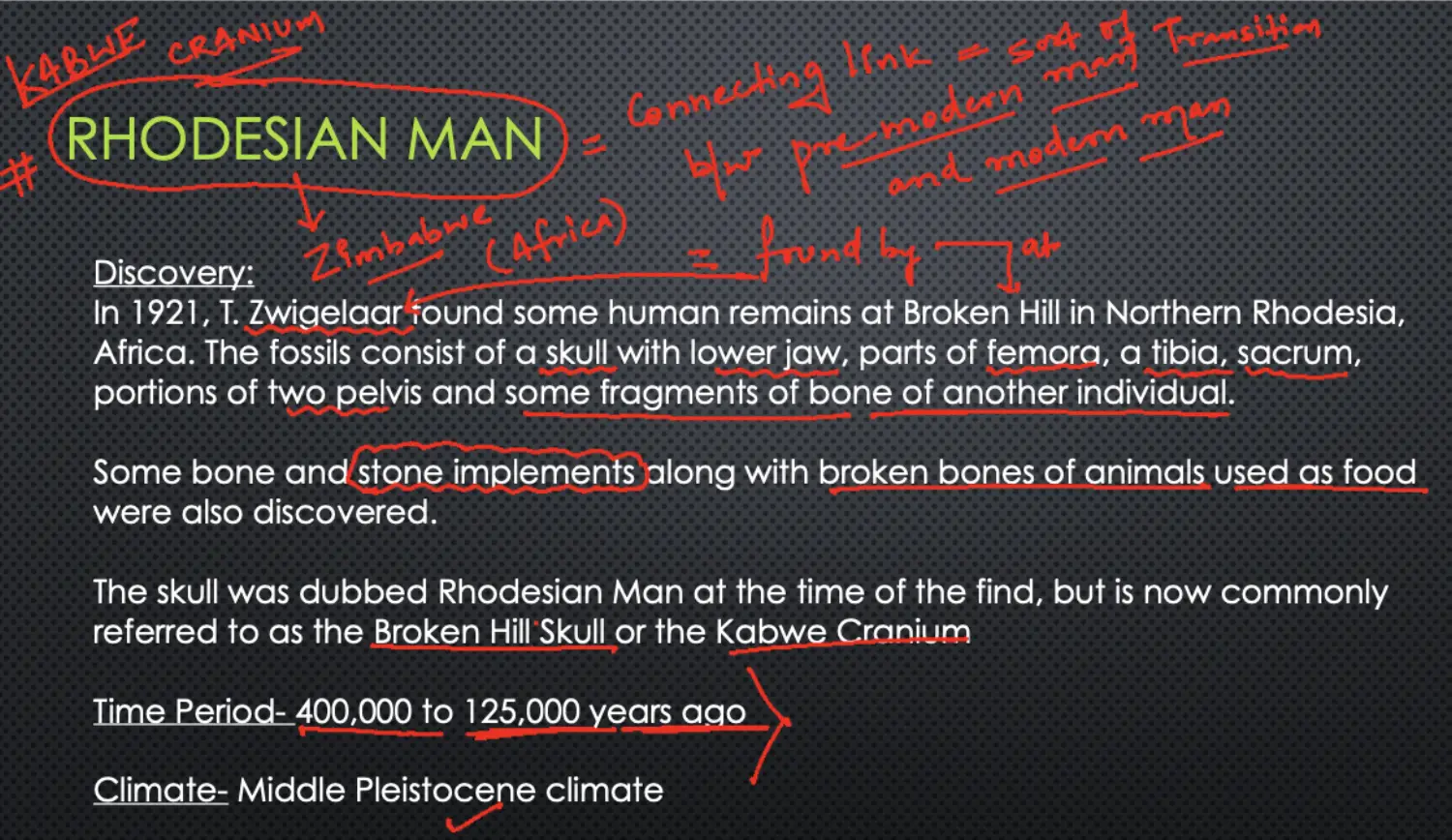
Rhodesian Man - 4 L to 1.25 L Years Ago
Introduction
Its a Transition Specie
Connecting Link Between Pre Modern Man & Modern Man
Rhodesia is old name of Zimbabwe Region of Africa
Fossil Found by Zwigglee at Broken Hill in Northern Rhodesia
He Found, Lower Jaw, Femur Parts, Tibia, Sacrum Portion of Two Pelvis, Some Fragments of one of Another Individuals
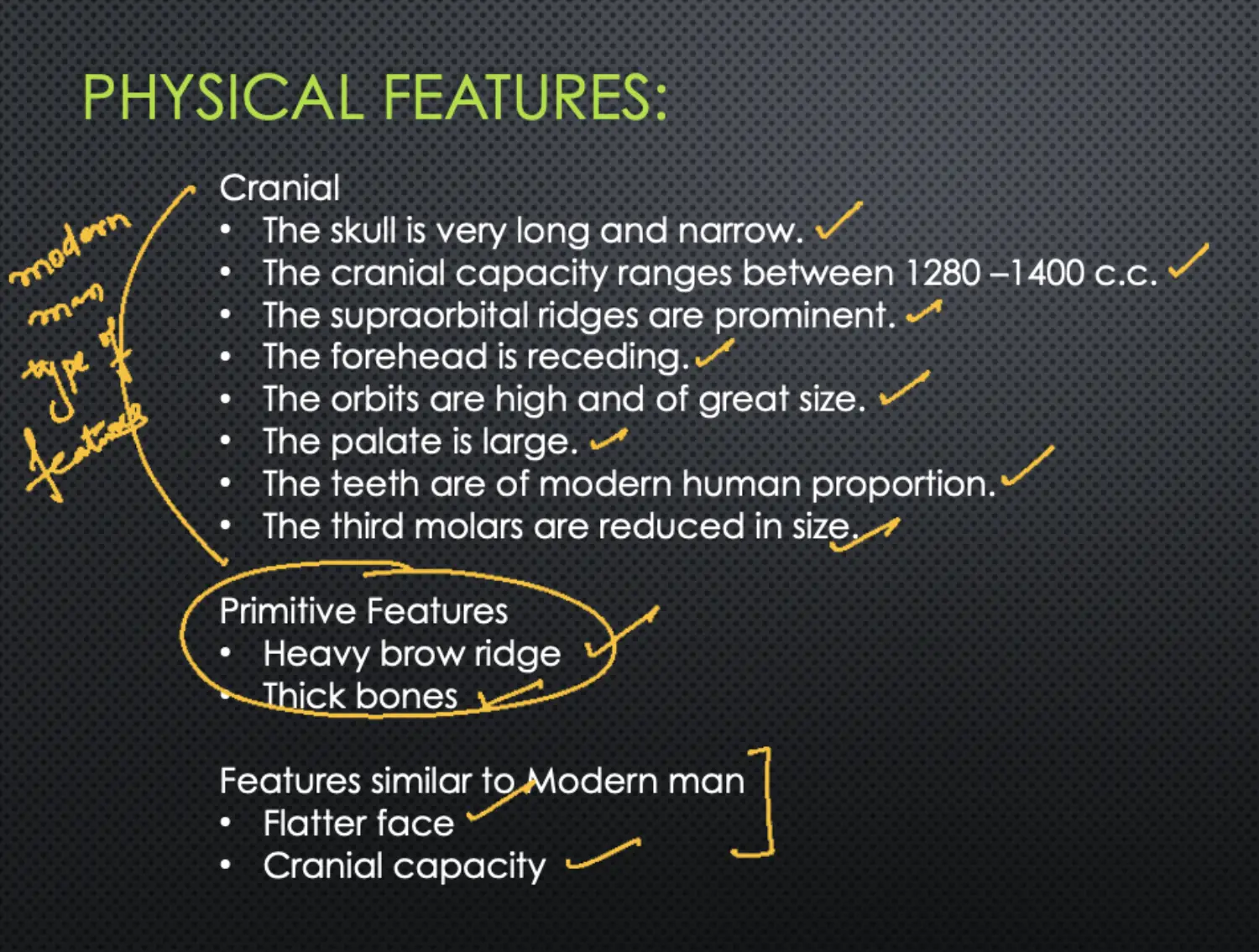
Physical Features
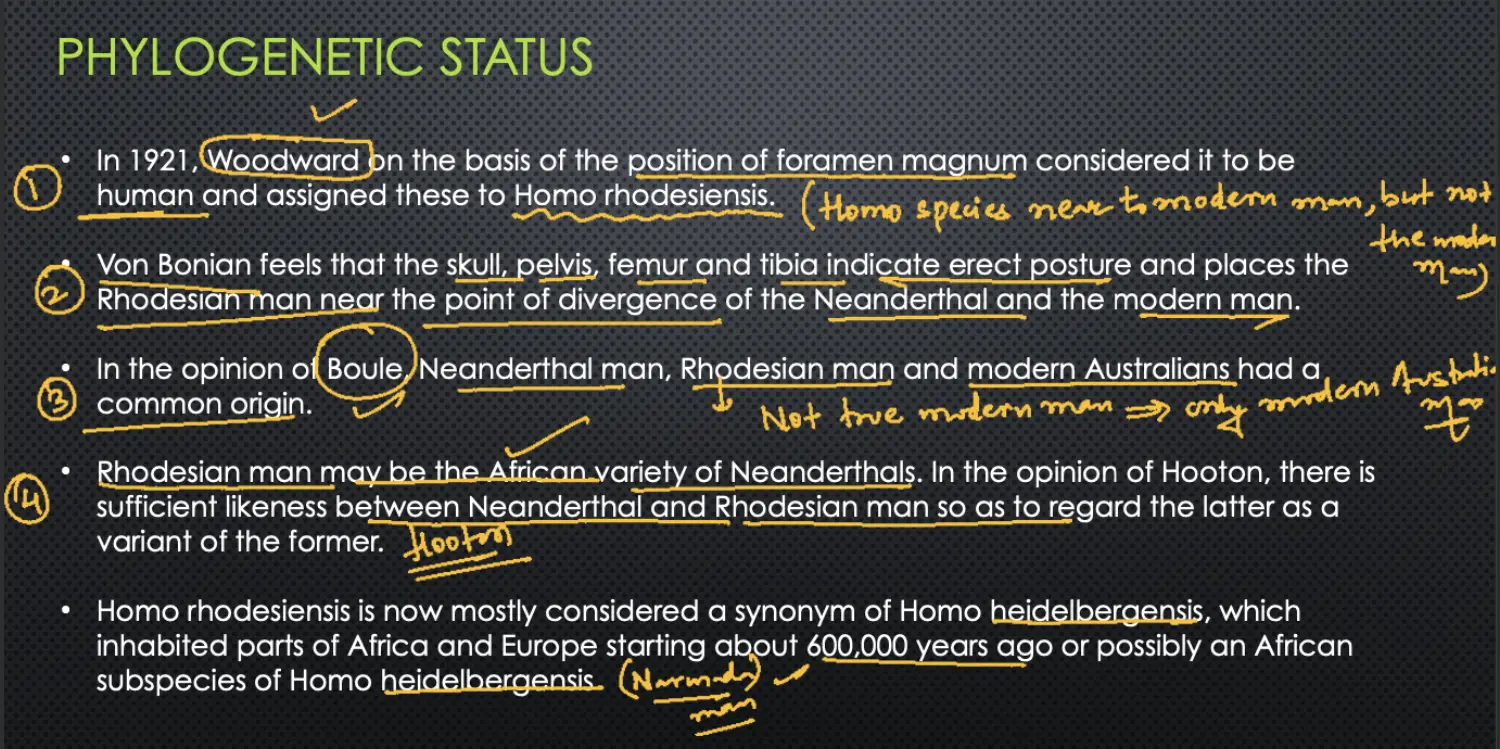
Phylogenetic Status
- Summary
- Woodward
- Von Bonian
- Boule
- Hootan
- Some Studies
- Recent Findings - Kabwe Skills
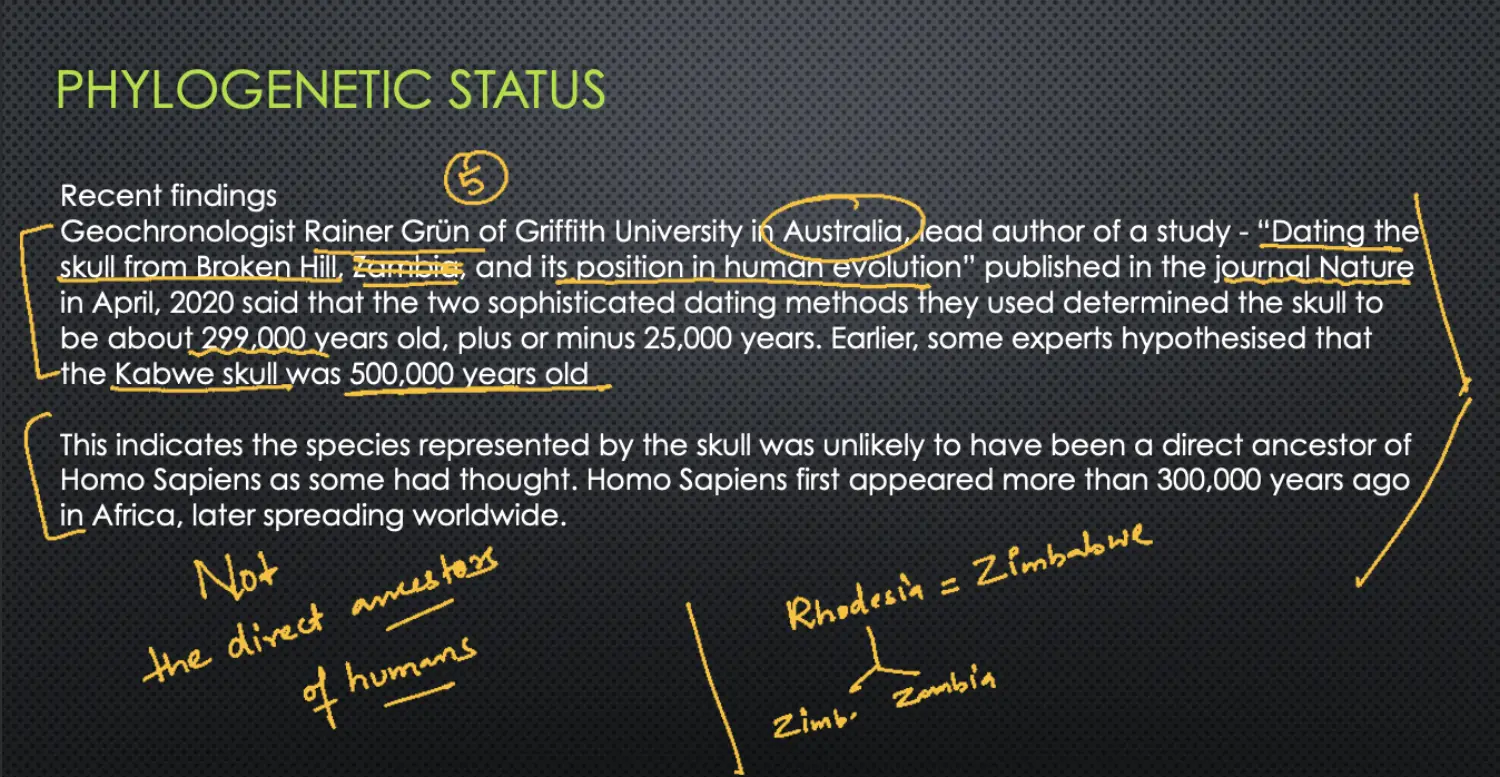
- Summary
Homo Sapiens - 5 Lac Years Ago
To Reach Homo Sapiens Sapiens, we have to cross Homo Sapiens of Cro Magnon, Grimaldi, Chancelade
Introduction
To Study - Cro Magnon, Grimaldi, Chancelade
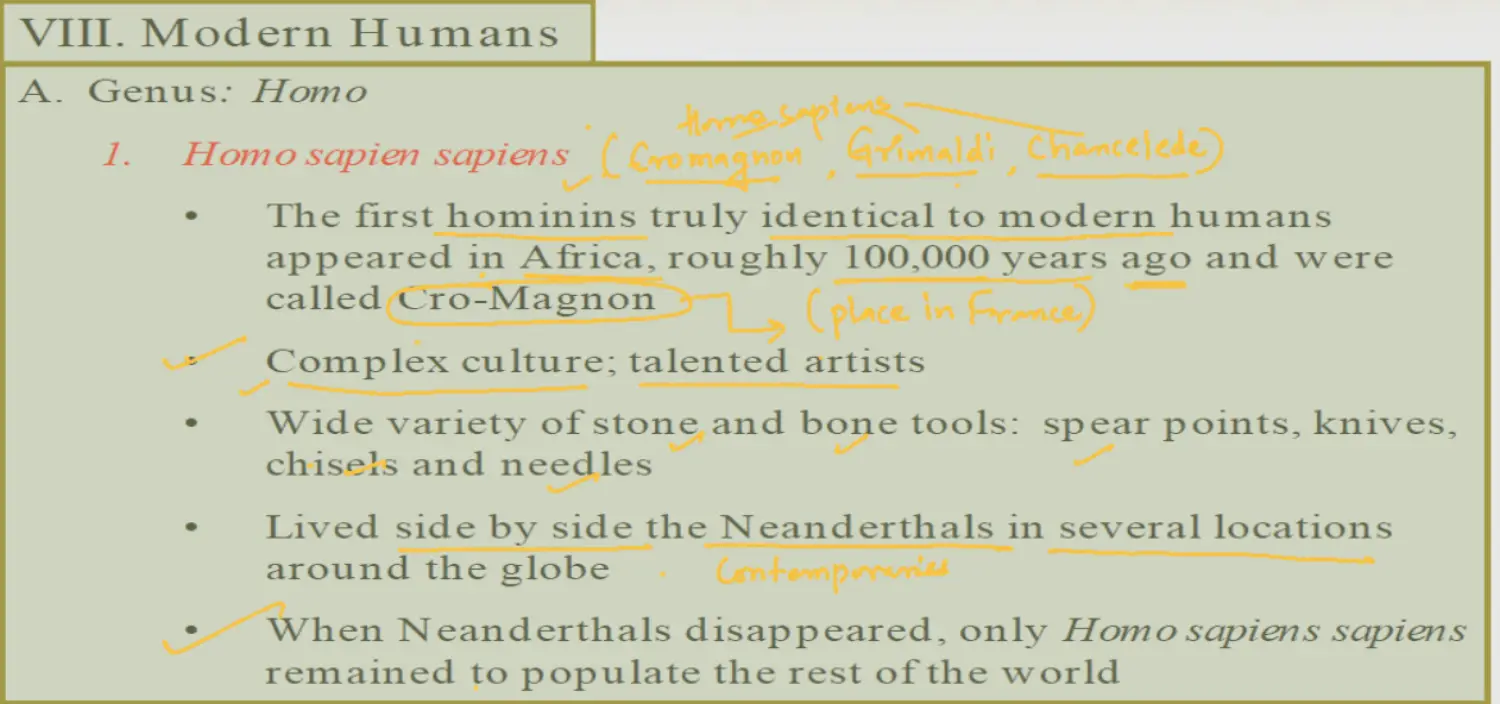
Cro Magnon (France)
Introduction
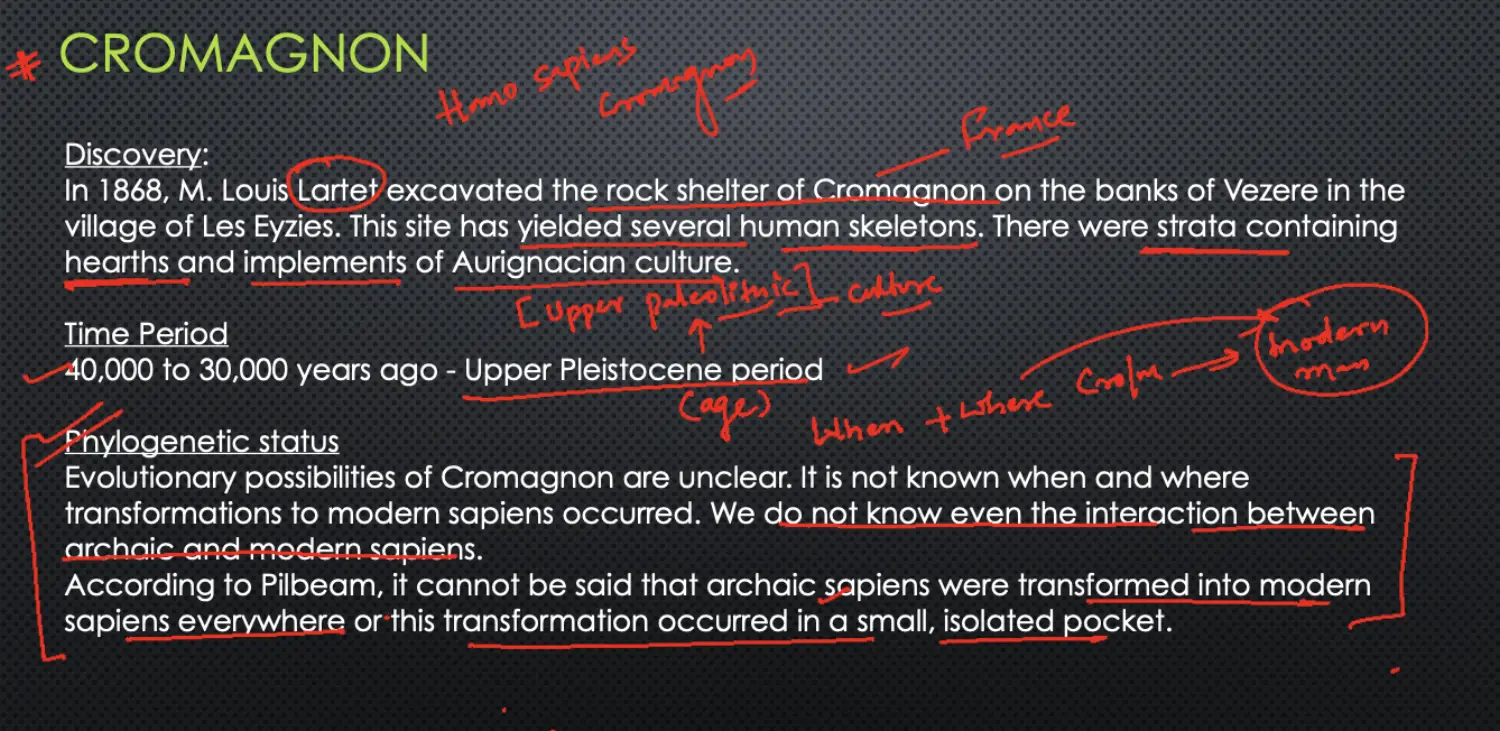
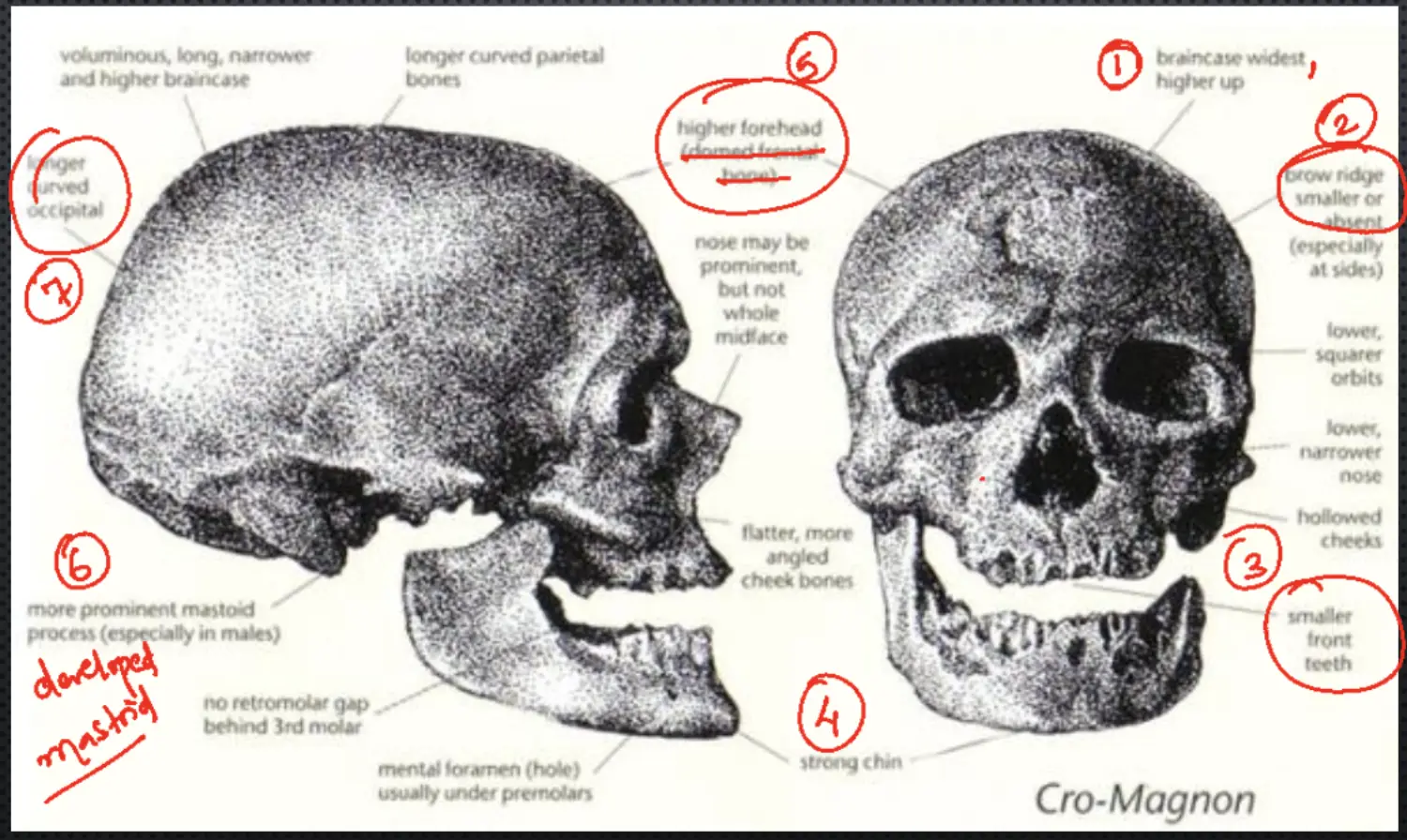
Physical Features
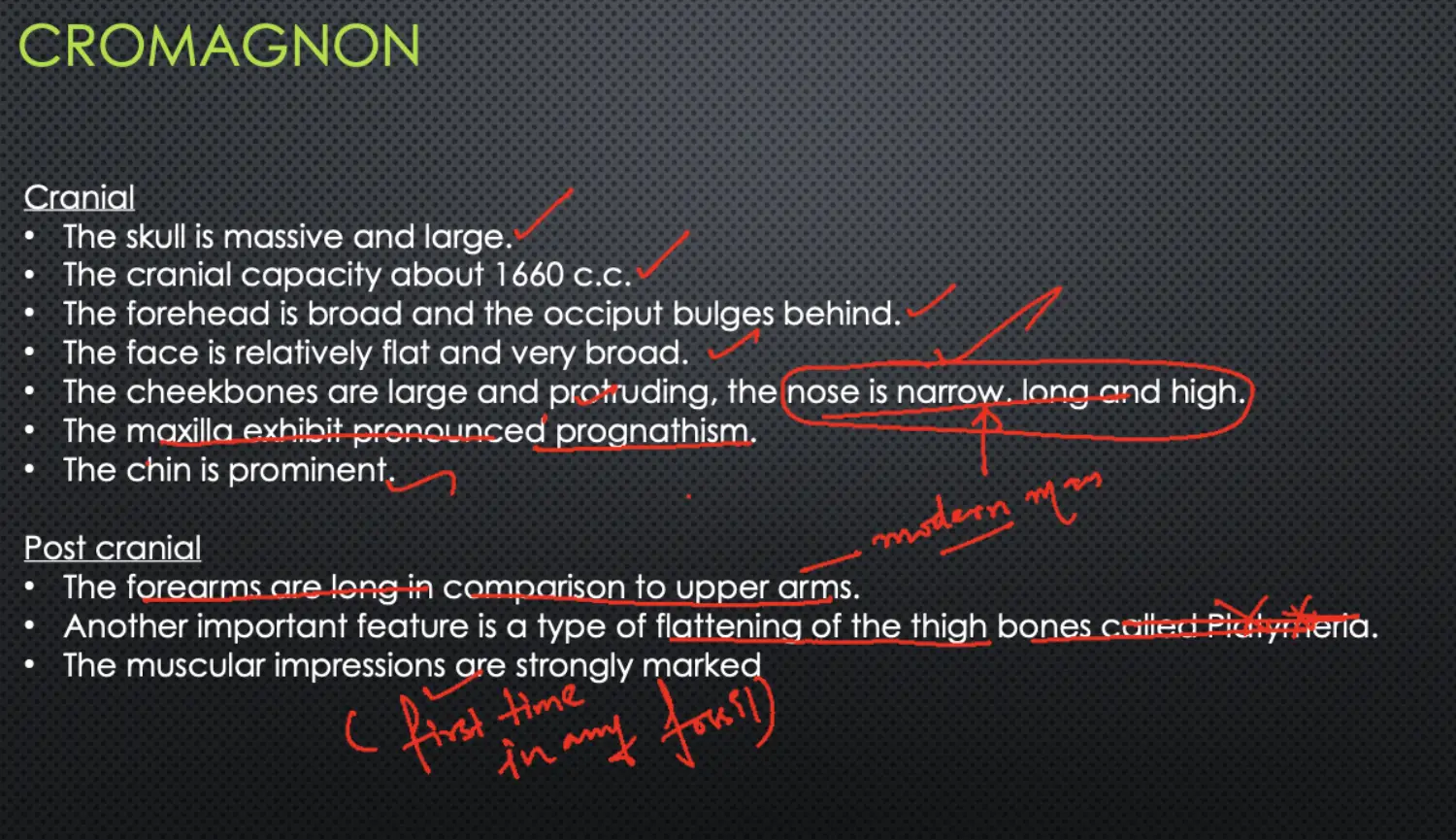
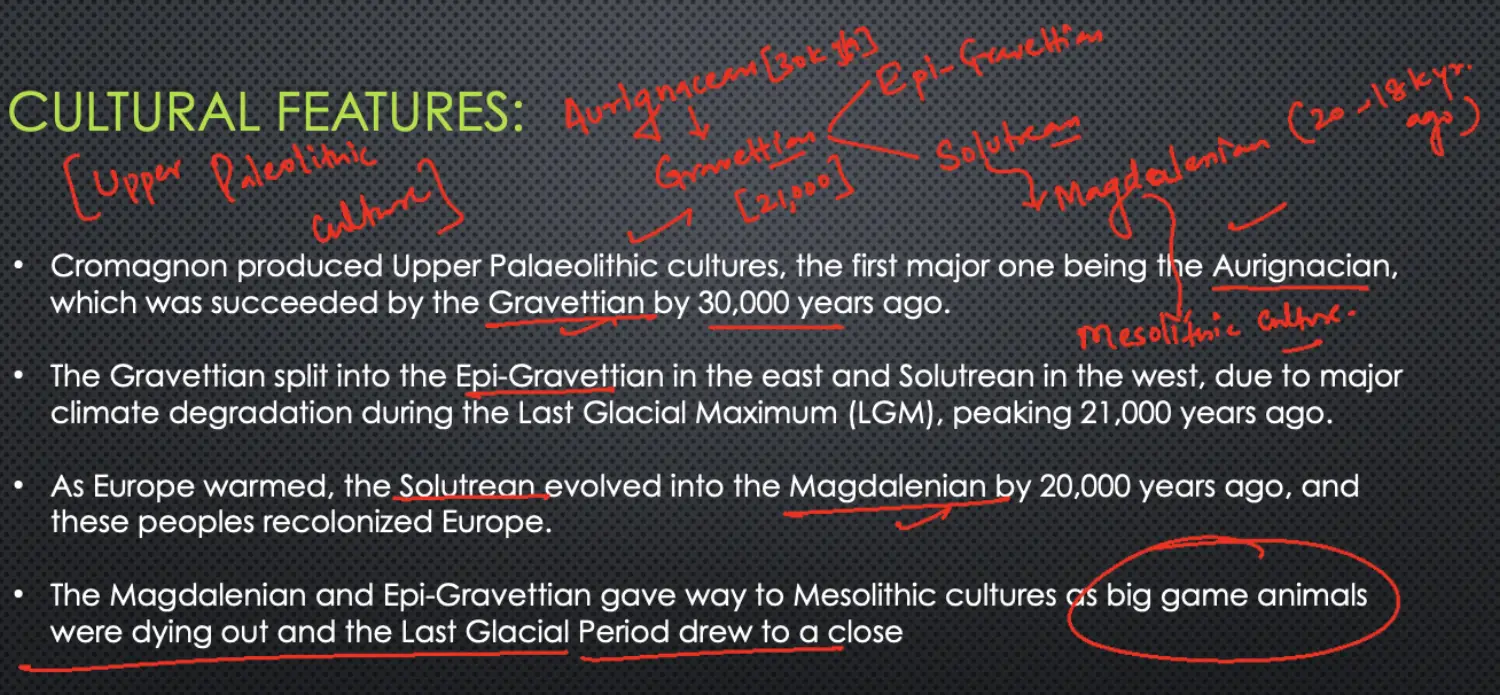
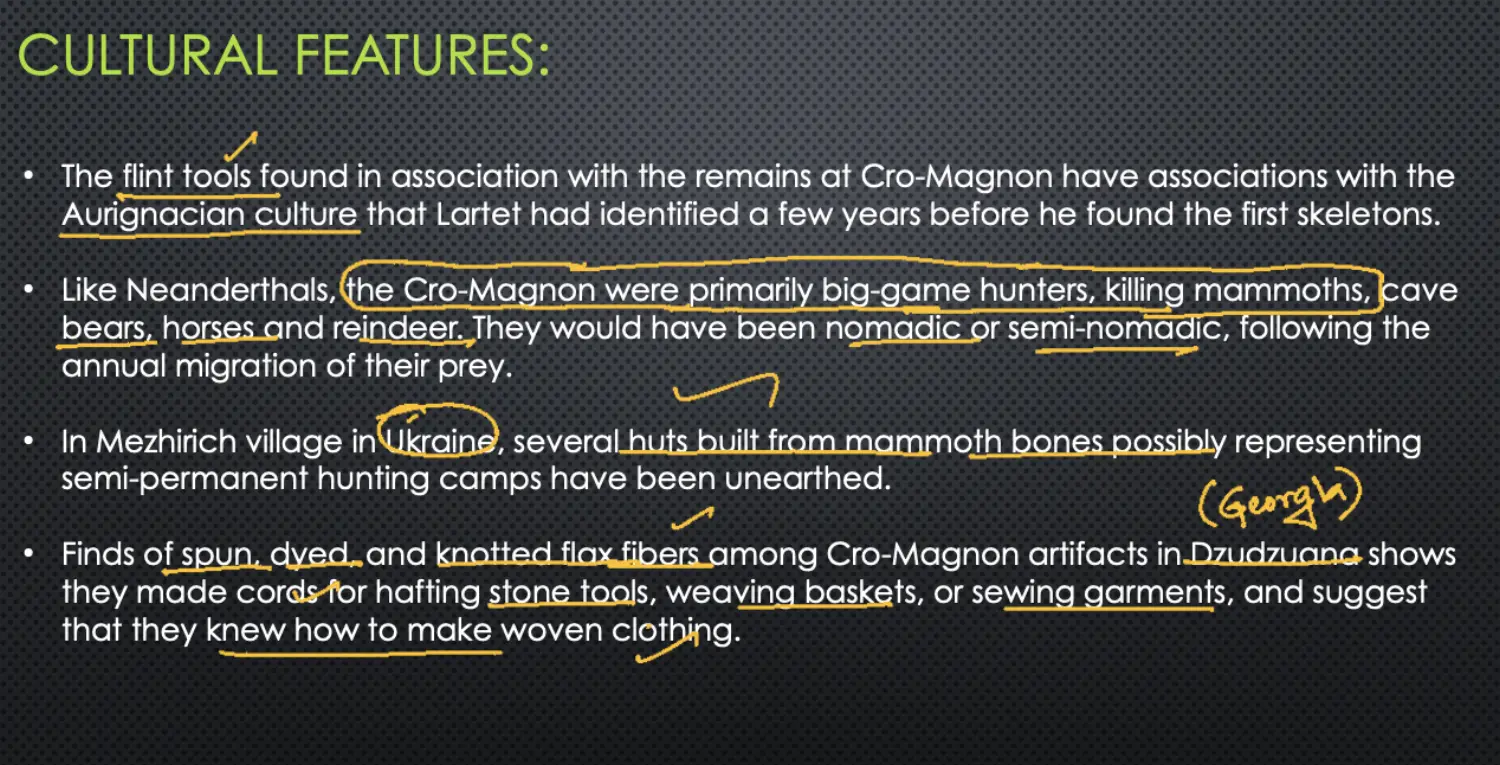
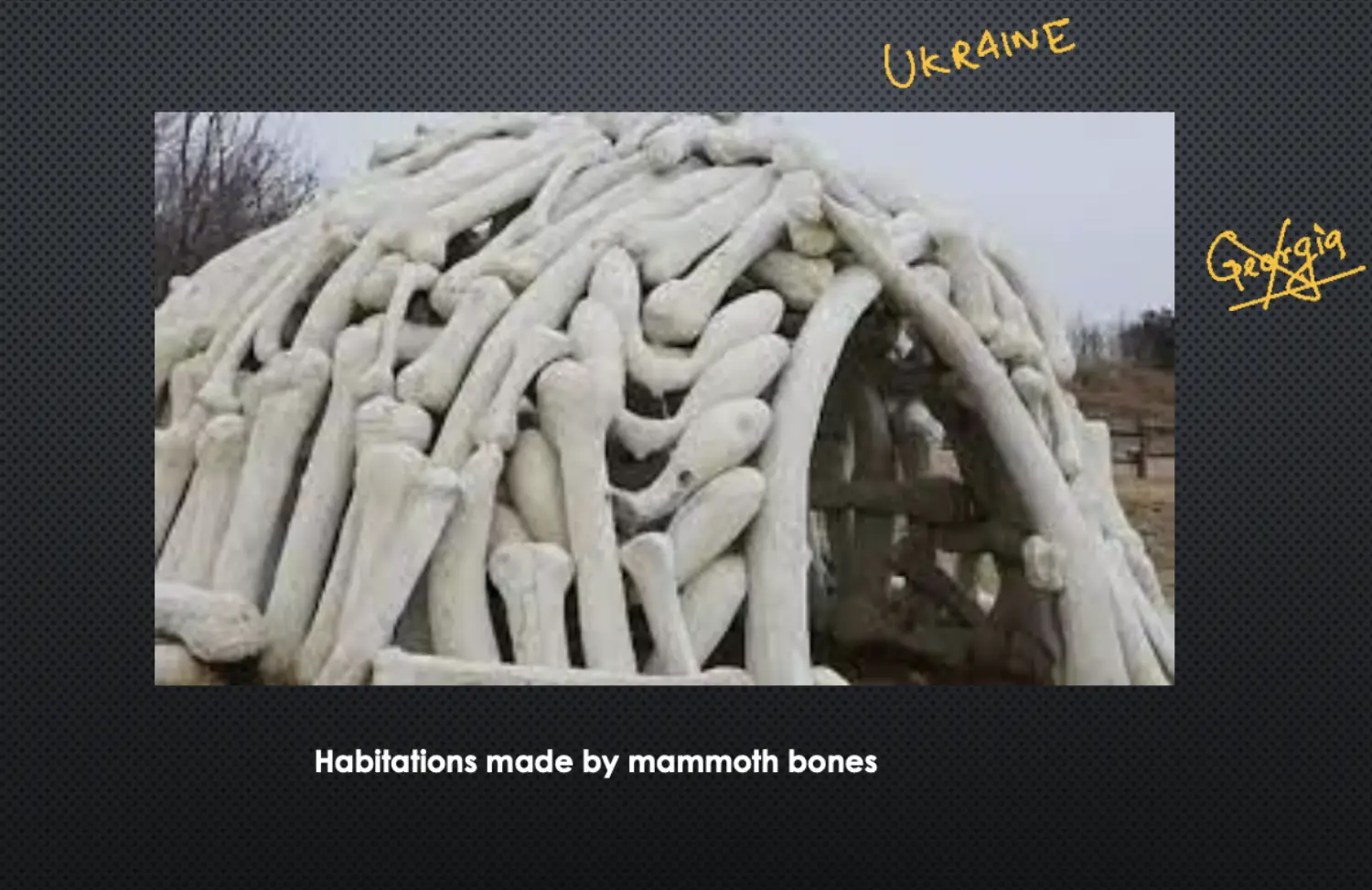
Cultural Features
Difference Between Grimaldi & Cro Magnon
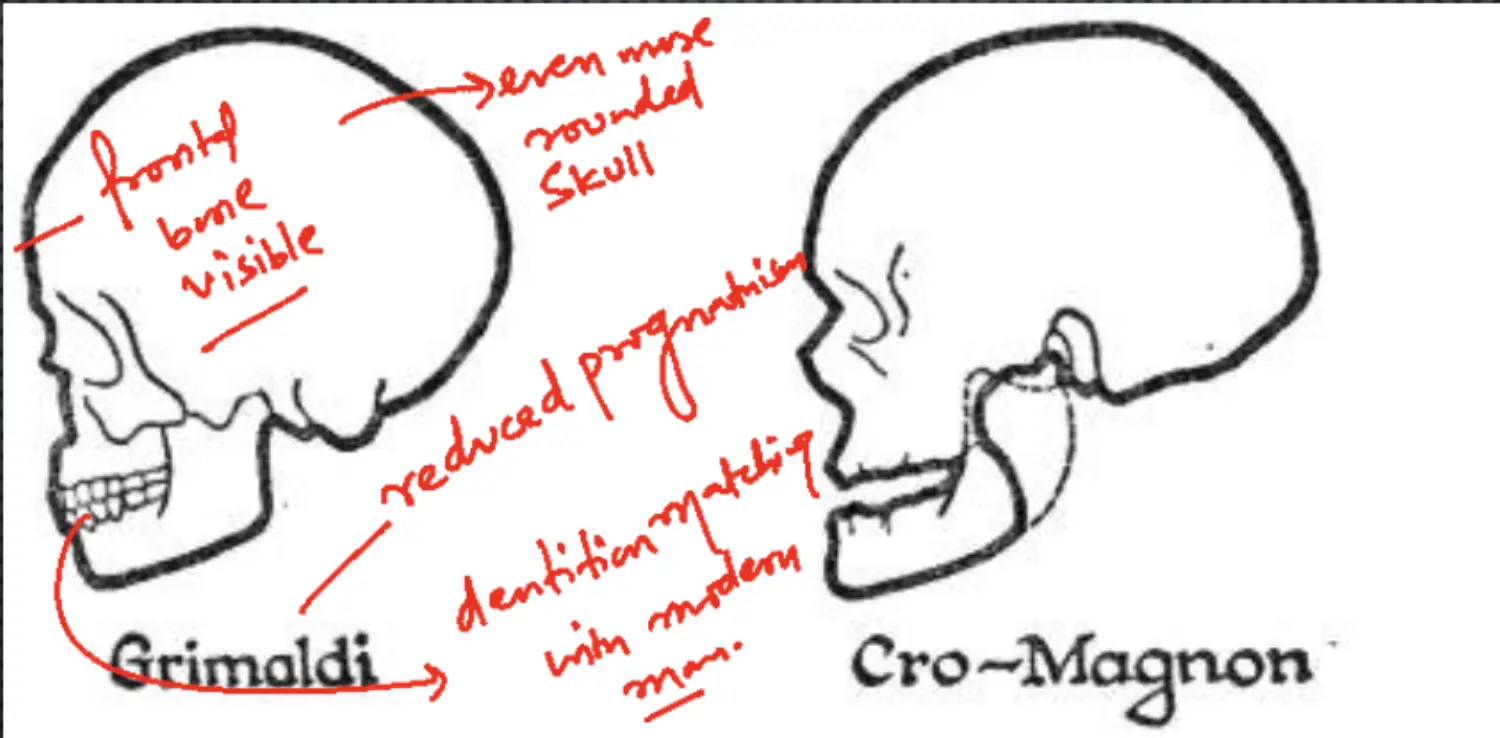
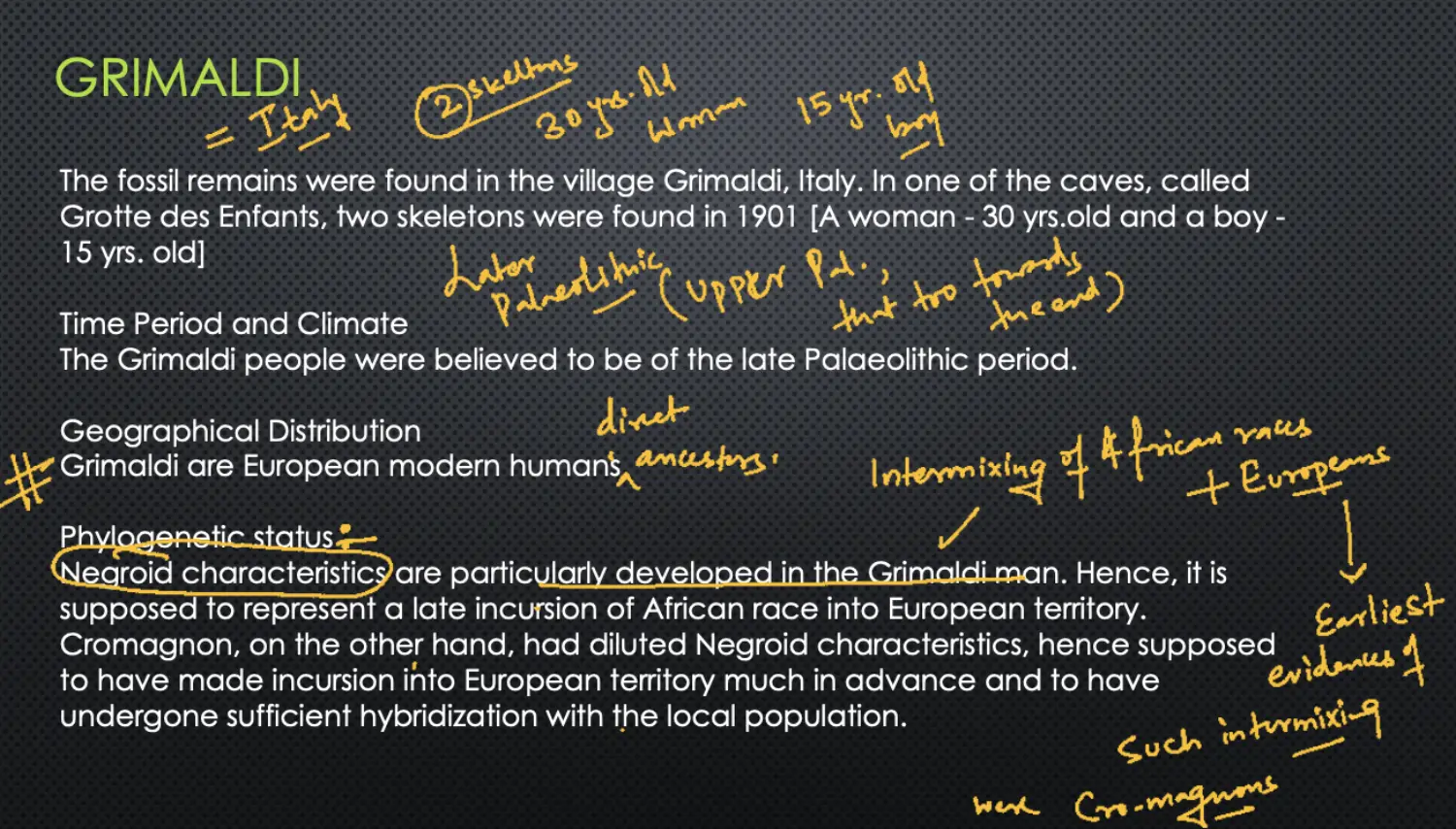
Grimaldi (Italy)
Introduction
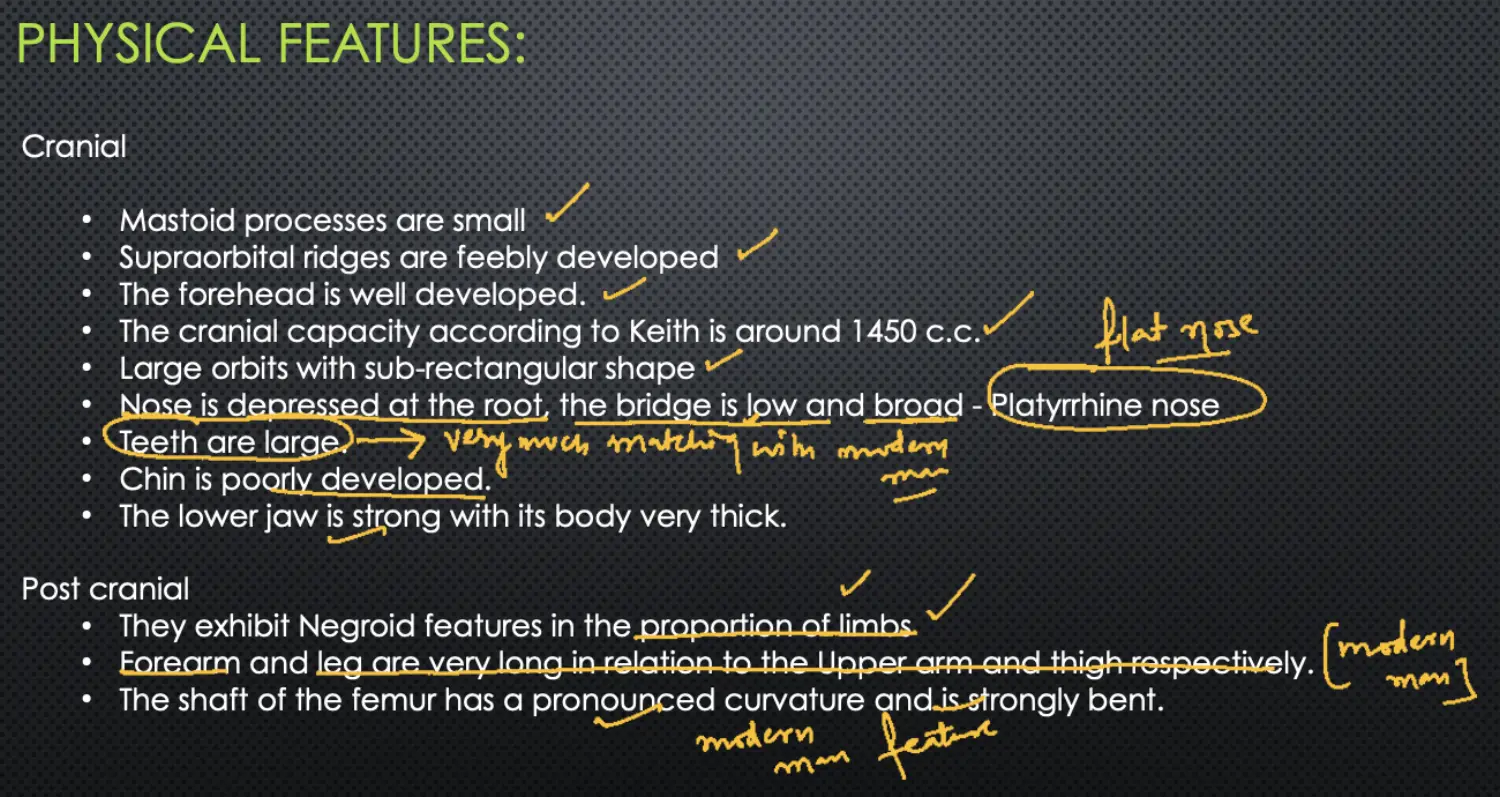
Physical Features
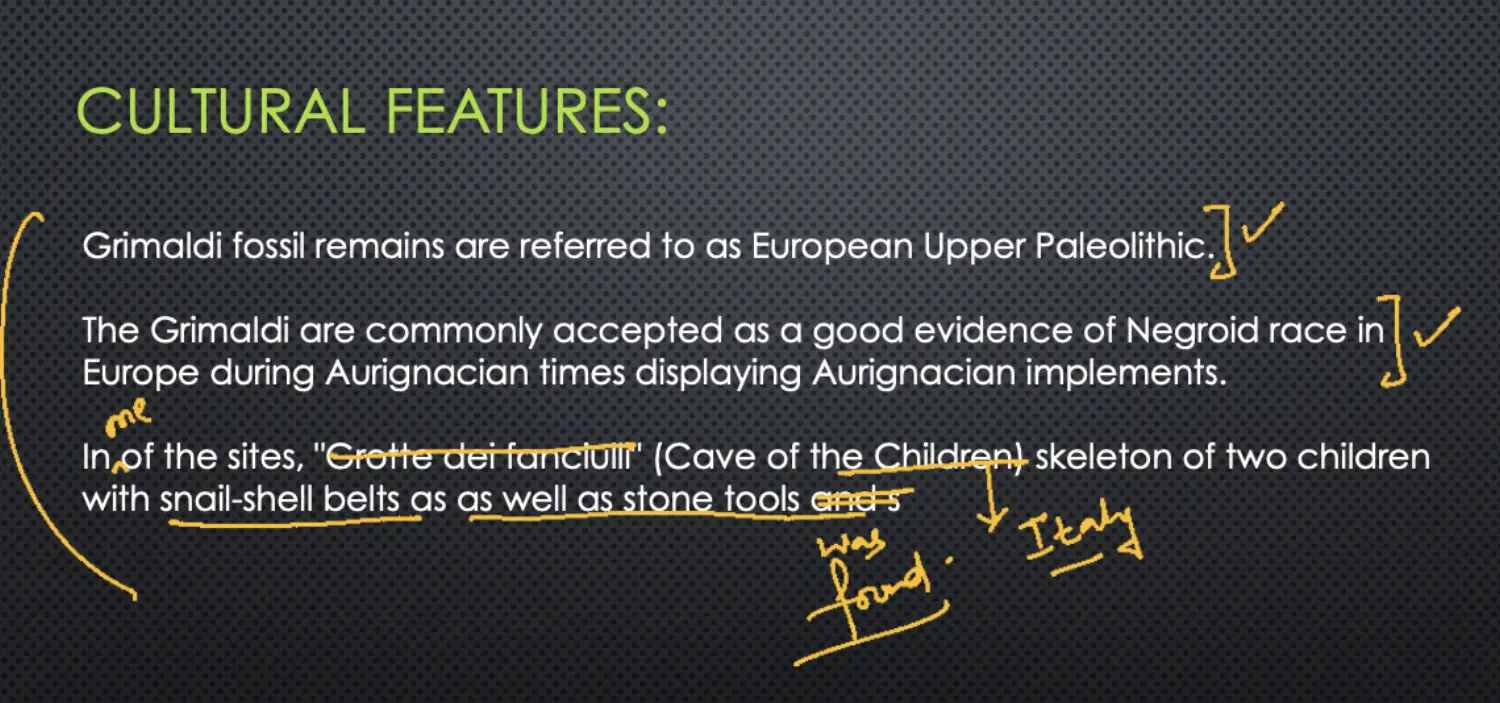
Cultural Features
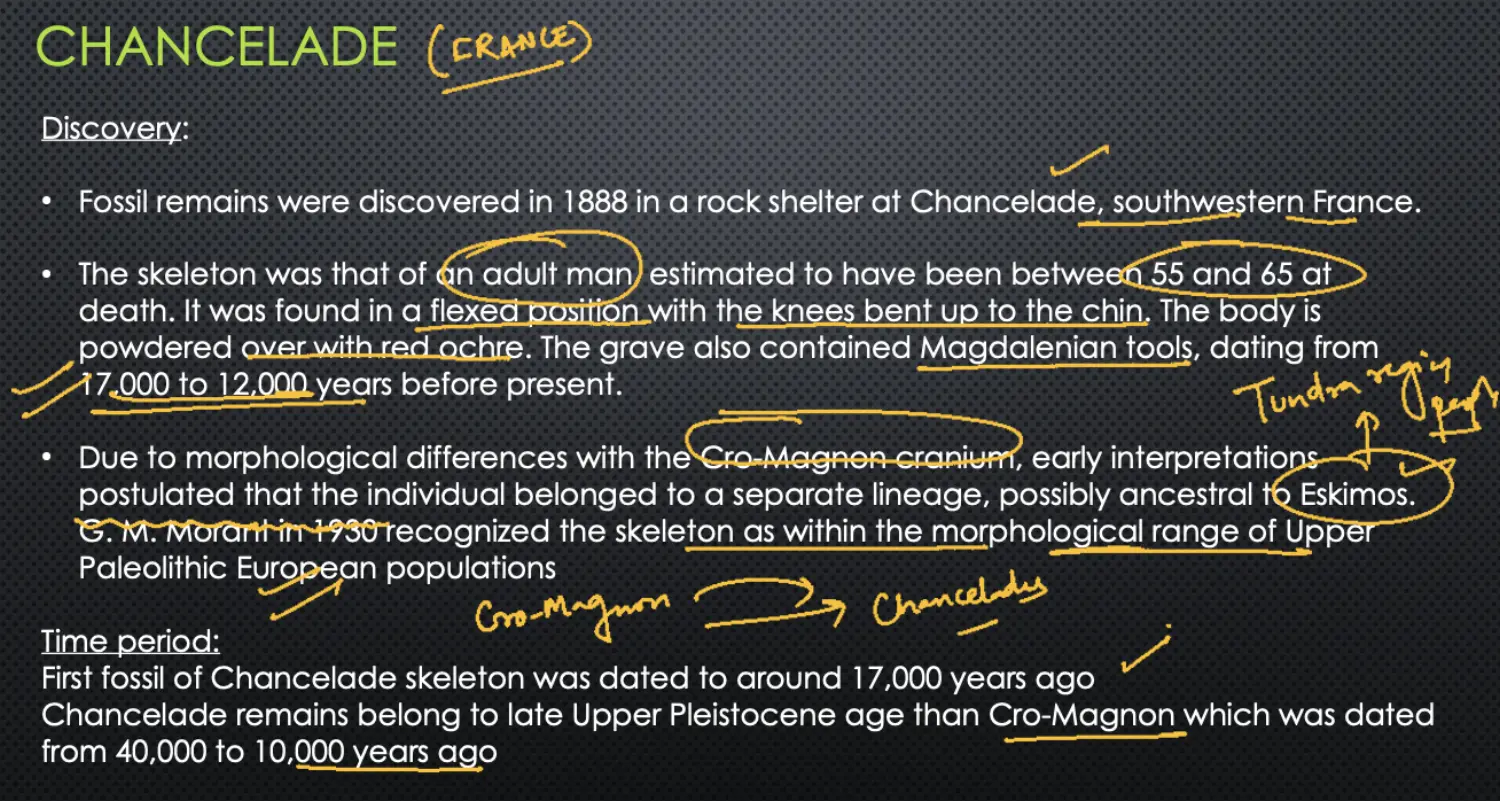
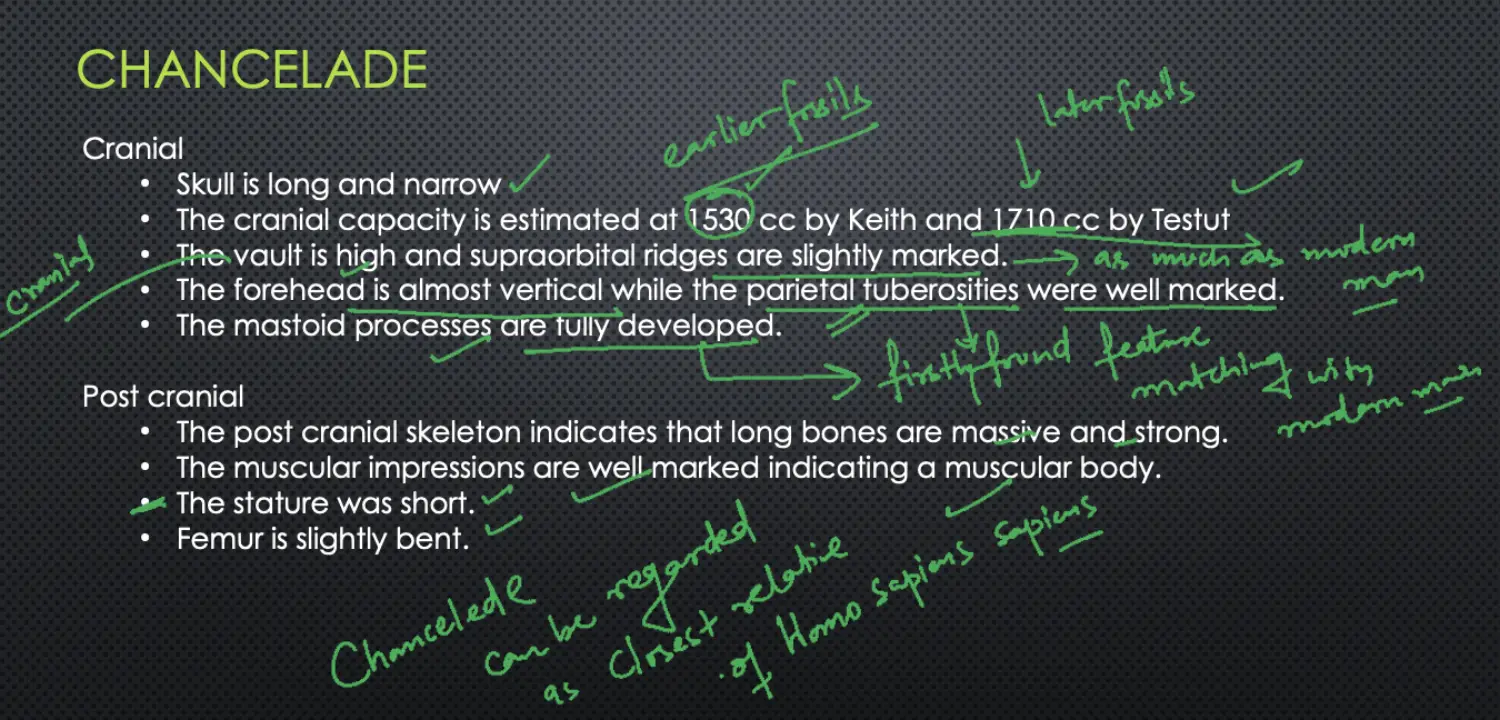
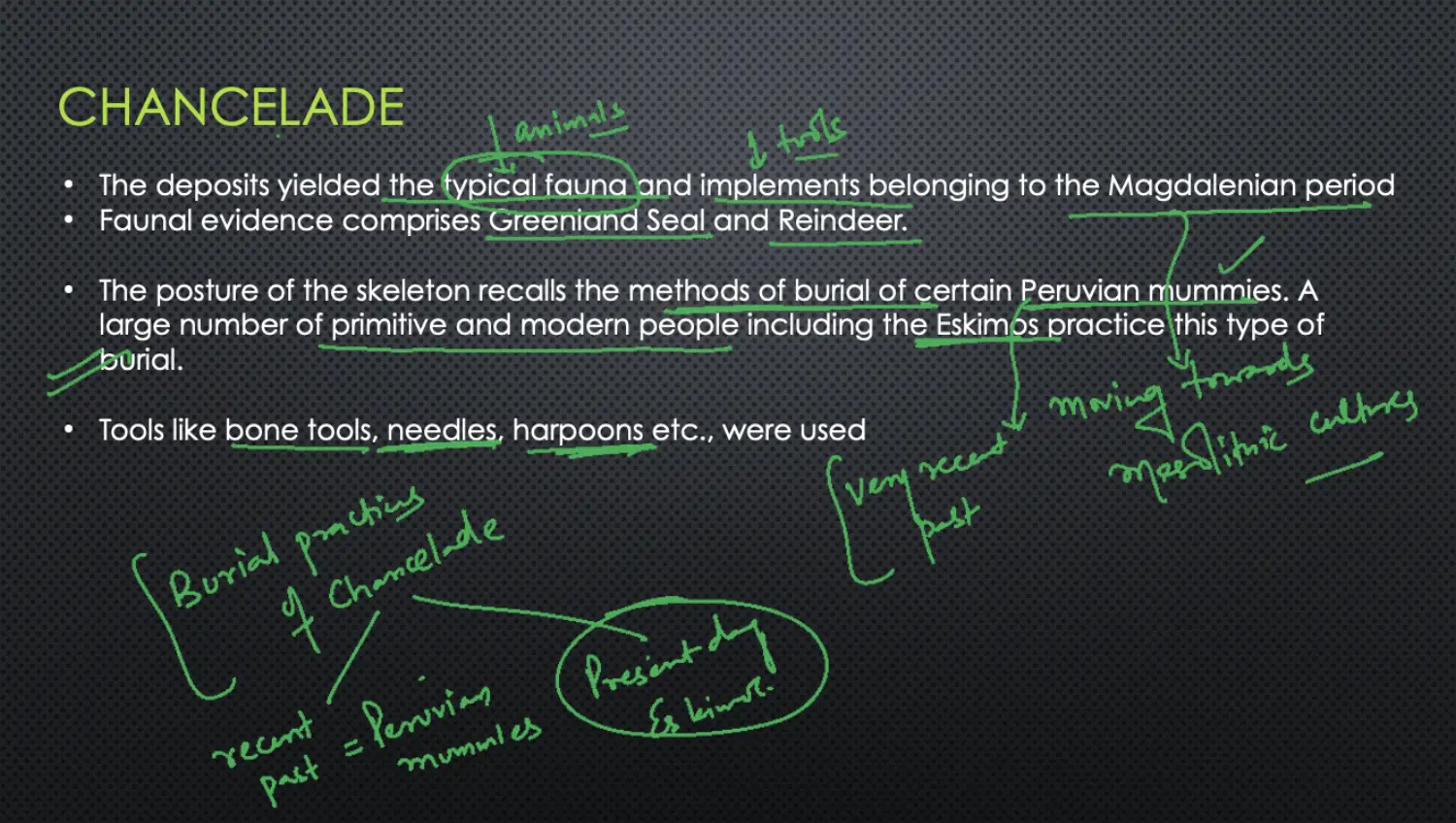
Chancelade (France)
Introduction
Some Say that Cro Magnon Might have transformed into Chancelade
Physical Features
Cultural Features
Homo Sapiens Sapiens - The Actual “Modern Man”
THE ULTIMATE SUMMARY
- Primates
- Prosimians
- Lemuri Forms
- Lemurs
- Lorises
- Tarsi Form
- Tarsier
- Lemuri Forms
- Simians / Anthropoids
New World Anthropoid
New World - North and South America
- New World Monkeys
Old World Anthropoid
- Old World Monkey
- Hominoidea - Apes & Humans
Common Ancestors to Anthropoids in (Tertiary and Quaternary Era)
Introduction
Dryopithecus
Ramapithecus
Sivapithecus
Apes
Gorilla
- Prognathic Mandible
- No Flatness of Skull
- Arms Longer and Legs Shorter - Opposite to that of adult humans
- Protruding / Extended Abdomen
- Prominent Crust
- Have Unique Fingerprints and Toe Prints like Humans
- Have Nails instead of Claw
Chimpanzee
Orangutan
Gibbon
Bonobo
Humans
Australopithecus - Pliocene / Pre Pleistocene / Pre Homo
Initial Known Types of Australopithecus
Earliest Australopithecus
- Australopithecus Afarensis - 3.5 MYA
Parallel to Each Other
- Australopithecus Boisei
- Australopithecus Africanus
- Australopithecus Robustus
Sub Species of Australopithecus
Introduction
After the Initial Discoveries of 4 Types of Australopithecus, Other Types of Australopithecus were found
Australopithecus - Gracile (Thin/Slander)
- A Afarensis
- A Africanus
- A Anamensis
- A Ramidus
Paranthropus - Robust (Thick/Stocky)
- A Boisei
- A Robustus
- A Aethiopicus
Difference Between Australopithecus and Paranthropus
Mastoid Process
It is a Prominence in a Temporal Bone situated behind the Ear, where neck muscles are attached
Debate on Phylogenetic Status of Australopithecus
2 Branch Theory by Timothy White & Donald Johanson
3 Branch Theory by Alan Walker
Introduction
Discovery & Tim Period
Important Discovery
Location for Spread of Australopithecus
- Tong in South Africa
- Kromdraai in South Africa
- Swartkrans in South Africa
- Makapansgat in South Africa
- Turkana in Kenya
- Lothagam in Kenya
- Olduvai Gorge in Tanzania
- Laetoli in Tanzania
- Hadar in Ethiopia
Features of Australopithecus
Biological Features
Cranial Features
Post Cranial Features
Cultural Features
Tools
Earlier it was considered that Australopithecus didn't use any tools but later studies found some Butchered Gazelle Tools associated with A Garhi
Society
Homo Habilis - Pleistocene / Homo
Homo Erectus
Homo Neanderthalensis
Rhodesian
Homo Sapiens
- Prosimians
- Timeline
- Age of Dinosaurs
- Age of Mammals
- Cenozoic Era
- Tertiary Period
- Paleocene Epoch
- Eocene Epoch
- Oligocene Epoch
- Miocene Epoch
- Pliocene Epoch
- Quaternary Period
- Pleistocene Epoch
- Holocene Epoch
- Tertiary Period
- Cenozoic Era
- Hierarchy of Time
- Time
- Age
- Era
- Period
- Epoch
Important Terms
Cranial
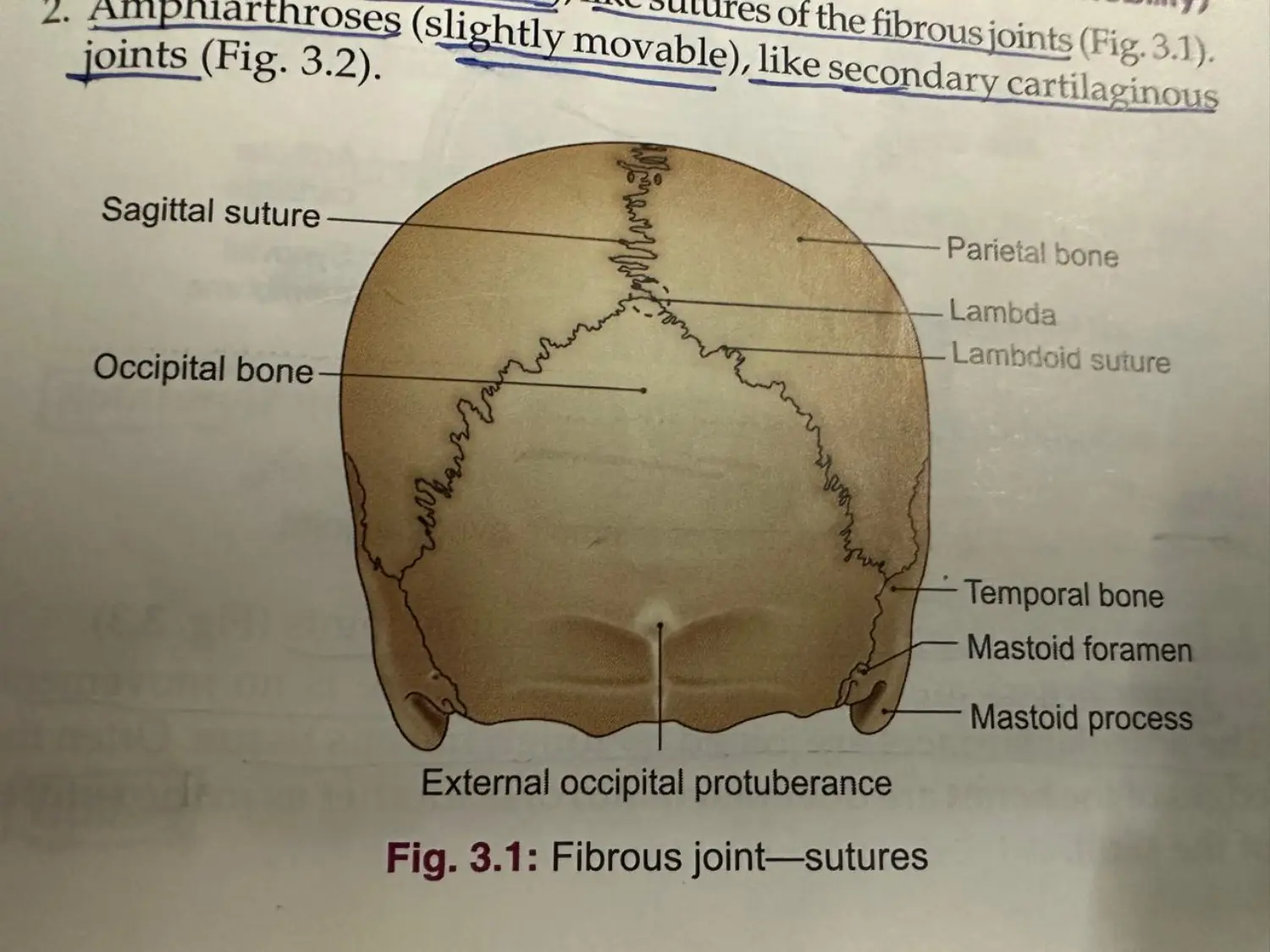
Sutures & Joints
Sutures & Joints
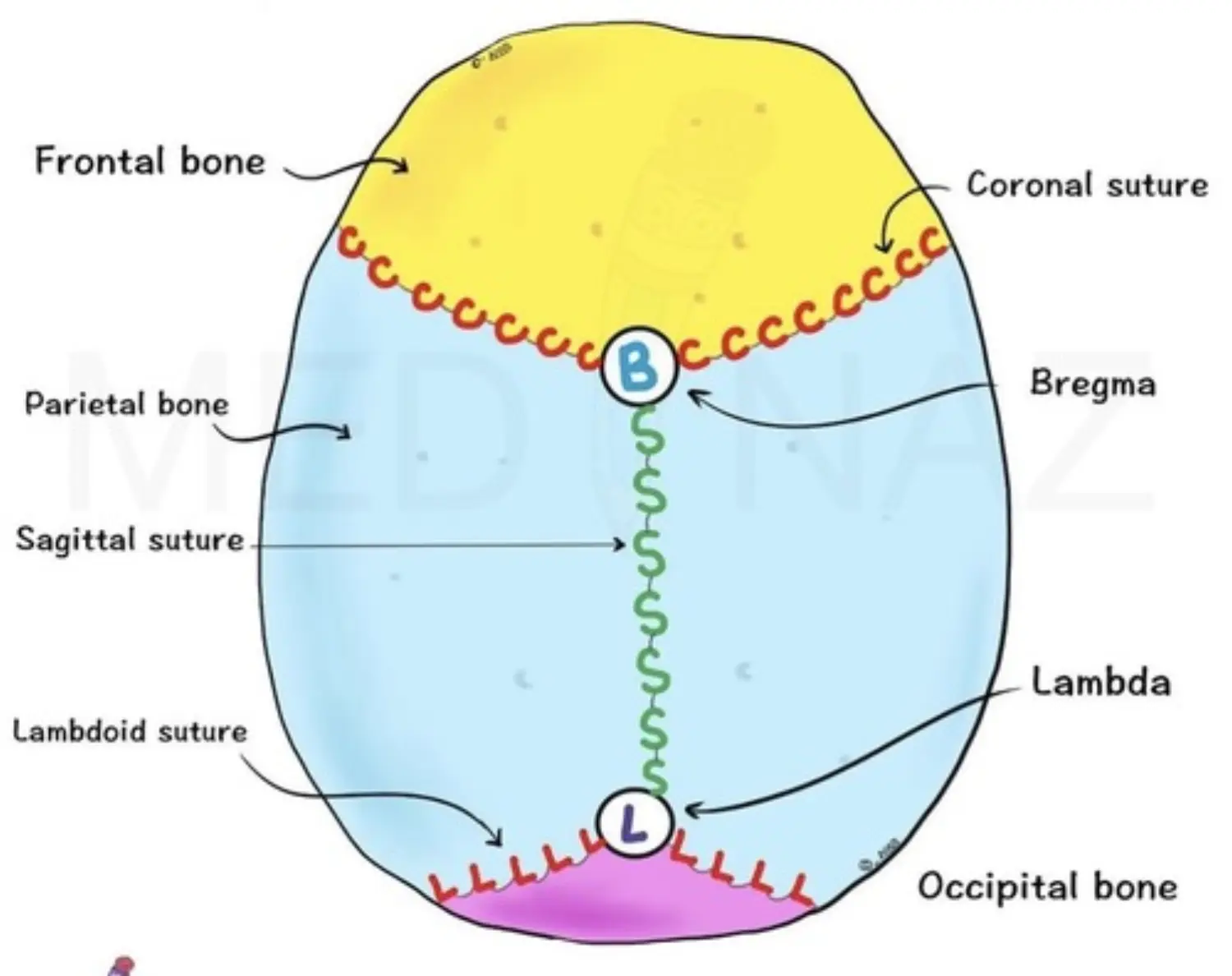
Fontanelle
Space in Bregma and Lambda is Fontanelle
Babies cause unko brain enlargement ke liye space chahiye rehta hai toh unke sutures fuse nai hote hai. So we can actually feel a space here in bregma and lambdoid jisko fontanelle bolte hai
bregma fontanelle is anterior and Lambda fontanelle is posterior
Bregma & Vertex - Conincidence & Non Co Incidence
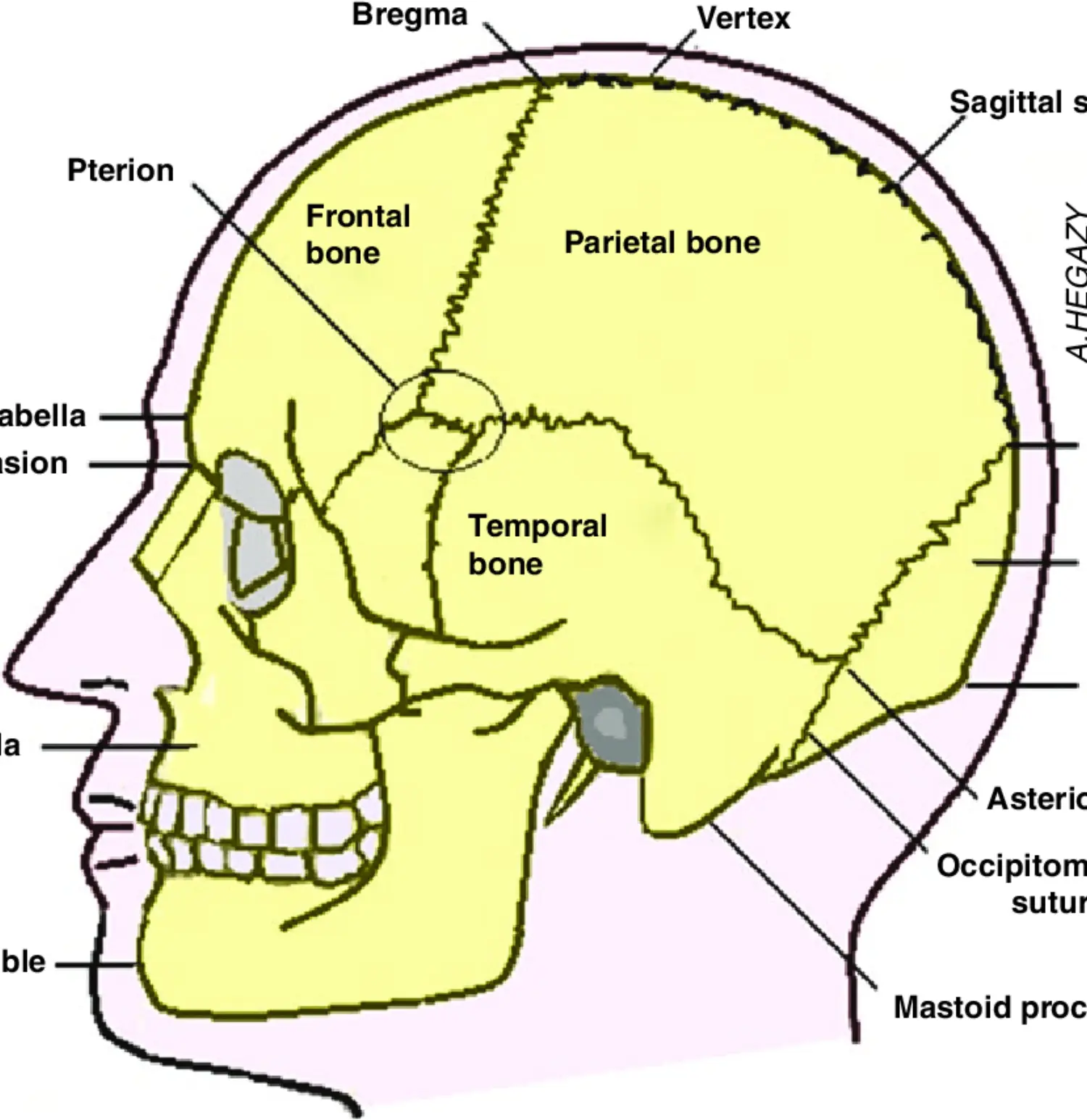
Vertex
Highest Position in the Skull
Brain & Upper Skull
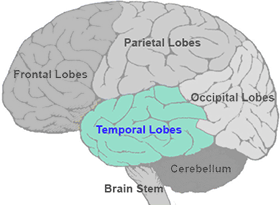
Posterior Lobe of Brain
Posterior - Back
Occipital lobe
It forms the most posterior portion of the brain and is found behind both the parietal and temporal lobes. The occipital lobe lies over the tentorium cerebelli, while its medial surface faces the falx cerebri
Parietal Tuberosities
Tuberosity: (countable, anatomy) A rounded protuberance, at the end of a bone, to which a muscle or tendon is attached

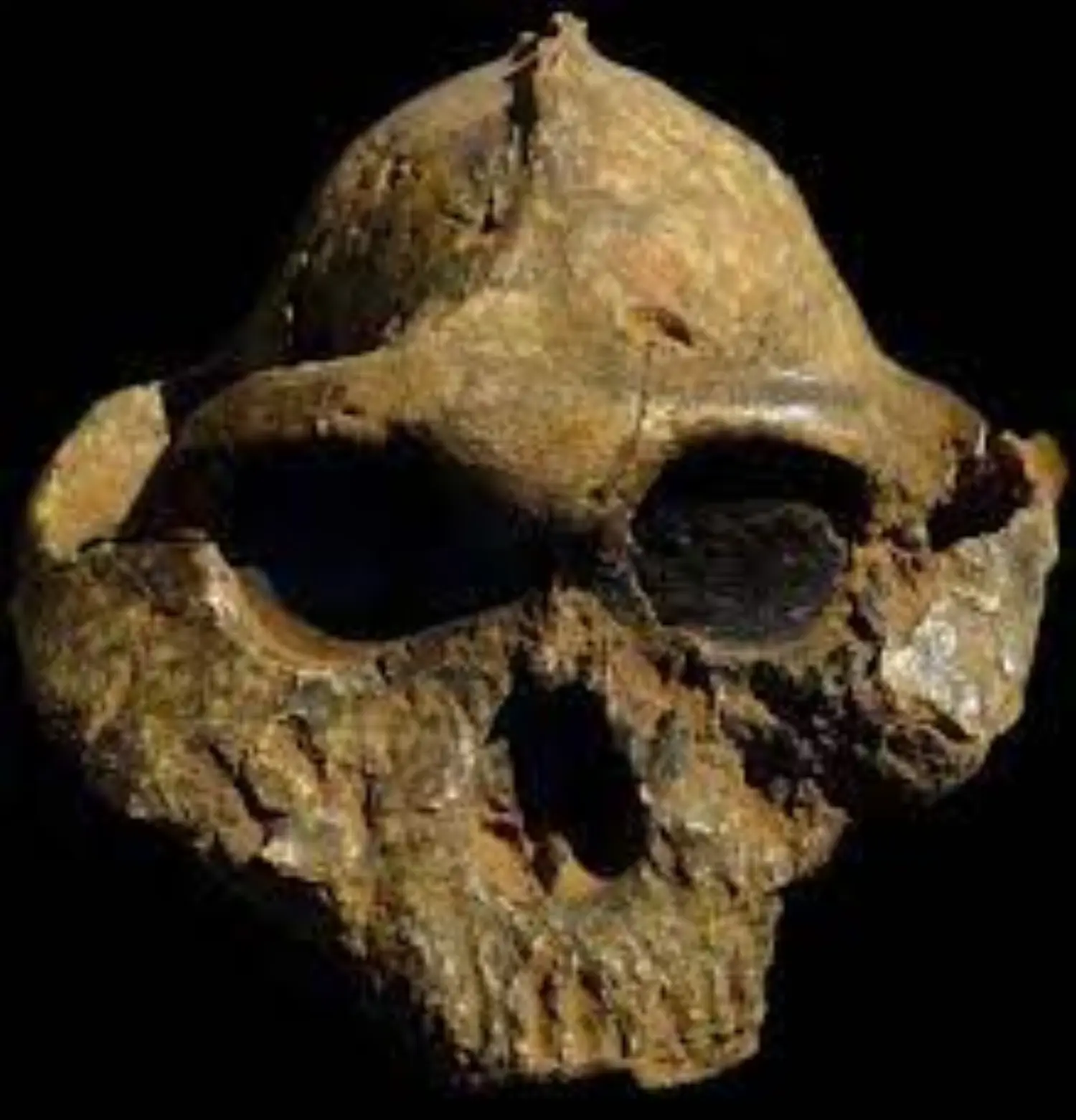
Sagittal Crest (Crest on Top of Skull)
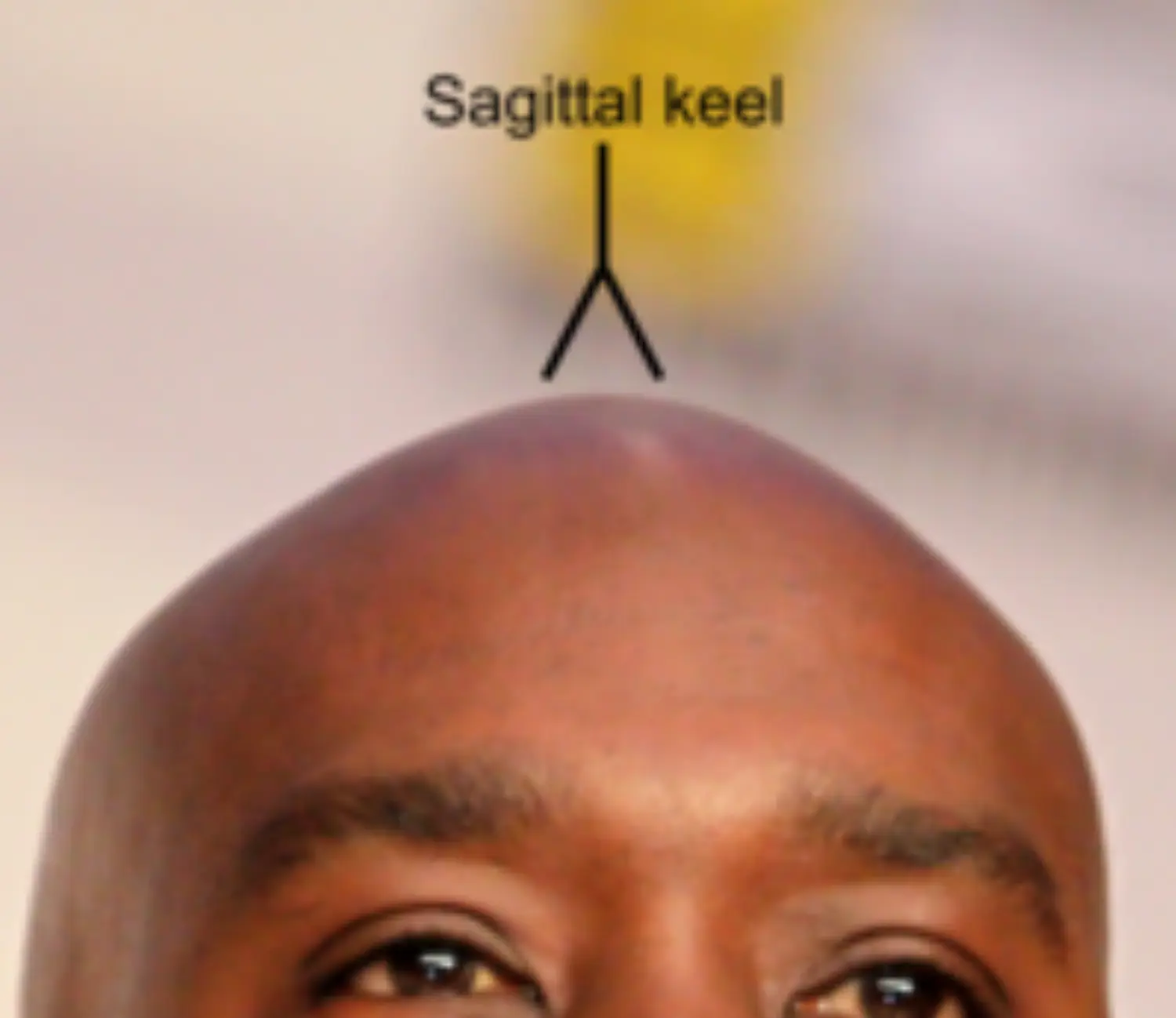
Saggital Keel (Keel on Top of Skull)
Zygomatic Arch
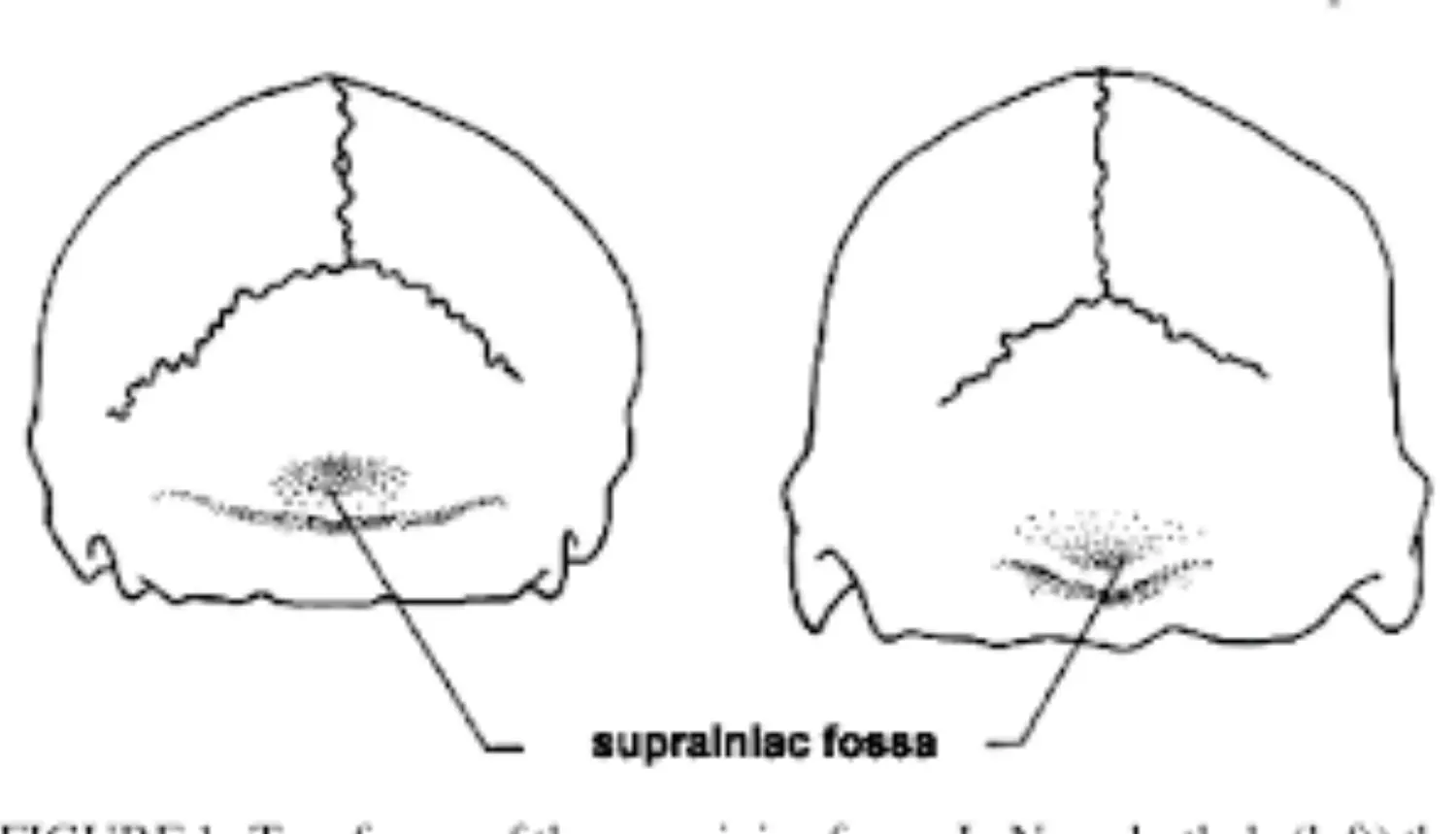
Suprainiac Fossa
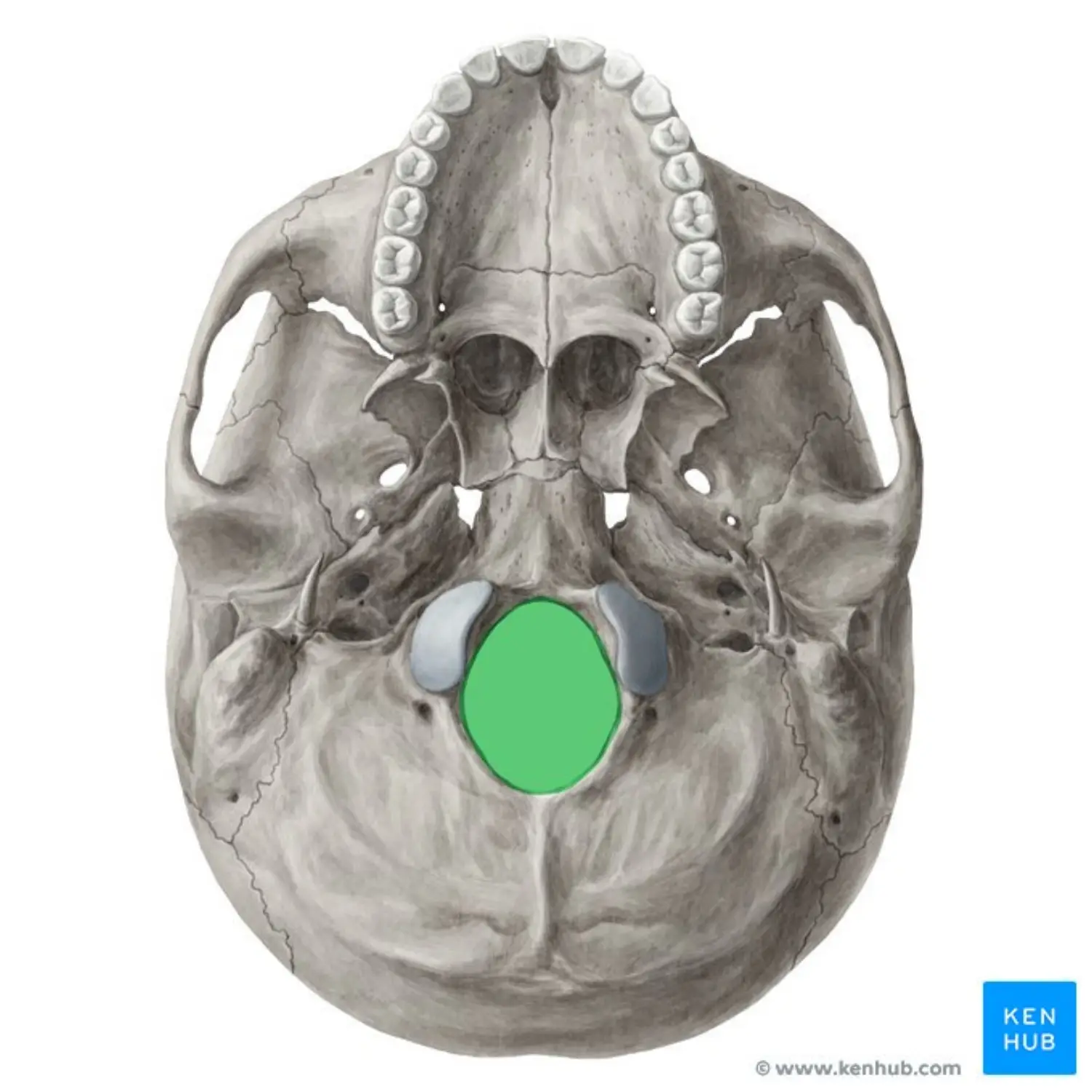
Foramen Magnum
the hole in the base of the skull through which the spinal cord passes
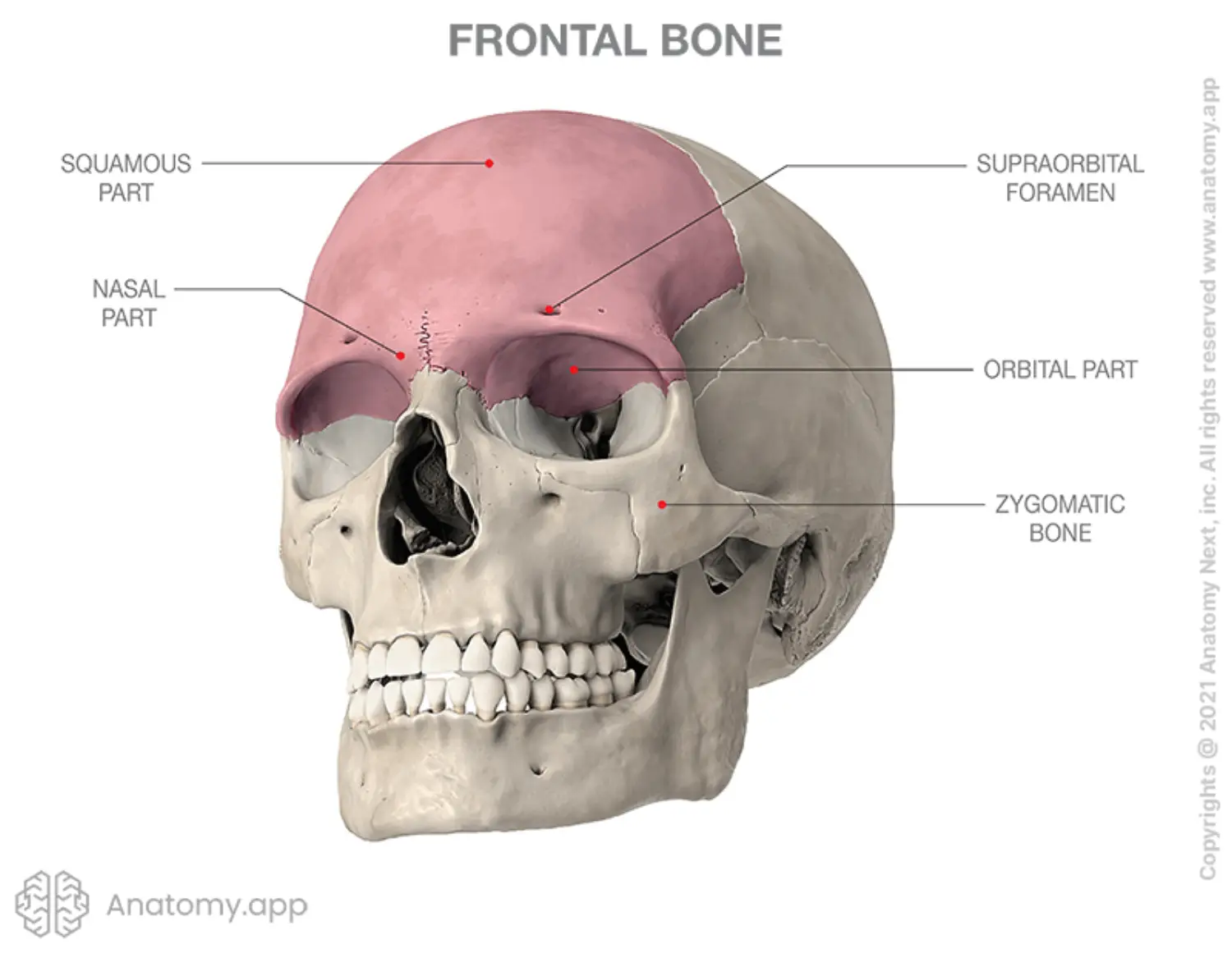
Frontal Bone
The frontal bone in an adult is an unpaired bone that is a part of the boney structure that forms the anterior and superior portions of the skull. At the beginning of life, it is a bone separated by a temporary suture called the frontal suture
Cranium
(KRAY-nee-um) The bones that form the head. The cranium is made up of cranial bones (bones that surround and protect the brain) and facial bones (bones that form the eye sockets, nose, cheeks, jaw, and other parts of the face)
Mastoid Process
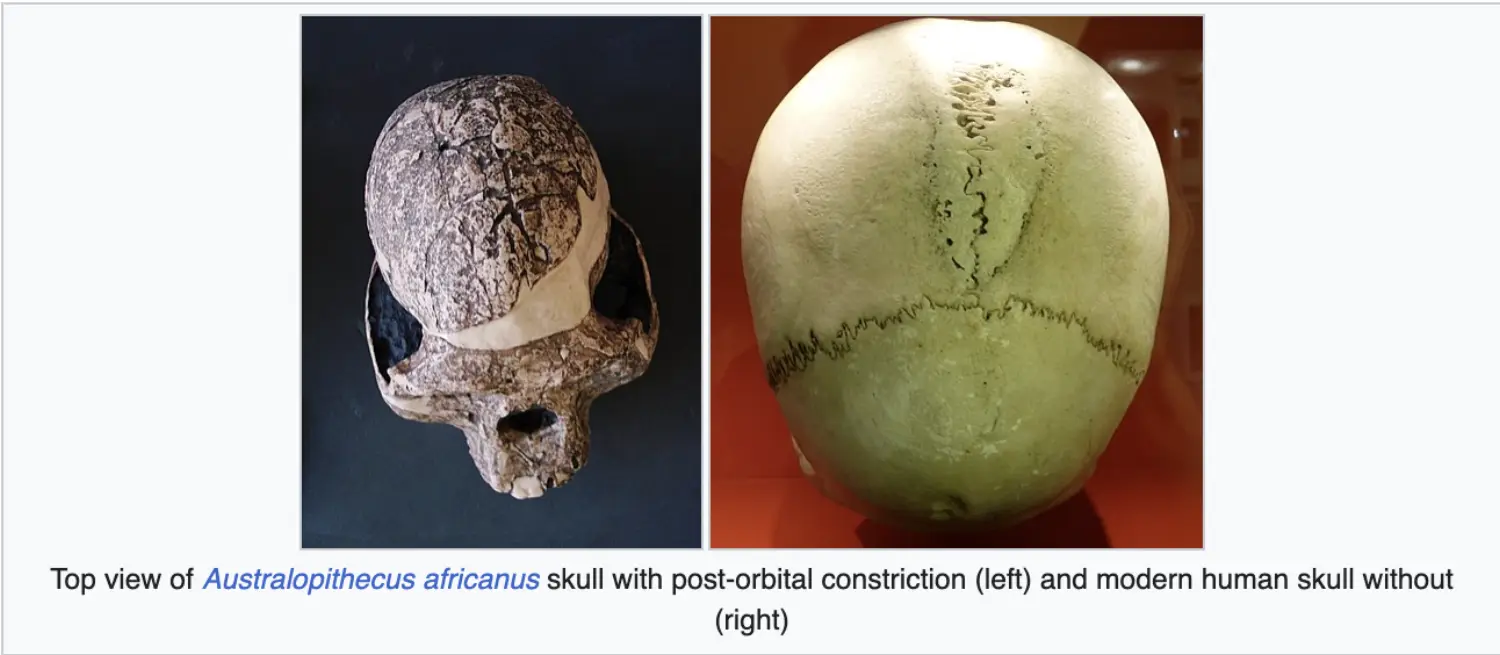
Postorbital Constriction
In physical anthropology, post-orbital constriction is the narrowing of the cranium (skull) just behind the eye sockets (the orbits, hence the name) found in most non-human primates and early hominins
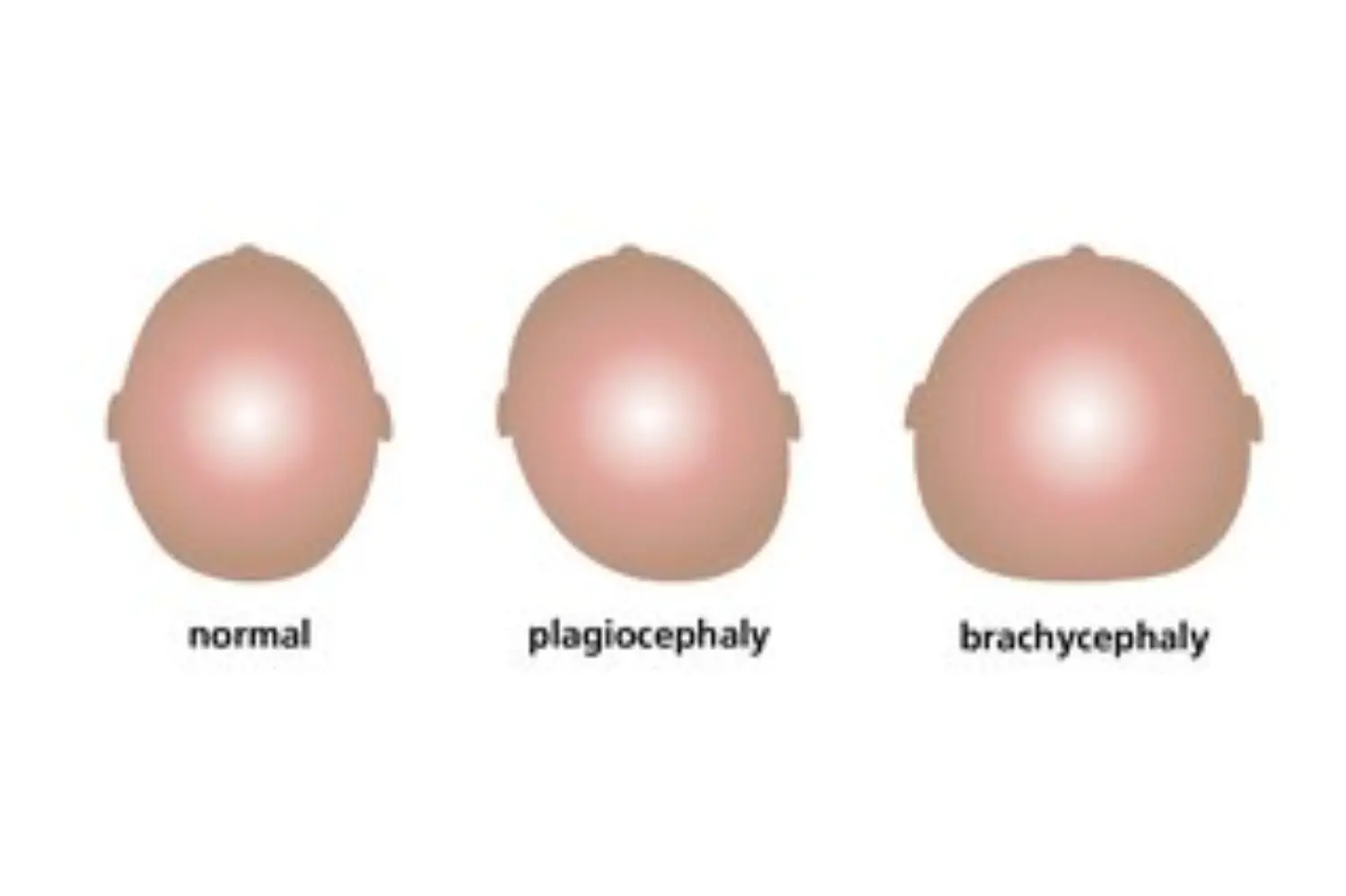
Platycephaly
n. a condition in which the crown of the head is abnormally flat
Cepahlies - Normal, Plagio, Brachycepahly
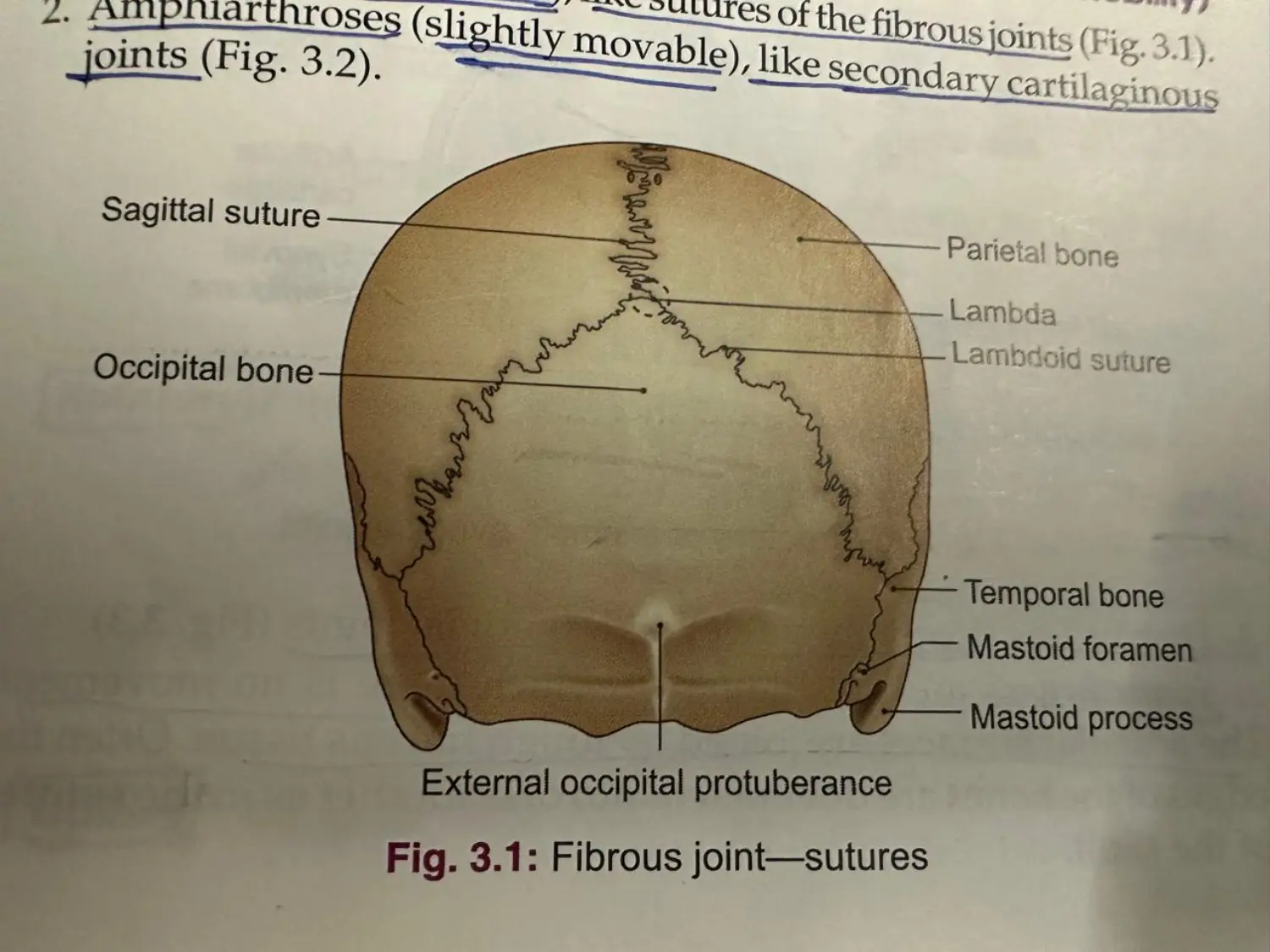
Occipital Protuberence
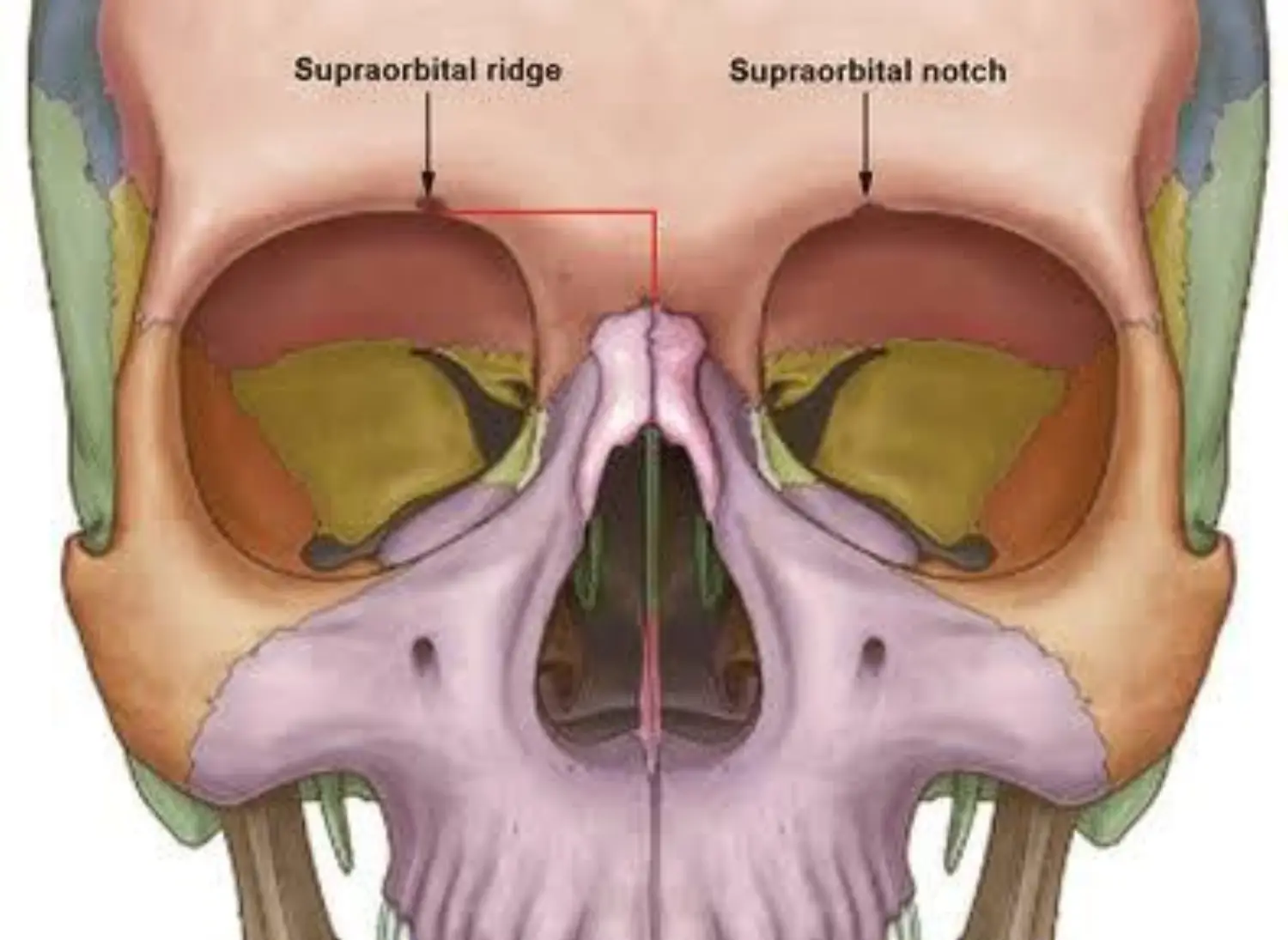
Supra Orbital Ridge & Notch
Jaw
Pre Maxila
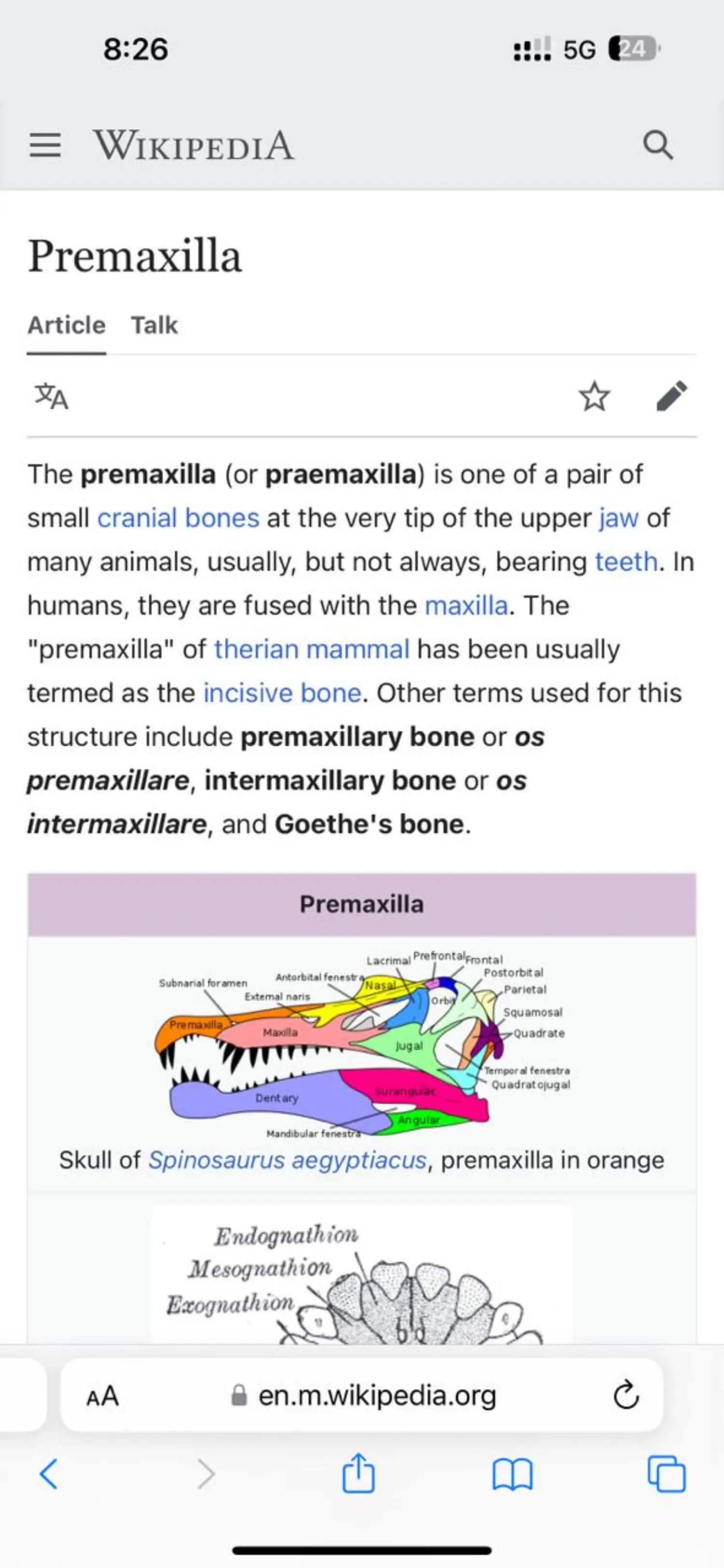
Maxilla & Mandible & Prognathism

Maxilla - Upper Jaw
Mandible - Lower Jaw
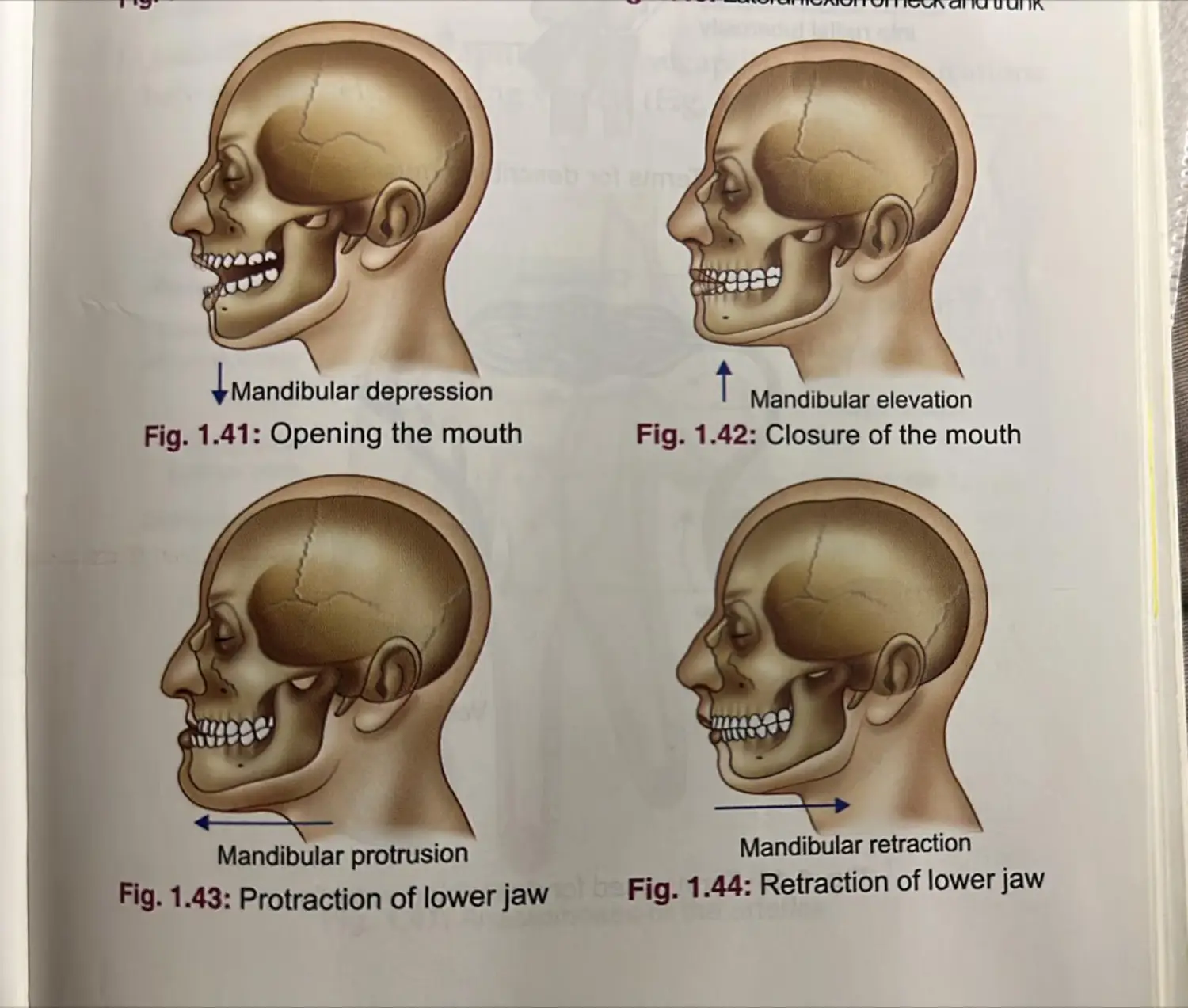
Jaw Movements
Eye
Orbit
Eye Socket
Brow Ridge and Bony Ridge of Skull
Brow Area of Skull Brow Ridge
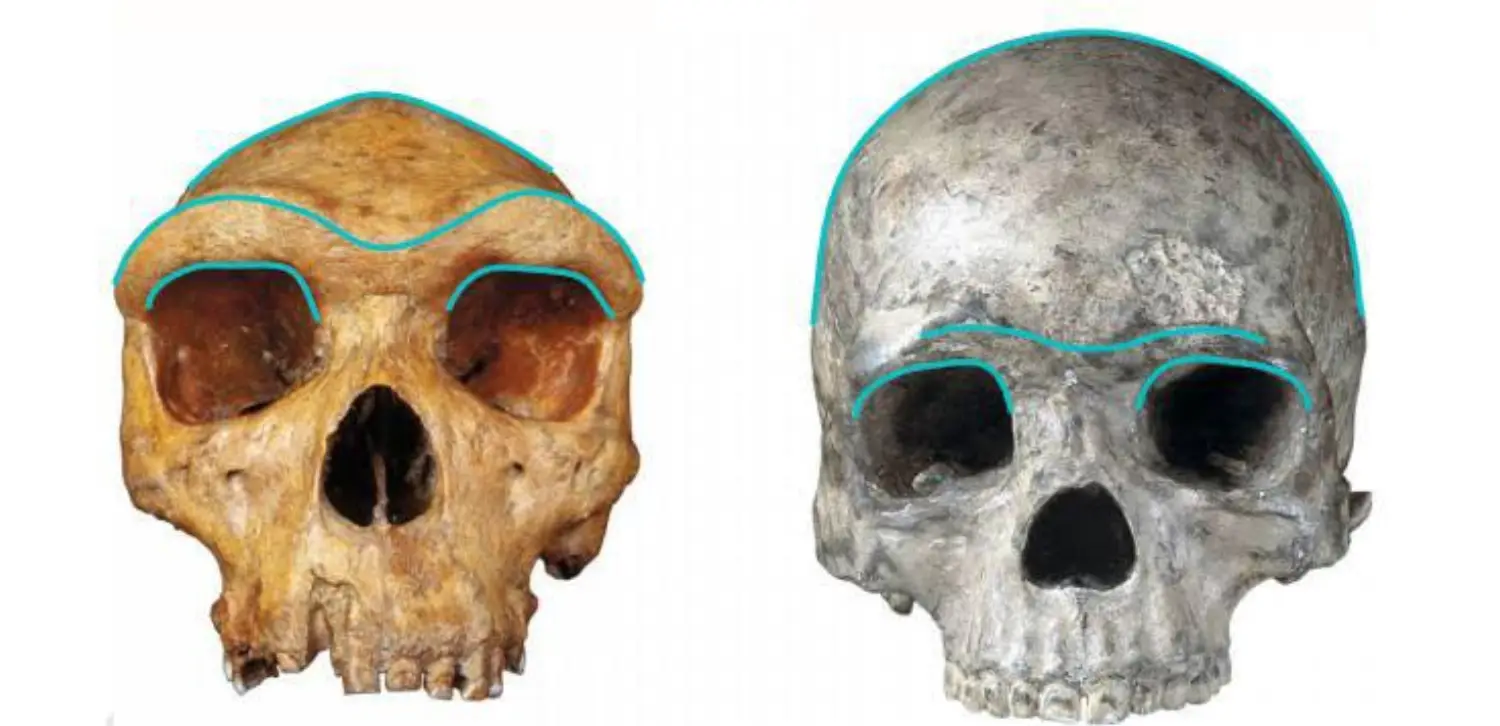
Bony Ridge Encirclement of Eye Socket
Eye Socket is called - Orbit
Difference Between Brow Ridge & Bony Ridge of Skull
And bony ridge baaki sab ke liye. Like ligament attachment, muscle attachment hogya. Yaa waha se koi nerve pass hori hai yaa koi major artery. So basically uske kaaran bone mei jo ridge banta hai
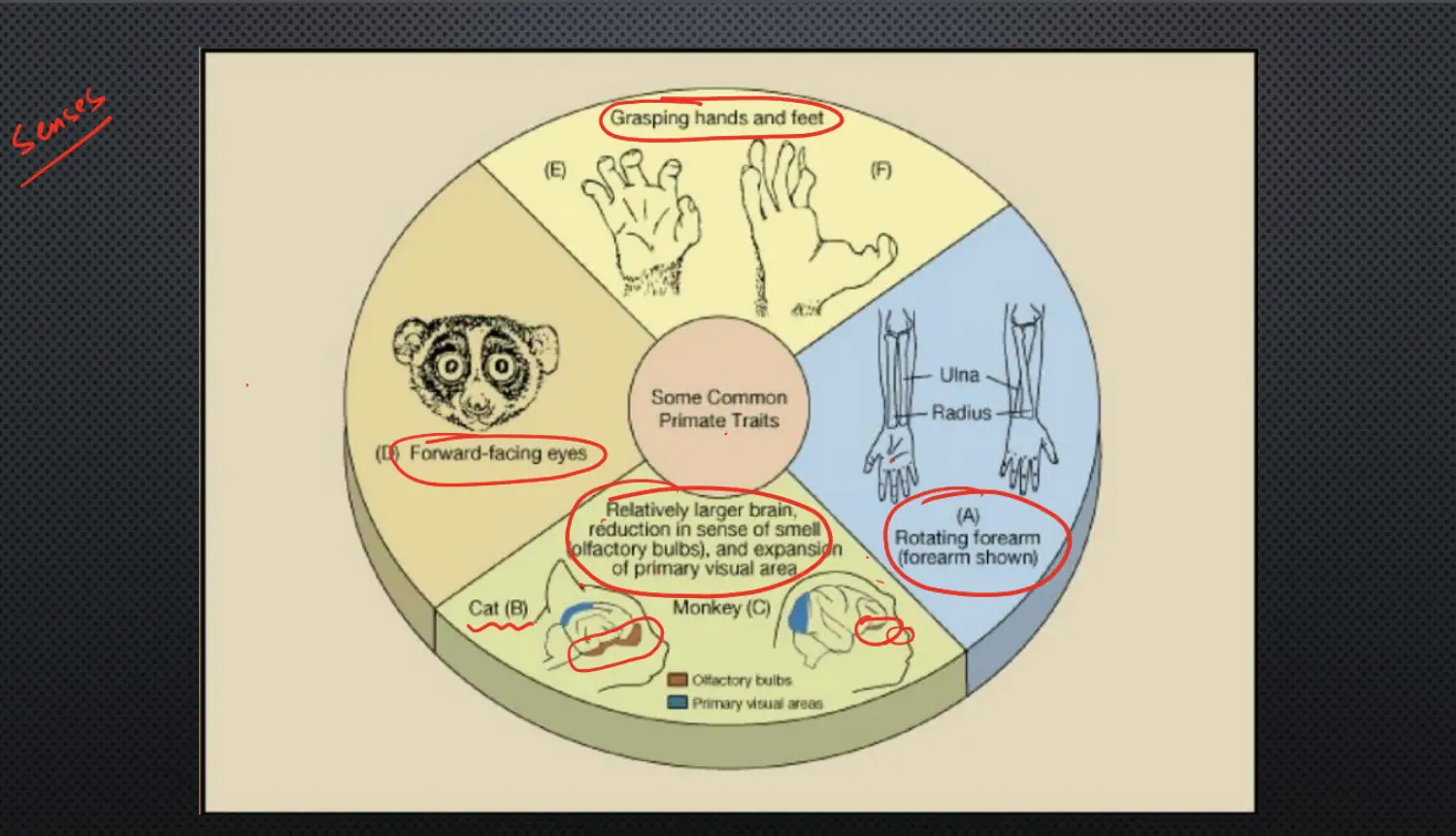
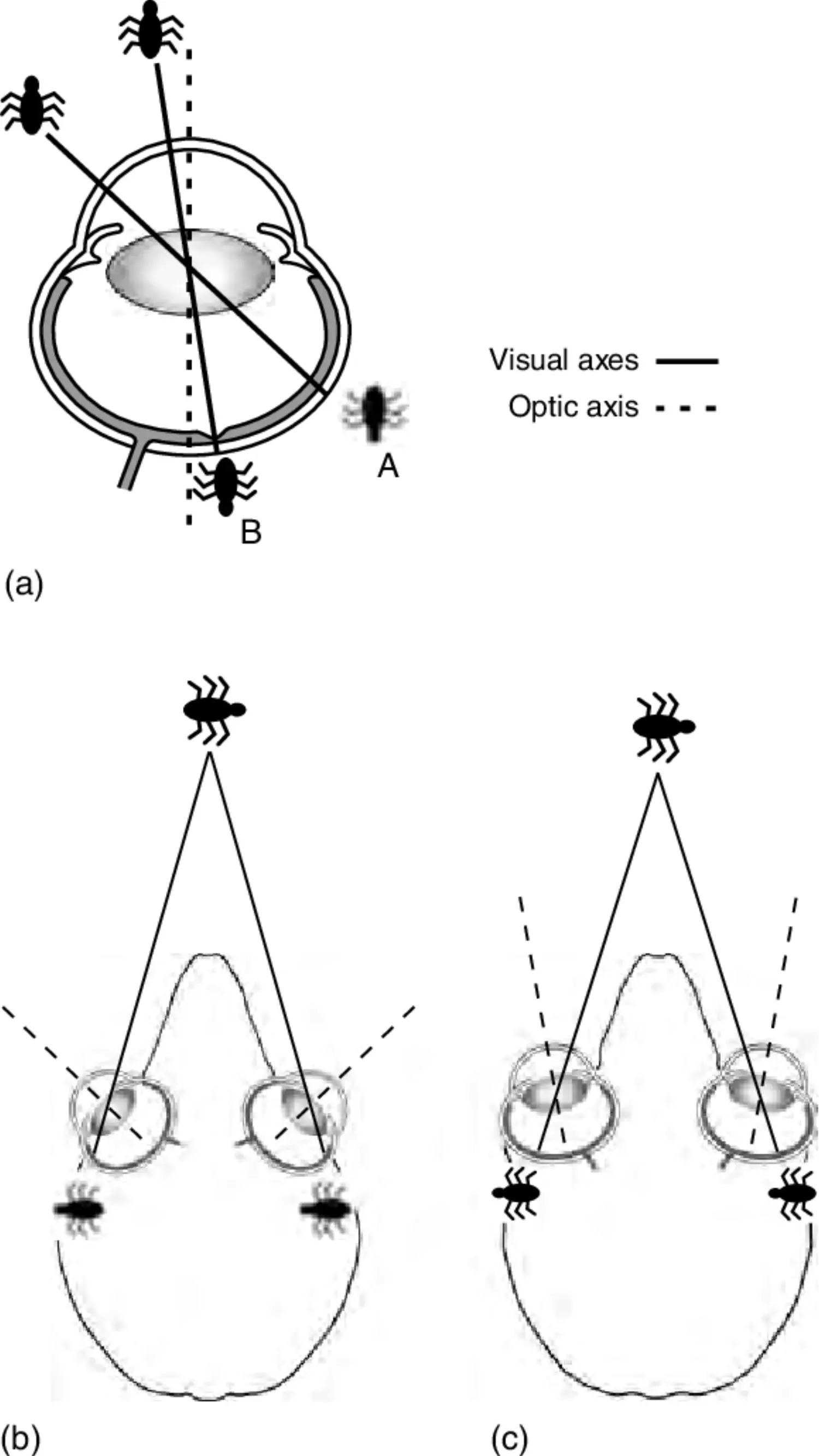
Orbital Convergence of Eyes - Horizontal Elongated Orbit
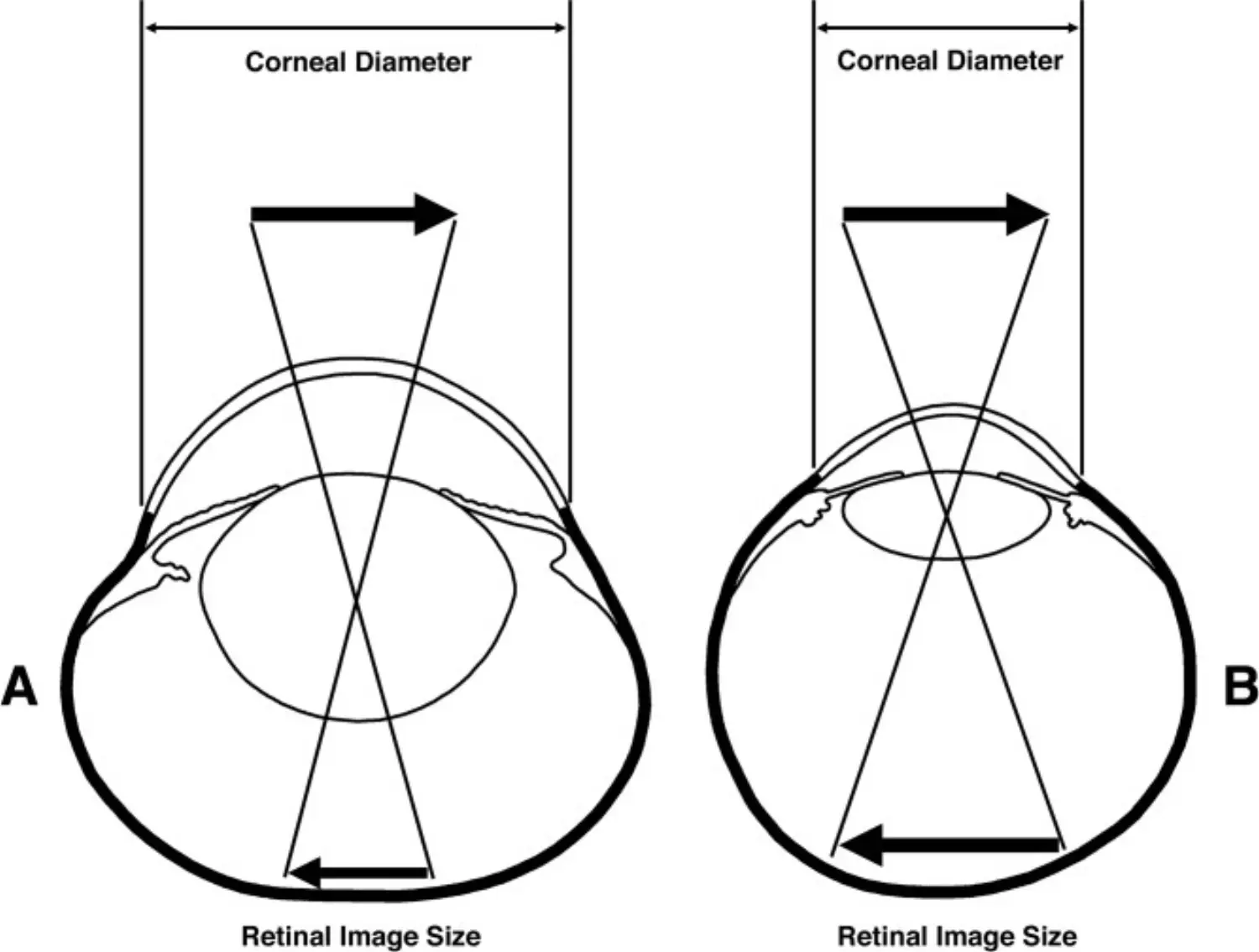
Nose & Mouth
Sub Nasal Area
Nose and Below that - Inside Area Also
Muzzle
Nose + Mouth
Teeth Features
Diastema
Gap Between Teeth
Enamel is More
Strong Teeth
Y5 Pattern of Hominids

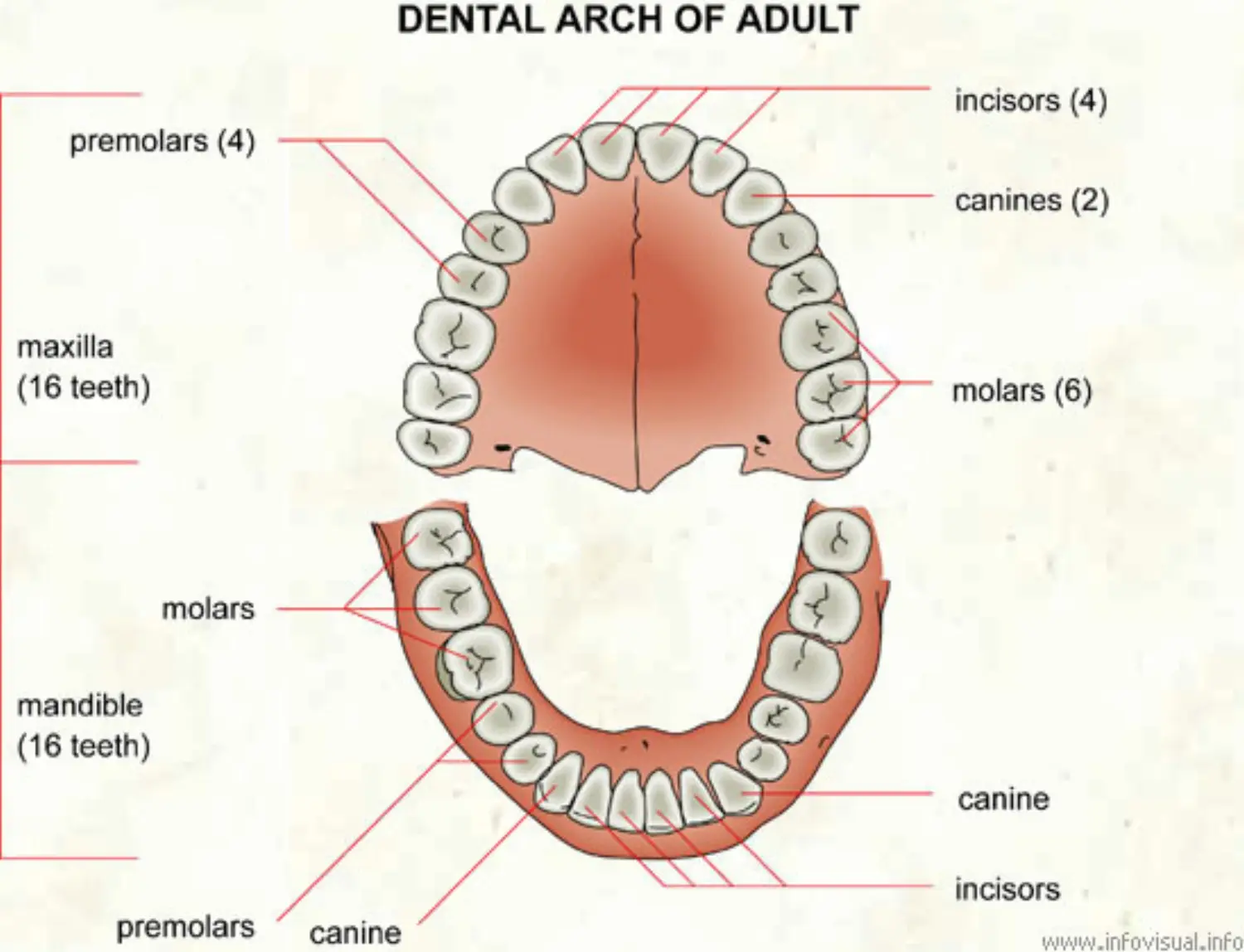
Dental Arcade
the curve of the row of teeth in each jaw. called also arcade.
Animal Features
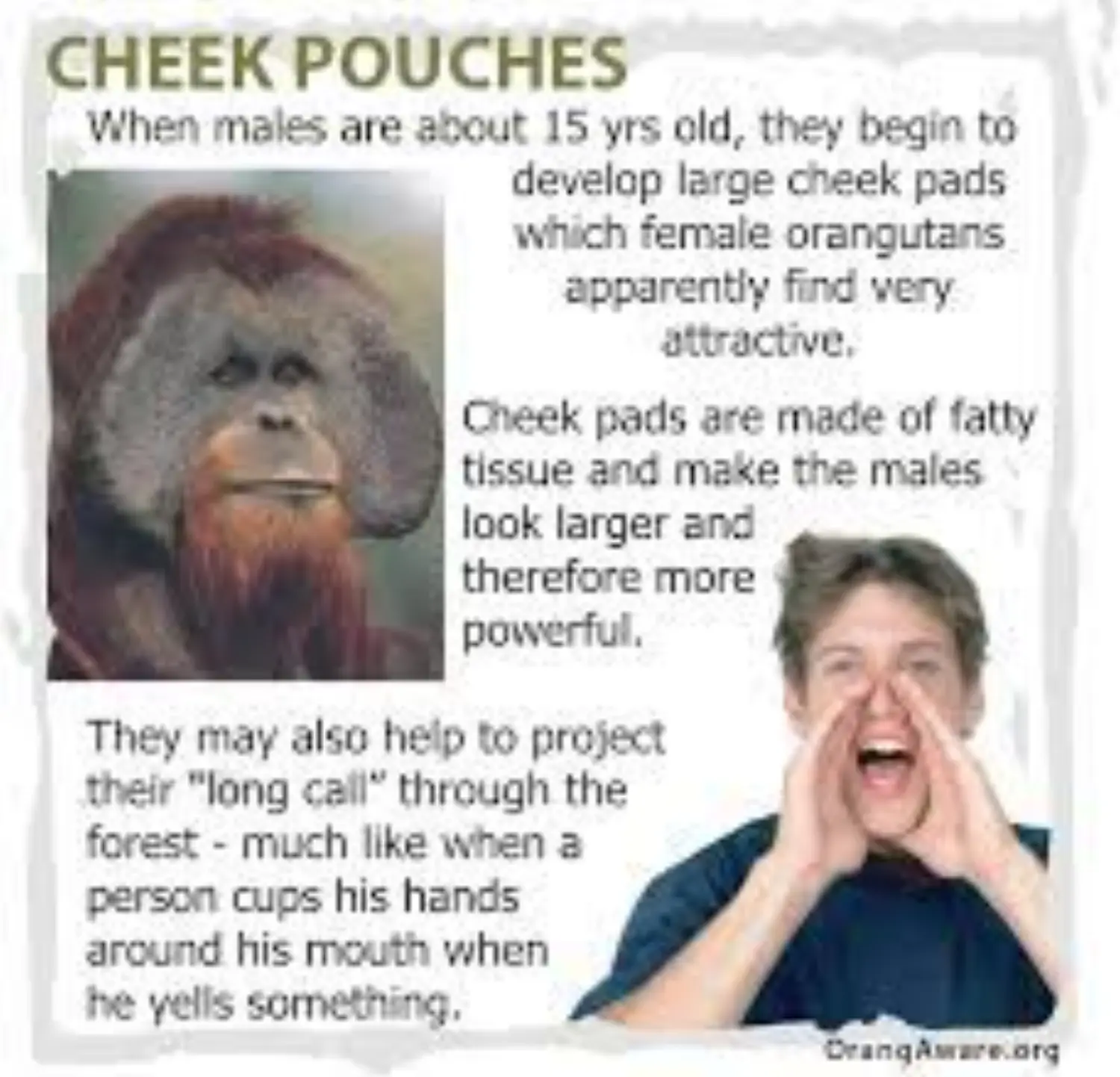
Cheek Pad of Orangutan - Disticnt Feature
Also Called as Cheek Pouches
Gibbon Face Ring
Tail Tuft of Bonobo
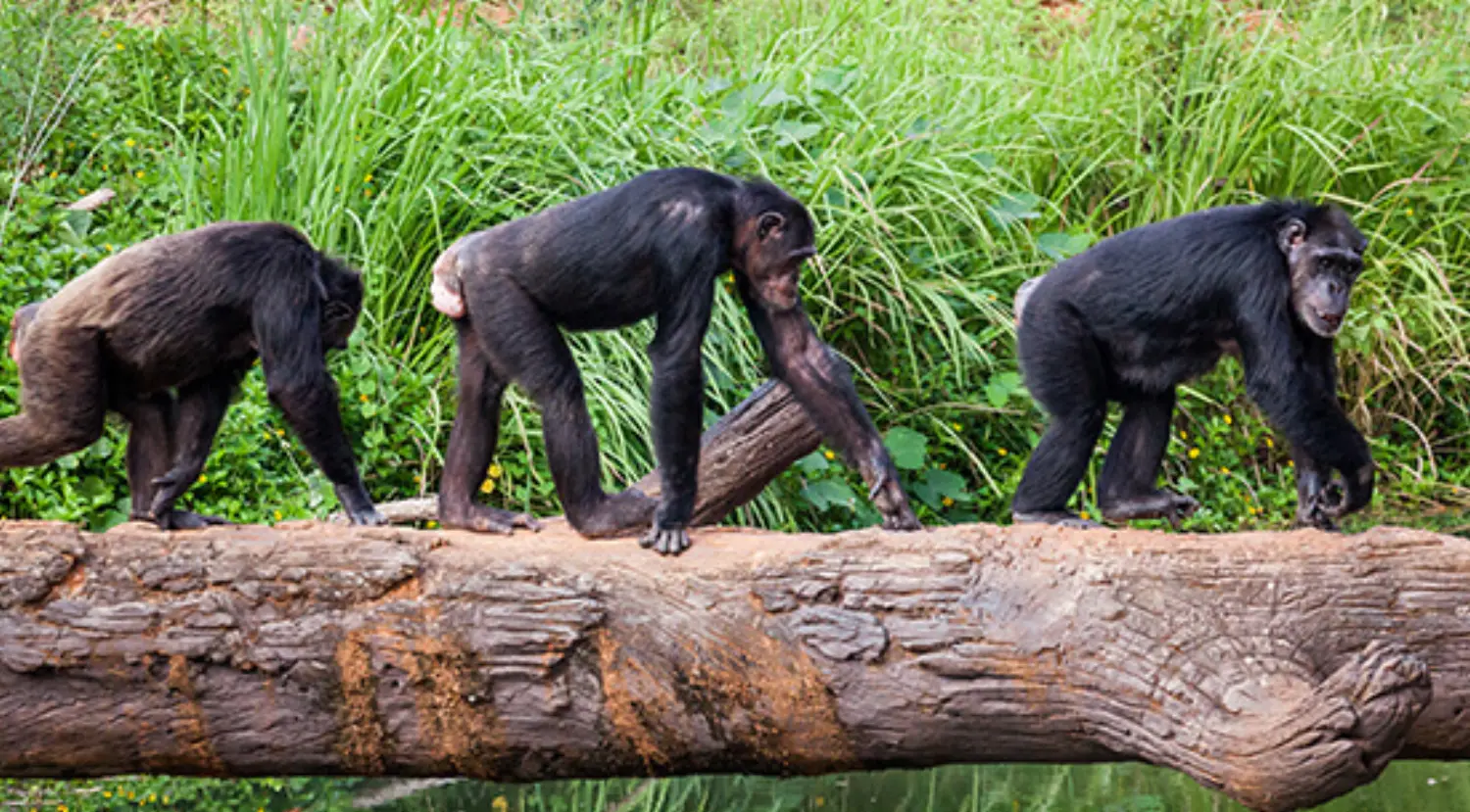
Altruism in Bonobos
Bonobos will happily share their food with a stranger, and even give up their own meal — but only if the stranger offers them social interaction, evolutionary anthropologists at Duke University report in the journal PLoS One
Post Cranial
Unguiculate
having one or more nails or claws.
Claviculate
possessing a clavicle (collar bone)

Hindlimb
Means Legs
A hindlimb or back limb is one of the paired articulated appendages (limbs) attached on the caudal (posterior) end of a terrestrial tetrapod vertebrate's torso. With reference to quadrupeds, the term hindleg or back leg is often used instead
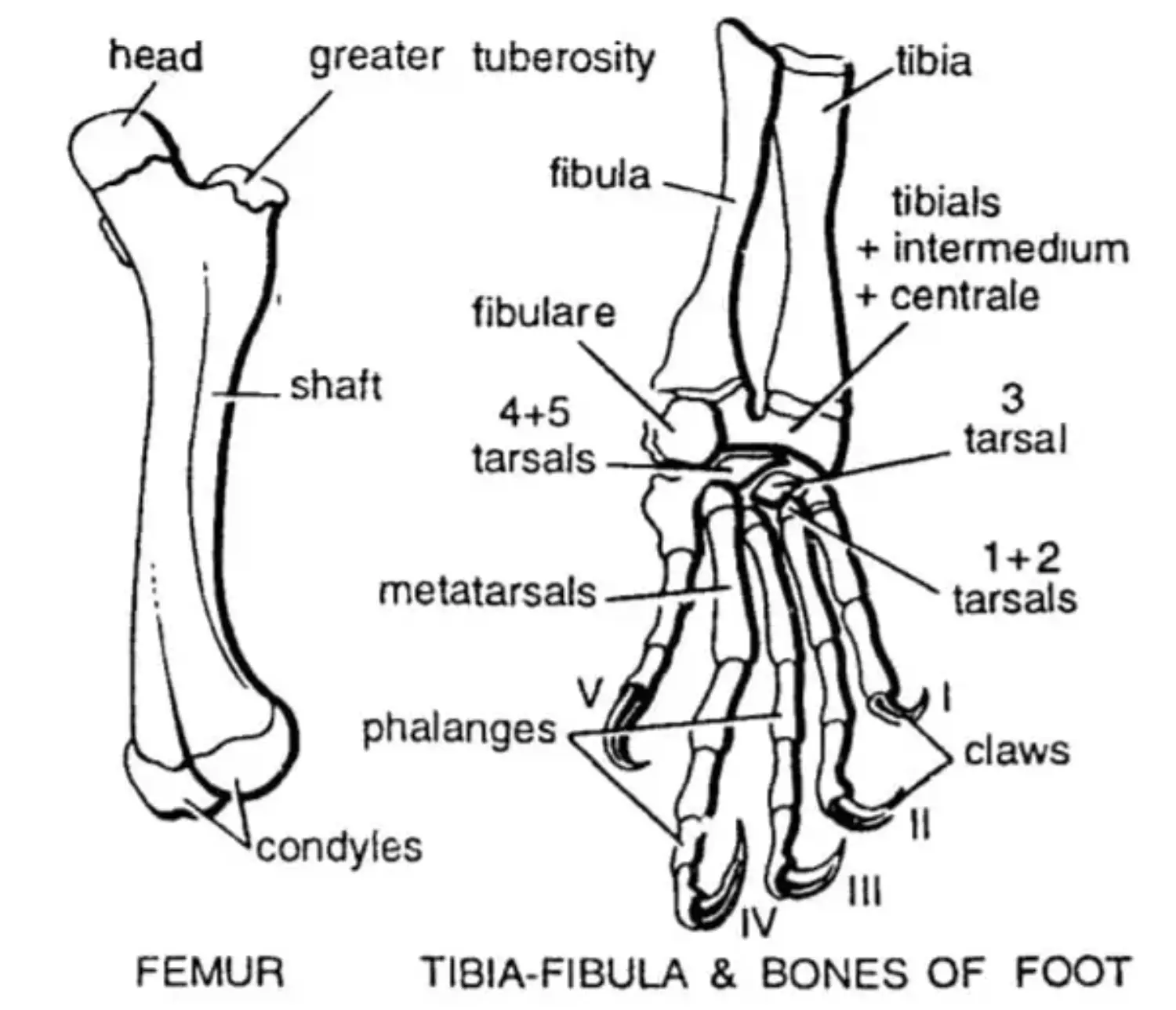
Pentadactyl
(of a vertebrate limb) having five toes or fingers, or derived from such a form, as characteristic of all tetrapods.
Eutherian / Placental
of or relating to a major division (Eutheria) of mammals comprising the placental mammals
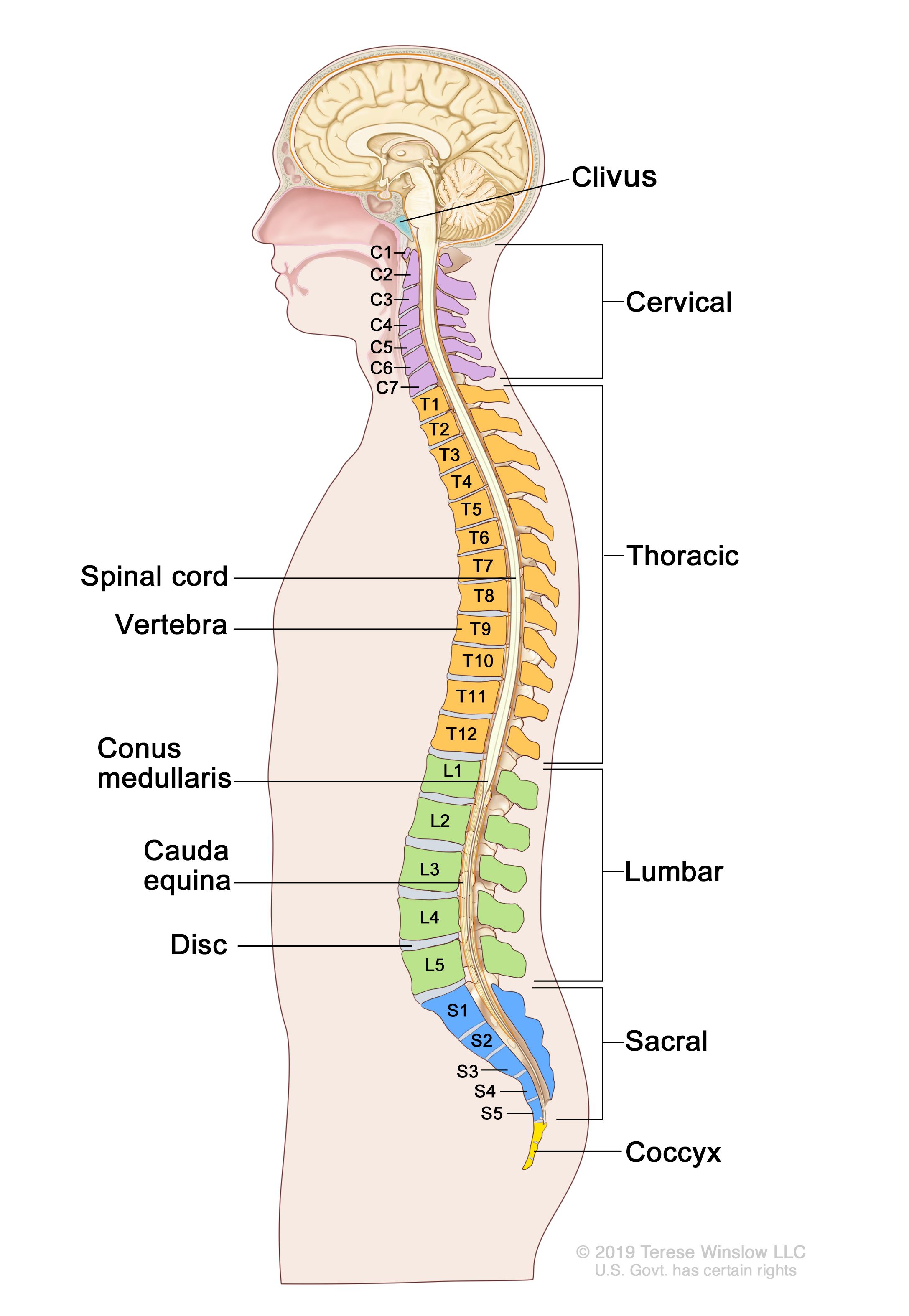
Vertebral Column
Fields
Physiology
the scientific study of how living things function
Morphology
morphology, in biology, the study of the size, shape, and structure of animals, plants, and microorganisms and of the relationships of their constituent parts
Behavioral Ecology
Study of Animals in their Natural Habitat
Primate Ethology
Primatologists study primate evolution, behaviour and biology Ethologists study the behaviour of organisms based on a comparative and evolutionary approach
Primatology
Primatology is the study of the behavior, biology, evolution, and taxonomy of nonhuman primates Primatologists are united by a common interest in study subjects, but not necessarily by uniformity in academic training.
Terms
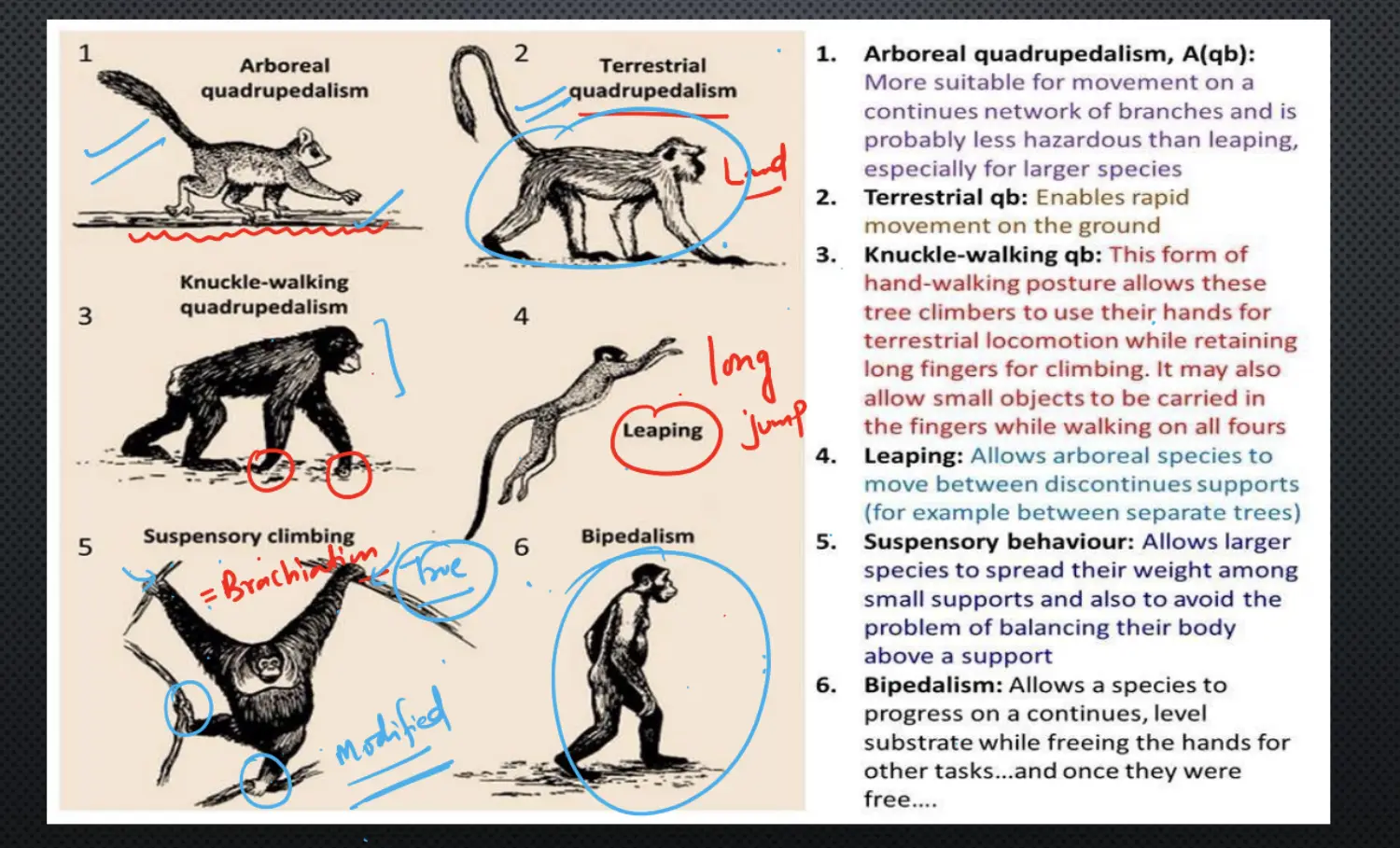
Types of Movements
Clinging
Leaping → Movement of Long Jump from one Branch to Another
Quadrupedal
- Arboreal Quadrupedalism - On Stems and Plants
- Terrestrial Quadrupedalism - Ground Walking & Knuckle Walking
Bipedal
On Two Legs
Brachiation
- One Hand and then Other Hand
- Types
- True
- Modified
Pseudo or True Opposability of Thumb
Olfactory
he olfactory system is at the roof of the nasal cavity at the cribriform plate → a perforated portion of the ethmoid bone separating the frontal lobe of the cerebrum from the nasal cavity. Odorant molecules within the nasal passages first encounter receptors on the primary cilia of olfactory sensory neurons.
Proto Culture
Learned Behaviour Passed from Generation to Generation
Dentition
he arrangement or condition of the teeth in a particular species or individual.
Gestation Period
It is measured in weeks, from the first day of the woman's last menstrual cycle to the current date. A normal pregnancy can range from 38 to 42 weeks
Infants born before 37 weeks are considered premature. Infants born after 42 weeks are considered postmature
Sexual Dimorphism
Visible Distinctive Differences in Males and Females
Prognathous & Orthognathous
PROGNATHOUS having a projecting lower jaw or chin
ORTHOGNATHOUS (especially of a person) having a jaw which does not project forwards and a facial angle approaching a right angle.
Animals
Tree Shrew
Indri
Largest Surviving Lemur in Madagascar
Positions
Procumbent Positions
Woh Primates jinka back seedha nahin hota hai
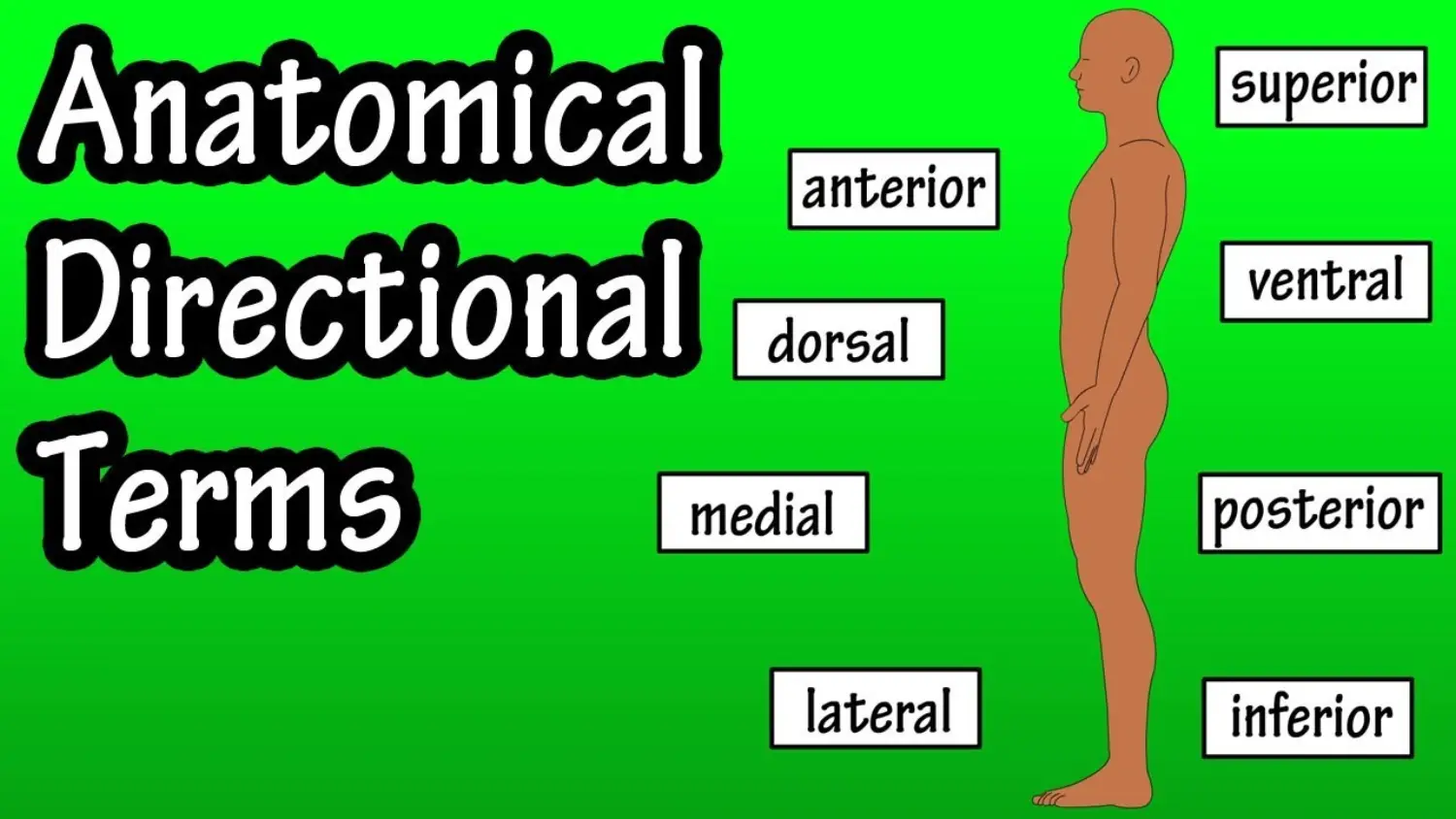
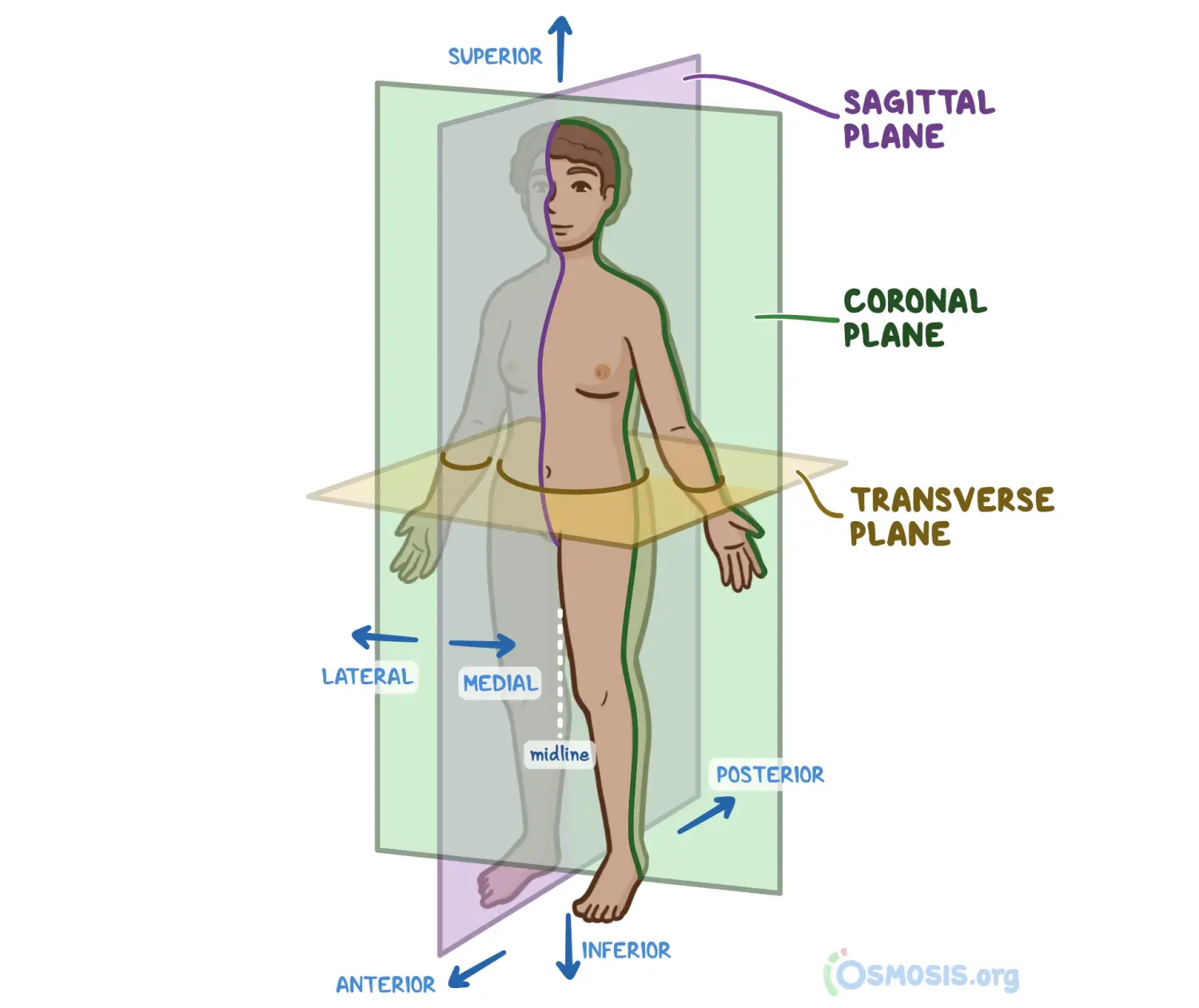
Important Names
- Jane Goodall - Studied Chimpanzee
- Dian Fossey - Studied Gorillas
- George J Mivart - Defined Primates
Important Location
- Gombe Stream National Park, Tanzania & Kenya
- Study Place of Jane Goodall
- Karisoke Research Station, Rwanda & Burundi
- Gombe Stream National Park, Tanzania & Kenya
DOUBT
- Doubt in Terms
Nuchal Bone
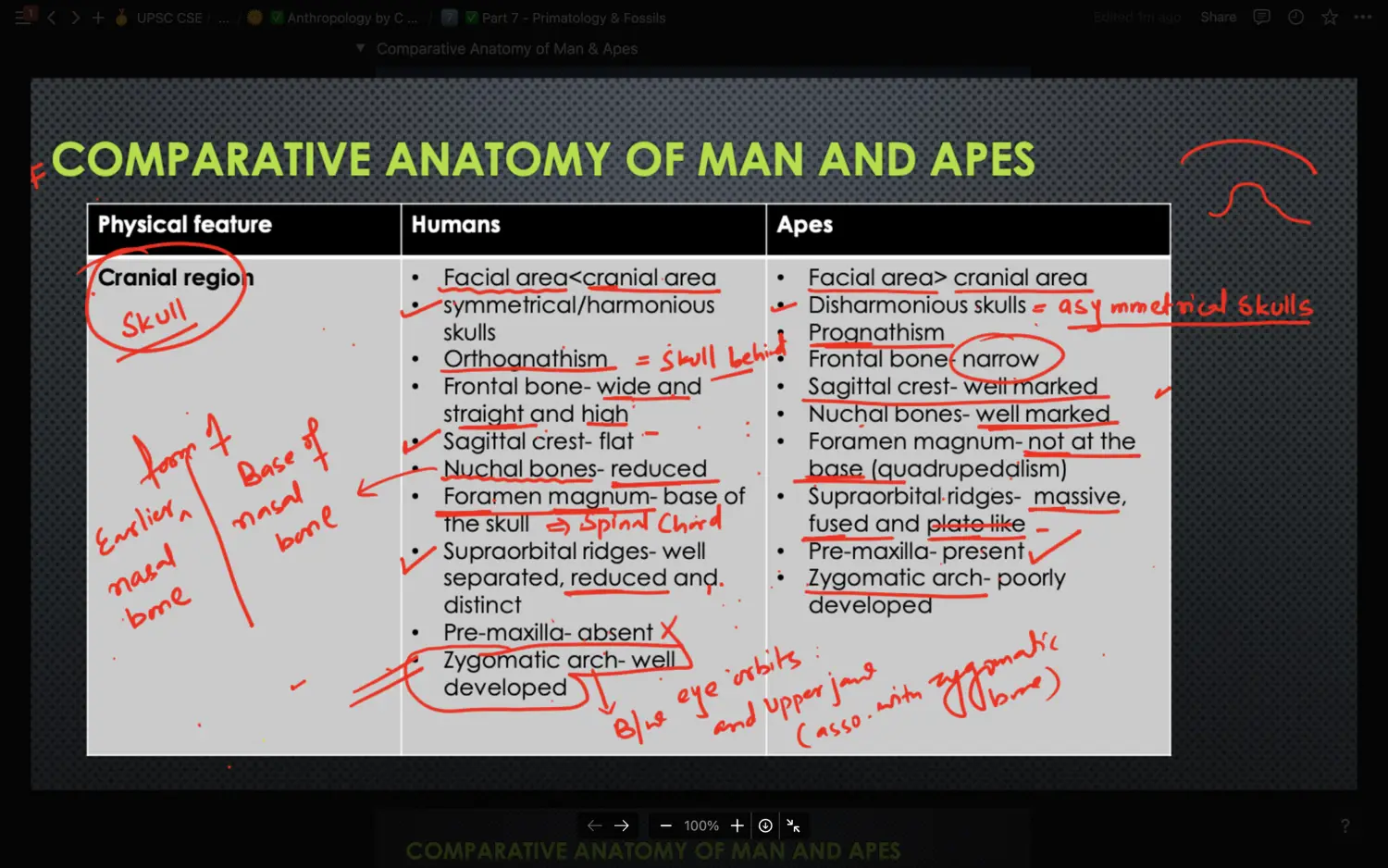
Torus Angularis
Occipital Torus