Anthropology Optional
Source
Running Concepts
Monozygotic & Dizygotic Twins
| Aspect | Monozygotic Twins (Identical) | Dizygotic Twins (Fraternal) | | --- | --- | --- | | Origin | Result from a single fertilized egg splitting into two embryos. | Result from two separate eggs being fertilized by two separate sperm cells. | | Genetic Similarity | Nearly 100% genetically identical. Share the same DNA. | Share approximately 50% of their genetic material, like siblings born at different times. | | Zygosity Testing | Identical twins have the same DNA and are of the same sex. | Fraternal twins can be of the same or different sex and have different DNA. | | Placental Arrangement | May share the same placenta (monochorionic) or have separate placentas (dichorionic). | Always have separate placentas (dichorionic). | | Amniotic Membrane | May share the same amniotic sac (monoamniotic) or have separate sacs (diamniotic). | Always have separate amniotic sacs (diamniotic). | | Time of Splitting | Usually splits within the first 4-8 days after fertilization. | Result from two separate fertilizations, so no splitting occurs. | | Incidence | Less common, occurring in about 1 in 250 pregnancies. | More common, occurring in about 1 in 90 pregnancies. | | Hereditary Factors | Not influenced by hereditary factors. | Can be influenced by hereditary factors, as some families have a higher tendency to produce fraternal twins. | | Environmental Factors | Not influenced by environmental factors. | Can be influenced by environmental factors such as maternal age and nutrition. | | Genetic Variability | Typically have very similar physical traits and characteristics. | Can have a wide range of physical traits and characteristics, just like non-twin siblings. |
Keep in mind that while this table provides a general overview of the differences between monozygotic and dizygotic twins, individual cases can vary. Additionally, advances in medical technology and genetic research may provide more insights into these differences in the future.
Difference between Genetic Polymorphism & Polygenic Inheritance
| Characteristic | Genetic Polymorphism | Polygenic Inheritance | | --- | --- | --- | | Definition | Genetic polymorphism refers to the presence of multiple alleles (alternate forms of a gene) at a specific locus (location) within a population. | Polygenic inheritance refers to the inheritance of a trait that is controlled by multiple genes, each contributing a small additive effect to the phenotype. | | Nature of Variation | Genetic polymorphism represents variation at a single gene locus. Different alleles may lead to variations in a specific trait. | Polygenic inheritance involves multiple genes, often at different loci, collectively influencing a trait. Each gene may have multiple alleles. | | Example | Blood type (ABO system) is an example of genetic polymorphism where multiple alleles (A, B, O) exist for the ABO gene. | Human height is an example of polygenic inheritance, where multiple genes contribute to a person's height. | | Inheritance Pattern | Genetic polymorphism can follow various inheritance patterns, including codominance (e.g., ABO blood group) or dominance/recessiveness (e.g., Mendelian traits). | Polygenic traits typically do not follow a simple Mendelian inheritance pattern. They often display continuous variation in the population. | | Number of Genes | Typically involves a single gene locus with multiple alleles. | Involves multiple gene loci, each contributing to the trait. | | Phenotypic Variation | Genetic polymorphism results in discrete phenotypic categories based on the alleles present (e.g., blood types A, B, AB, O). | Polygenic inheritance leads to continuous phenotypic variation, with a range of values for the trait (e.g., a wide range of heights in a population). | | Environmental Influence | Environmental factors may have minimal impact on genetic polymorphism, as the alleles at the locus determine the trait. | Polygenic traits can be influenced by environmental factors that contribute to the overall phenotype (e.g., nutrition affecting height). |
Extra Concepts in Class
Classification of living beings
- Monera – Bacteria and all forms of bacteria. They are Prokaryotic. Unicellular.
- Protista – Diatoms, Dinoflagellates10, Protozoa. Eukaryotic. Unicellular.
- Fungi – Fungus. Eukaryotic. Multicellular.
- Plantae – Plants. Eukaryotic. Multicellular.
- Animalia – vertebrate and invertebrates. Eukaryotic. Multicellular
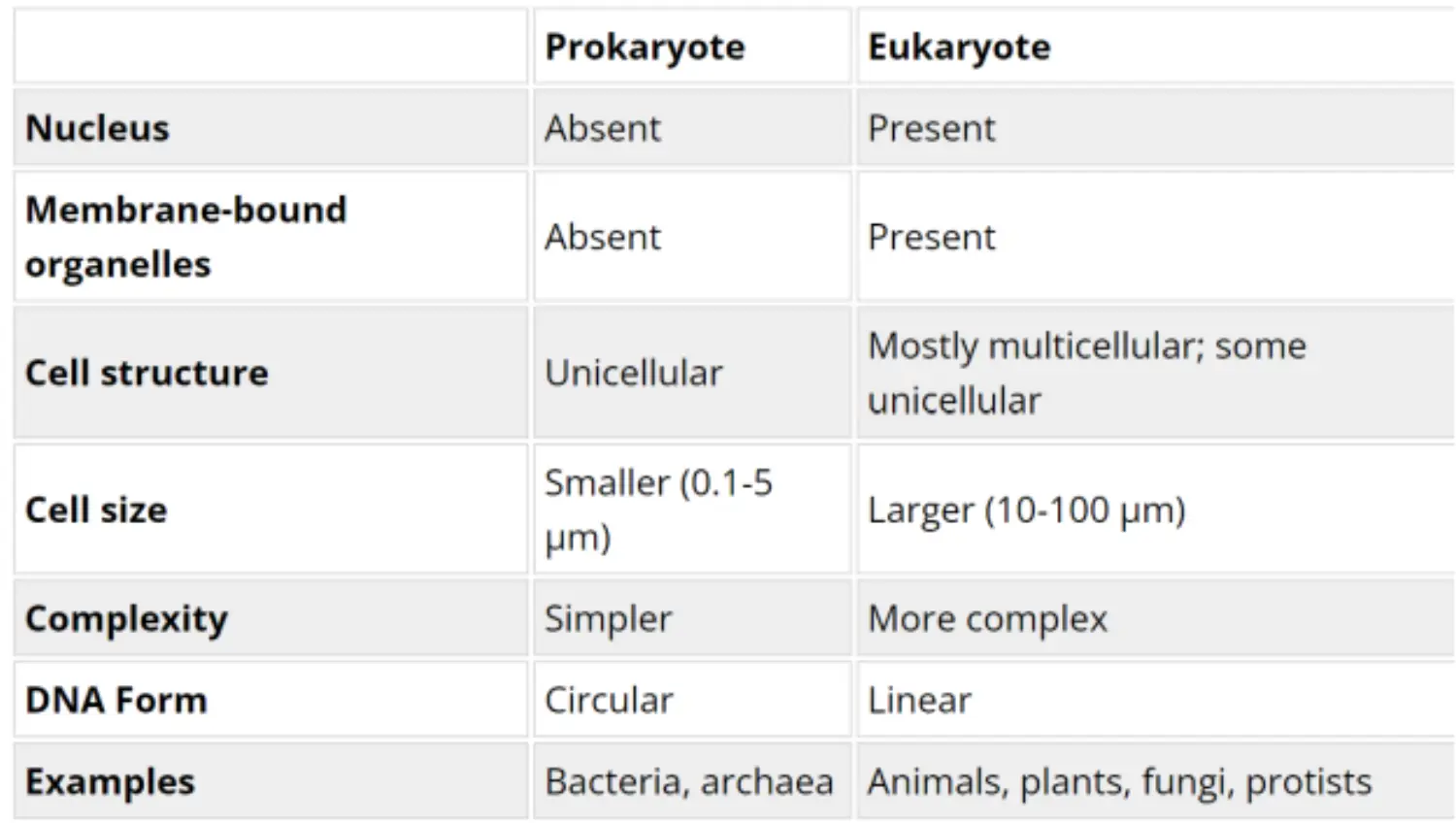
Eukaryotic vs Prokaryotic:
The primary distinction between these two types of organisms is that eukaryotic cells have a membrane-bound nucleus and prokaryotic cells do not. The nucleus is where eukaryotes store their genetic information. In prokaryotes, DNA is bundled together in the nucleoid region, but it is not stored within a membranebound nucleus.
The nucleus is only one of many membrane-bound organelles in eukaryotes. Prokaryotes, on the other hand, have no membrane-bound organelles. Another important difference is the DNA structure. Eukaryote DNA consists of multiple molecules of double-stranded linear DNA, while that of prokaryotes is double
Plants are of 5 categories:
- Algae
- Bryophytes
- Pteridophytes
- Gymnosperms
- Angiosperms
Why is it called inhalation of oxygen and exhalation of carbon dioxide? Because when we inhale, the air consists of 73% nitrogen, 21% of oxygen and 0.03% of CO2. On exhalation, there is 16.4% of oxygen and 4.4% of CO2, since there is a net inhalation/intake of oxygen that is kept with the body of around 4-5% and a net outtake of CO2, we commonly say that we inhale oxygen and exhale CO2.
We do not take nitrogen directly from air. We take it through diet. Nitrogen is very important for proteins and DNA and RNA.
Basic Cell Biology (Extra Data in Between)
Humans are made up of cells. Each cell has a nucleus. Nucleus contains chromosomes
Humans have 23 pairs of chromosomes
22 pairs of autosomes – these control the bodily characters other than sexual characteristics of a human
The last pair (sex chromosomes) regulate the primary and secondary sexual characteristics – XX for female and XY for male
Chromosomes are made due to condensation of DNA + proteins
Genes are present on the surface of DNA. Genes are the actual unit which control the characteristics of human beings. This control of characteristics of human by the genes is done with help of proteins
For Example:
gene ‘g’ regulates eye color. So, gene ‘g’ forms a protein ‘p’ which regulates the eye colour. Now ‘g’ can have different alleles like ‘g1’, ‘g2’, ‘g3’ – each referring to a different eye colour being black, blue, green, brown etc. with respective proteins being ‘p1’, ‘p2’, ‘p3’ formed to regulate the eye colours
Occurence of Down Syndrome
Down syndrome takes place due to an extra chromosome in the 21st pair of autosomes making the total number of chromosomes in each cell to 47 instead of the normal 46.
Boustrophedon
is a style of writing in which alternate lines of writing are reversed, with letters also written in reverse, mirror-style. This is in contrast to modern European languages, where lines always begin on the same side, usually the left. This was found in the Indus valley civilization.
Williamn F Libby is associated with the Name of C 14 Dating Methods
Civil Society
Everyone in India except for Govt, Forces, Judiciary and people associated with them
Ephemeral Plants - Xerophytes
They are Short Lived they only survive for those months of year where there is moisture or rain
Talanoa Dialogue - Traditional Dispute Resolution Mechanism
- It is outcome of COP 23
- Bonn Summit 2017
Euphenics and Euthenics
- Read about Euphenics & Euthenics → in accordance to Eugenics
Inca American
Western South America - South of Mexico
Andean Mountain -
Why is Desalination a Not Good Options
Use Gensets for De-Salination. It has a very big Carbon Foot Print, its not a Healthy Exercise for Sustainable Development
Forest Rights Act, 2006
UNFCCC - Koana Dialogue
Gametic and Somatic Variation
Pancreas (Mixed Gland)
- Endocrine
- Juice - Digestion
- Exocrine
- Islets of Langerhans
- Alpha Cells - Glucagon
- Beta Cells - Insulin
- Delta Cells - Pancreatic Polypeptide Hormone
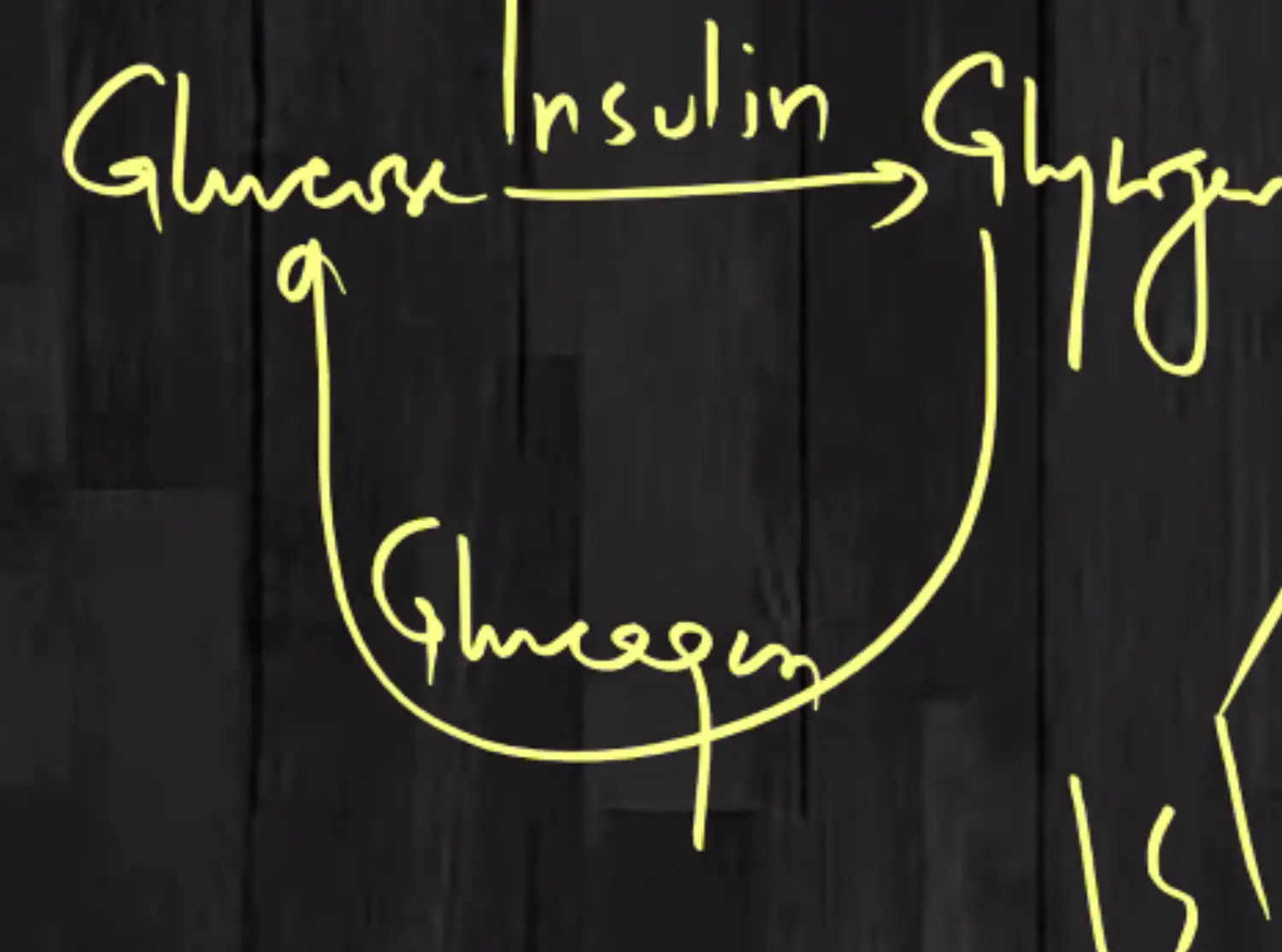
Regulation - Glucose & Glycogen
- Endocrine
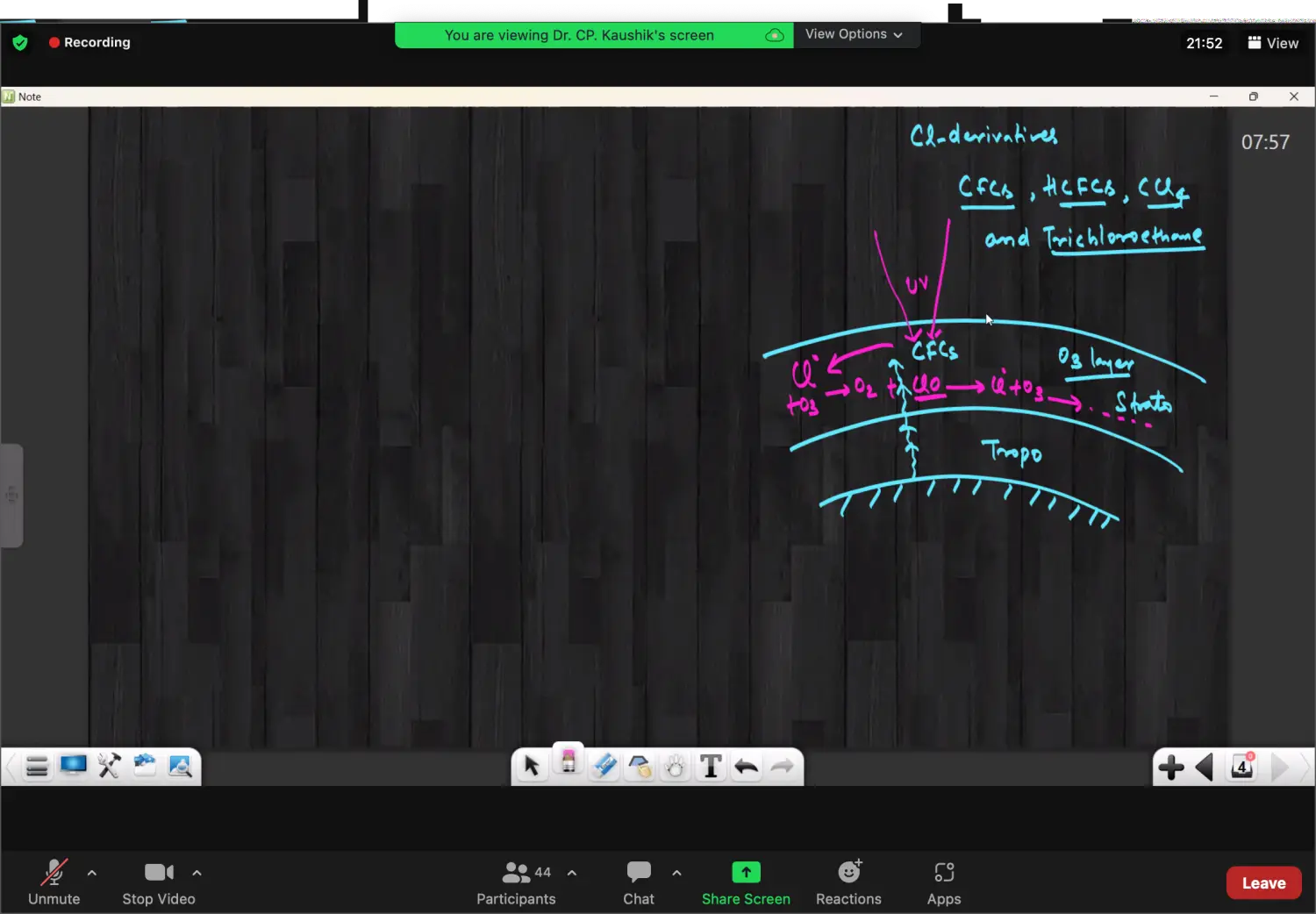
Free Radical Reactions in Stratosphere in depleting Ozone Layer
- Chlorine Derivatives like - CFC, HCFC, CCL4 & Trichloroethane
Depiction
Countries of Horn of Africa
- Somalia
- Ethiopia
- Eritrea
- Djibouti
Free Radical in Chemistry
A free radical can be defined as an atom or molecule containing one or more unpaired electrons in valency shell or outer orbit and is capable of independent existence. The odd number of electron(s) of a free radical makes it unstable, short lived and highly reactive.
Collagen
Protein
Protein
Most Abundant Protein in
Plants - Rubisco - Ribulose-1,5-bisphosphate carboxylase
Earth - Rubisco - Ribulose-1,5-bisphosphate carboxylase
Animal - Collagen
Basics of Chemistry
- Covalent Bond - formed by Sharing of Electrons - More Stable
- Non Covalent Bond - formed by Co Ordinate Bonds - Less Stable
Demographic Dividend & Demographic Advantage
When Larger Part of Population, is of Working Age Group i.w 18-40 years and within this the dominance is of young population, contributing maximally to the Growth and Development of the Country.
At Presently India is enjoying Demographic Advantage & will continue til 2044 as suggested by various studies.
Difference Between MDG & SDG
- MDG - 8 different Goals - 2001 - 2015
- SDG - 2016 - 2030
Brachycephaly
- Means Shape and Size of the Skull is shorter than the Normal One
PBTG of Andaman
- Out of 6 of Andaman Nicobar Tribes only Great Nicobari’s are not PVTG
Dynaric Population
Populations Settled Near Adriatic Sea Countries Near Adriatic Sea
Albania, Bosnia and Herzegovina, Croatia, Italy, Montenegro, and Slovenia
Nordic Populations
Scandinavian Population
Boustrophedon
Right to Left Writing ending in Left
Changing of Name of Orissa
- 96th CAA - Oriya to Odiya was Changed
Carbon Footprint of Orissa
Non Veg has a lot of Carbon Foot Print
Agriculture has a Carbon Foot Print
Cattle Beef - Methane → Feeding - Deforestation
Poultry is biggest producer of Nitrogenous Waste
Pineal Gland
regulates your Circadian Rhythm i.e the Biological Clock
Jenu Kurubas → They are called as the Honey Collectors of Nilgiris
They have no Livelihood, Some are getting Involved as Agricultural Labourers and Some in Criminal Activities
Now Govt is Involving them in Conservation of Wildlife particularly Elephants
Topics Pending As of Now in Anthropology
- Unit 8 → Mean, Median, Mode
- Physical Anthro → Lethal Genes
- Unit 1.4 (A) → Cultural & Human Evolution
- Sheet → Techniques of Tools
- Some Pending Documents - Tribal Data, XaXa Committee Report
The Syllabus of Anthropology for UPSC CSE is → Clearly Defined According to Official Syllabus
- Paper 1 - 250 Marks (12 Units)
Unit 01 (08)
- 1.1 - Meaning, Scope and Development of Anthropology
- 1.2 - Relationship with other Disciplines
- Social Sciences
- Behavioural Sciences
- Life Sciences
- Medical Sciences
- Earth Sciences
- Humanities
- 1.3 - Main branches of anthropology, the scope and relevance
- Social-Cultural Anthropology
- Biological Anthropology
- Archeological Anthropology
- Linguistic Anthropology
- 1.4 - Human Evolution and Emergence of man
- Factors in Human Evolution
- Biological Factors
- Cultural Factors
- Theories of Organic Evolution
- Pre Darwinian
- Darwinian
- Post Darwinian
- Synthetic Theory of Evolution
- Brief Outline of Terms and Concepts of Evolutionary Biology
- Dolls Rule
- Copes Rule
- Gausses Rule
- Parallelism
- Convergence
- Adaptive Radiation
- Mosaic Evolution
- Factors in Human Evolution
- 1.5 - Characteristics of Primates
- Evolutionary Trend & Primate Taxonomy
- Primate Adaptations
- Arboreal & Terrestrial Primate Taxonomy
- Primate Behaviour
- Tertiary & Quaternary Fossil Primates
- Living Major Primates
- Comparative Anatomy of Man and Apes
- Skeletal changes due to Erect Posture & Its Implications
- 1.6 - Phylogenetic Status, Characteristics & Geographical Distribution of the following
- Plio-preleistocene hominids in South and East Africa—Australopithecines.
- Homo erectus: Africa (Paranthropus), Europe (Homo erectus (heidelbergensis), Asia (Homo erectus javanicus, Homo erectus pekinensis
- Neanderthal man – La-chapelle-aux-saints (Classical type), Mt. Carmel (Progressive type).
- Rhodesian man.
- Homo sapiens – Cromagnon, Grimaldi and Chancelede.
- 1.7 - Physical Geography
- Double logical basis of life
- the cell DNA structure and application
- protein synthesis
- gene
- mutation
- chromosomes division
- cell division
- 1.8 - Physical Geography
- Principles of Prehistoric Archaeology
- Chronology: Relative and Absolute Dating methods
- Cultural Evolution - Broad Outlines of Prehistoric cultures
- Palaeolithic
- Mesolithic
- Neolithic
- Chalcolithic
- Copper-Bronze Age
- Iron Age
Unit 02 (05)
- 2.1 The Nature of Culture
- The concept and Characteristics of culture and civilisation
- Ethnocentrism vis-a-vis cultural Relativism
- 2.2 The Nature of Society
- Concept of Society
- Society and Culture
- Social Institution
- Social Groups
- social stratification
- 2.3 Marriage
- Definition and universality
- Laws of marriage
- endogamy
- exogamy
- hypergamy
- hypo gamy,
- Incest taboo
- Type of marriage
- monogamy
- polygamy
- polyandry
- group marriage
- Functions of marriage
- Marriage regulations
- preferential
- prescriptive and proscriptive
- Marriage payments - bride wealth and dowry
- 2.4 Family
- Definition and universality
- Family, household and domestic groups
- functions of family
- Types of family
- from the perspectives of structure
- blood relation
- marriage
- residence
- Succession
- Impact of
- urbanisation
- industrialisation
- feminist movements on family.
- 2.5 Kinship
- Consanguinity and Affinity
- Principles and types of descent
- Unilineal
- Double
- Bilateral Ambilineal
- Forms of descent groups
- lineage
- clan
- phratry
- moiety
- kindred
- Kinship terminology
- descriptive
- classificatory
- Descent
- Filiation and Complimentary Filiation
- Decent and Alliance.
- 2.1 The Nature of Culture
Unit 03 (01)
Economic Organization
Meaning, scope and relevance of economic anthropology.
Formalist and Substantives debate
Principles governing
production, distribution and exchange of
- reciprocity
- redistribution
- market in
- communities
- subsisting on hunting and gathering
- fishing
- Swiddening
- pastoralism
- horticulture
- agriculture
- Globalisation and indigenous economic systems
Unit 04 (02)
Political Organization and Social Control
Concept of
- Band
- Tribe
- Chiefdom
- Kingdom
- State
Concept of
- power
- authority
- legitimacy
- social control
- law and justice
in simple Societies
Unit 05 (05)
Religion
- Anthropological Approaches to the study of religion
- evolutionary
- psychological
- functional
- Concept of
- monotheism and polytheism
- sacred and profane
- myths and rituals
- Forms of religion in tribal and peasant Societies
- animism
- animatism
- fetishism
- naturism
- totemism
- religion, magic and science distinguished
- magico-religious functionaries
- priest
- shaman
- medicine man
- sorcerer
- witch
- Anthropological Approaches to the study of religion
Unit 06 (10)
Anthropological theories:
- Classical Evolutionism
- Tylor
- Morgan
- Frazer
- HP & Diffusionism
- Historical Particularism
- Franz Boas
- Diffusionism
- British
- German
- American
- Historical Particularism
- Functionalism & Structural Functionalism
- Functionalism → Malinowski
- Structural - Functionalism → Radcliffe-Brown
- Structuralism
- L’evi-Strauss
- E. Leach
- Culture and Personality
- Benedict
- Mead
- Linton
- Kardiner
- Cora-du Bois
- Neo—evolutionism
- Childe
- White
- Steward
- Sahlins
- Service
- Cultural materialism
- Harris
- Symbolic and interpretive theories
- Turner
- Schneider
- Geertz
- Cognitive Theories
- Tyler
- Conklin
- Post-modernism
in anthropology
- Classical Evolutionism
Unit 07 (04)
Culture, Language and Communication
- Nature
- origin and characteristics of language
- verbal and non-verbal communication
- social context of language use
Unit 08 (05)
- Research methods in Anthropology
- Fieldwork tradition in anthropology
- Distinction between technique, method and methodology
- Tools of data collection
- observation
- interview
- schedules
- questionnaire
- case study
- genealogy
- life-history
- oral history
- secondary sources of information
- participatory methods.
- Analysis, interpretation and presentation of data.
Unit 09 (08)
9.1
Human Genetics
Methods and Application
- Methods for study of genetic principles in man-family study
- Concepts of
- pedigree analysis
- twin study
- foster child
- co-twin method
- cytogenetic method
- chromosomal
- karyo-type analysis
- Biochemical Methods
- immunological methods
- D.N.A. Technology
- Recombinant Technologies
9.2
- Mendelian genetics in man-family study
- single factor
- multifactor
- Lethal & Sub-Lethal
- Polygenic Inheritance in man
9.3
Concept of
- genetic polymorphism
- selection
- Mendelian population
- Hardy-Weinberg law
- causes and changes which bring down frequency-mutation
- Isolation
- migration
- selection
- inbreeding
- genetic drift
- Consanguineous and non-consanguineous mating
- genetic load
- genetic effect of consanguineous and cousin marriages
9.4
Chromosomes and chromosomal aberrations in man & methodology
- Numerical and Structural Aberrations (disorders)
- Sex chromosomal aberration
- Klinefelter (XXY)
- Turner (XO)
- Super female (XXX),
- Intersex
- other syndromic disorders.
- Autosomal aberrations
- Down syndrome
- Patau syndromes
- Edward syndromes
- Cri-du-chat syndromes
- Genetic Imprints in human disease
- genetic screening
- genetic counseling
- human DNA profiling
- gene mapping
- genome study
9.5
- Race and racism
- biological basis of morphological variation of non-metric and characters
- Racial criteria
- racial traits in relation to heredity and environment
- biological basis of racial classification
- racial differentiation
- race crossing in man
9.6
Age, sex and population variation as genetic marker
Concept of
- ABO
- Rh Blood Groups
- HLA Hp
- transferring
- GM
- Blood Enzymes
Physiological characteristics
- Hb level
- body fat
- pulse rate
- respiratory functions
- sensory perceptions
in different cultural and socio-economic groups.
9.7
Concepts and methods of Ecological Anthropology
- Bio-cultural Adaptations
- Genetic
- Non- genetic factors
- Man’s physiological responses to environmental stresses
- hot desert
- cold
- high-altitude climate
- Bio-cultural Adaptations
9.8
Epidemiological Anthropology
- Health and disease
- Infectious and non-infectious diseases
- Nutritional deficiency related diseases
Unit 10 (06)
Concept of human growth and Development
- Stages of growth
- pre-natal
- natal
- infant
- childhood
- adolescence
- maturity
- senescence
- Factors affecting growth and development genetic
- environmental
- biochemical
- nutritional
- cultural
- socio-economic
- Ageing and senescence
- Theories and observations - Biological and chronological longevity
- Human physique and somatotypes
- Methodologies for growth studies
- Stages of growth
Unit 11 (03)
11.1
- Relevance of
- menarche
- menopause
- and other bio events to fertility
- Fertility patterns and differentials.
- Relevance of
11.2
Demographic theories
- Biological
- Social
- Cultural
11.3
Biological and socio-ecological factors influencing
- fecundity
- fertility
- natality
- mortality
Unit 12 (08)
Applications of Anthropology
- Anthropology of sports
- Nutritional anthropology
- Anthropology in designing of defence and other equipments
- Forensic Anthropology
- Methods and principles of personal identification and reconstruction
- Applied human genetics
- Paternity Diagnosis
- Genetic Counselling and Eugenics
- DNA technology in
- diseases and medicine
- Sero Genetics and cytogenetics in reproductive biology
- Paper 2 - 250 Marks (09 Units)
Unit 1 (03)
1.1 Evolution of the Indian Culture and Civilization
- Prehistoric
- Palaeolithic
- Mesolithic
- Neolithic
- Neolithic-Chalcolithic
- Protohistoric
- Indus Civilization
- Pre-Harappan Civilisation
- Harappan Civilisation
- Post- Harappan Civilisation
- Contributions of the tribal cultures to Indian civilisation
- Prehistoric
1.2 Palaeo
Anthropological evidences from India with special reference to Siwaliks and Narmada basin of
Ramapithecus
Sivapithecus
Narmada Man
1.3 Ethno-archaeology in India
- The concept of ethno-archaeology
- Survivals and Parallels among the hunting, foraging, fishing, pastoral and peasant communities including arts and crafts producing communities.
Unit 2 (01)
Demographic profile of India
- Ethnic and linguistic elements in the Indian population and their distribution.
- Indian population – factors influencing its structure and growth.
Unit 3 (03)
3.1
- The structure and nature of traditional Indian social system
- Varnashrama
- Purushartha
- Karma
- Rina
- Rebirth
- The structure and nature of traditional Indian social system
3.2
Caste system in India
- Structure and characteristics Varna and caste
- Theories of origin of caste system
- Dominant caste
- Caste mobility
- Future of caste system
- Jajmani system
- Tribe-case continuum.
3.3
- Sacred Complex
- Nature-Man-Spirit Complex
3.4
Impact on Indian society of
- Buddhism
- Jainism
- Islam
- Christianity
Unit 4 (04)
- Emergence, growth and development in India
- Contributions of the 18th, 19th and early 20th
- Century scholar-administrators
- Contributions of Indian anthropologists to tribal and caste studies.
Unit 5 (03)
5.1 - Done
Indian Village:
- Significance of village study in India;
- Indian village as a social system;
- Traditional and changing patterns of settlement and inter-caste relations
- Agrarian relations in Indian villages
- Impact of globalisation on Indian villages
5.2 - Done
- Linguistic and religious minorities and their social, political and economic status.
5.3
Indigenous and exogenous processes of socio-cultural change in Indian society
Sanskritization, Westernisation, Modernisation
Inter-play of little and great traditions
Panchayati Raj and social change
Media and Social change
Unit 6 (03)
6.1
Tribal situation in India:
- Bio-genetic variability
- linguistic and socio-economic characteristics of the tribal populations and their distribution.
6.2
Problems of the Tribal Communities
- Land alienation
- poverty
- indebtedness
- low literacy
- poor educational facilities
- unemployment
- under-employment
- health
- nutrition
6.3
Development Projects - Industrialisation - Rehabilitation
- Developmental projects and their impact on tribal displacement and problems of rehabilitation.
- Development of forest policy and tribals. Impact of urbanisation and industrialisation on tribal populations.
Unit 7 (03)
- 7.1
- Problems of exploitation and deprivation of
- Scheduled Castes
- Scheduled Tribes
- Other Backward Classes.
- Constitutional safeguards for Scheduled Tribes and Scheduled Castes
- Problems of exploitation and deprivation of
- 7.2
- Social change and contemporary tribal societies
- Impact of modern democratic institutions
- development programmes and welfare measures on tribals and weaker sections
- Social change and contemporary tribal societies
- 7.3
- The concept of ethnicity
- Ethnic conflicts and political developments
- Unrest among tribal communities
- Regionalism and demand for autonomy
- Pseudo-tribalism
- Social change among the tribes during colonial and post-Independent India
- 7.1
Unit 8 (02)
8.1
Impact of Hinduism, Buddhism, Christianity, Islam and other religions on tribal societies.
8.2
Tribe and nation state—a comparative study of tribal communities in India and other countries.
Unit 9 (03)
9.1
- History of
- administration of tribal areas
- History of tribal policies
- History of plans
- History of programmes of tribal development and their implementation.
- The concept of PTGs (Primitive Tribal Groups)
- PVTG their distribution
- special programmes for their developmen
- Role of N.G.O.s in tribal development.
- History of
9.2
Role of anthropology in tribal and rural development.
9.3
Contributions of anthropology to the understanding of regionalism, communalism and ethnic and political movements
The Syllabus of Anthropology for UPSC CSE is → Not Very Well Structured - Hence, Restructured Syllabus is :
✅Part 1 - Introduction + Methodology + Thinker
✅Part 2 - Physical Anthropology
✅ Part 3 - Socio-Cultural Anthropology
✅ Part 4 - Core Indian Anthropology
✅ Part 5 - Tribal Anthropology
✅ Part 6 - Archaeological Anthropology
✅ Part 7 - Primatology & Fossils
Summaries of Anthropology to be Made
- Anthropologists, Books & Case Studies